



Swiss Alpine Folk Art
Swiss alpine folk art brings rustic charm into your home through hand-carved wooden sculptures, chairs and vessels shaped by mountain traditions.
Swiss Alpine Folk Art
Swiss alpine folk art encompasses carved wooden seating, animal and human figures, and decorative vessels from the nineteenth century onward. When you search for swiss alpine folk art, you encounter side chairs, mantel clocks, and detailed carvings produced in regions like Brienz.
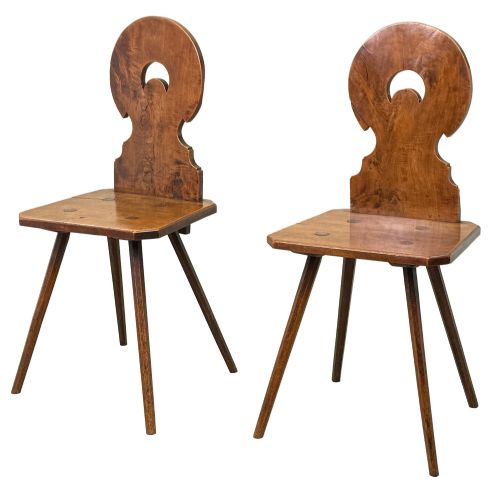
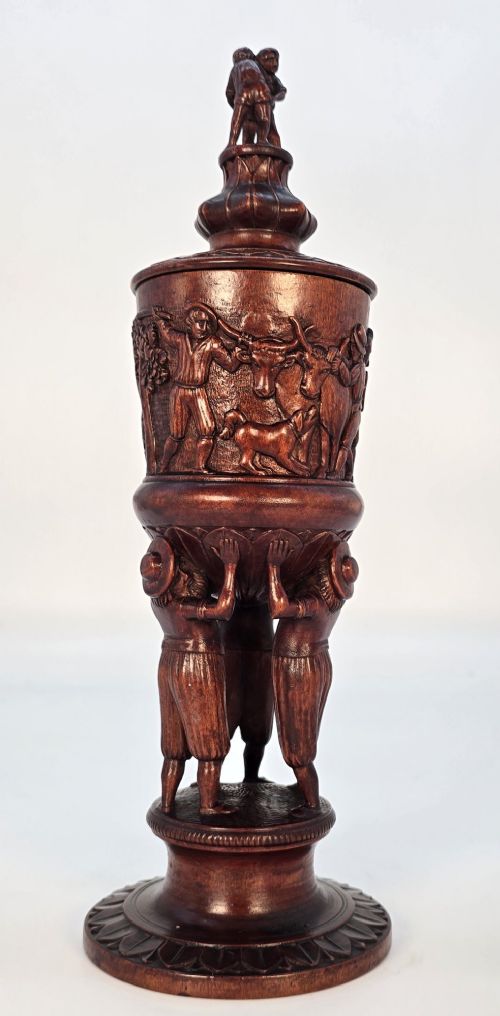
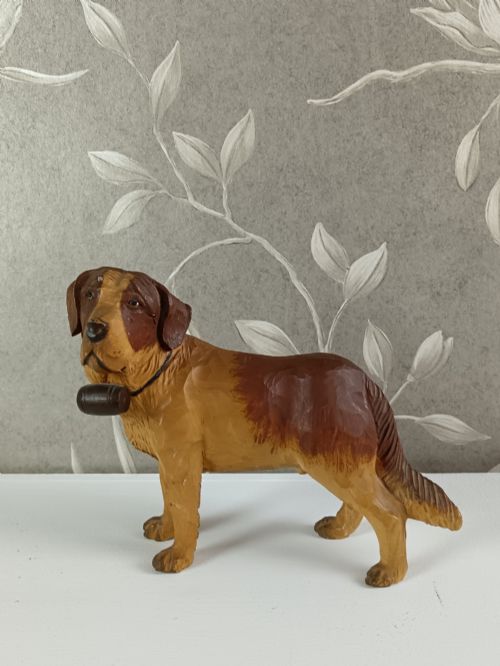
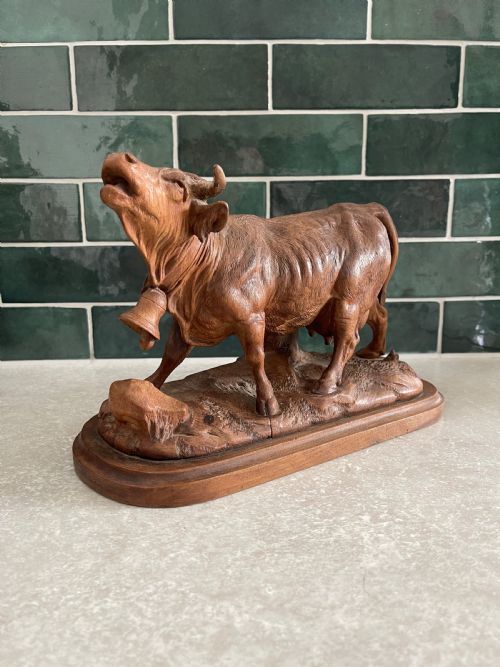
The objects reflect mountain life and rural traditions through subjects such as Saint Bernard dogs, peasant couples, and cows. Escabelle chairs and lidded chalices form the core of the utilitarian and decorative items preserved from this era.
Most examples date from the Victorian period up to nineteen forty, utilising local timbers shaped by traditional woodworking methods. These pieces range from functional seating to intricate mantel clocks and spoons.
How they were made
Carpenters and carvers shaped these pieces from regional timbers including walnut, lindenwood, fruitwood, and various hardwoods. The maker selected each piece of timber for its grain and suitability to intricate hand carving.
Artisans employed gouges and chisels to realise complex forms such as rescue dogs, peasant figures, and sculptural chair backs. Paint was occasionally applied to highlight specific details on carved wooden surfaces.
Swiss Alpine Folk Art Retail Price Guide 2026
Typical asking prices for swiss alpine folk art among the pieces listed under this phrase on Sellingantiques today, from the lower quarter to the upper quarter. They describe what is for sale here now, not the wider market.
The listings span the nineteenth century to nineteen forty, featuring walnut, lindenwood, fruitwood, and timber across chairs, sculptures, clocks, and spoons.
What varies in quality
Depth and precision of the hand carving separate standard items from superior works, particularly in animal and human figures. The anatomy of a Saint Bernard or the expression of a peasant couple reveals the hand of a skilled artisan.
The choice of dense timber, such as walnut or select fruitwood, contributes to the longevity and structural integrity of chairs and chalices. Proportions and the balanced execution of decorative motifs distinguish finer examples from simpler workshop production.
The Swiss Alpine Folk Art Glossary
- Escabelle
- A traditional type of wooden chair with a high back and sturdy legs, common in alpine regions. These chairs often feature carved panels reflecting regional folklore.
- Brienz
- A Swiss village renowned for its woodcarving industry during the nineteenth century. Carvers from this centre produced intricate chalices, figures, and decorative objects.
- Lindenwood
- A pale timber favoured by carvers for its fine grain and soft texture. It allows for delicate chisel work without splitting easily.
- Chalice
- A large cup or goblet, often lidded and carved from walnut in alpine traditions. These served as decorative vessels rather than drinking implements.
Swiss Alpine Folk Art: Frequently Asked Questions
What is swiss alpine folk art?
Swiss alpine folk art consists of hand-carved wooden objects, furniture, and sculptures produced in mountain regions during the nineteenth and early twentieth centuries.
These pieces capture rural life and traditions through depictions of animals, figures, and functional items made by local woodworkers.
How were escabelle chairs used?
Escabelle chairs served as sturdy seating around tables in mountain homes and alpine dwellings. Their high backs provided protection from drafts.
Today, these chairs function well as accent seating or decorative pieces in rustic and traditional interiors.
How do I date these carvings?
Dating relies on the style of the carving, the choice of timber, and recorded workshop origins from the nineteenth century onward. Victorian influences and specific regional motifs offer further clues to age.
Examining tool marks and wear patterns also helps establish the period of manufacture.
What woods were commonly used?
Carvers utilised local timbers such as walnut, lindenwood, fruitwood, and general hardwoods available in the alpine regions. Each wood type offered different working properties for detailed decoration.
Walnut was often chosen for durable chalices and furniture, while lindenwood suited intricate animal figures.