

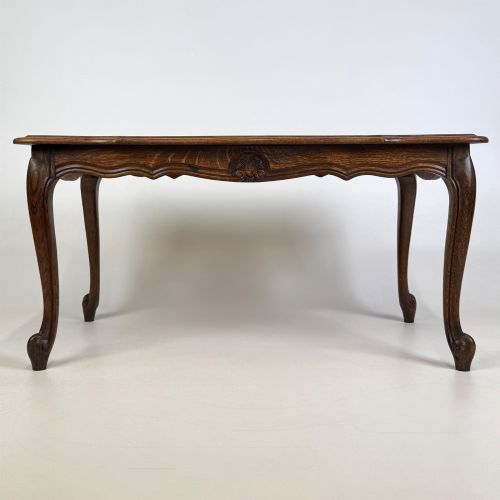
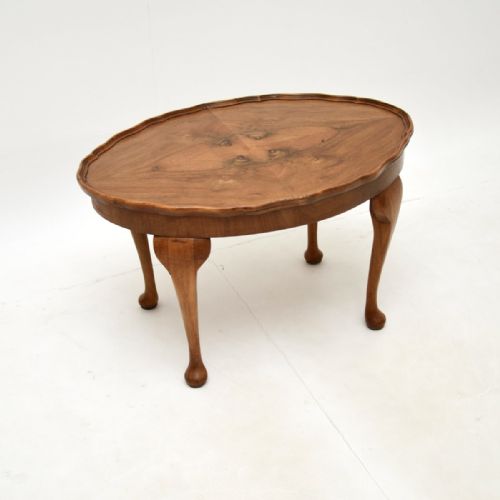
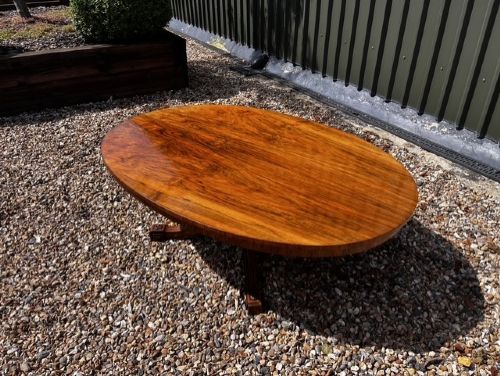
Brown Carved Coffee Table
These brown carved coffee table examples bring rich timber surfaces and low proportions to a room, offering both history and utility.
Brown Carved Coffee Table
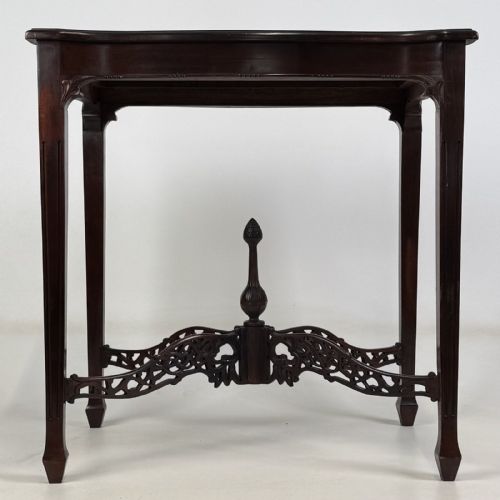
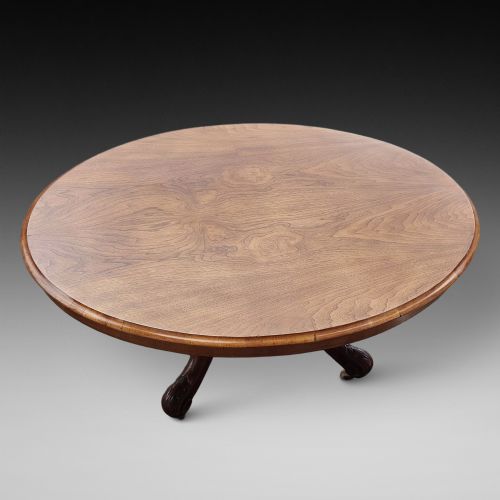
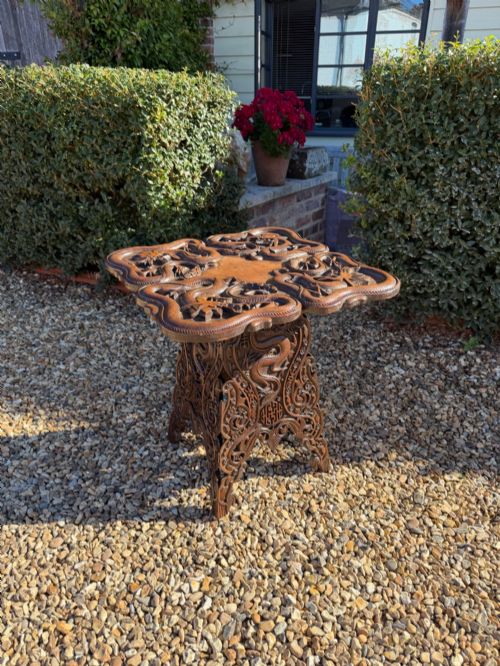
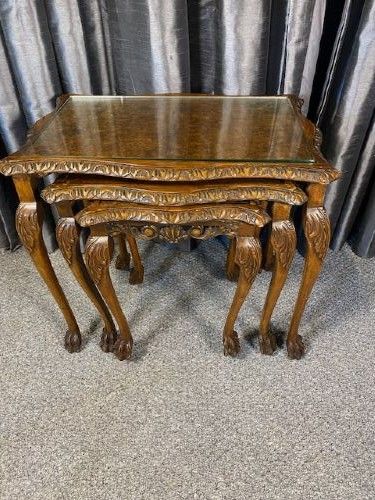
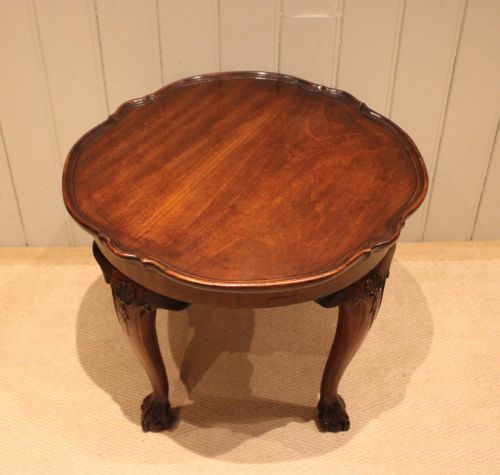
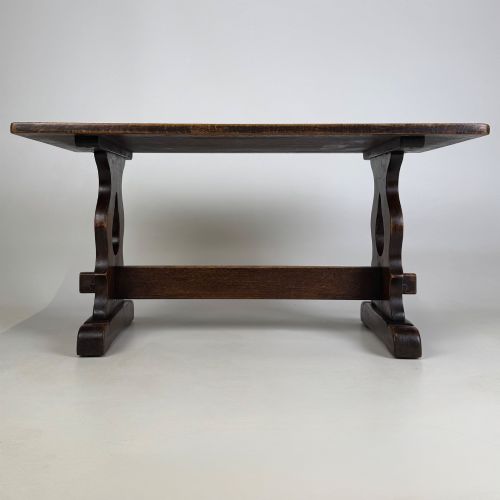
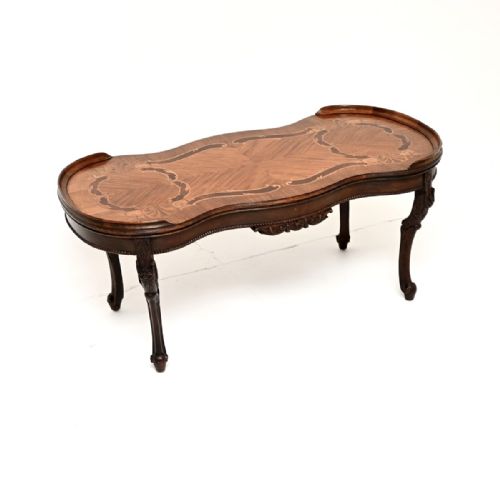
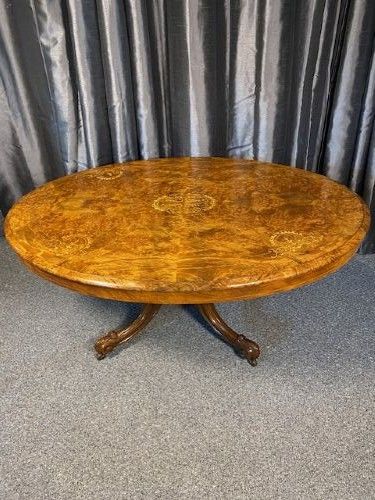
A brown carved coffee table brings low, substantial timber surfaces into a modern room, often originating as taller Victorian, Edwardian or nineteenth century occasional tables adapted for contemporary living. You will frequently encounter walnut, burr walnut and oak pieces displaying elaborate carving, turned legs or marquetry.
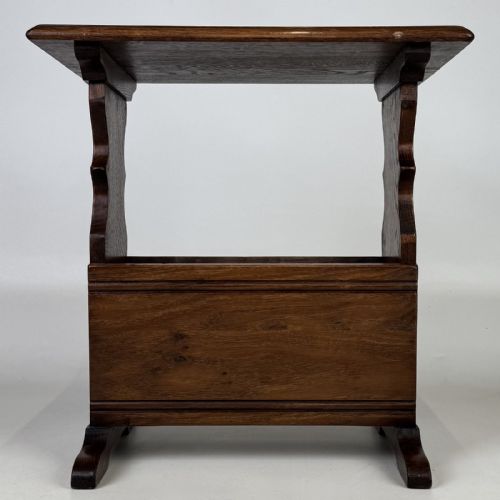
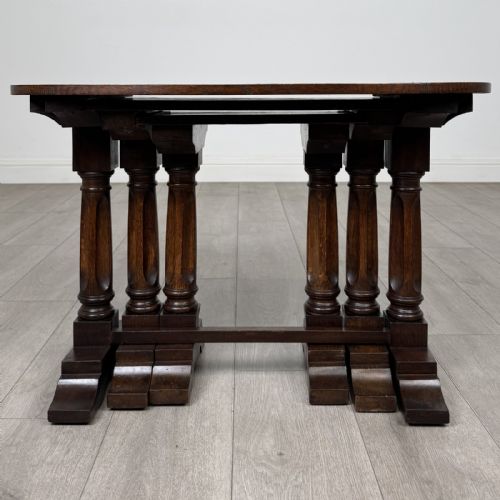
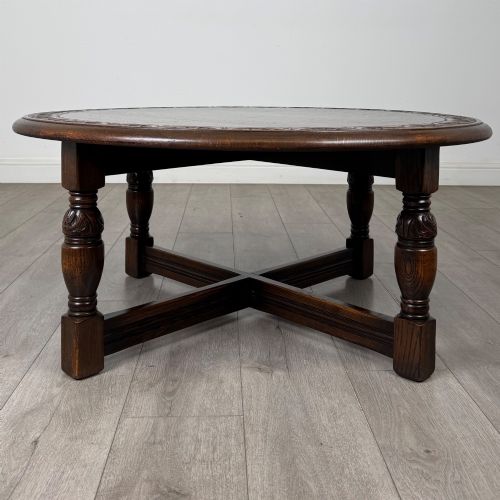
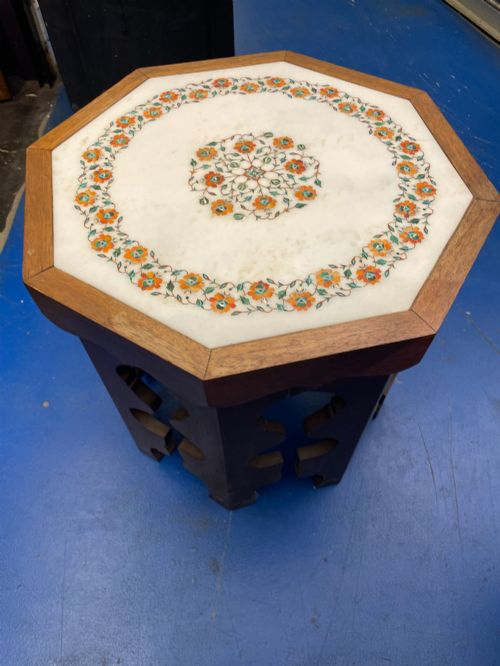
The selection ranges from Victorian walnut tables and Edwardian oak designs to regional forms like Chinese opium tables and Indian hardwood tables. Many pieces combine classic European revival styles with exotic woods, brass inlays and mother of pearl detailing.
Lower occasional tables, side tables and low coffee tables dominate the selection, spanning periods from the mid nineteenth century through to the early twentieth century. Buyers select these items to anchor a sitting room with authentic period grain and hand worked detail.
Materials and construction
Cabinet makers utilised dense domestic timbers such as oak, mahogany and walnut, frequently selecting highly figured burr walnut for decorative surfaces. These woods provided the structural integrity needed for sturdy tables while offering rich, varied grain patterns.
Surfaces often feature intricate techniques including hand carving, marquetry inlays, boxwood stringing and mother of pearl embellishments. Master craftsmen joined solid planks and frames using traditional joinery, occasionally incorporating brass elements or glass tops.
Materials across the inventory include mahogany, elm, brass, boxwood, and French chestnut alongside traditional hardwoods.
Assessing craftsmanship
Quality rests in the selection of the timber and the crispness of the hand carving, where superior examples exhibit deep, clean relief work and beautifully matched burr walnut veneers. Lesser pieces rely on simpler construction with plain timber and minimal surface enrichment.
The integrity of the structural joints and the subtlety of decorative details, such as inlaid marquetry or brass work, separate standard production from exceptional cabinet making. Makers who invested time in finishing the undersides and secondary woods typically produced pieces of enduring stability.
Holland & Sons·Liberty of London
The Brown Carved Coffee Table Glossary
- Burr walnut
- A prized timber harvested from the wart-like growths on walnut trees, yielding swirling, highly decorative grain patterns. Cabinet makers utilised these veneers on top surfaces to create striking visual movement.
- Marquetry
- The art of applying small pieces of veneer to a structure to form decorative patterns and pictures. Craftsmen used contrasting woods like boxwood and mahogany to achieve depth and detail.
- Opium table
- A traditional low Chinese table originally designed for resting upon while smoking or socialising. These low forms translate well into modern coffee table heights.
- Occasional table
- A small, movable table designed for a specific, sporadic use rather than primary dining or writing. Victorian and Edwardian makers produced these in numerous shapes, from round to octagonal.
- Jacobean Revival
- A nineteenth century style emulating the heavy, rectilinear furniture of the seventeenth century. Pieces in this style typically feature dark oak, turned legs and geometric carved panels.
Brown Carved Coffee Table: Frequently Asked Questions
What is a brown carved coffee table?
A brown carved coffee table is a low timber table featuring hand carved details, spanning Victorian, Edwardian and earlier nineteenth century periods. Many of these pieces began life as taller occasional or side tables before being adapted to coffee table height.
They serve as practical centrepieces in living spaces, combining historical woodworking techniques with rich natural grain patterns like walnut and oak.
How do I date a wooden coffee table?
Dating relies on examining the timber species, construction methods, and characteristic stylistic details of the period. Victorian and Edwardian pieces often display distinct revival motifs, such as Jacobean turning or Queen Anne cabriole legs.
Makers' stamps, brass hardware, and the type of veneer used also help narrow down the decade of manufacture.
Are these tables sturdy enough for daily use?
Period timber tables were built by skilled cabinet makers using dense hardwoods like oak, mahogany and walnut. Their solid construction makes them well suited for everyday domestic environments.
Routine care and sensible handling of antique surfaces ensure these tables withstand regular modern usage without losing their structural integrity.
How do I care for burr walnut and oak?
Maintaining these timbers involves keeping them away from direct heat sources and strong sunlight to prevent the wood from drying out. Regular dusting with a soft, dry cloth preserves the finish.
Occasional application of appropriate wax feeds the grain and protects the polished surface without building up residue.