


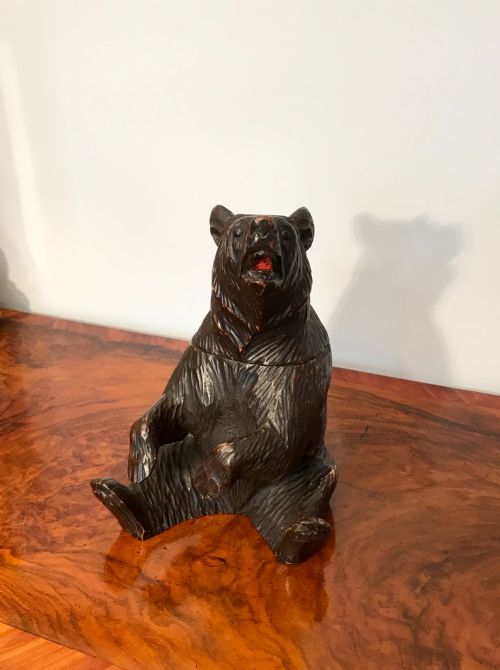
Brown Carved Bear Statue
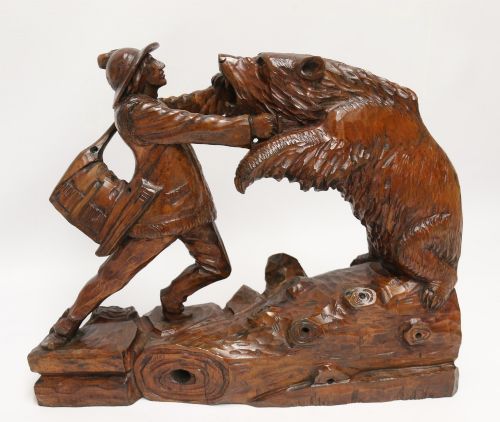
A brown carved bear statue brings the fierce texture of the forest indoors, offering the charm of nineteenth-century folk artistry.
Brown Carved Bear Statue
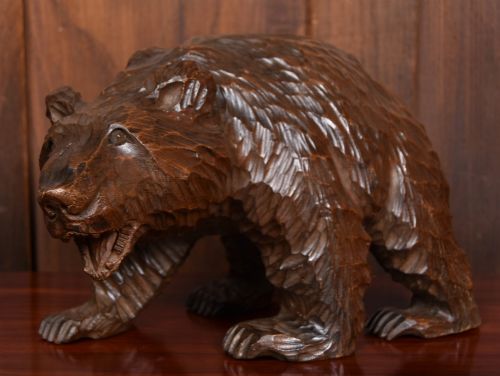
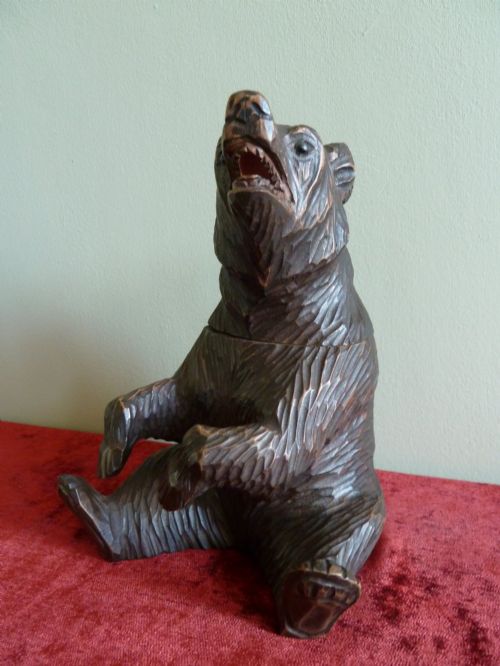
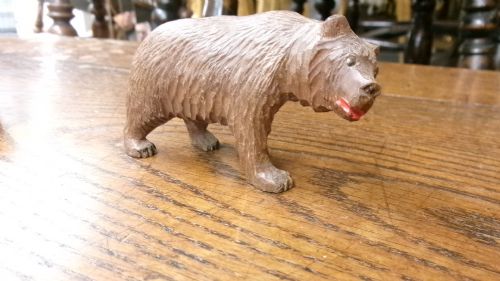
A brown carved bear statue encompasses European Black Forest animal carvings, Swiss folk art, and Japanese Kibori Kuma sculptures. These figures range from small desk ornaments to larger floor lamps and tobacco holders.
The pieces appearing most frequently on this page stem from the nineteenth century, including the Victorian era and the year nineteen hundred. European Black Forest workshops dominate the selection alongside traditional Japanese wood carvings.
Makers shaped these brown carved bear statue forms using dense timbers like linden wood, walnut, and general hardwood. Buyers encounter solitary walking bears, miniature figure groups, and functional household objects integrated with animal figures.
How they were made
Carvers employed traditional hand tools to shape blocks of linden wood and walnut into realistic animal forms. Artisans highlighted natural fur textures using precise chiselling strokes and gouges.
Makers occasionally added contrasting elements such as glass inset eyes and metal hardware for tobacco holders or lamp fixtures. Wax finishes were applied to protect the timber and deepen the tone of the brown carved bear statue grain.
What varies in quality
The distinction between ordinary and superior pieces lies in the anatomical accuracy and depth of the wood carving. Master carvers captured tension in the limbs and realistic expressions rather than stiff or generic outlines.
Scale and complexity also define the upper tier, seen in multi-figure groups or integrated functional items like lamps and jars. The choice of timber, whether fine linden wood or rich walnut, influences the clarity of the finished details.
The Brown Carved Bear Statue Glossary
- Black Forest
- A regional style of wood carving originating in Central Europe during the nineteenth century. This tradition is famous for realistic depictions of bears and forest fauna.
- Kibori Kuma
- A style of Japanese wood-carved bear originating from Hokkaido folk art traditions. These pieces often feature bold chisel marks and expressive stances.
- Linden wood
- A pale, fine-grained timber favoured by carvers for its even texture and ease of shaping. It allows for intricate detail without splitting.
- Figure group
- A sculptural composition featuring multiple figures interacting within a single carved scene. These arrangements increase the complexity of the piece.
Brown Carved Bear Statue: Frequently Asked Questions
Where were these bear statues made?
The pieces originate primarily from European workshops in the Black Forest region and from Japanese folk art traditions. Artisans in these areas produced animal carvings during the nineteenth and early twentieth centuries.
European examples often served decorative or functional purposes in homes, while Japanese pieces reflect regional carving traditions from Hokkaido.
How do I date a carved bear?
Dating relies on stylistic markers, materials, and associated period characteristics like Victorian or Edwardian craftsmanship. Nineteenth-century examples often display hand-carved textures and specific timber choices.
Examining the eyes, hardware, and surface finish helps narrow down the era of manufacture within the broader nineteenth and early twentieth-century timeline.
What wood was used?
Carvers utilised local timbers suited to detailed work, predominantly linden wood and walnut. Other pieces simply record general hardwood.
Linden wood provided a soft, even medium for intricate fur details, while walnut offered a darker, richer tone for larger sculptures.
How should I clean a wooden bear?
Dust the surface gently with a dry, soft cloth to prevent buildup in the carved recesses of the fur. Avoid harsh chemical cleaners or excess moisture that could damage the antique timber.
Preserving the original wax finish maintains the natural sheen and protects the wood over time.