


Brown Canvas Portrait
A brown canvas portrait brings the quiet depth of centuries past into a room, recording faces and subjects in oils upon woven fabric.
Brown Canvas Portrait
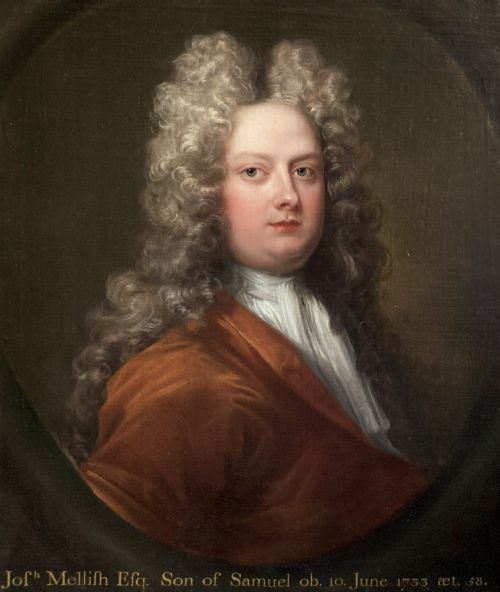
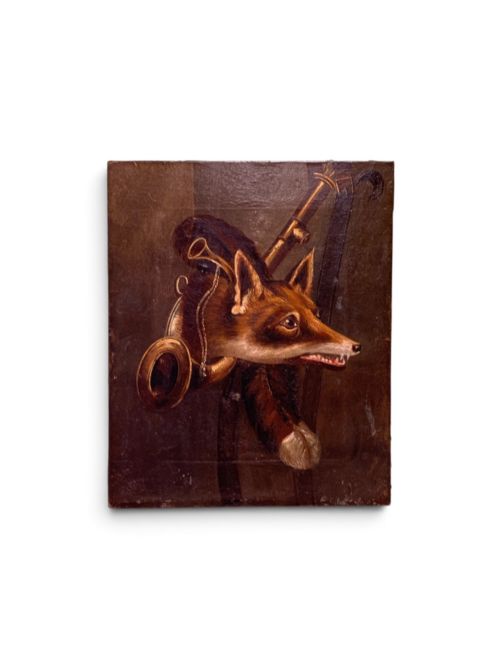
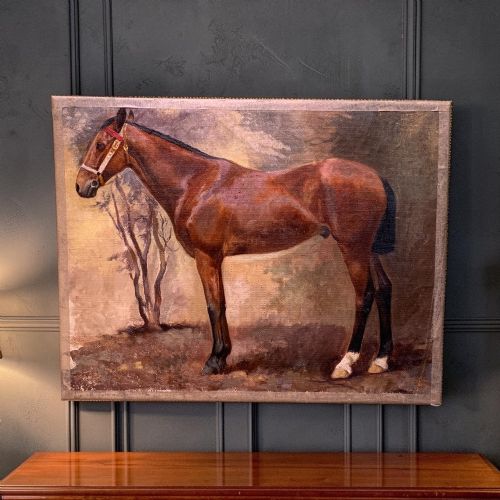
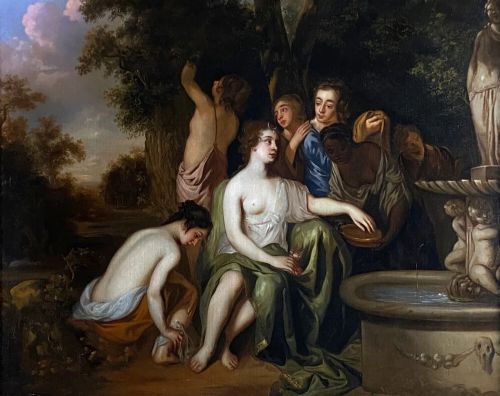
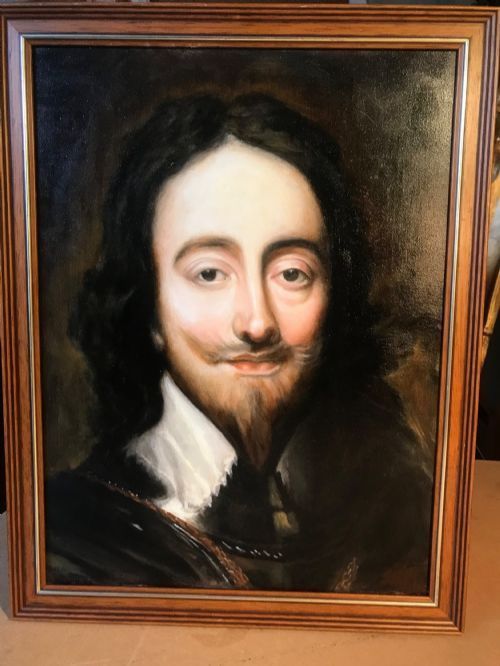
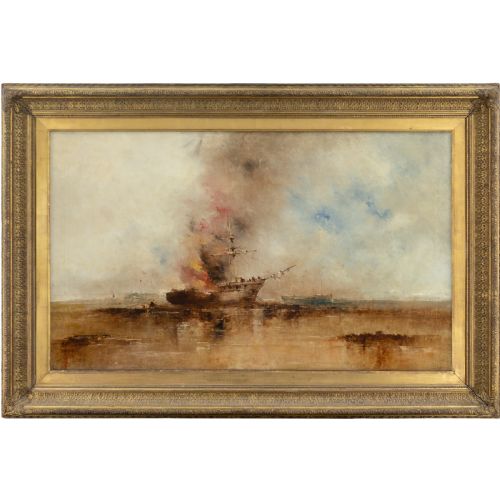
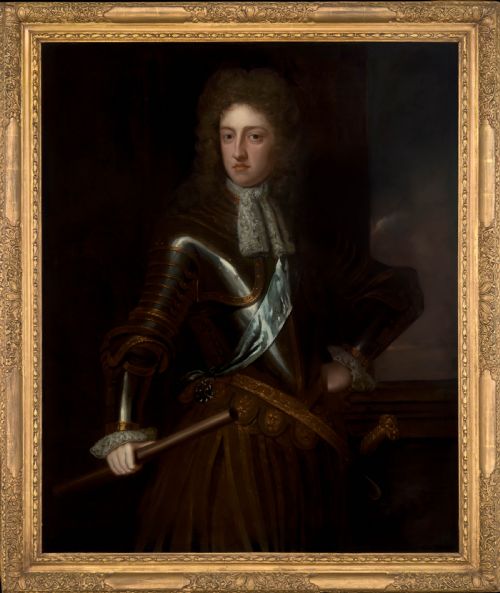
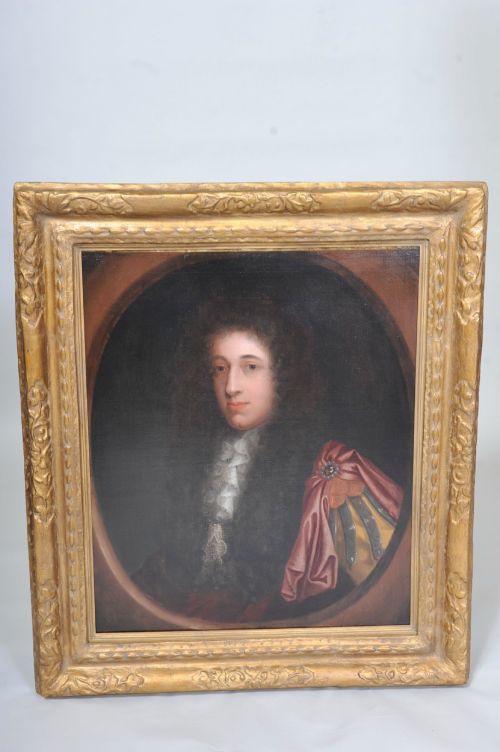
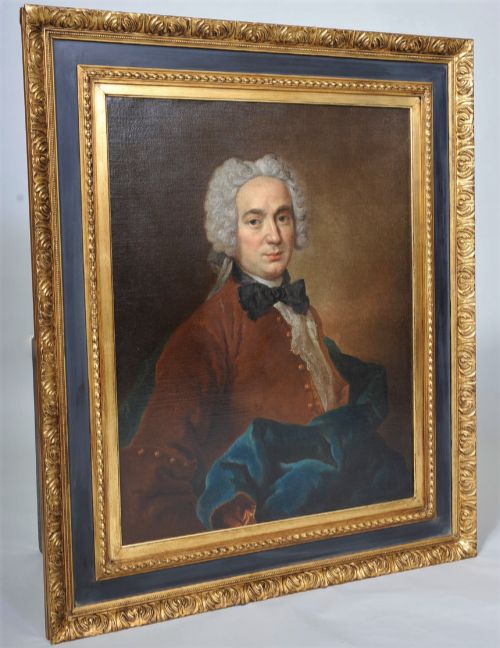
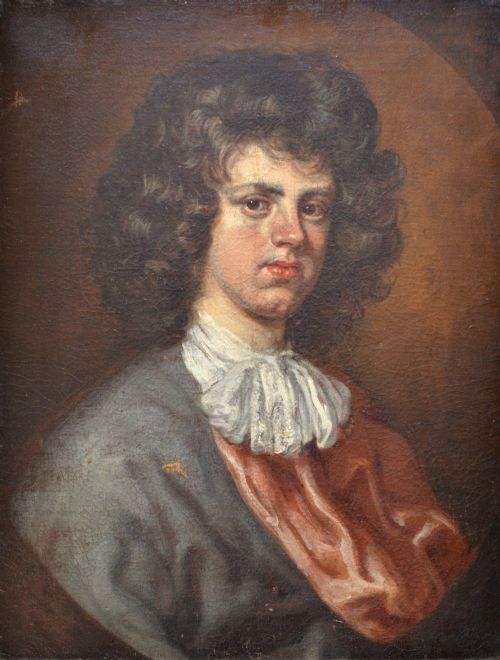
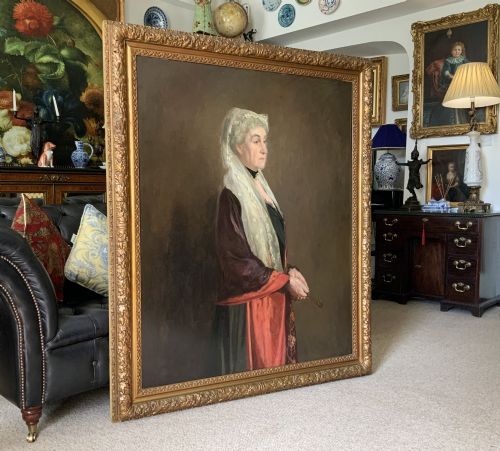
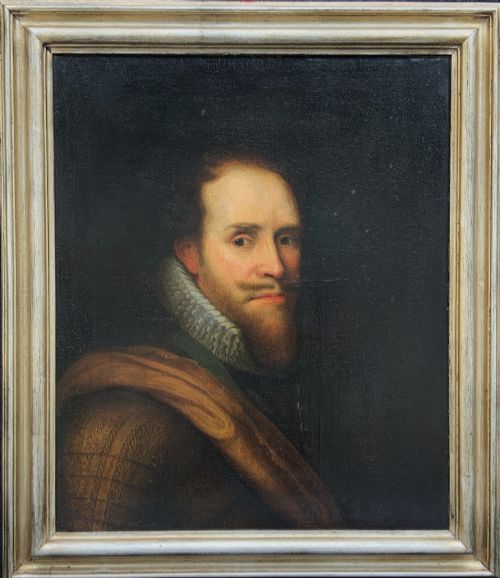
A brown canvas portrait gathers historic oil paintings on textile supports, ranging from solemn seventeenth-century depictions of gentlemen to nineteenth-century studies and sporting works. These pieces reflect historical periods such as the Georgian and Victorian eras, alongside seventeenth-century Dutch and British schools.
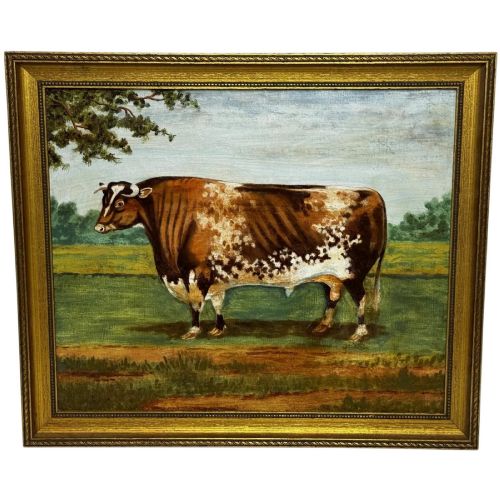
The version most commonly encountered on this page is an oil painting on canvas from the seventeenth or nineteenth century, often showing a half-length figure or an animal subject against a darkened background. Such works capture individual likenesses and cultural history through traditional mediums.
Materials and technique
Makers built these works using oil paint applied to stretched canvas, sometimes supported by wood or framed in giltwood and gold leaf. The combination of pigment and oil allowed artists to build rich tones and subtle shadows over woven supports.
Framing often involved carved wooden mouldings finished with gold leaf or gilt wood, which provided both structural support and visual weight to the painted surface.
Brown Canvas Portrait Retail Price Guide 2026
Typical asking prices for brown canvas portrait among the pieces listed under this phrase on Sellingantiques today, from the lower quarter to the upper quarter. They describe what is for sale here now, not the wider market.
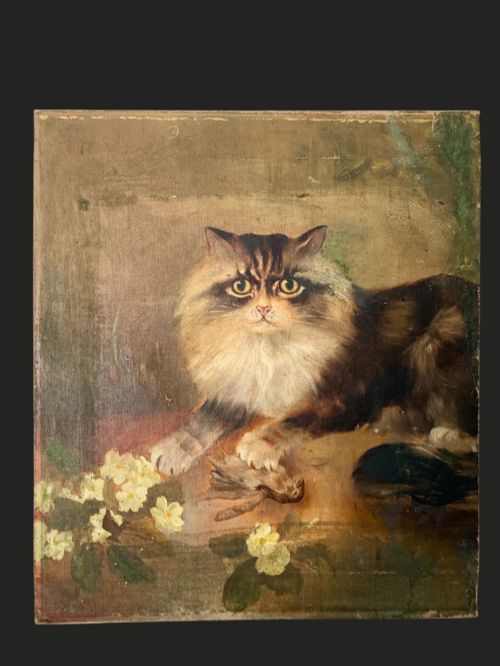
Cats, racehorses, and prize bulls occasionally share wall space with stately judges and nobility, proving that historic sitters loved their animals just as much.
Evaluating execution and condition
The integrity of the canvas and the stability of the oil layers further distinguish finer pieces, as does the quality of the associated period framing.
Charles Jervas·Sir Peter Lely·Valentine T. Garland·Sir Godfrey Kneller·Mary Beale·John Scougall·Edouard Pingret·Samuel De Wilde·John Greenhill·Albert Clark·John Closterman·Howard Helmick·Margaret Sarah Carpenter·Guillaume Courtois·John Bisbrowne
The Brown Canvas Portrait Glossary
- Canvas
- A heavy woven fabric used as a support for oil paintings. It is typically stretched over a wooden frame before painting begins.
- Oil paint
- A slow-drying medium made by combining pigments with drying oils such as linseed. This technique allows for smooth blending and deep colour saturation.
- Giltwood
- Wood that has been coated with a thin layer of gold leaf or gold paint. It is commonly found on antique picture frames.
- Circle of
- A term used to describe a work produced by an unidentified artist working closely alongside a known master during the same period.
- Naive school
- A classification for art created by self-taught painters who often bypass traditional rules of perspective and proportion in favour of direct expression.
Brown Canvas Portrait: Frequently Asked Questions
How do I date an old canvas portrait?
Dating relies on stylistic clues such as costume, hair styling, and framing methods, alongside any visible inscriptions or stretcher construction.
Examining the canvas weave and the ageing of the oil paint provides further context for the period of creation.
What is the difference between a portrait and a genre painting?
A portrait specifically records the likeness of a real individual, often commissioned to commemorate status or lineage.
Genre paintings depict scenes of everyday life and anonymous figures rather than specific historical or portrait subjects.
How should I care for an oil painting on canvas?
Keep the artwork away from direct sunlight and areas subject to sharp changes in temperature and humidity.
Dust the surface gently with a soft, dry brush and avoid using any liquid cleaners on the paint or canvas.
Why do many early portraits feature dark backgrounds?
Dark backgrounds were utilised by historic painters to create strong contrast and draw focus towards the illuminated face and clothing of the subject.
Over the centuries, certain pigments and varnishes can also darken naturally, deepening these shadows further.