



Brown Canvas Marine Painting
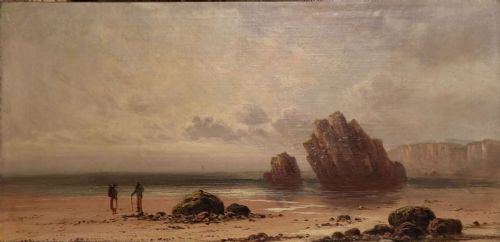
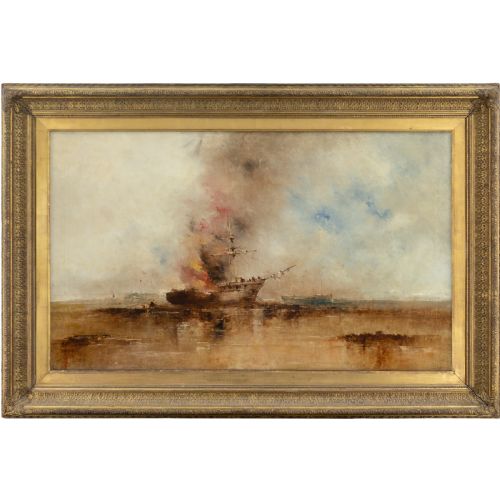
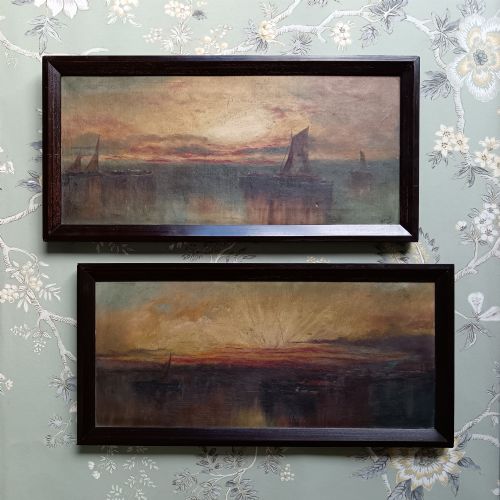
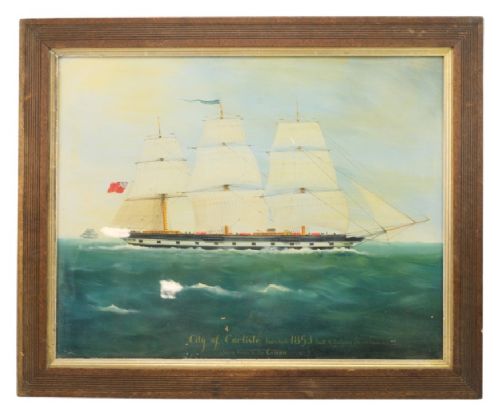
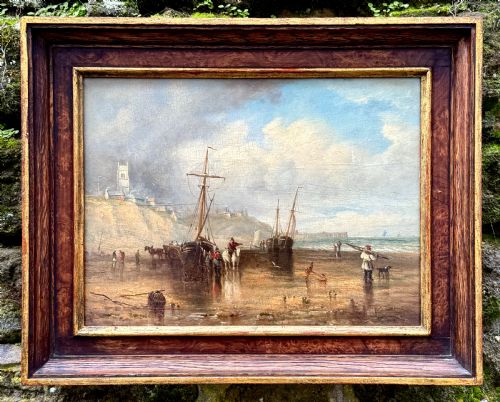
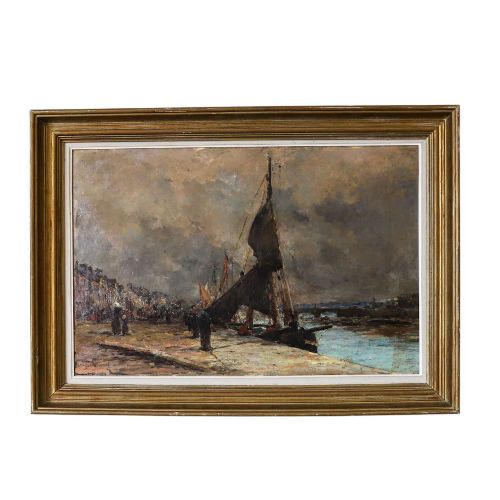
When you search for a brown canvas marine painting, you are looking at coastal scenes, ships, and harbours rendered in oils.
Brown Canvas Marine Painting
When you search for a brown canvas marine painting, you encounter works spanning the eighteenth to the mid-twentieth centuries, reflecting changing approaches to maritime subjects. The brown canvas marine painting on this page typically appears as an oil on canvas or oil on board depicting coastal views, harbour scenes, and vessels at sea.
The material ground often shows warm, earthy priming layers that influence the overall tone of the finished work, characteristic of Victorian and nineteenth-century painting methods. These pieces range from detailed depictions of naval engagements and commercial shipping to atmospheric estuary and beach scenes.
Makers represented include named British and European artists working within Victorian Maritime, Post-Impressionism, and British Impressionism styles. You will find both signed compositions by known painters and pieces attributed to broader periods such as the nineteenth century or Edwardian era.
How they were made
Canvas serves as the primary support, stretched over wooden frames and frequently prepared with dark or warm grounds that impart a subdued brown undertone to the composition. Artists applied oil paint in varying thicknesses, from thin glazes that let the warm ground show through to heavier impasto on water and sails.
Gilt wooden frames frequently house these paintings, complementing the dark maritime palettes with ornate or simple gilded mouldings. The combination of oil paint, canvas, and wood defines the physical construction across the selection.
Several canvases manage to capture the exact stubborn tilt of a Newfoundland dog standing by the shore.
What varies in quality
The handling of light and atmospheric depth distinguishes accomplished works from simpler decorative pieces, particularly in the rendering of shifting sea and sky conditions. Mastery of maritime architecture, rigging, and coastal topography separates observation-based works from formulaic studio productions.
Surface preservation, the stability of the oil paint layer upon the canvas, and the retention of period gilt frames contribute to the overall integrity of an individual painting.
Kenneth Cozens·William McAlpine·B. Nash·Thomas Creswick·Gustave De Bréanski·Edward Henry Eugene Fletcher·T.S. Wallis·George Henry Knight·John Callow·Owen Bowen·Paul Jean Clays·J Wilson·Ludwig Hermann·Johan Jens Neumann
The Brown Canvas Marine Painting Glossary
- Canvas
- A heavy woven fabric used as a surface for oil painting. It is typically stretched over a wooden frame before priming.
- Oil Paint
- A slow-drying paint made by combining pigment particles with a drying oil such as linseed. It allows for rich blending and depth of colour.
- Ground
- The initial layer of material applied to a canvas or board before painting. A dark ground creates the characteristic brown undertone seen in many older works.
- Gilt
- A thin layer of gold leaf or gold paint applied to wooden frames. It adds a decorative metallic finish around the canvas.
- Impasto
- Paint applied thickly to a canvas so that the brush or knife marks remain visible. This technique adds tactile texture to waves and clouds.
Brown Canvas Marine Painting: Frequently Asked Questions
What periods do these paintings come from?
The works span from the eighteenth century through the Victorian era up to the mid-twentieth century. Many date from the nineteenth century and the Edwardian period.
Individual pieces reflect the artistic conventions of their specific decade, ranging from realistic naval scenes to impressionist coastal views.
How were these maritime scenes displayed originally?
These paintings were typically housed in wooden gilt frames designed to complement domestic interiors or public rooms. The frames enhance the visual depth of the darker canvas tones.
Today, they remain suited for wall display in traditional or contemporary settings alike.
Are most of these works signed by artists?
Several pieces bear the signatures of known painters such as Owen Bowen or Gustave De Bréanski. Other works are attributed to wider schools or recorded simply by period.
Signatures help place the canvas within a specific artist's known output and working decades.
What subjects besides ships appear in these works?
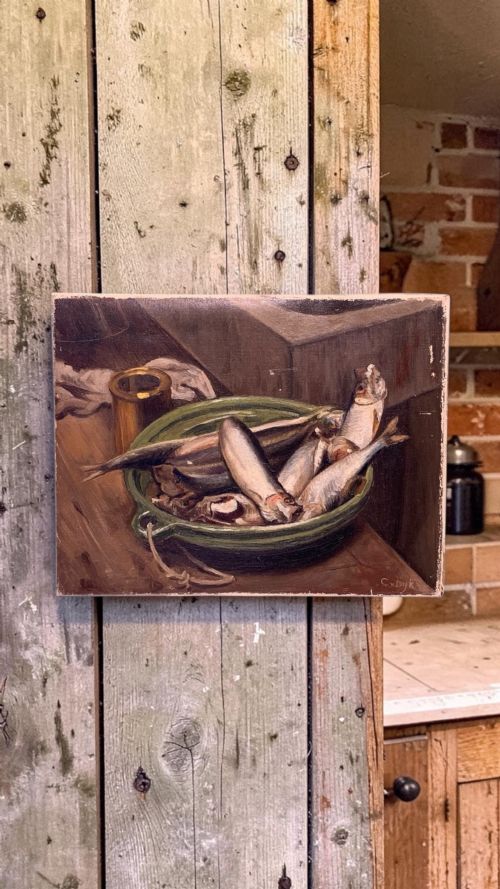
Alongside warships and trading vessels, the selections include coastal figures, beach scenes, lighthouses, and harbour towns. Estuary views and river barges also feature prominently.
These subjects document maritime commerce, coastal life, and changing shorelines across Britain and Europe.