
Brown Canvas Animal Painting
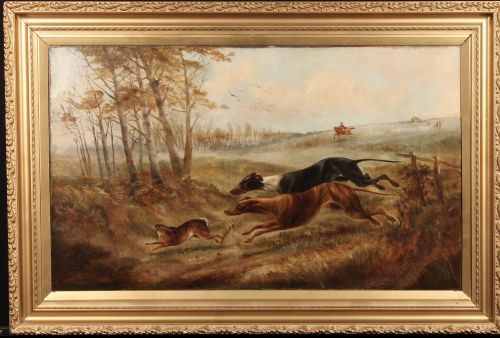
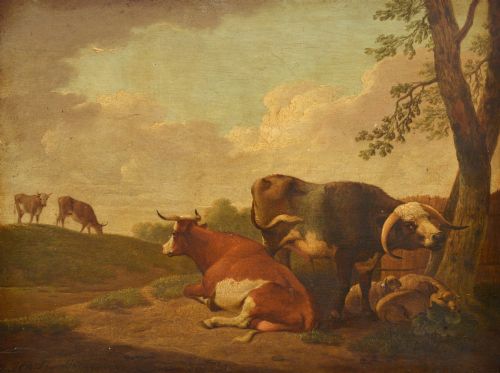
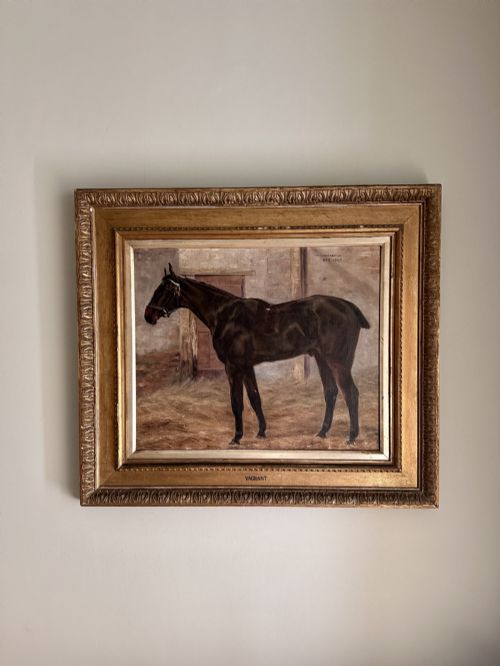
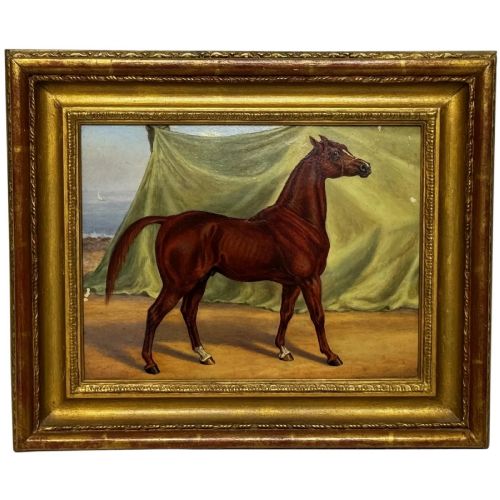
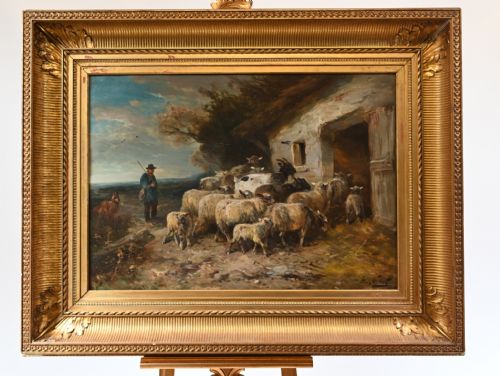
A brown canvas animal painting brings the presence of nineteenth-century hounds, cattle, and horses directly into a room.
Brown Canvas Animal Painting
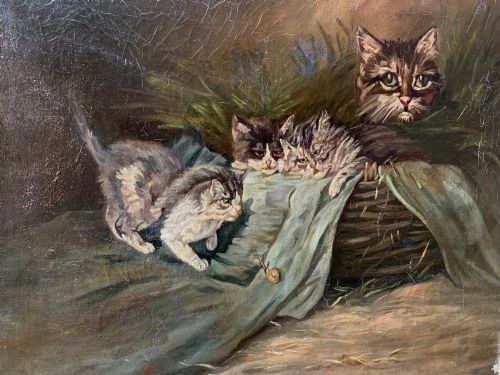
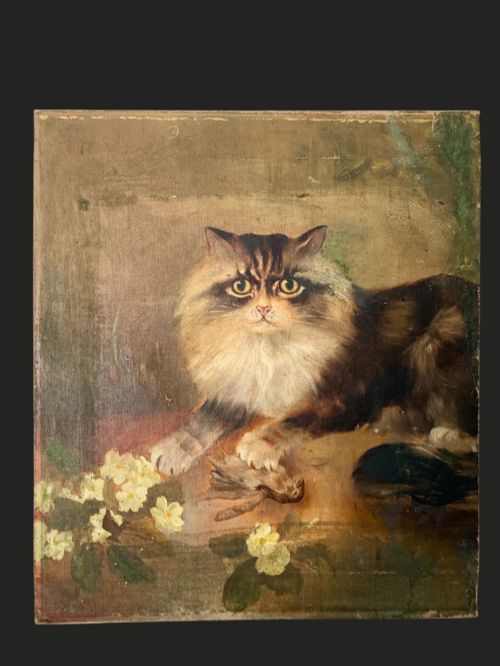
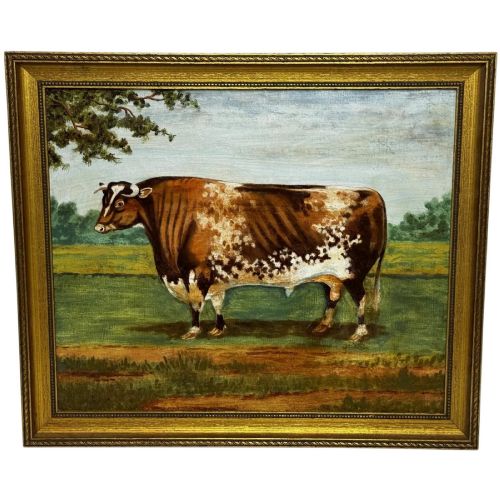
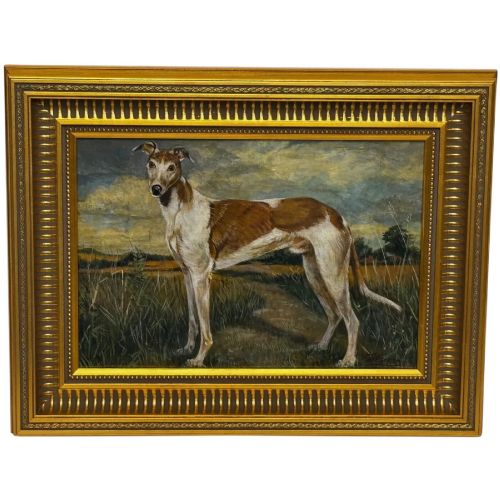
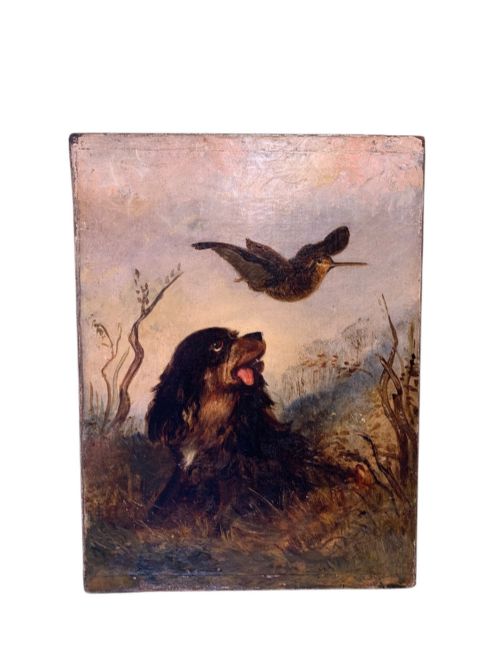
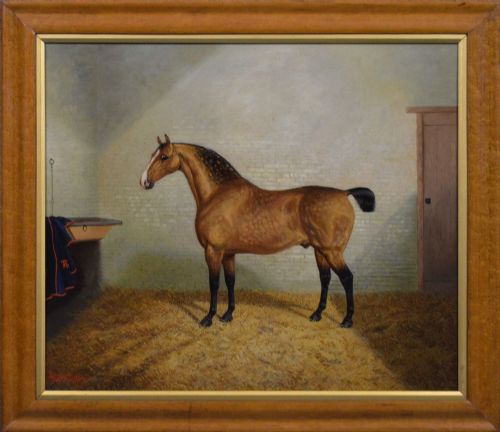
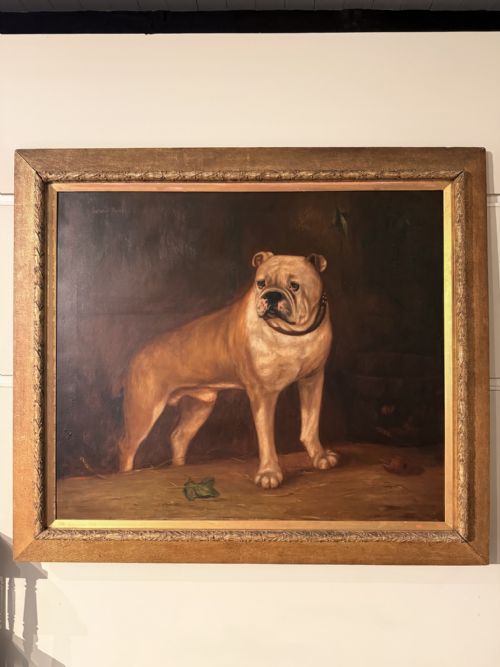
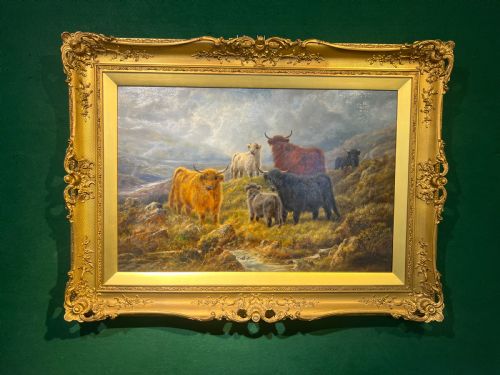
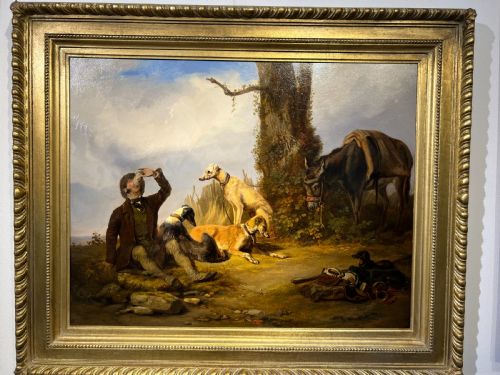
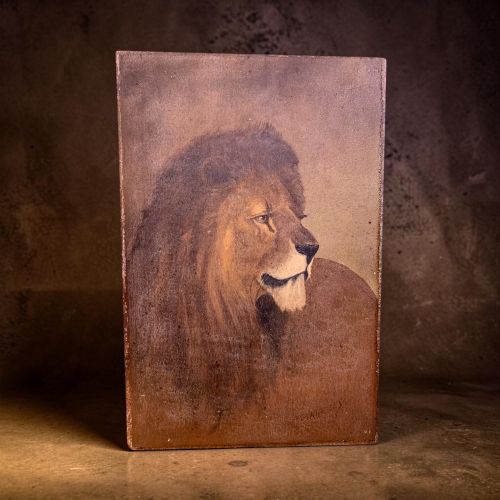
A brown canvas animal painting captures domestic livestock, working dogs, and wildlife across the Victorian and Edwardian eras. The most frequent examples on this page are oil paintings on canvas depicting horses, cattle, and dogs in pastoral or sporting landscapes.
Makers and schools range from naive folk art portraits to academic works by established animal artists. Works appear framed in wood or gilt wood, often reflecting British and continental European sporting traditions.
How they were made
These works utilise oil paint applied to woven canvas supports stretched over wooden frames. Pigments build up layers of earthy tones, particularly browns and greens, to render animal coats and landscape backgrounds.
Many surviving pieces retain their original or period wooden frames, occasionally highlighted with gold leaf or gilt finishes that complement the warm palette of the painted surface.
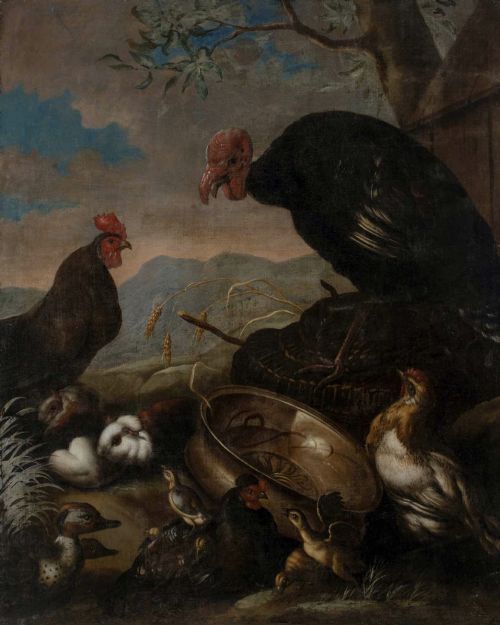
Several canvases swap human nobility for ducks, toads, and prize bulls ruling the landscape with absolute dignity.
What varies in quality
Quality rests upon the artist's command of anatomy, expression, and brushwork. Superior works capture the precise musculature of horses or the individual character of a dog, whereas simpler naive pieces rely on flat charm rather than realism.
The integration of the subject within its background also distinguishes the tier of execution. Finer canvases balance the lighting across both the animal and the landscape, whilst lesser examples treat the two elements as separate layers.
George Armfield·Angelo Maria Crivelli·Hendrik Willem Schweickhardt·Albert Clark·Robert Watson·Sir Edwin Henry Landseer·Fred Fitzpatrick·Henry Schouten·John Emms·LM Webb·Henry Robinson Hall·E H Windred·C W Tuck·Philipp Ferdinand de Hamilton·Samuel Joseph Clark·Marmaduke Cradock·Jacob Bogdani·Valentine Thomas Garland·Percival Glenfern·John Trivett Nettleship·John Frederick Herring·Samuel Spode·Fannie Moody
The Brown Canvas Animal Painting Glossary
- Oil paint
- A slow-drying medium made by mixing pigments with oils such as linseed. This allowed artists to achieve rich textures and subtle tonal gradations for animal fur.
- Canvas
- A heavy woven fabric used as a surface for painting. It provides the flexible yet durable base found across the vast majority of these historical works.
- Gilt wood
- Wood coated with a thin layer of gold leaf or metallic paint. Frames treated this way enhance the warm tones typical of nineteenth-century painting.
- Sporting art
- A genre dedicated to depicting horses, dogs, hunting, and shooting. It forms a substantial portion of the animal imagery recorded in these listings.
- Naive school
- Art created by individuals without formal academic training. These pieces often display a charming disregard for perspective in favour of direct, honest observation.
Brown Canvas Animal Painting: Frequently Asked Questions
How do I identify a Victorian animal painting?
Victorian animal paintings typically display realistic proportions combined with sentimental or dramatic narrative themes. Common subjects include working gundogs, prize livestock, and pets posed within detailed pastoral landscapes.
Framing often involves heavy moulded wood, sometimes with gilt finishes. Examining the canvas weave and the stretcher bars behind the painting helps confirm nineteenth-century age.
Where should I hang a large animal canvas?
These works suit dining rooms, libraries, or living spaces where traditional furniture provides a complementary backdrop. Their earthy brown palettes anchor darker wall colours effectively.
Keep them away from direct sunlight and damp walls to protect the oil paint and canvas from cracking or sagging over time.
What is naive folk art style?
Naive folk art describes pieces painted by artists without formal academy training. These works emphasise directness and character over strict anatomical accuracy or deep perspective.
Such portraits possess an unpretentious charm that appeals to collectors seeking rustic authenticity rather than high academic polish.