




Gilded Frame Dog Picture
A gilded frame dog picture brings the character of nineteenth century pastoral and sporting life directly onto your wall.
Gilded Frame Dog Picture
When you search for a gilded frame dog picture, you enter a rich tradition of nineteenth century animal art that captures hounds, terriers, and working dogs in oil or watercolour. The pieces available here range from intimate terrier portraits to spirited sporting scenes featuring greyhounds and retrievers.
Most examples originate from the Victorian and Edwardian eras, reflecting both romanticism and a growing appreciation for domestic and working animals. You will find works executed by noted Victorian painters as well as skillful copies after established masters.
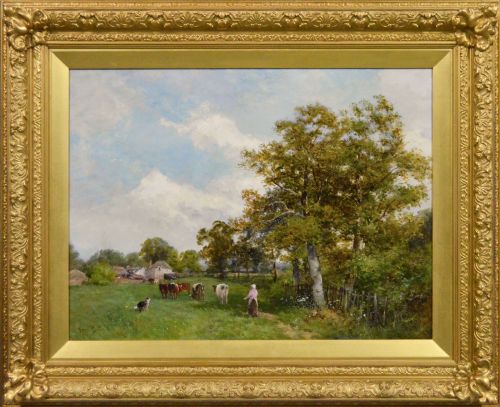
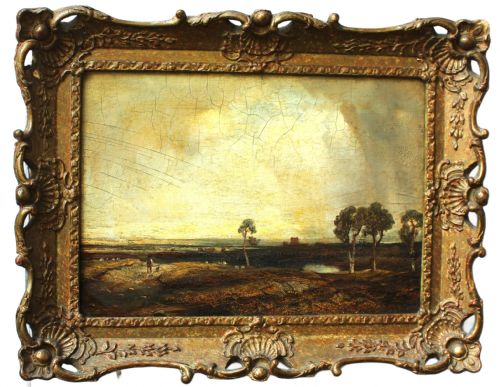
Framing is an integral part of these works, typically comprising ornate giltwood or gold leaf surrounds that complement the traditional subjects. These pieces serve as both historical documents of canine companionship and striking decorative elements for period or contemporary interiors.
Materials and construction
The physical objects combine traditional fine art painting surfaces with elaborate wooden framing finished in gold leaf. Artists worked primarily with oil on canvas or watercolour on paper, applying pigments to capture the texture of fur and the natural light of open landscapes.
The accompanying frames utilise carved wood foundations finished with gesso and gold leaf to create the characteristic gilded sheen. This combination of durable canvas or paper and robust wood framing has allowed these artworks to survive across the centuries.
Current listings demonstrate a strong presence of nineteenth century oil paintings and watercolours utilising canvas, wood, and gold leaf.
Factors of quality
Quality in these artworks rests upon the draughtsmanship of the animal anatomy and the expression captured in the subject's face. Superior examples demonstrate a confident handling of brushwork, particularly in rendering the texture of the coat and the vitality of the pose.
The execution of the surrounding landscape or interior setting also distinguishes finer pieces from simpler works. Furthermore, the originality and condition of the period giltwood frame contribute significantly to the overall integrity of the piece.
David Bates·Sir Edwin Landseer·Robert Cleminson·Frank Dadd·Thomas Blinks·Samuel Fulton·Charles Hunt Jnr
The Gilded Frame Dog Picture Glossary
- Giltwood
- Wood that has been coated with a thin layer of gold leaf or gold paint. This finish creates a bright reflective border that was standard for framing fine art in the nineteenth century.
- Oil on Canvas
- A painting medium where pigments are suspended in drying oils and applied to a stretched woven fabric. It allows for rich blending of colours and textured brushstrokes.
- Watercolour
- A painting method where paint is made of pigments suspended in a water soluble vehicle, typically applied to paper. It yields translucent washes of colour well suited to detailed sporting scenes.
- Sporting Art
- Depictions of hunting, shooting, fishing, and working animals. This genre became immensely popular during the Victorian period.
- Genre Painting
- The pictorial representation of scenes from everyday life, often featuring people and animals in cottages, farms, or landscapes.
Gilded Frame Dog Picture: Frequently Asked Questions
What periods do these dog pictures come from?
The pieces originate predominantly from the nineteenth century and the early twentieth century. This span includes the height of the Victorian era and the Edwardian period.
During these decades, animal portraiture and sporting art flourished among British artists and collectors.
How should I hang a gilded frame dog picture?
These works suit traditional spaces, libraries, or living rooms where period art can be appreciated at eye level. Ensure they are placed away from direct sunlight to protect the canvas pigments and the gold leaf.
Sturdy wall fixings are recommended given the substantial weight of traditional wood and gesso frames.
What dog breeds are commonly depicted?
The selections frequently feature working and sporting breeds such as terriers, greyhounds, retrievers, and spaniels. These animals reflect the rural and sporting pursuits popular during the Victorian era.
Artists also portrayed domestic pets and guard dogs within cottage and farmyard settings.