
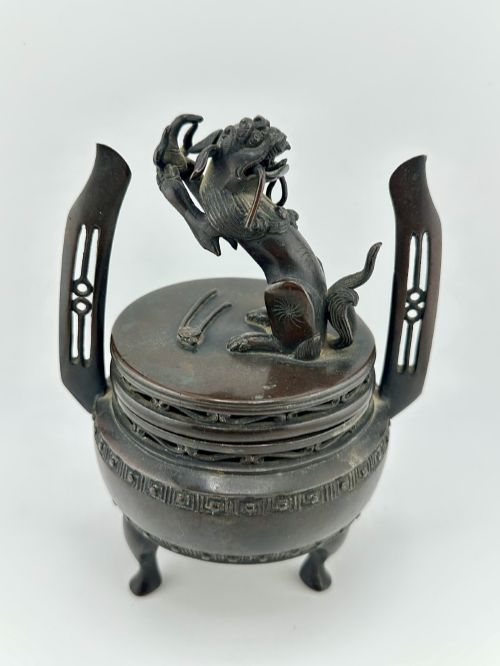
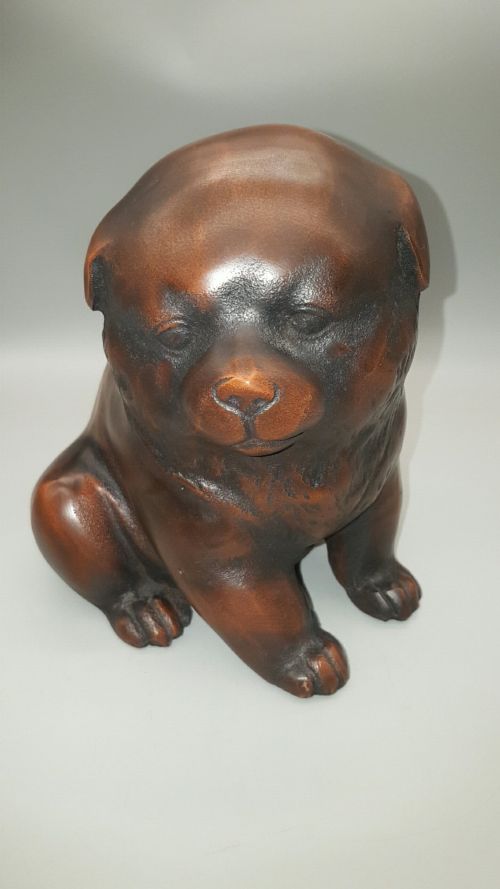
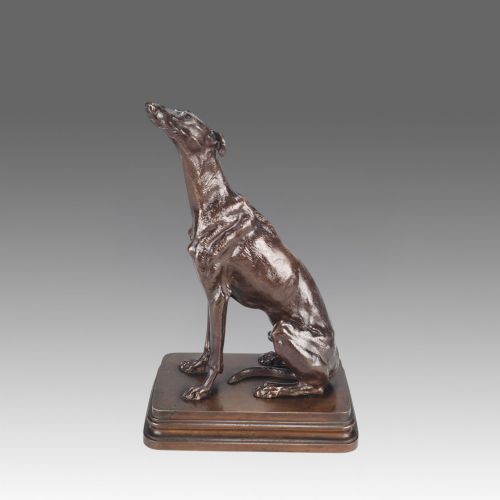
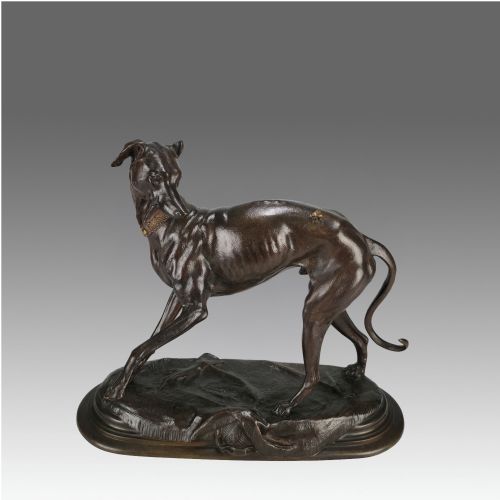




Brown Bronze Dog
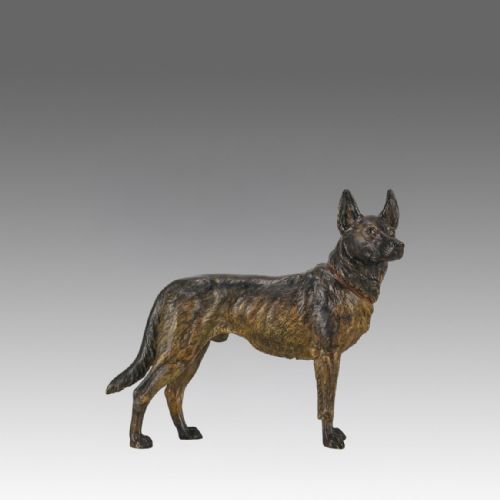
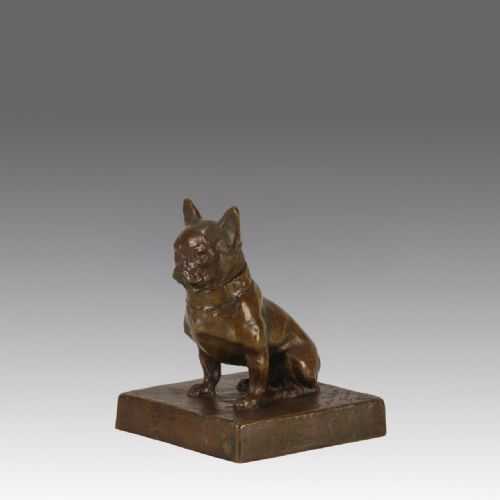
A brown bronze dog captures canine loyalty with weight and substance, spanning nineteenth-century animalier studies to Art Deco mantel accessories.
Brown Bronze Dog
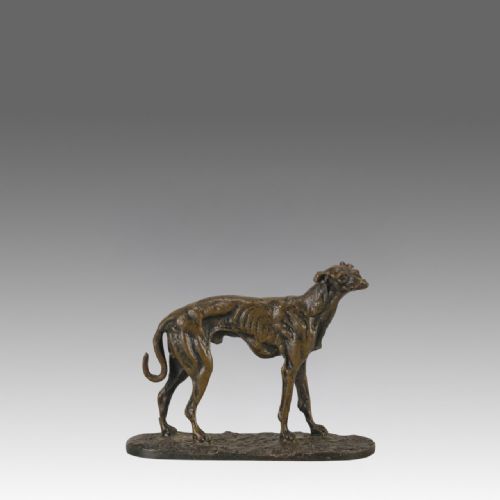
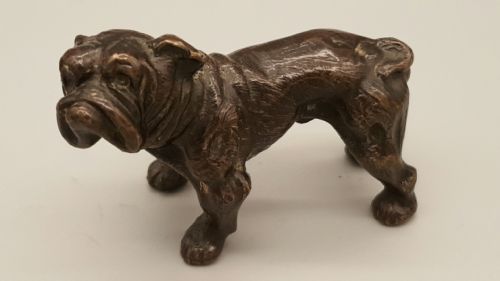
A brown bronze dog encompasses sculptural figures, bookends, inkwells, and clock sets originating from nineteenth-century and early twentieth-century workshops. The most frequent examples on this page are French and Viennese animalier bronzes depicting specific breeds such as greyhounds, terriers, pugs, and setters.
These pieces function as decorative table objects, mantel ornaments, and desk accessories rather than purely academic sculpture. Makers captured realistic canine postures, from alert hunting hounds to resting puppies, utilising patinated metal to render convincing coats and muscular forms.
Dating ranges from the Victorian era through the Edwardian period and into Art Deco design. Buyers encounter both signed foundry editions by noted animal sculptors and unsigned decorative castings intended for domestic interiors.
Materials and casting methods
Foundries cast these figures primarily in bronze using traditional methods, occasionally turning to cast iron or bronzed plaster for alternative decorative pieces. Molten metal filled moulds to capture fine details in fur, collars, and facial expressions.
Surfaces received applied patination to achieve various shades of brown, while specific Austrian works utilised cold-painted polychrome enamels over a bronze base. Bases often incorporated contrasting natural materials such as marble, onyx, or metal plates.
Subject matter ranges from working gundogs and terriers to playful pugs, spaniels, and Japanese puppies represented as bookends, clocks, and desk ornaments.
Judging cast quality and finish
Quality rests in the crispness of the chasing and the fidelity of the anatomical modelling. Superior castings retain sharp details in the fur and expression without softening from worn moulds.
The depth and preservation of the brown patina or cold-painted enamel define the surface integrity. Original patination shows natural wear over time rather than modern intervention or repainting.
Alfred Dubucand·Alfred Barye·Franz Bergman·Dora Heber·P J Mêne·Jules Moigniez·Alexandre Kelety·Arthur Waagen·Antoine Louis Barye·Edith Parsons·Louis Riche·Auguste Nicholas Cain
The Brown Bronze Dog Glossary
- Animalier
- A nineteenth-century artistic movement focused on the realistic depiction of animals. Sculptors in this tradition studied anatomy closely in menageries and veterinary settings.
- Cold-painted bronze
- A technique where pigment is applied to a cold metal object rather than fired in a kiln. This Austrian method is particularly associated with Viennese novelty figures.
- Patina
- The surface coloration and sheen developed through age or chemical treatment. In bronze sculpture, patination ranges from deep chocolate brown to metallic highlights.
- Lost-wax casting
- A traditional method where a model creates a mould for molten metal. Each cast requires a fresh wax layer, allowing for high detail.
- Okimono
- A Japanese decorative object intended for display on a shelf or cabinet. These sculptures often depict animals with naturalistic observation.
Brown Bronze Dog: Frequently Asked Questions
How do I clean an old bronze dog?
Dust gently with a soft dry cloth to protect the original surface. Avoid chemical polishes that strip away historic patination.
Applying occasional microcrystalline wax helps preserve exposed metal surfaces without altering the colour or finish.
Are these figures signed by artists?
Many sculptures carry foundry marks or artist signatures cast directly into the metal base or body. Signatures indicate professional production during the active period of the maker.
Unsigned domestic items remain common, representing commercial foundry production rather than named studio art.
What is cold-painted bronze?
Cold-painting involves applying natural pigments directly onto unheated bronze surfaces. This technique flourished in Austrian workshops during the early twentieth century.
Because the paint sits on the metal without kiln firing, handling can cause gradual surface loss over decades.
How can I tell a Victorian bronze from a later piece?
Nineteenth-century examples display heavier casting weight and darker, hand-finished patination developed through traditional foundry techniques. Stylistic cues such as classical bases also indicate age.
Twentieth-century iterations often reflect Art Deco geometry or simplified forms associated with later manufacturing standards.