
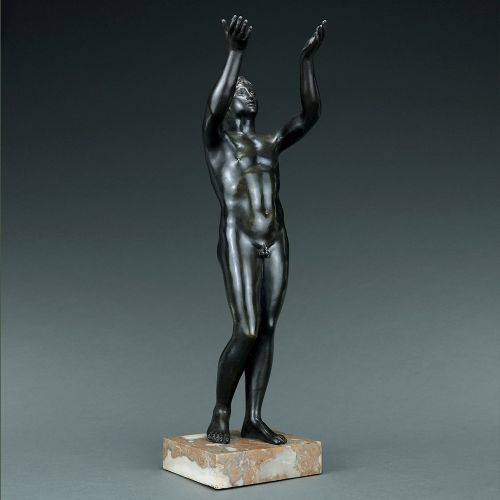
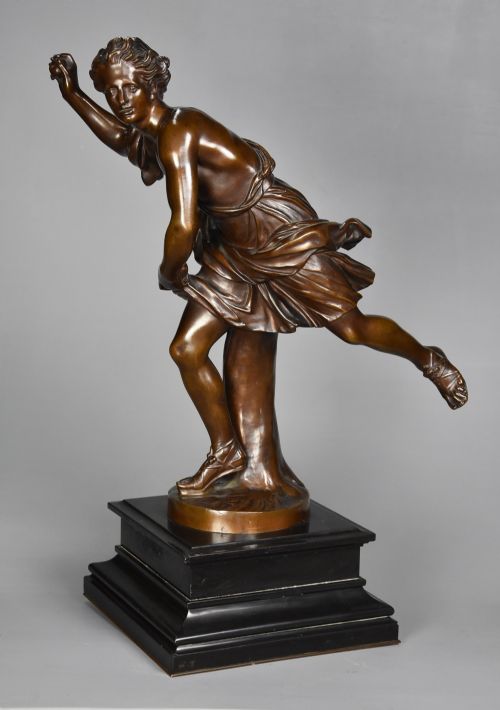
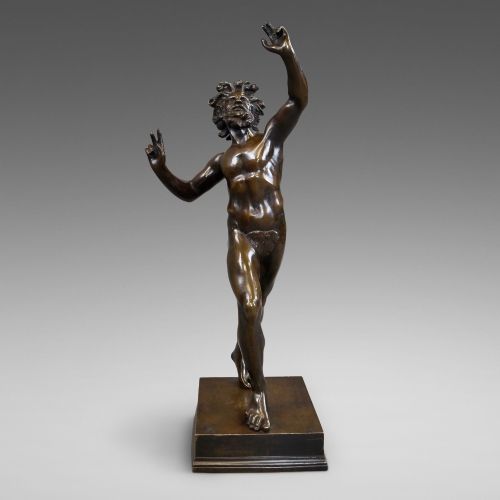
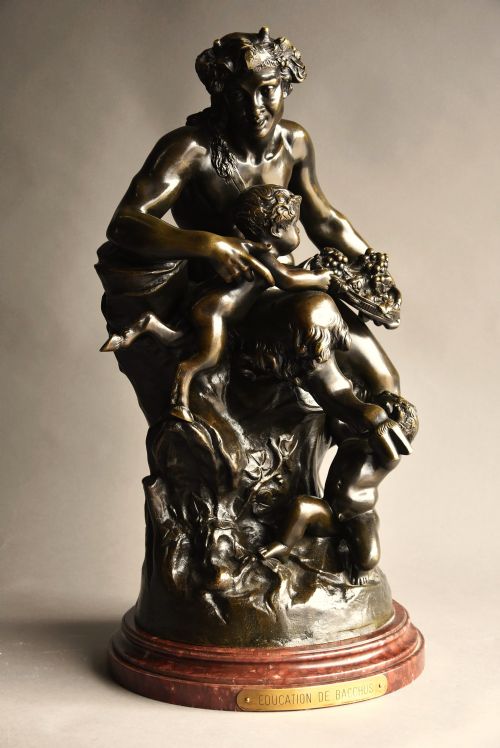




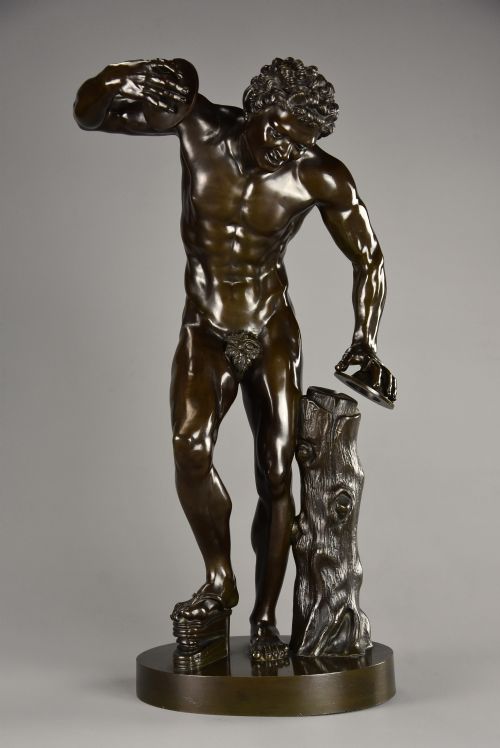


Brown Bronze Classical Sculpture
These pieces of brown bronze classical sculpture range from nineteenth-century Grand Tour souvenirs to French foundry works, bringing antiquity into domestic spaces.
Brown Bronze Classical Sculpture
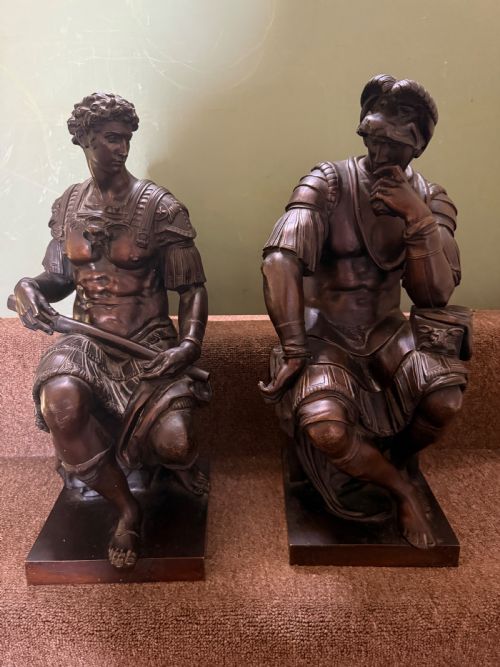
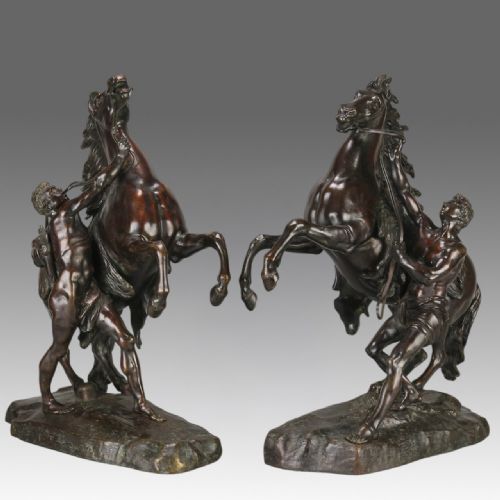
A brown bronze classical sculpture serves as a tangible link to ancient mythology, Renaissance masterpieces and historical figures, recast for nineteenth- and early twentieth-century interiors. The listings on this page draw heavily from nineteenth-century French ateliers, Italian Grand Tour souvenir workshops and later Art Deco interpretations.
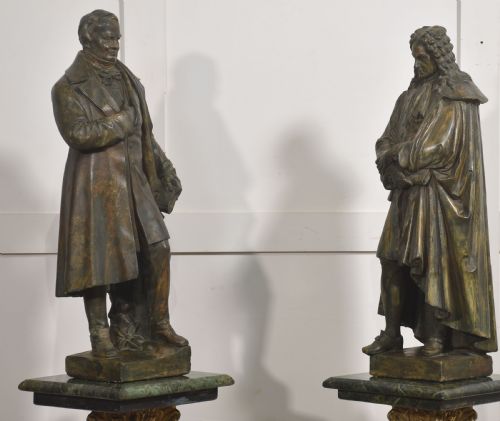
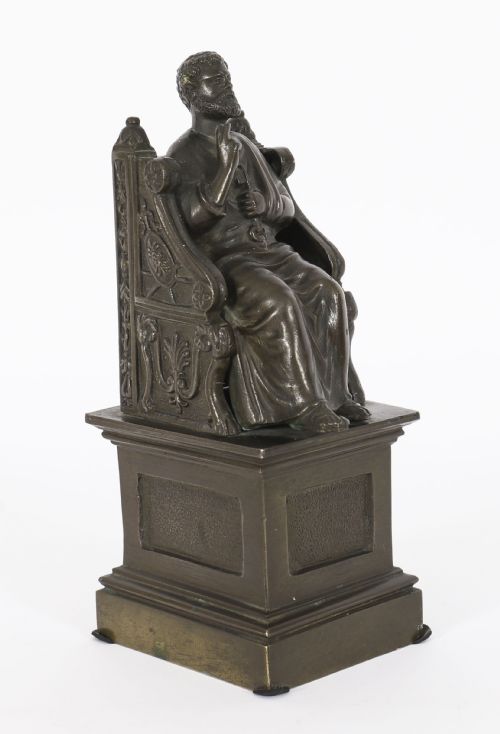
Most examples encountered here take the form of figures, groups, and busts cast after classical antiquities or Renaissance models. Subjects range from mythological figures such as the dancing faun, Venus and Mercury to allegorical groups and portraits resting on marble plinths or integrated into figural lamps.
Materials and casting methods
Foundries utilised traditional lost-wax or sand-casting techniques to shape molten metal into complex anatomical forms. Bronze compositions were then treated with chemical agents to achieve varying shades of brown patination, often complemented by marble plinths or stone bases.
Alternative materials appear alongside metal castings, including patinated chalk, terracotta, earthenware and plaster. These media allowed sculptors to capture fine surface detail in portrait busts and decorative figures before finishing them with paint or surface patinas.
Several classical bronzes share shelf space with a peacock, a piper, and a dancing frog.
Judging execution and finish
Superior examples distinguish themselves through the crispness of the chase work, where artisans manually refined the cast metal to articulate hair, drapery and musculature. Fine reduction and casting capture the spirit of the original antique model without losing anatomical proportion.
The depth and consistency of the brown patina contribute significantly to visual success, alongside the quality of any associated marble base or signature stamp. Foundry marks and signatures from recognised makers indicate a higher tier of workshop production.
Barbedienne·Emile Louis Picault·Louis Auguste Moreau·Hans Müller·G. Gardet
The Brown Bronze Classical Sculpture Glossary
- Grand Tour
- A nineteenth-century tradition where wealthy travellers collected bronze souvenirs in Italy after studying classical antiquities. These miniature or reduced-scale bronzes replicated famous statues found in Roman and Florentine museums.
- Patina
- The surface coloration and texture developed naturally over time or applied chemically by a foundry. In these bronzes, patination ranges from deep chocolate brown to greenish-brown tones.
- Lost-wax casting
- A method of metal casting where a molten metal is poured into a mould that has been created by means of a wax model. Once the wax is melted away, the bronze fills the cavity to create intricate sculptural details.
- Plinth
- A heavy block or base upon which a sculpture or bust stands. Many nineteenth-century bronze figures are secured directly to veined marble plinths to provide stability and visual weight.
Brown Bronze Classical Sculpture: Frequently Asked Questions
What is a Grand Tour bronze?
A Grand Tour bronze is a nineteenth-century souvenir purchased by travellers visiting archaeological sites and museums across Italy. These pieces replicated famous classical statues in reduced scale for display in European homes.
Such sculptures served as both educational ornaments and evidence of a classical education. They were typically cast in bronze and given a dark brown patinated finish to mimic ancient metalwork.
How do I care for a bronze sculpture?
Bronze requires minimal maintenance beyond occasional dusting with a soft, dry cloth. Avoid using liquid cleaners, polishes or abrasive materials that can strip away the original patination.
Keeping the piece away from direct sunlight and high humidity helps preserve the surface finish. A very light application of microcrystalline wax can protect the metal if handled frequently.
What is patination?
Patination is the coloration applied to the surface of a bronze sculpture through chemical treatments or heat. It creates the characteristic brown, black or greenish tones seen on historical metalwork.
The patina protects the underlying metal from active corrosion and defines the shadows and contours of the sculptural form. Variations in tone often indicate different foundry practices and periods.
Are these sculptures solid bronze?
Many figurative bronzes and larger groups were cast as hollow forms to save weight and metal while maintaining structural integrity. Thicker walls were utilised in areas requiring greater strength, such as ankles or supporting limbs.
Hollow casting was standard practice in major nineteenth-century foundries and does not diminish the quality or authenticity of the piece.