

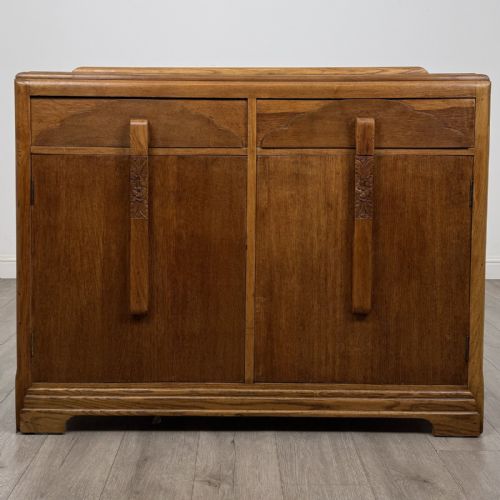
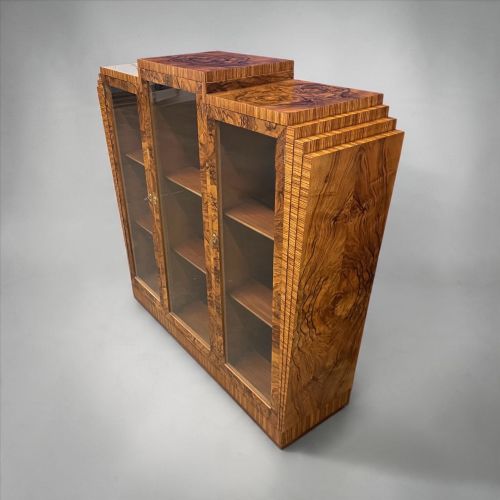
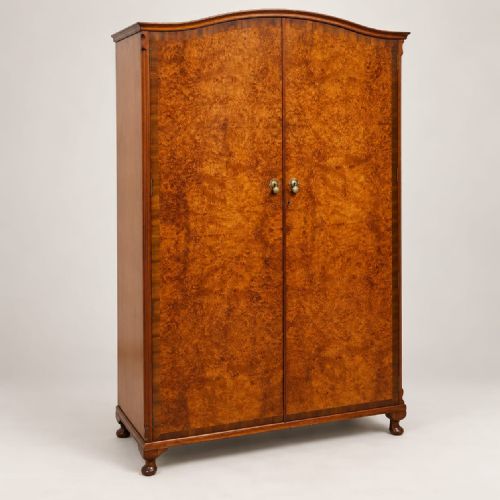
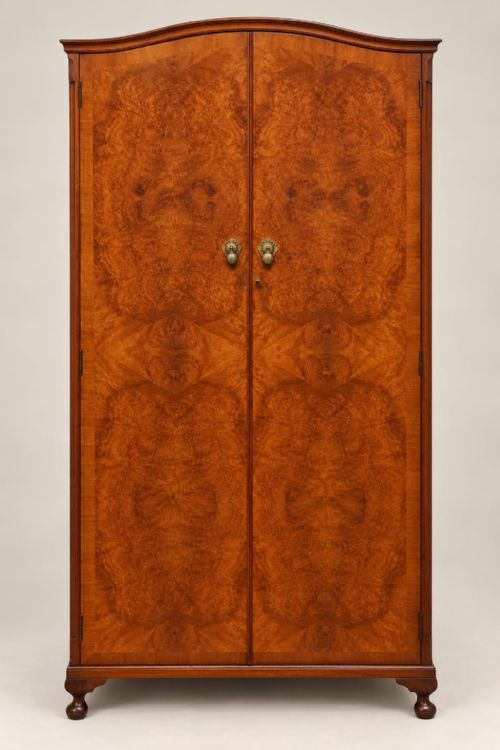
Brown Art Deco Cabinet
A brown art deco cabinet brings rich geometric warmth and sleek vintage practicality to any room.
Brown Art Deco Cabinet
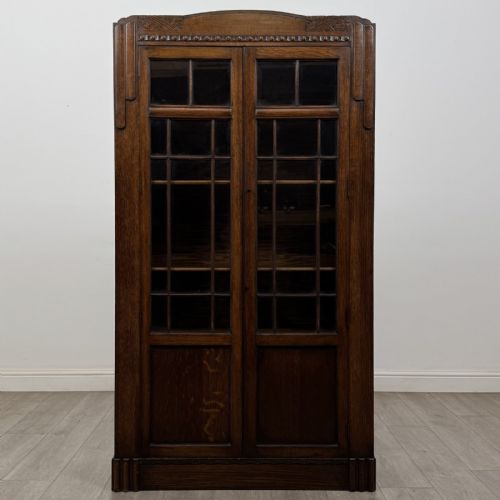
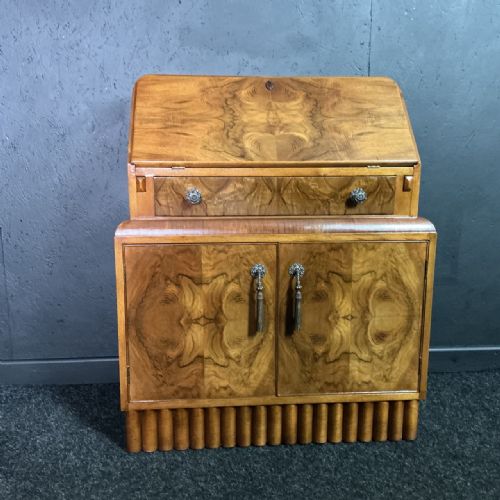
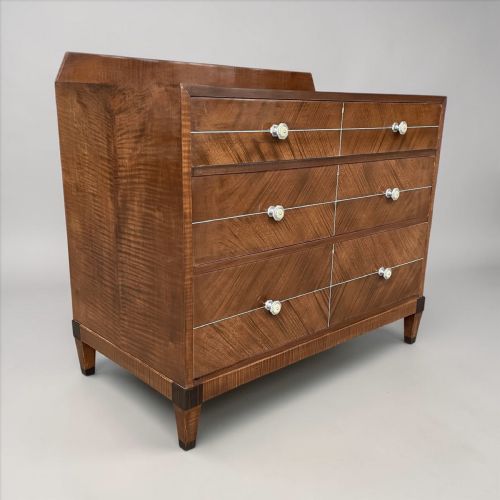
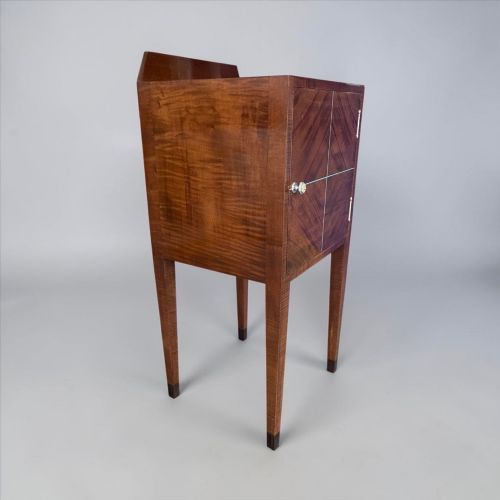
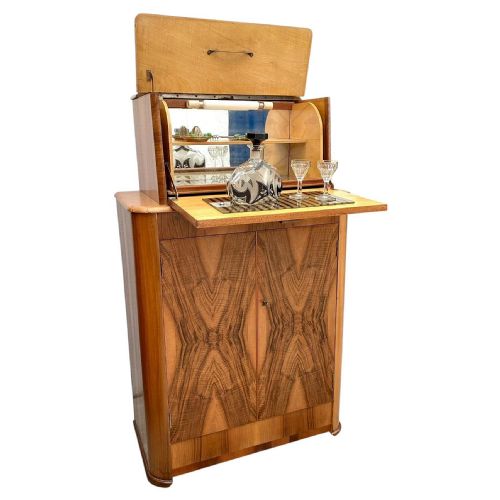
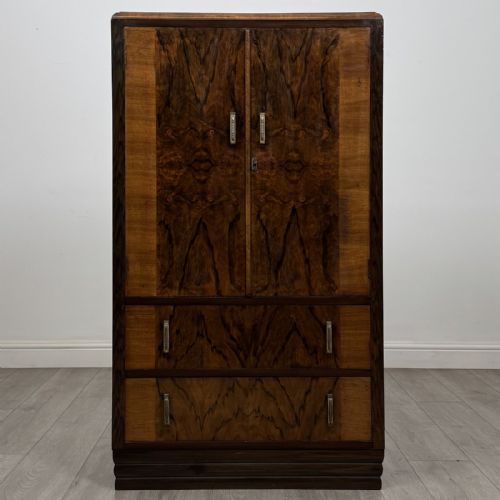
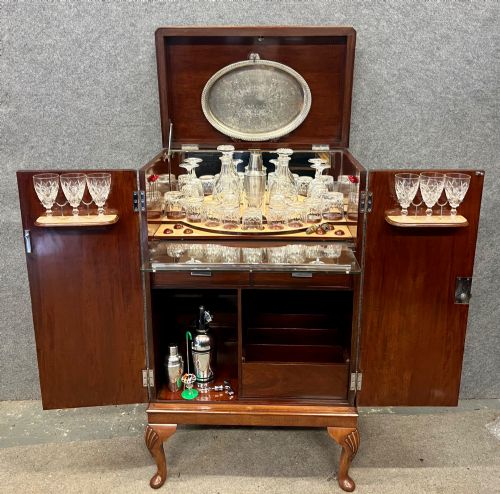
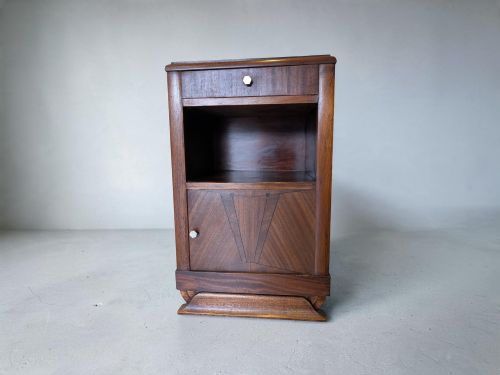
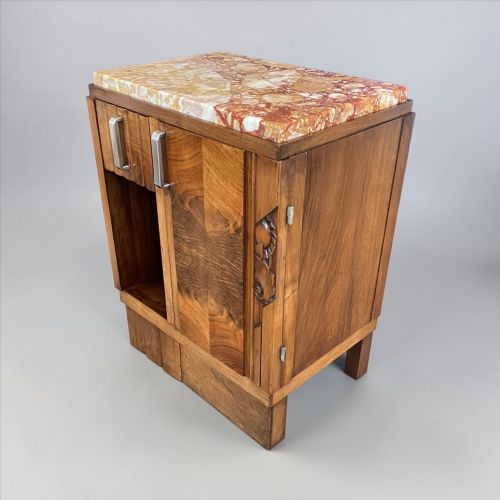
A brown art deco cabinet encompasses diverse forms such as bedside tables, display cabinets, sideboards, wardrobes, and cocktail cabinets originating primarily from the 1930s, 1920s, and 1940s, alongside earlier Edwardian influences. These items serve functional storage and display needs while anchoring a room with distinct twentieth-century character.
How they were made
Cabinet makers utilised choice hardwoods like oak, ash, mahogany, and amboyna alongside decorative veneers including walnut, burr walnut, and figured walnut. These timber surfaces were frequently paired with brass hardware, glass panels, and marble tops to create striking textural contrast.
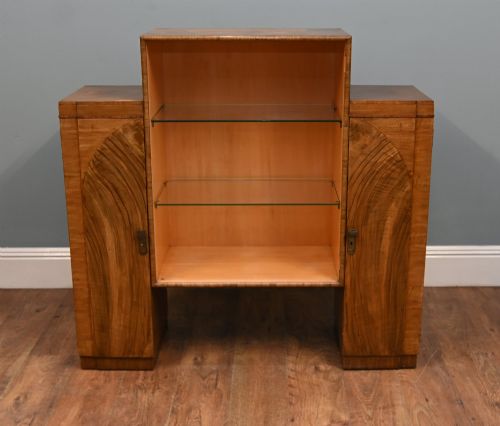
Construction techniques balanced structural integrity with aesthetic elegance, applying precise wood veneers over solid frames to showcase rich grain patterns. Specialised details such as stepped profiles, raised galleries, and fitted interiors reflect the meticulous craftsmanship of the period.
Brown Art Deco Cabinet Retail Price Guide 2026
Typical asking prices for brown art deco cabinet among the pieces listed under this phrase on Sellingantiques today, from the lower quarter to the upper quarter. They describe what is for sale here now, not the wider market.
Listings feature walnut, oak, and amboyna woods alongside glass and marble.
What varies in quality
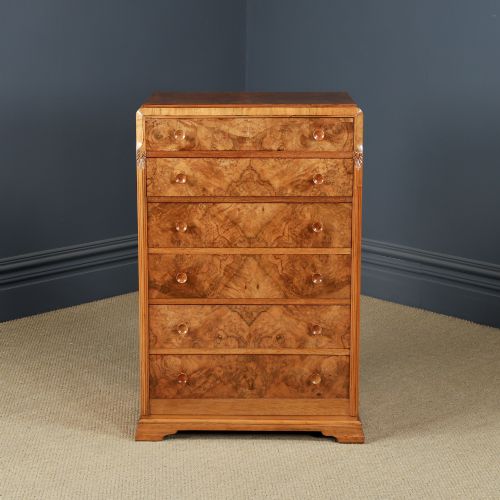
The selection of wood veneers dictates much of the visual appeal, where expertly matched burr and figured walnut distinguish superior examples from plain timber finishes. Richly grained surfaces and harmonious grain placement demonstrate higher workshop standards.
Construction refinement and integrated hardware elevate certain pieces, such as fitted interior compartments, smooth sliding glass doors, and substantial brass mounts. Pieces bearing documented maker attributions command particular attention for their sophisticated execution.
Waring & Gillow·F.H. Marshall & Co Glasgow·Charles Dudouyt
The Brown Art Deco Cabinet Glossary
- Burr walnut
- A prized wood veneer harvested from the burl growths of walnut trees, creating swirling, highly decorative grain patterns. It is frequently utilised on the primary doors and drawer fronts of luxury cabinets.
- Art Deco
- A design style emerging in the early twentieth century characterised by sleek geometric shapes, streamlined forms, and modern industrial influences. This aesthetic dominated cabinet making throughout the 1920s and 1930s.
- Cocktail cabinet
- A specialised drinks cabinet featuring fitted interior storage for glassware, bottles, and mixing surfaces. These entertaining units often include mirrored backs and drop-down serving flaps.
- Wardrobe
- A tall standing cabinet designed for hanging garments, often produced with single, double, or fitted interior compartments. In this inventory, examples frequently feature burr walnut or Edwardian oak construction.
Brown Art Deco Cabinet: Frequently Asked Questions
How do I style a brown art deco cabinet?
These cabinets suit living rooms, bedrooms, and dining spaces where their rich wood tones complement both vintage and contemporary interiors. Placing them against neutral walls allows the geometric lines and figured grain to stand out.
Pairing a cocktail cabinet or display unit with complementary lighting enhances the polished walnut and brass details. They function as statement pieces that provide substantial storage while maintaining a streamlined silhouette.
What is the difference between a cocktail cabinet and a standard sideboard?
A cocktail cabinet is specifically designed for entertaining, featuring internal compartments for bottles, glassware, and a dedicated mixing surface. They often include drop-down panels and mirrored interior sections.
A sideboard functions primarily for dining storage with cupboards and drawers suited for tableware and linens. Both forms utilise decorative veneers like burr walnut but serve entirely different domestic purposes.
How do I distinguish 1920s pieces from 1930s designs?
Pieces from the 1920s often retain heavier proportions or transitional Edwardian influences alongside early experimental art deco motifs. Burr walnut wardrobes and revolving drinks cabinets frequently trace to this earlier decade.
By the 1930s, designs embraced cleaner geometric lines, stepped bookcases, and streamlined display cabinets. The integration of modern materials like glass and brass became more pronounced during this later period.
Are these cabinets suitable for small bedrooms?
Compact options such as single bedside tables, small bedside cabinets, and narrow nightstands fit easily beside standard bed frames. They provide essential surface area and enclosed storage without crowding limited floor space.
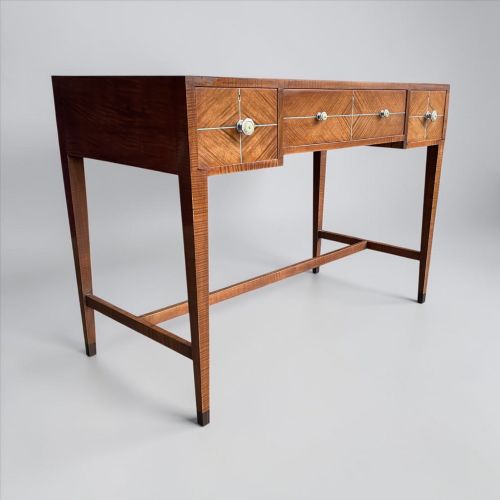
For slightly larger bedrooms, low chests of drawers or compact writing bureaus offer storage solutions while maintaining the distinct art deco aesthetic.