




Brown and Black Table
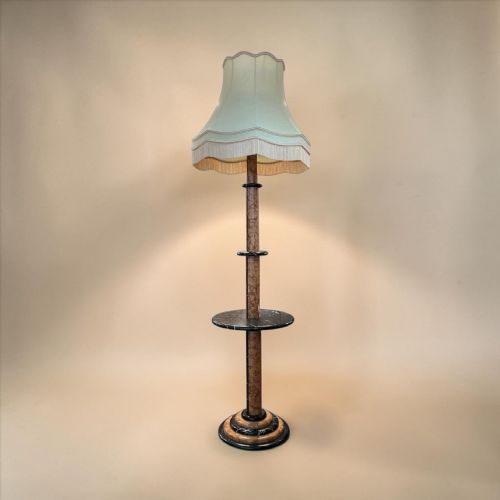
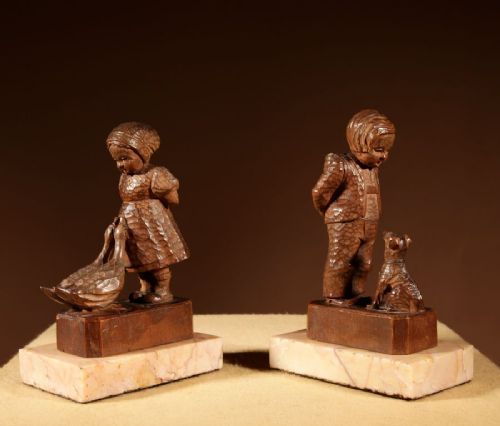
These brown and black table selections combine rich timber tones with dark contrasting accents, bringing character and practical surface space to any interior.
Brown and Black Table
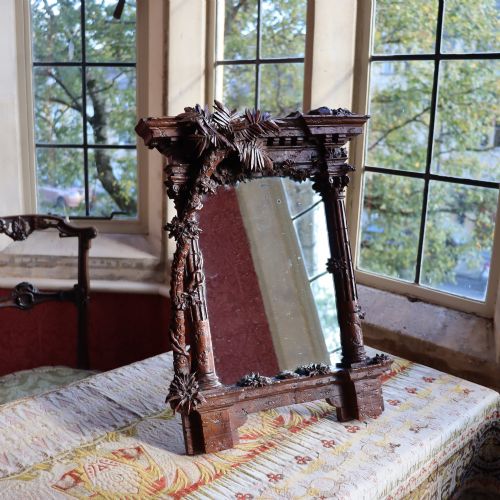
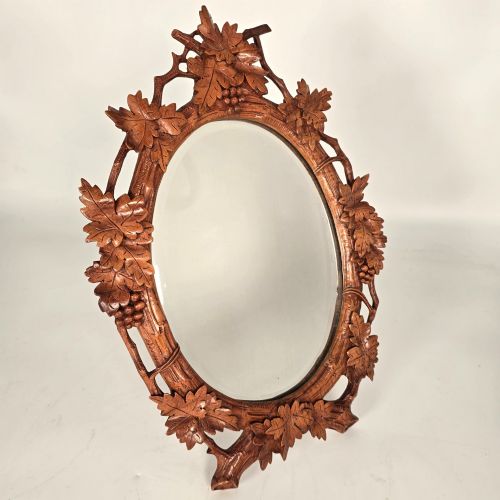
A brown and black table brings together natural wood grains and dark ebonised or carved elements, drawing heavily on nineteenth century craftsmanship and the Black Forest tradition. These pieces often feature intricately carved wooden bases paired with contrasting walnut, oak, or mahogany surfaces.
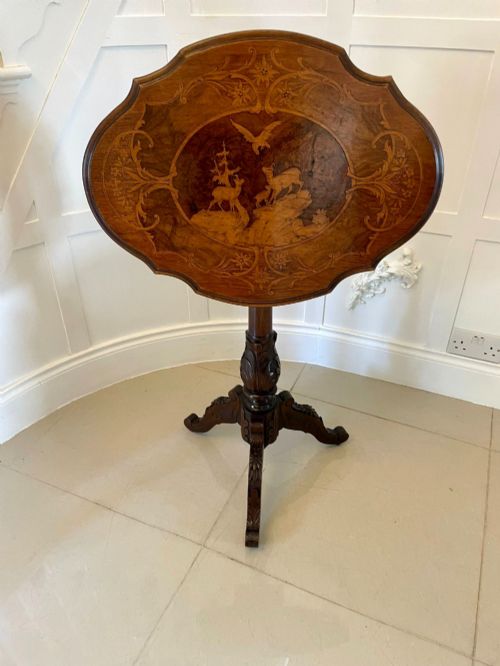
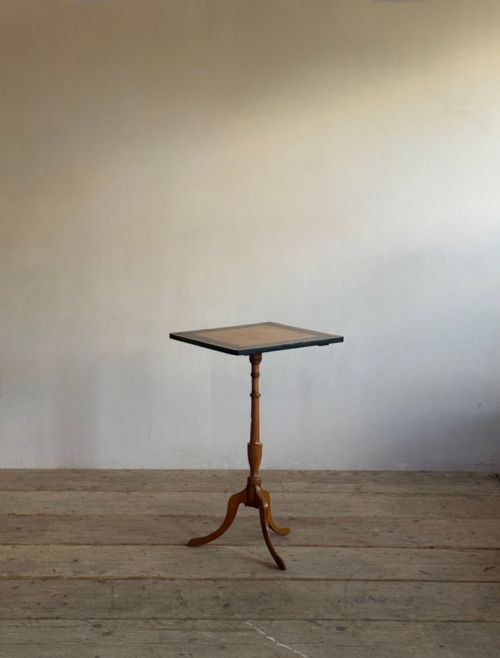
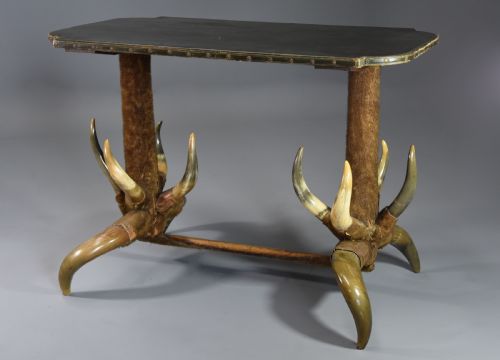
You will encounter occasional tables, tripod designs, and larger centre pieces originating from periods spanning the Victorian era through to the early twentieth century. The brown and black table category also encompasses specialised forms like the German cow horn table and marquetry inlaid occasional stands.
The aesthetic relies on the interplay between warm brown timber tones and deep black or dark brown carved wood, highlighting the sculptural potential of furniture. Such surfaces were designed to serve functional roles in reception rooms and halls while acting as decorative focal points.
Materials and construction methods
Makers utilised a variety of solid timbers and veneers, predominantly walnut, oak, and linden wood, which provided the structural foundation for detailed carving and marquetry inlay. Linden wood was particularly favoured for its workability in complex sculptural bases and figurative motifs.
Surface treatments combined natural wood finishing with ebonising techniques to achieve the dark contrasting elements characteristic of the style. Marquetry involved precise inlay of lighter and darker woods to create pictorial or geometric designs across the tabletop.
Brown and Black Table Retail Price Guide 2026
Typical asking prices for brown and black table among the pieces listed under this phrase on Sellingantiques today, from the lower quarter to the upper quarter. They describe what is for sale here now, not the wider market.
A nineteenth century German cow horn table stands ready to test whether your guests prefer conversation or caution.
Assessing craftsmanship and execution
The distinction between standard and superior pieces rests upon the depth, sharpness, and naturalism of the wood carving. Fine examples display crisp detailing in foliage, animal figures, or structural supports without mechanical shortcuts.
Integration of materials also dictates quality, particularly in how securely marquetry veneers adhere to the core timber and how fluidly the ebonised sections balance the natural brown wood grains.
Bergen And Co·Pierre Collinet
The Brown and Black Table Glossary
- Black Forest
- A style of intricate wood carving originating from the mountain region of central Europe, known for depicting local fauna and foliage. Pieces typically employ linden wood and showcase highly naturalistic forms.
- Marquetry
- The art of applying thin pieces of wood veneer to a structure to form decorative patterns or pictures. Craftsmen selected contrasting timbers like walnut and lighter woods to create visual depth.
- Tripod table
- A small freestanding table supported by a central pillar resting on three feet. These versatile forms were frequently used as occasional or lamp tables in Victorian interiors.
- Guéridon
- A small French occasional table, often decorative, designed to hold a candelabrum or lamp. The form dates back to the seventeenth century and continued into the nineteenth century using burr elm and other fine woods.
- Ebonisation
- A finishing process that treats timber to mimic the deep black appearance of ebony. This technique provided stark contrast against lighter brown wood elements in nineteenth century furniture.
Brown and Black Table: Frequently Asked Questions
How do I care for antique wood surfaces?
Keep wooden tables away from direct sunlight and sudden temperature changes to prevent the timber from drying out or splitting. Dust regularly with a soft, dry cloth and avoid harsh chemical polishes.
Applying a traditional beeswax occasionally helps nourish the grain and maintain the natural lustre of walnut and oak surfaces.
Where were these tables placed originally?
These occasional and centre tables were typically positioned in drawing rooms, hallways, or reception spaces to hold lamps, clocks, or decorative items. Their compact tripod or serpentine designs allowed them to fit easily into smaller interior areas.
They served both as practical furniture surfaces and as conversation pieces due to their elaborate carving.
How can I tell a Victorian table apart?
Victorian tables often display rich wood selections such as walnut, mahogany, and oak, frequently enhanced with marquetry inlay or ebonised details. Construction techniques from this period typically involve hand-cut joints and traditional veneer applications.
Stylistic influences range from rustic carved woodwork to refined geometric patterns popular in the mid to late nineteenth century.