
Brown Accent Table
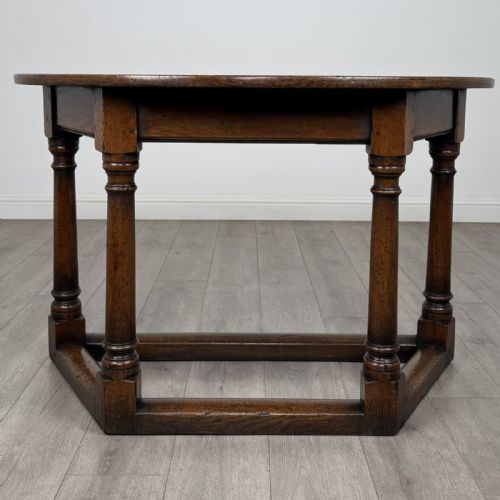
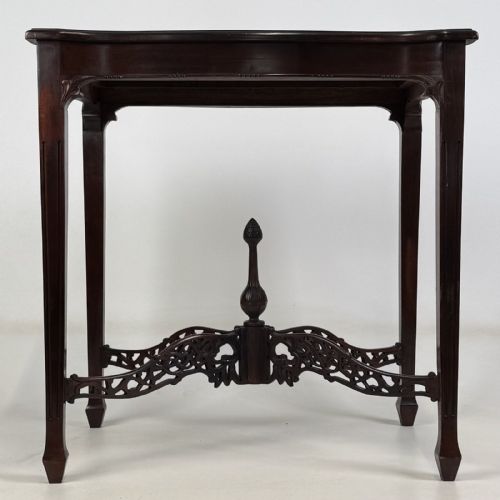
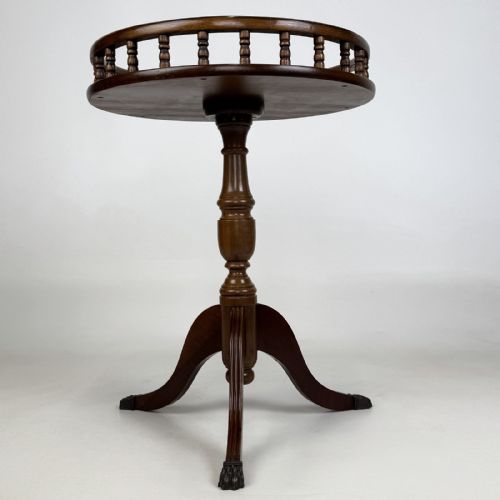
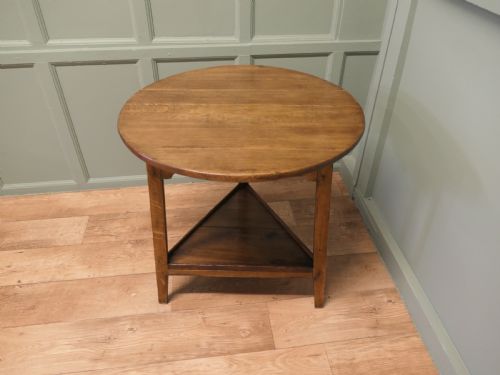
These brown accent table pieces are versatile timber surfaces for daily use, offering warmth and practical charm to any room.
Brown Accent Table
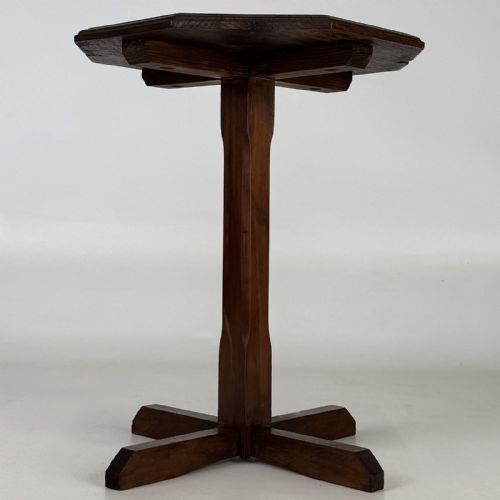
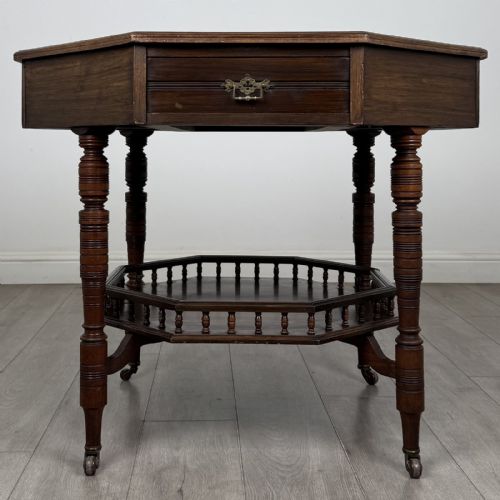
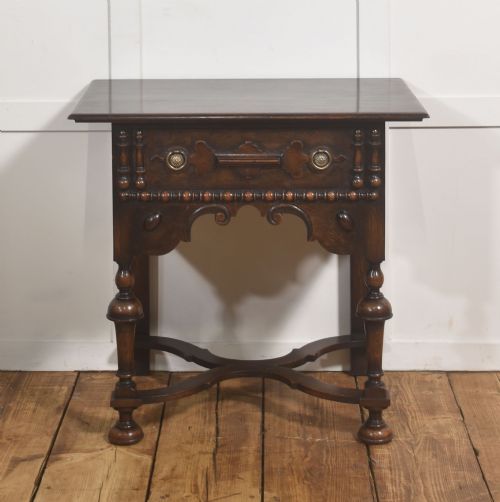
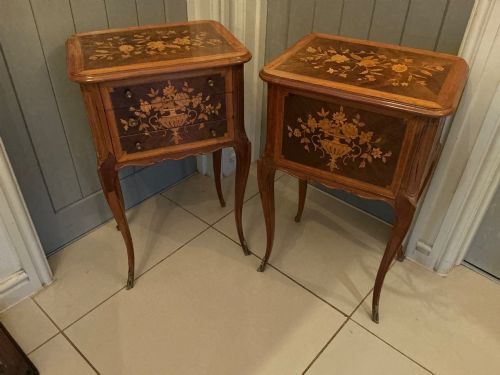
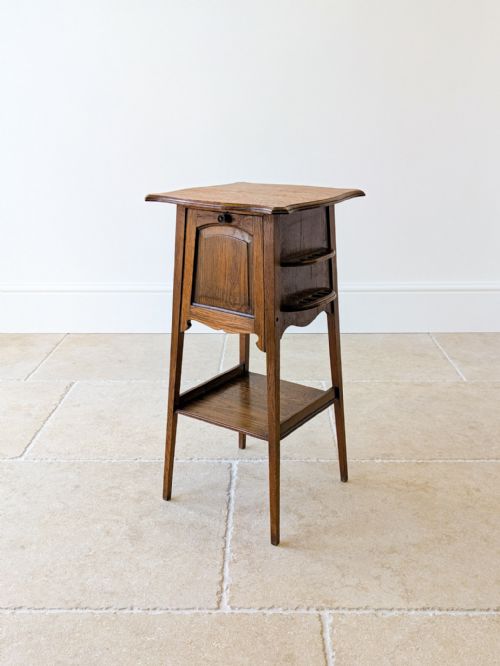
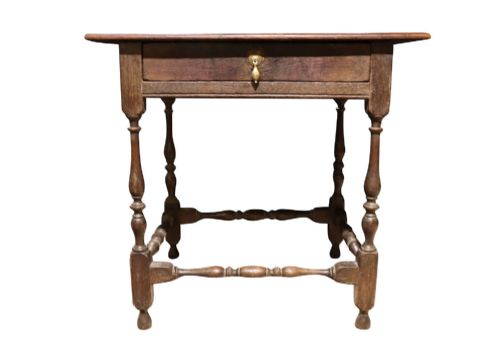
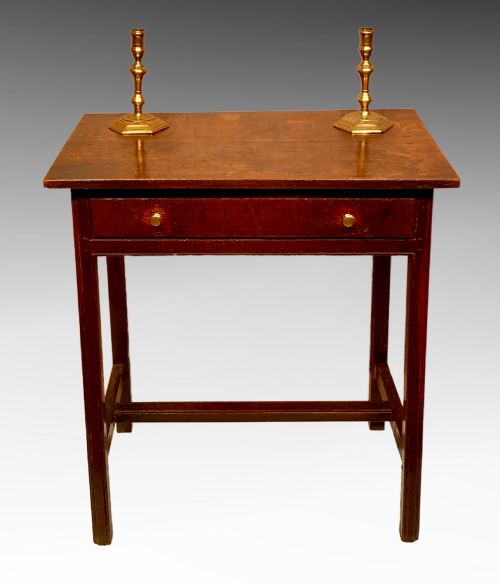
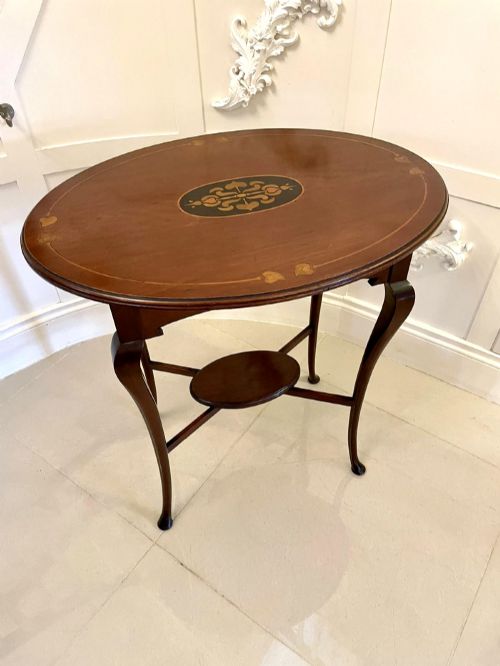
When you search for a brown accent table, you encounter a wide selection of compact wooden furniture designed to stand beside seating or against walls. Side tables, occasional tables, lamp tables, and lowboys form the bulk of these selections, fulfilling practical needs for surface space.
The pieces span several centuries, with 18th century oak and mahogany examples appearing alongside Victorian walnut and Edwardian satinwood pieces. Simpler country items like cricket tables and drop leaf tables share space with more formal marquetry-inlaid designs from various stylistic traditions.
How they were made
Cabinet makers utilised native and imported hardwoods, primarily shaping tables from oak, mahogany, walnut, elm, and satinwood. Secondary materials like brass castors, gilt bronze, and bamboo occasionally provide structural support or decorative contrast.
Joinery methods range from traditional mortise and tenon joints in earlier oak pieces to fine dovetailing in drawer construction and intricate marquetry or parquetry surface inlay in later Victorian and Edwardian examples.
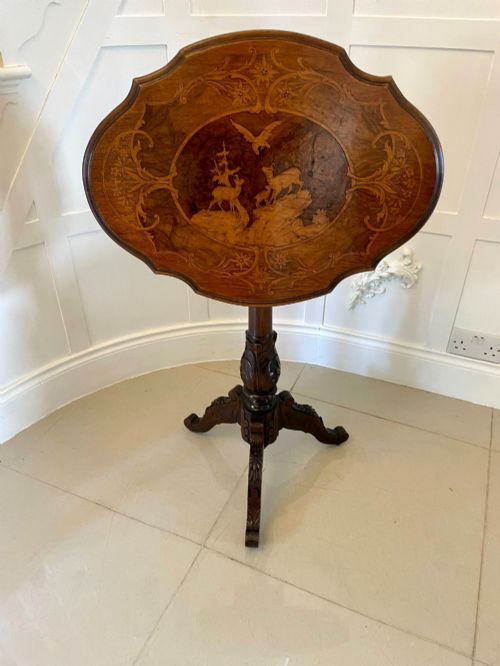
Swiss Black Forest tables bring unexpected alpine wildlife carvings straight into Victorian parlours.
What varies in quality
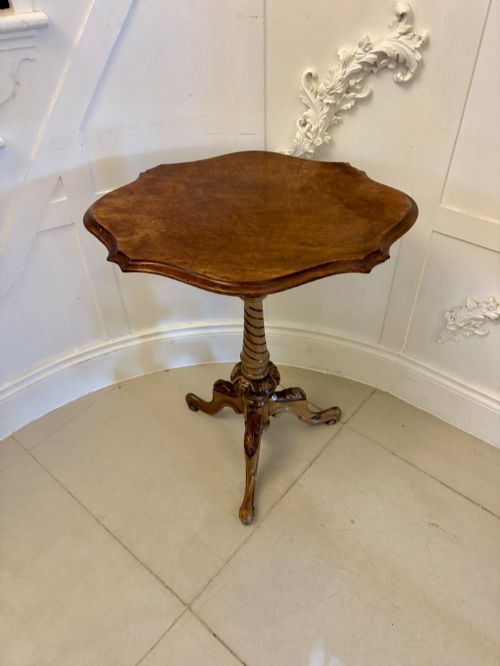
The distinction between ordinary and superior pieces rests upon the selection of timber figures and the crispness of hand-carved details. Finely figured mahogany, burr walnut, or quarter-sawn oak demonstrate greater depth than plain boards.
Construction integrity and the restraint applied to decorative elements such as crossbanding, stringing, and turned legs dictate the overall refinement of the item.
Leonard Wyburd
The Brown Accent Table Glossary
- Lowboy
- A small table with one or more drawers, originating in the 18th century and typically raised on tall legs. These pieces were often utilised for dressing or serving.
- Marquetry
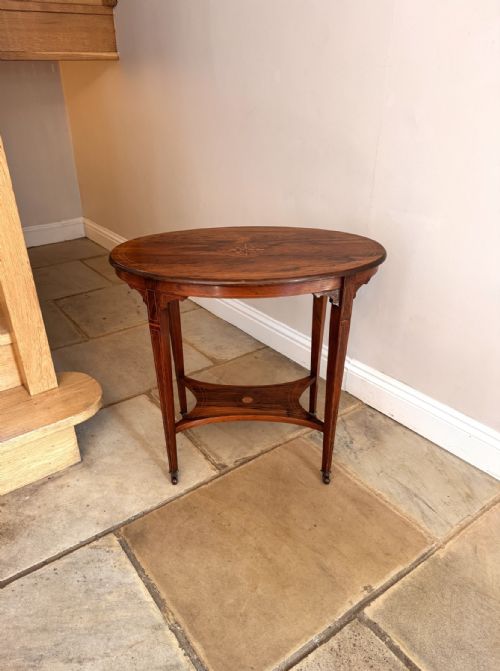
- The art of applying decorative veneer pieces in wood to form geometric patterns or pictorial designs. This technique frequently graces the tops of Victorian and Edwardian lamp tables.
- Pembroke table
- A small occasional table featuring hinged drop leaves on either side. It typically includes a single drawer and tapering legs.
- Cricket table
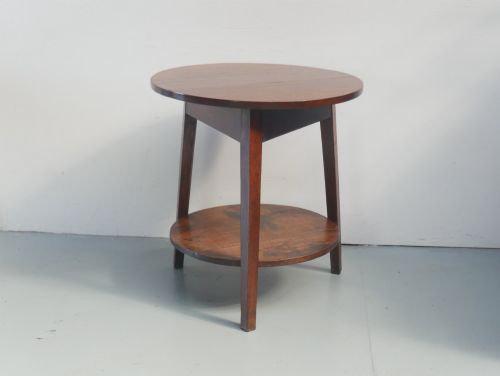
- A small, light round table supported by three splayed legs, traditionally constructed from oak or elm. These sturdy items derive their name from their tripartite bracing.
- Occasional table
- A generic term for a small, moveable table intended for specific, intermittent use within a room. They appear in diverse forms including octagonal, oval, and square tops.
Brown Accent Table: Frequently Asked Questions
What is a brown accent table used for?
These tables provide a convenient surface for lamps, books, and decorative objects next to armchairs or sofas.
Historically, specific forms like work tables and lowboys served utilitarian household functions in bedrooms and living parlours.
How do I date a wooden side table?
Dating relies on observing construction techniques, timber choices, and stylistic cues such as leg turnings or drawer joints.
Earlier 18th century pieces often display solid oak or mahogany construction with hand-cut dovetails, while later Edwardian examples frequently incorporate satinwood inlay.
Are these tables sturdy enough for daily use?
Traditional construction methods using dense hardwoods like oak, mahogany, and walnut ensure durable support for everyday items.
Careful handling of drop leaves and avoidance of excessive moisture help preserve the integrity of older joints.
How do I fit an antique table into a modern room?
The warm tones of timber naturally complement contemporary interiors by introducing organic texture and historical contrast.
An occasional table or lamp table easily tucks into corners or beside modern seating without dominating the floor space.