


Bronzed Sculpture Light
These sculptural bronzed sculpture light pieces merge utility with figurative art, bringing dramatic illumination and classical form into a room.
Bronzed Sculpture Light
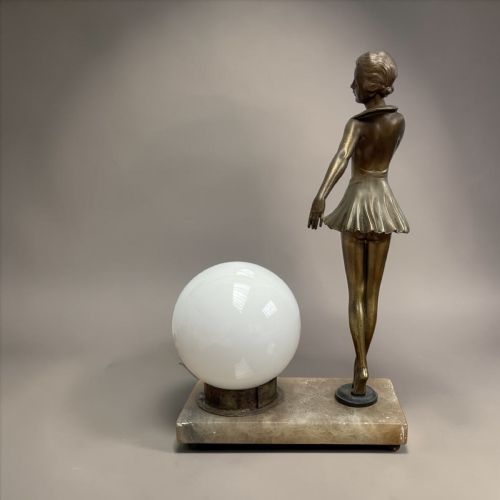
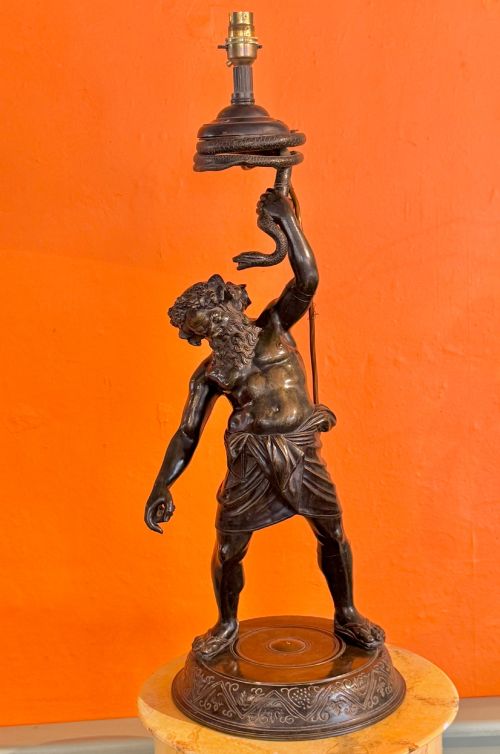
A bronzed sculpture light combines a cast metal figure or vessel with a functional lighting element, serving as both a lamp and an ornament. When searching for a bronzed sculpture light, buyers encounter everything from 19th-century classical deities and allegorical figures to stylised Art Deco ladies.
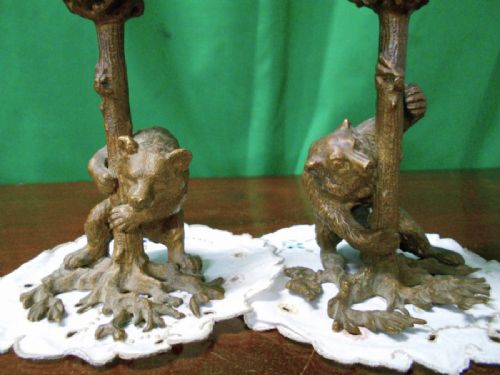
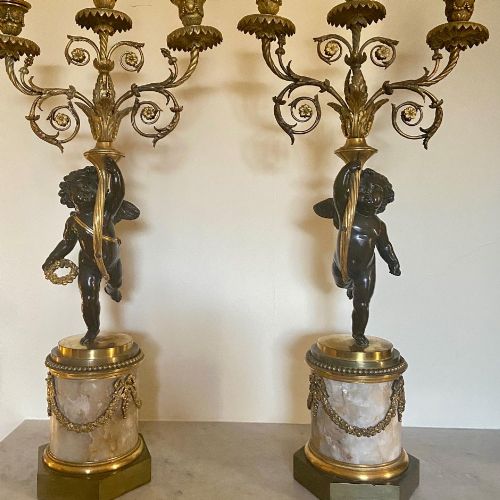
The objects take various shapes, including tall torcheres, candelabra, table lamps, and intimate night lights mounted on marble bases. French foundry work dominates the selection, alongside Black Forest animal carvings and Grand Tour souvenirs from Italian workshops.
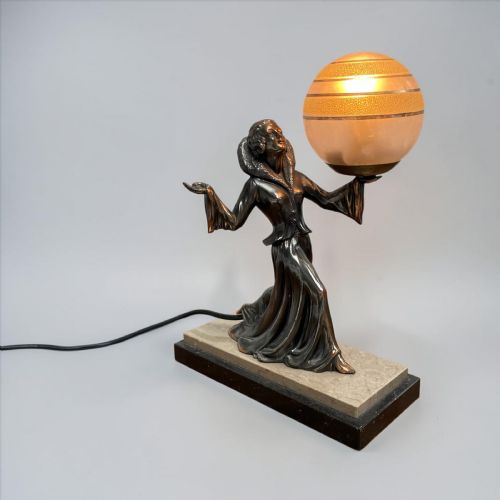
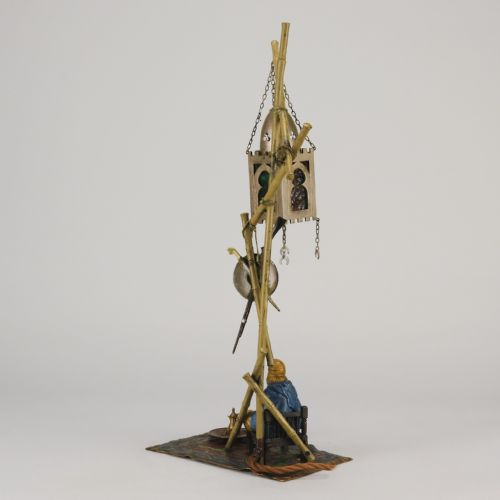
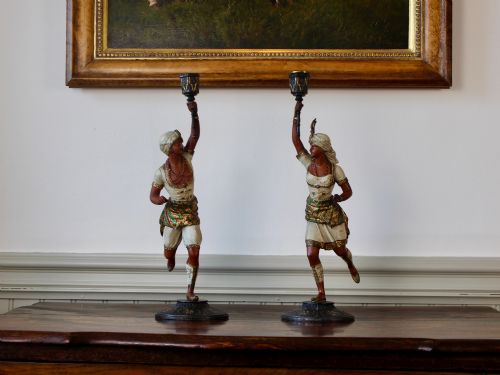
Figural subjects range from mythological figures like Apollo and the Goddess Amphitrite to romanticised orientalisations and stylised dancers. These pieces transform dark corners into focal points through the warm glow of cast metal combined with glass or torchere shades.
Materials and casting methods
Foundries utilised traditional lost-wax or sand-casting methods to create the primary metal components, using bronze, patinated brass, or ormolu. Spelter frequently appears as a more accessible alternative to heavier bronzes, particularly in pieces from the early 20th century.
Assessing sculptural and casting quality
The clarity of the chasing work separates standard foundry output from superior artistic achievements. Finer pieces retain crisp details in hair, fingers, and drapery that lesser casts lose during mass production.
The integrity of the patina and the weight of the base indicate the original intention of the maker. Heavier metal formulations and stable marble mounts provide structural balance to taller figural torcheres and candelabra.
Franz Bergman·Emile Picault·Auguste Moreau·Humphrey Hopper·Bruno Zach
The Bronzed Sculpture Light Glossary
- Torchere
- A tall stand or floor lamp designed to hold a light source high above the ground. These fixtures often take the form of classical maidens holding flaming torches.
- Spelter
- A zinc alloy commonly utilised as a substitute for bronze. It takes patination well but is softer and lighter than genuine bronze.
- Patinated bronze
- Bronze treated with chemical solutions to produce a specific surface colour or aged finish. This process highlights the contours of the underlying sculptural work.
- Grand Tour
- Souvenirs and classical replicas acquired by travellers in Italy during the 18th and 19th centuries. These items frequently depict antique bronzes discovered during excavations.
- Ormolu
- Gilt bronze produced by applying a mixture of finely ground gold and mercury to a metal base. The mercury was subsequently driven off by heat, leaving a rich golden coating.
Bronzed Sculpture Light: Frequently Asked Questions
What is a bronzed sculpture light?
A bronzed sculpture light is a decorative lighting fixture that incorporates a cast metal figure, vase, or architectural element into its design. These pieces function as conventional lamps while retaining the aesthetic presence of a standalone gallery sculpture.
They bridge the gap between interior illumination and fine art, often depicting historical, mythological, or allegorical subjects.
How do I distinguish bronze from spelter?
Bronze is a heavy copper alloy that feels cold to the touch and rings with a clear tone when tapped gently. Spelter is softer, lighter, and composed primarily of zinc, which dulls more quickly and shows a greyish metal beneath chips in the finish.
Examining the underside of the base or areas of wear usually reveals the true nature of the metal.
Where should I place a figural torchere?
Figural torcheres suit corners, entrance halls, or flanking large pieces of furniture where their height can command the space. Because many cast metal lamps direct light upwards, they create ambient illumination rather than direct task lighting.
Pairing them with appropriate marble or wooden surfaces ensures stability for heavier bases.
How do I care for patinated metal lamps?
Dust these pieces regularly with a soft, dry cloth to prevent the accumulation of grime in the recesses of the casting. Avoid chemical cleaners and polishes, which can strip away the original patination or damage cold-painted surfaces.
Checking the internal wiring periodically ensures safe operation alongside antique metalwork.