

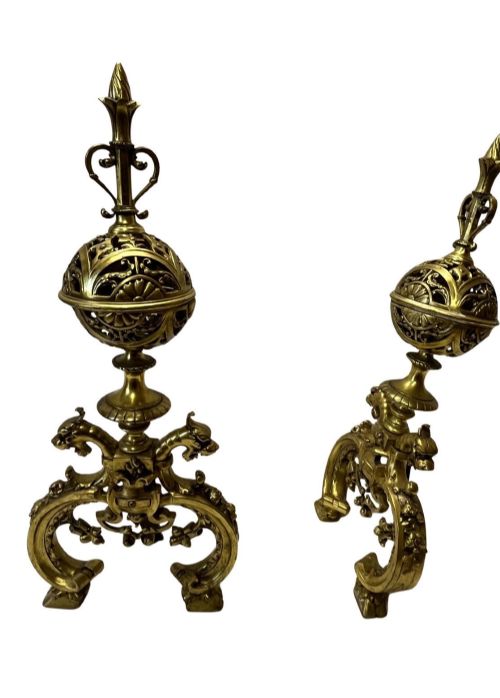


Bronzed Metal Dogs
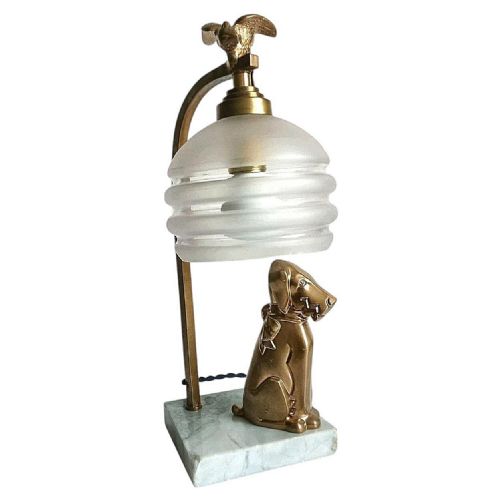
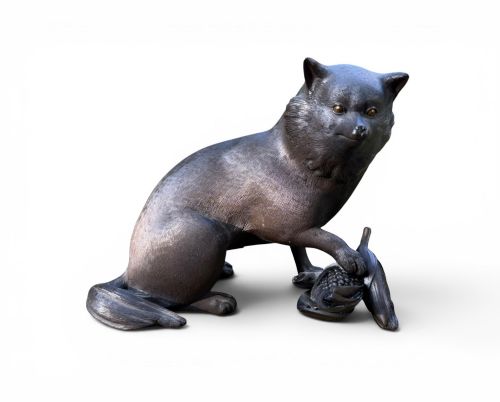
These bronzed metal dogs bring sculptural weight and distinct character to a room, ranging from small desk accessories to large fireplace supports.
Bronzed Metal Dogs
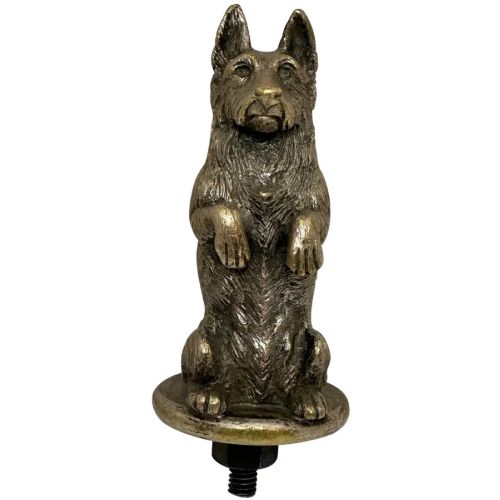
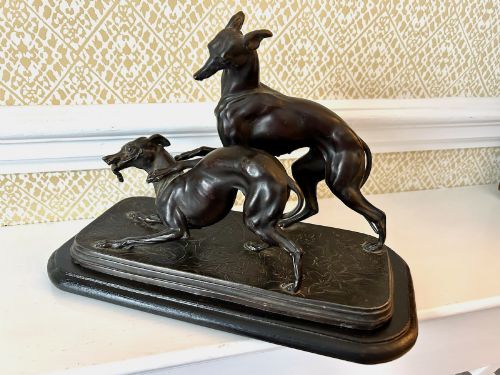
Bronzed metal dogs encompass a diverse group of objects shaped as hounds, terriers, bulldogs, and poodles, created across the nineteenth and twentieth centuries. These figures appear frequently as small sculptures, bookends, desk tidies, and car mascots made from materials that imitate or include actual bronze.
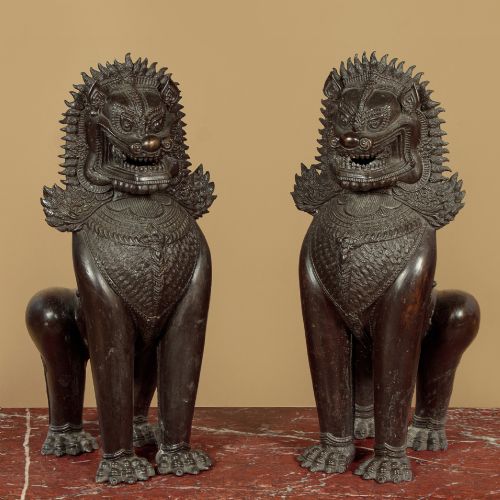
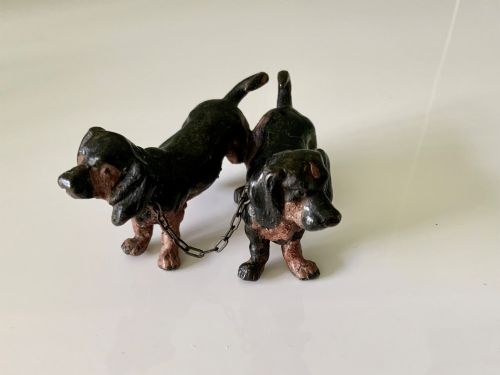
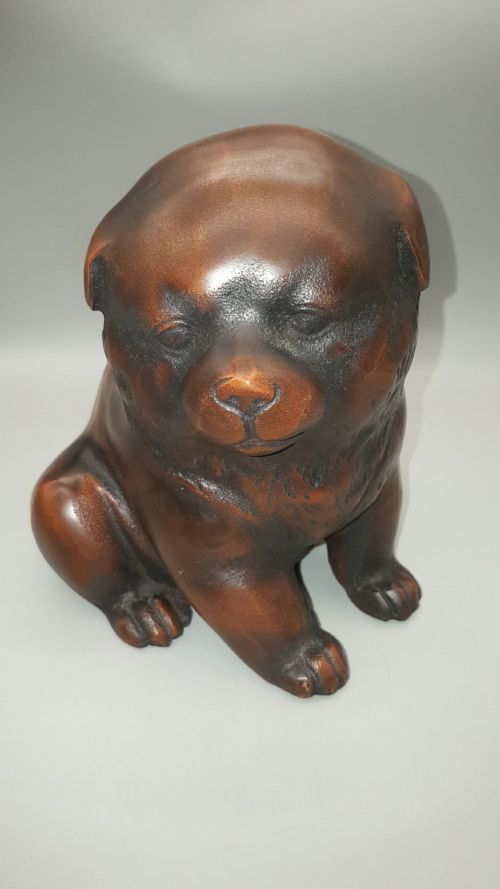
The selection ranges from Austrian cold-painted models and French Animalier sculptures to Japanese okimono and utilitarian items like door stops and andirons. Buyers encounter various canine representations reflecting different periods, notably Victorian and Art Deco designs.
How they were made
Many of these pieces utilise traditional casting techniques in bronze, brass, or spelter, often finished with patination or cold painting to add colour and surface detail. Ormolu and gilt-metal mounts appear on functional items such as jewellery caskets and fire dogs, providing gilded highlights against darker metal bodies.
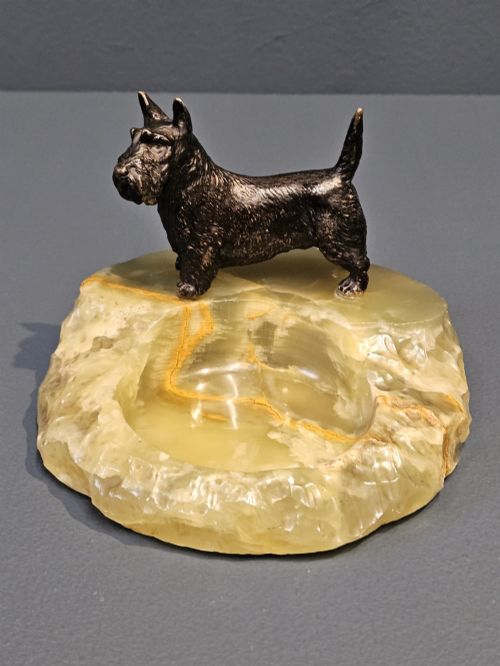
Makers also employed iron and marble or onyx bases to anchor heavier sculptures, combining multiple metalwork and stonework skills to produce both decorative figures and practical hearth accessories.
Bronzed Metal Dogs Retail Price Guide 2026
Typical asking prices for bronzed metal dogs among the pieces listed under this phrase on Sellingantiques today, from the lower quarter to the upper quarter. They describe what is for sale here now, not the wider market.
A canine bronze caught mid-mischief reminds us that even Victorian households had a soft spot for cheeky hounds.
What varies in quality
Quality in these metal figures rests primarily on the sharpness of the casting and the preservation of the original surface finish, such as cold paint or patination. Finer examples display realistic anatomy, expressive poses, and careful chiselling that survives from the workshop.
The choice of base materials also distinguishes the range, with solid bronze and intricate ormolu mounts marking out the more substantial items from simpler spelter or cast iron pieces.
Tsunemitsu·Shosai·Unno Shomin·Eurotrope Bouret·P.de Soete·H. Bal·Franze Bergman·Stephan Buchinger
The Bronzed Metal Dogs Glossary
- Animalier
- A nineteenth-century artistic movement focused on the realistic depiction of animals, particularly prevalent in French sculpture.
- Cold painted
- A technique where paint is applied to unheated metal, often associated with Austrian bronze figures.
- Spelter
- A zinc alloy commonly used as an economical alternative to bronze for nineteenth and twentieth-century figures.
- Andiron
- A metal support used in pairs inside a fireplace to hold logs, frequently decorated with figural or animal designs.
- Okimono
- A Japanese carved or cast decorative object designed for display on a shelf or tabletop.
Bronzed Metal Dogs: Frequently Asked Questions
What materials are used for these dogs?
Makers utilised bronze, brass, spelter, and iron, frequently enhancing the surfaces with patination, cold painting, or gilding. Some figures incorporate marble or onyx bases for added stability.
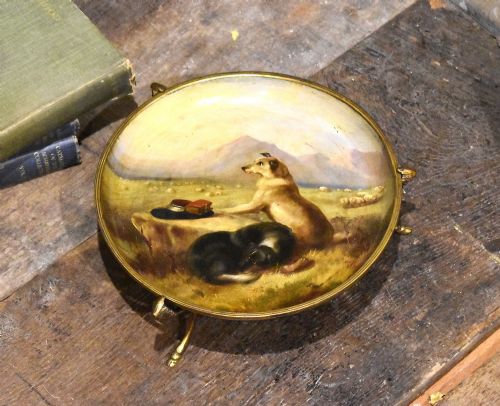
Functional items often combine these metals with wood or fabric components, such as papier-mâché comports featuring painted canine scenes.
How do I identify Austrian cold painted pieces?
Austrian pieces usually feature a layered, applied paint finish over a bronze casting, often depicting domestic dogs in humorous or realistic poses. These small sculptures typically date from the late nineteenth or early twentieth century.
Examining the underside or crevices often reveals the characteristic mineral paints used in the Viennese workshops.
Were these dogs purely decorative?
While many examples are standalone sculptures or desk tidies, a large number served practical purposes in the nineteenth and twentieth centuries. Items included car mascots, door stops, bookends, and fireplace andirons.
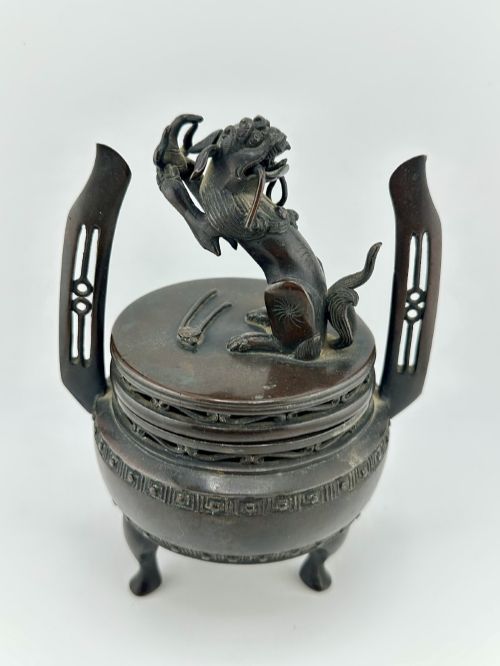
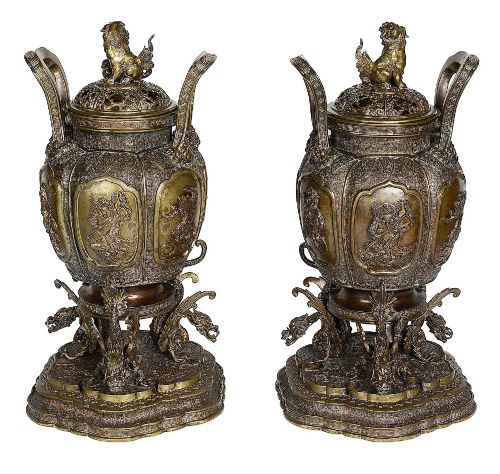
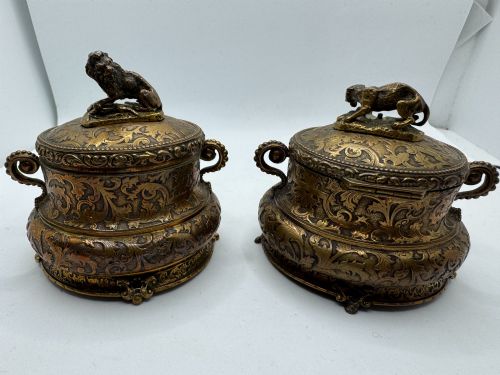
Sculptural groups also appeared as decorative finials on lidded urns, jewellery boxes, and incense burners.
How do I tell bronze from spelter?
Bronze is heavier, richer in tone, and yields a warmer touch, whereas spelter is a softer zinc alloy that often shows a lighter grey metal beneath worn paint. Spelter figures were cast as a more accessible alternative to bronze.
Detailed chiselling is generally sharper and deeper on genuine bronze casts than on spelter alternatives.