


Bronzed Maiden Figurine
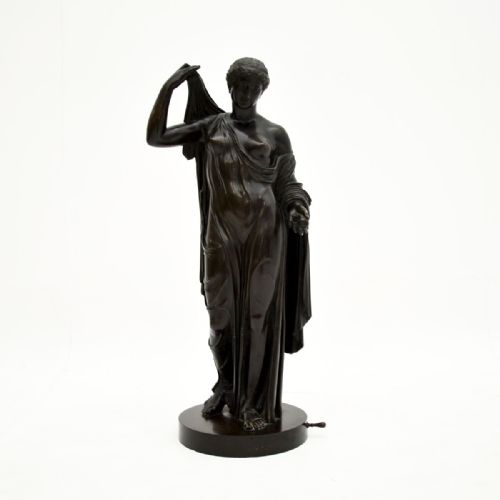
A bronzed maiden figurine captures the grace of classical and modernist design, offering a sculptural statement piece for an interior.

Bronzed Maiden Figurine
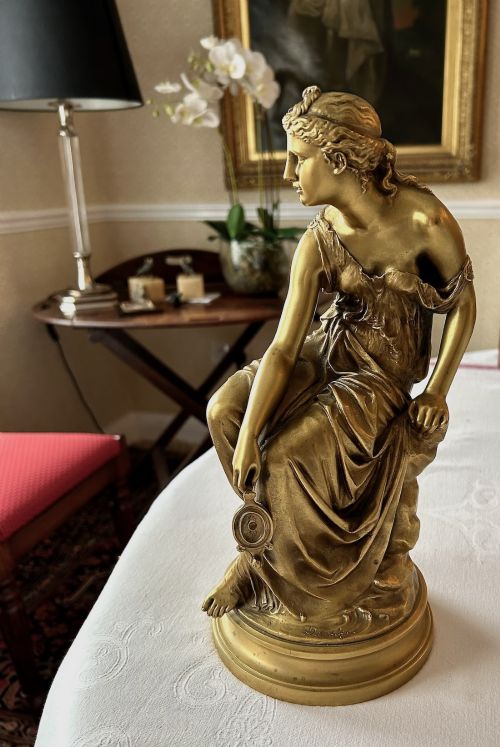
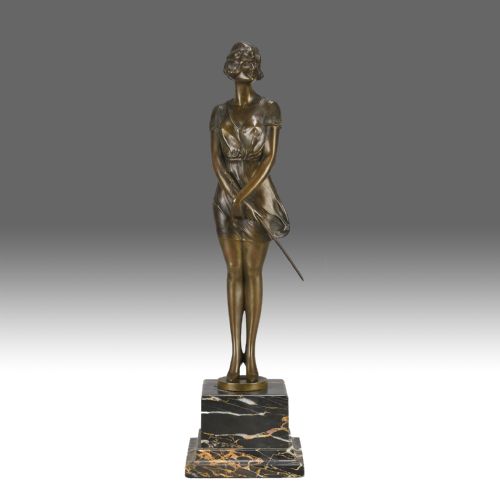
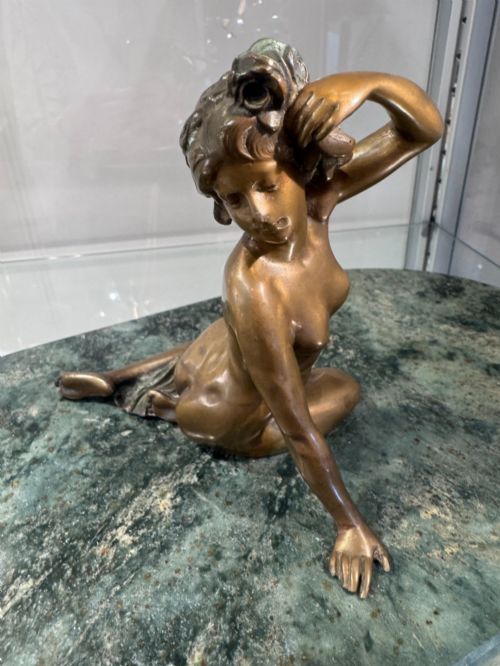
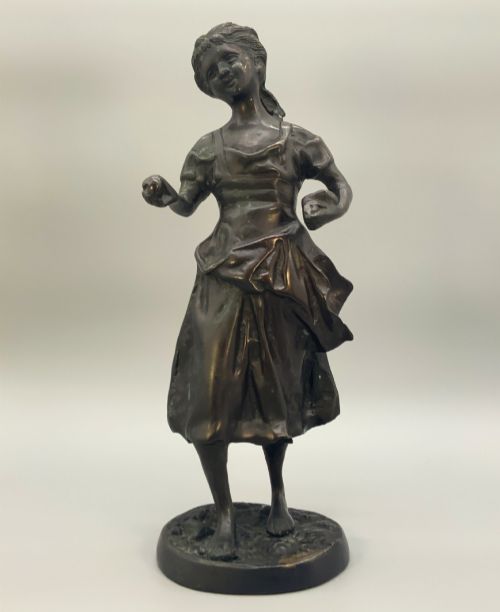
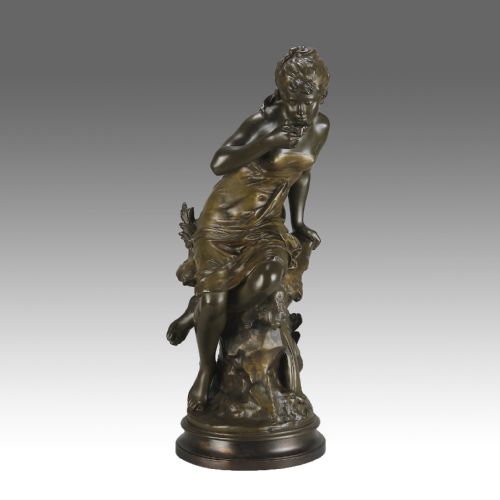
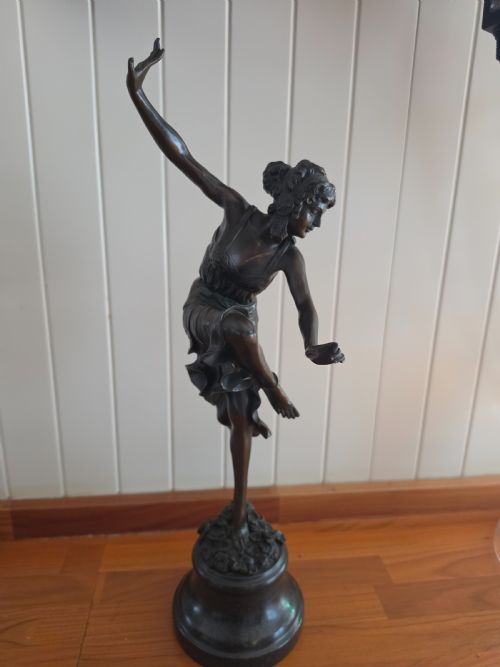
When you search for a bronzed maiden figurine, you encounter sculptural works that portray female figures in classical, Art Nouveau, and Art Deco styles. These pieces range from full-length dancing girls and water carriers to bust-length allegorical representations.
The majority of items on this page originate from nineteenth-century and early twentieth-century French and Austrian workshops. Makers utilised various casting methods to produce figures that stand alone or incorporate carved stone plinths.
Forms span from slender robed ladies to seated nudes and peasant figures, reflecting the changing aesthetic preferences of the Victorian era through to the interwar period.
Materials and construction
Foundries cast these figures primarily in bronze, sometimes applying gilt or patinated finishes to alter the surface colour and catch the light. Alternative materials such as spelter, terracotta, plaster, and earthenware appear across the selection.
Many bronzes are mounted upon marble bases, providing a stable foundation and a contrasting texture to the metallic finish. Signatures and foundry marks are frequently stamped or incised directly into the material near the base.
Listings feature works spanning from the Victorian period through to the Art Deco era, utilising bronze, spelter, terracotta, and plaster.
Distinctions in quality
Quality rests upon the crispness of the chasing and the subtlety of the patina applied to the surface. Finer casts retain intricate details in hair, drapery, and facial expression without soft edges or smoothing from worn moulds.
The weight of the casting and the quality of the supporting base, whether fine marble or integrated metalwork, distinguish superior studio output from standard commercial production.
Etienne-Henri Dumaige·Bruno Zach·Moreau Family·Mathurin Moreau·C J R Colinet·Zoldan Kovats·Villanis·Clodion·Claudius Marioton·Hans Müller·Goldscheider·Guillot·Maurice Bouval·C Neuhaus·Emmanuel Villanis·Charlotte Monginot·Hans Schork·A Gaudez·Henri Plé·Leon Pilet
The Bronzed Maiden Figurine Glossary
- Patinated Bronze
- Bronze treated with chemical solutions to produce a specific surface colour and tone. This finish protects the metal and defines the contours of the figure.
- Spelter
- A zinc alloy commonly utilised as a cheaper alternative to bronze during the nineteenth and twentieth centuries. It often received a bronze-coloured paint or electroplate finish.
- Terracotta
- Fired clay moulded into sculptural forms and left unglazed or painted. It provides a warm, earthy texture distinct from metal casts.
- Chasing
- The manual refinement of a metal casting using small chisels and punches to sharpen details and remove surface imperfections. Skilled chasing elevates the definition of hair and drapery.
Bronzed Maiden Figurine: Frequently Asked Questions
How do I clean a bronze figure?
Dust the surface gently with a soft, dry brush to prevent the accumulation of grit in the crevices. Avoid using water, soap, or chemical polishes, which can strip the original patina.
Applying a very light coat of microcrystalline wax can protect the metal from moisture in the air. Buff the wax off thoroughly with a clean cloth to maintain a natural sheen.
Are these figures solid bronze?
Many nineteenth-century figures are cast using the lost-wax method, resulting in hollow bronze forms that remain structurally robust. Solid casts do occur, particularly in smaller studies and decorative desk items.
Alternative base metals like spelter are also common and can be distinguished by their lighter weight and different fracture characteristics if exposed.
How do I date a maiden sculpture?
Examine the style of the clothing, hair, and lettering on the signature or foundry mark. Art Nouveau curves and flowing drapery typically point toward the turn of the twentieth century, while geometric lines suggest the Art Deco period.
Checking the material of the base and the composition of the metal alloy provides further clues to the manufacturing decade.
Where should I display my statue?
Position the piece on a stable surface away from direct sunlight and excessive humidity to protect patinas and marble bases. A sturdy mantelpiece or a dedicated display cabinet works well.
Ensure the sculpture is placed where it cannot be easily knocked, as heavy bronze or marble items can cause damage if dropped.