

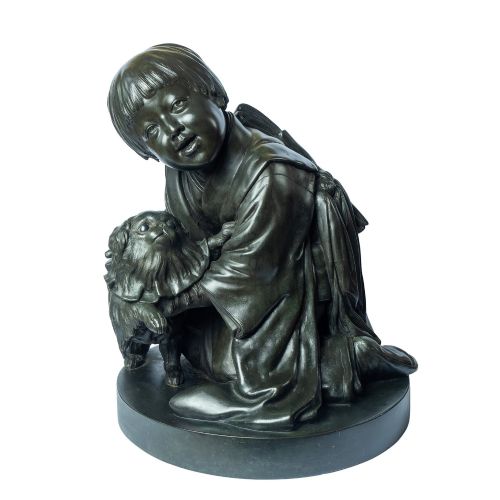
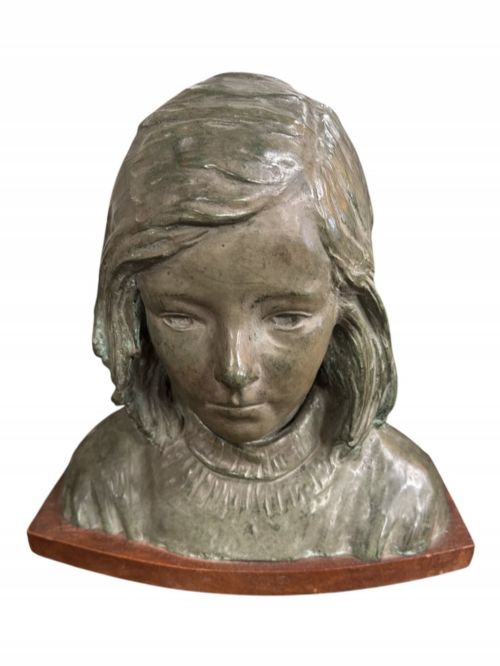


Bronze Sculpture of Child
A bronze sculpture of child captures youthful innocence, domestic tenderness and classical form in enduring cast metal.
Bronze Sculpture of Child
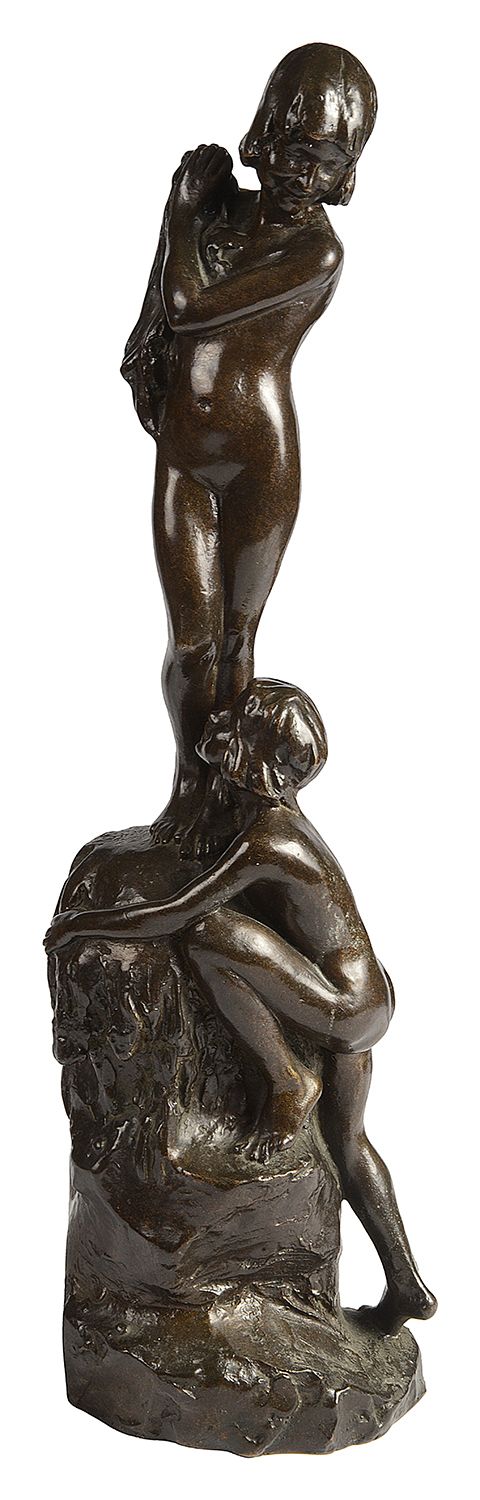
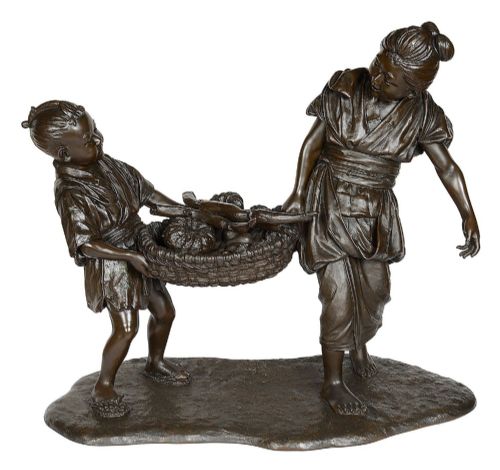
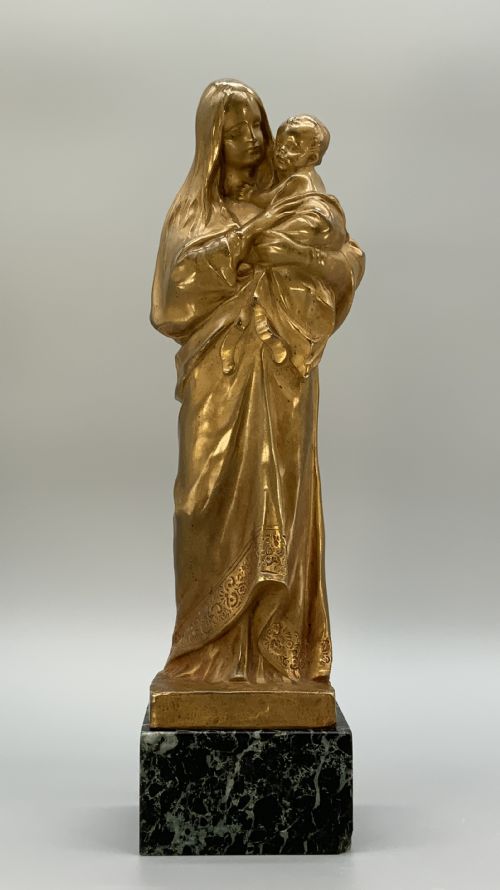
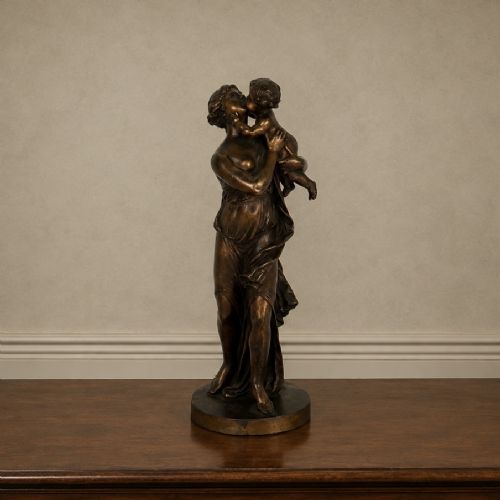
A bronze sculpture of child brings together intimate domestic portraits, allegorical figures and classical studies spanning the nineteenth and early twentieth centuries. These works range from small tabletop studies of sleeping babies and bathing children to grander group compositions of mothers and youngsters.
The pieces on this page originate predominantly from French, Austrian, Italian and Japanese workshops, reflecting diverse regional tastes for naturalistic infant and youth studies. Formats vary from freestanding figures and portrait busts to wall plaques and functional pieces such as lamps and night lights.
Collector interest centres on the emotional resonance of the subject matter combined with the technical skill of the foundry casting. Figures often incorporate narrative elements, depicting children with pets, fruit, toys or mythological attributes.
Materials and casting methods
Foundries utilised the lost-wax casting method or sand casting to capture intricate details of hair, drapery and expression in bronze. Many figures sit upon contrasting integral bases of marble, onyx or alabaster, while some examples employ gilt bronze or silvered finishes.
Alternative base metals such as spelter appear alongside bronze, offering a lighter medium for patinated figures produced during the Art Deco period. Patination treatments range from deep brown and black chemical coats to warm golden tones that highlight the contours of the young subjects.
Children posed for sculptors alongside cats, dogs, teddy bears, lobsters and a first pair of baby shoes.
Distinctions in execution
Quality rests upon the crispness of the chase work and the subtlety of the surface patina after the casting leaves the mould. Superior examples retain fine anatomical definition in the limbs and face, avoiding the softness often seen in secondary strike copies.
The integration of the figure with its supportive stone base and the presence of a clear foundry mark or artist signature elevate the standing of a piece. Finer sculptures demonstrate realistic weight, balance and expressive movement rather than rigid posture.
Hans Müller·Masaaki·Antonio Merente·P. Sega·H. Chiparus·Auguste Moreau·Carl Kauba·Lucien Madrassi·Alexandre Kelety·J Camus·Marion Willis Stanfield·Xavier Raphanel·Carrier·Pigale·Antoine Bofill·Denys Puech
The Bronze Sculpture of Child Glossary
- Patina
- The surface coloration and sheen developed naturally over time or applied chemically by the foundry. This finish protects the metal and defines the sculptural contours.
- Lost-wax casting
- A traditional method where a wax model is melted from a mould and replaced with molten bronze. This technique allows for high precision and intricate detail.
- Spelter
- A zinc alloy frequently used as a less expensive alternative to bronze. It accepts patination well but possesses a lighter weight and softer structural strength.
- Okimono
- A Japanese decorative object designed for display on a shelf or tabletop. These small sculptures often depict daily life, figures and animals with meticulous naturalism.
- Putto
- A representation of a plump, naked infant, frequently winged, derived from classical art. Sculptors employed these figures in allegorical and decorative compositions.
Bronze Sculpture of Child: Frequently Asked Questions
How do I clean a bronze sculpture?
Dust gently with a soft, dry brush to prevent the accumulation of grit in crevices. Avoid using water, soap or chemical polishes, which can strip the original patina.
Apply a very thin coat of microcrystalline wax periodically if the surface requires protection against atmospheric moisture. Buff lightly with a clean cloth to maintain a stable finish without creating an unnatural shine.
What is the difference between bronze and spelter?
Bronze is a durable alloy of copper and tin that yields a heavy, resonant casting capable of holding sharp detail. Spelter is a softer zinc-based metal that feels lighter and shows a more brittle fracture under stress.
Examining the underside or base often reveals the underlying metal colour where the patina has worn thin. Bronze displays a warm reddish or golden undertone, whereas spelter typically shows a dull greyish metal.
Are these sculptures signed by the artist?
Many works bear cast signatures or foundry stamps directly into the metal base during the manufacturing process. These marks help identify the sculptor and occasionally the workshop responsible for the edition.
Unsigned pieces remain common, particularly among anonymous foundry castings and decorative works from the nineteenth century. Quality of execution often serves as the primary indicator of merit when inscriptions are absent.
How were child sculptures displayed historically?
Victorian and Edwardian interiors frequently featured small bronze figures on mantelpieces, desks and specialised pedestals. They served as sentimental cabinet pieces or functional items like night lights and bookends.
Collectors today continue to place them on tabletops, sideboards and display shelves where adequate lighting highlights their patination and form. Pairing them with stable stone surfaces ensures the safety of heavier bronze and marble compositions.