




Bronze Nude Figure
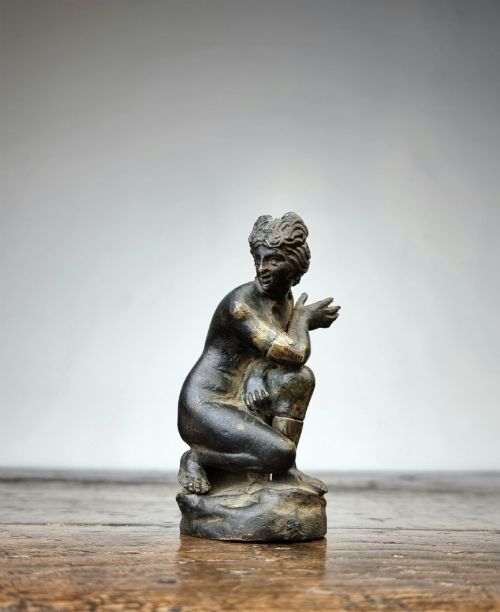
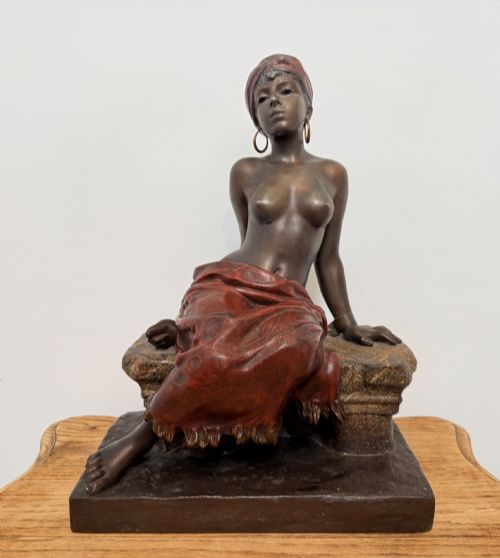
A bronze nude figure brings the weight of classical form and modernist line directly into a room.
Bronze Nude Figure
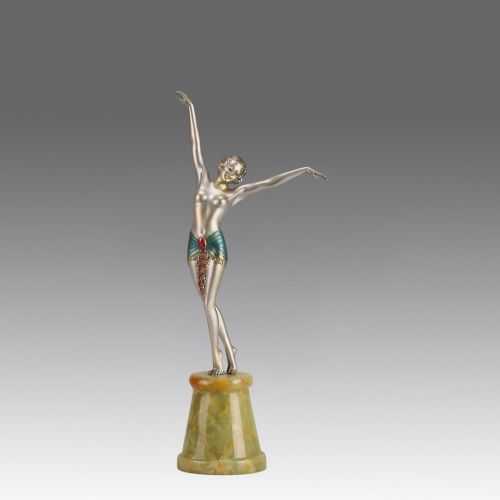
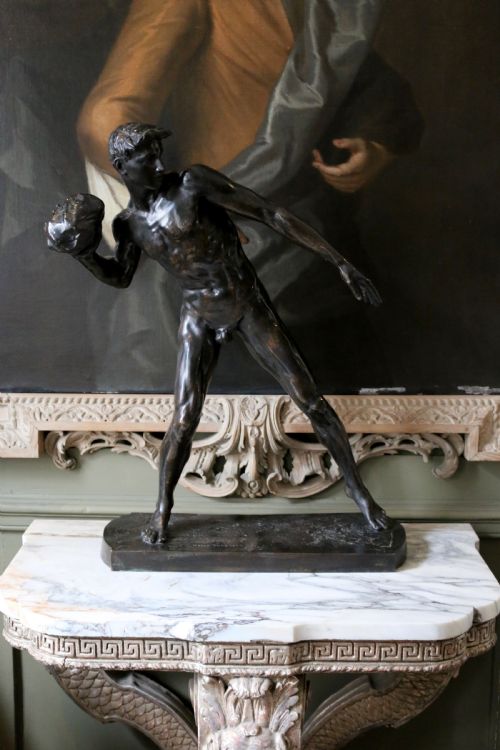
A bronze nude figure sits at the intersection of classical tradition and twentieth-century decorative arts. When you search for this phrase, you encounter representations of the human form cast in metal, ranging from ancient mythic subjects to sleek modernist dancers.
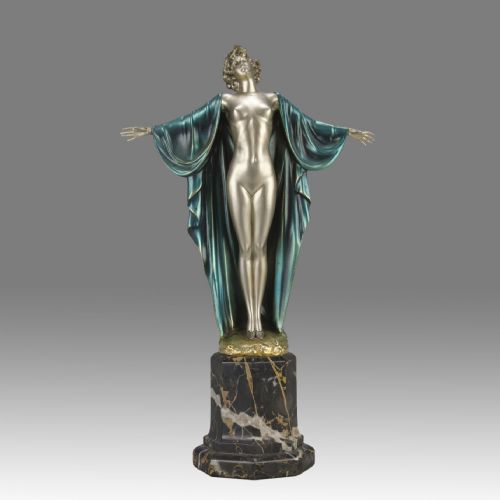
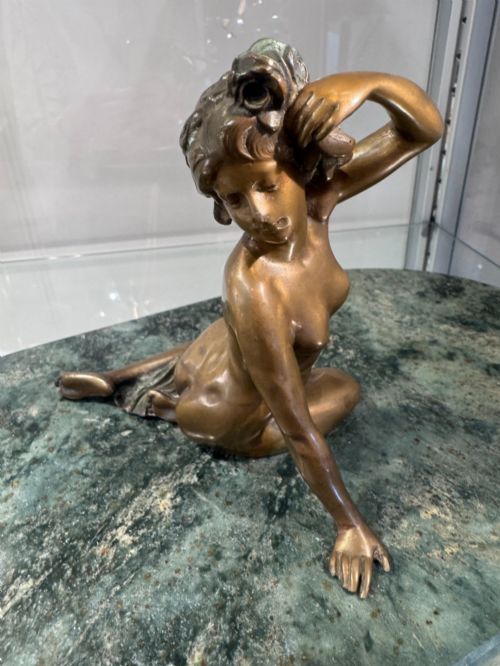
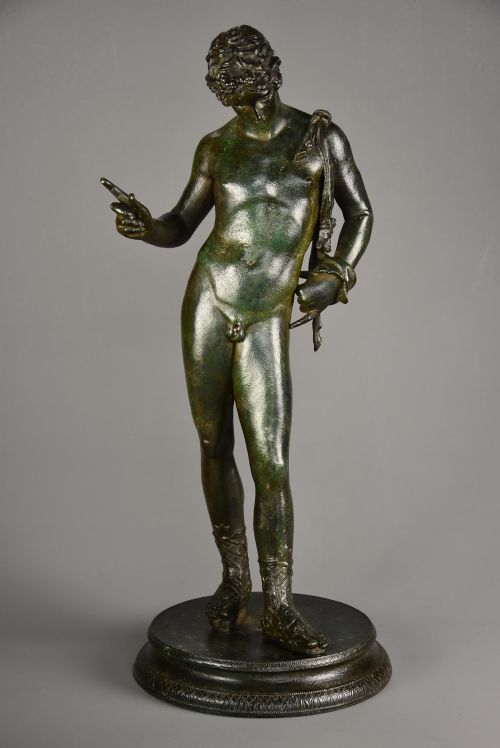
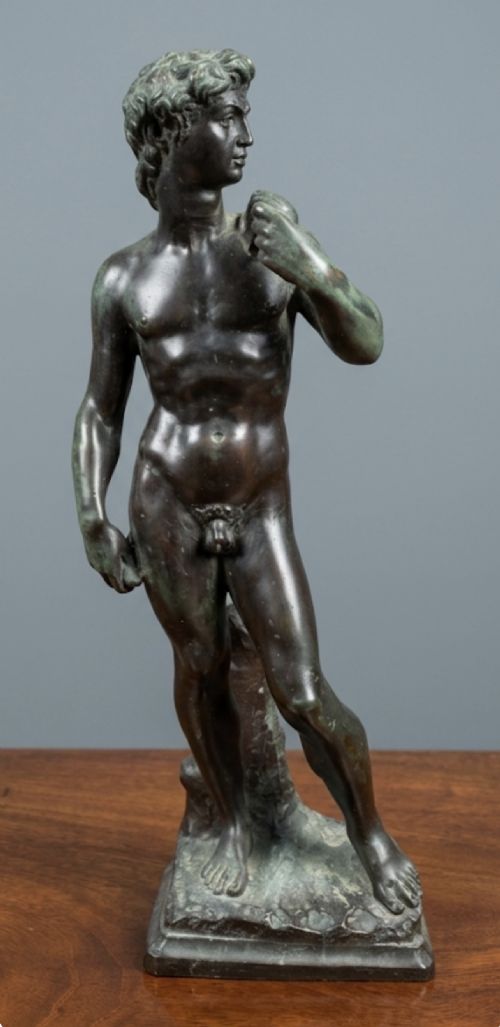
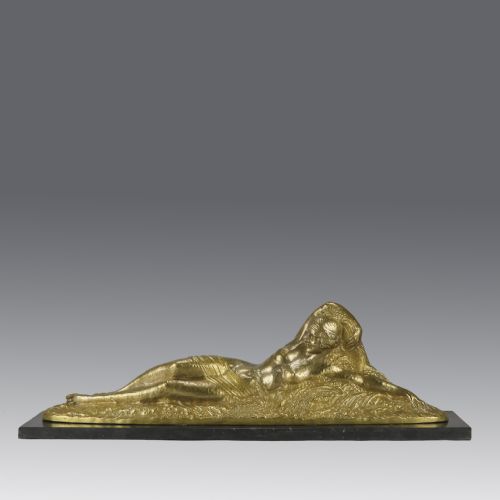
The pieces most frequently met on this page span the nineteenth and early twentieth centuries, drawing heavily on Neoclassical, Art Nouveau, and Art Deco aesthetics. They appear as cabinet statuettes, table lamps, and large-scale salon sculptures.
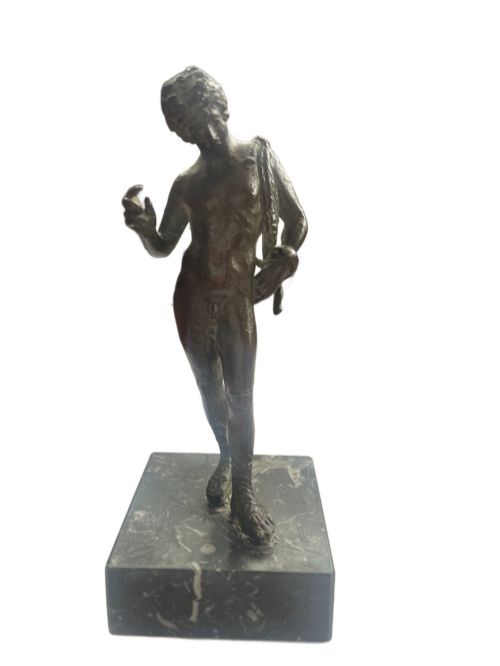
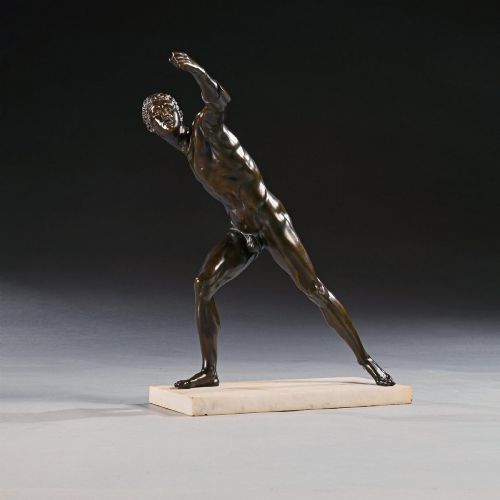
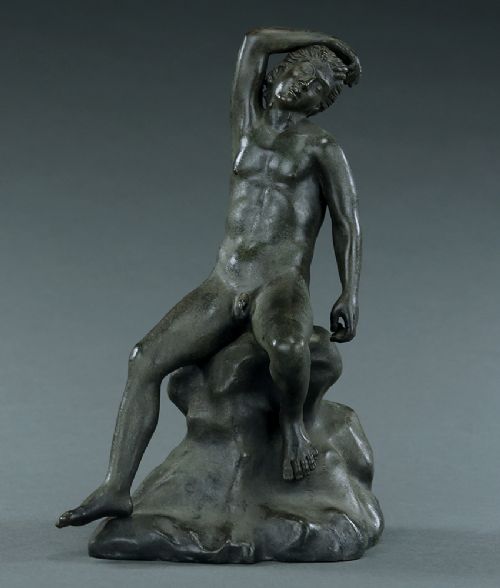
Many adopt poses derived from antiquity, such as the dancing faun or resting athletes, while others capture the stylised geometry of the interwar period. The scale shifts from small cabinet bronzes to commanding floor and table pieces.
Materials and casting methods
The pieces rely primarily on traditional metal casting techniques, predominantly utilising bronze alongside patinated metal and gilt variants. Molten metal was poured into moulds to capture fine anatomical details and drapery.
Surfaces frequently receive chemical treatments to produce green, dark, or cold-painted patinations that mimic age or accentuate the contours of the body. Many figures are mounted on integral bases of marble, onyx, or alabaster to provide stability and contrast.
Nineteenth-century Grand Tour reductions sit alongside 1930s Art Deco dancers.
Factors of distinction
The quality of the patina and the integration of the secondary materials, such as a fitted marble base or hand-applied cold painting, dictate the overall visual harmony. The reputation of the foundry and the clarity of the signature also influence the standing of the work.
Ferdinand Barbedienne·Ferdinand Preiss·Josef Lorenzl·Demetre Chiparus·Pierre Le Faguays·Bergman
The Bronze Nude Figure Glossary
- Patination
- The chemical or natural coloration applied to the surface of the metal. This process enhances depth and protects the bronze over time.
- Cold-painted
- A technique where paint is applied to cold metal without subsequent firing. It is frequently seen on Austrian cabinet bronzes from the early twentieth century.
- Grand Tour
- Souvenirs acquired by wealthy travellers in the eighteenth and nineteenth centuries. These pieces typically replicated famous classical sculptures from Italian collections.
- Lost-wax casting
- A method where a wax model is melted out and replaced with molten metal. This technique allows for intricate and highly detailed sculptural output.
- Spelter
- An alloy of zinc and lead often used as a less expensive alternative to bronze. It frequently appears in decorative figures from the Art Deco period.
Bronze Nude Figure: Frequently Asked Questions
How do I clean a bronze nude figure?
Dust the surface gently with a soft, dry brush to prevent dirt accumulation in the crevices. Avoid using water, polishes, or chemical cleaners that can strip the original patina.
Apply a very thin coat of microcrystalline wax if the metal requires protection against moisture. Buff it lightly with a clean cloth to maintain a stable finish without creating a high gloss.
How can I tell bronze from spelter?
Bronze is heavier, colder to the touch, and rings with a clear tone when tapped gently. Spelter is softer, lighter, and often shows a greyish metal beneath worn areas of the surface.
Look closely at the underside or base where the metal meets the mount. A magnet will not stick to bronze, though some base pins or internal fixings might contain iron.
Were these figures meant for gardens or interiors?
Almost all pieces recorded here were designed as interior cabinet or table sculptures. Their patinas and mixed materials, such as marble or cold-painted enamel, are sensitive to damp and direct sunlight.
Display them away from radiators and windows to preserve the integrity of the surface finish. Outdoor placement would quickly degrade the delicate patination and stone bases.
What does Grand Tour mean?
Grand Tour refers to the educational journey undertaken by wealthy young Europeans to view the classical antiquities of Italy. Travellers purchased bronze reductions of famous statues as mementoes of their travels.
These reductions capture the proportions of antique marbles housed in museums across Rome and Naples. They represent a distinct nineteenth-century taste for classical antiquity.