



Bronze Musical Sculptures
Bronze musical sculptures capture figures playing instruments in cast metal, bringing classical harmony and decorative character to an interior.
Bronze Musical Sculptures
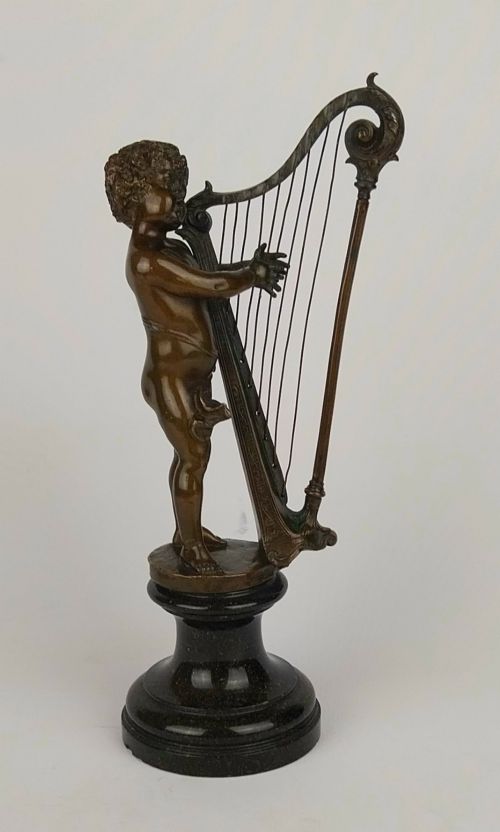
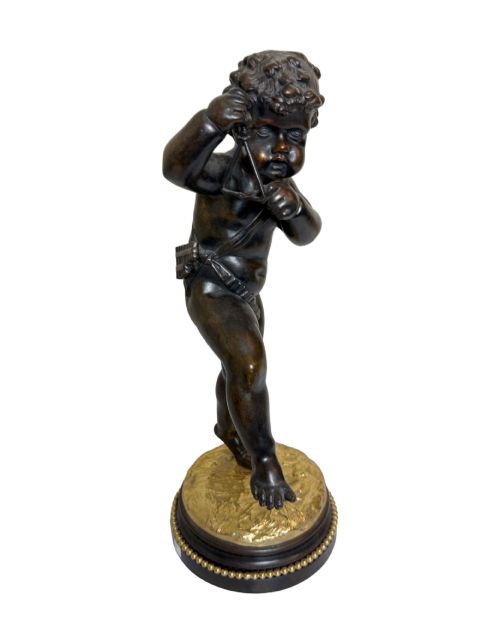
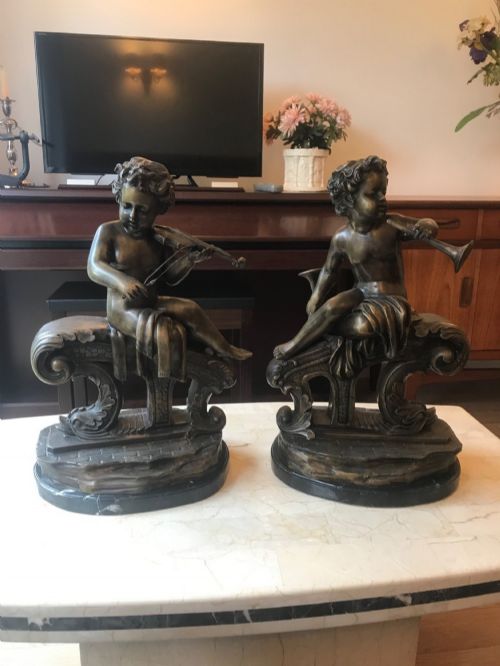
Bronze musical sculptures represent figures engaged with instruments, ranging from cherubs with triangles to classical musicians and literary characters like the Pied Piper. These works appear across the nineteenth and early twentieth centuries, spanning periods such as the eighteen-eighties, nineteen-tens, and nineteen-thirties.
Buyers encounter various forms on this page, including single figures, matched pairs, and larger statues. Materials extend beyond pure metal to incorporate marble, gilt bronze, wood, terracotta with pigment, and onyx bases.
How they were made
Sculptures frequently mount upon heavy stone supports such as marble or onyx to provide stability and visual contrast. Wood also appears in the construction of bases or associated elements for these figures.
Bronze Musical Sculptures Retail Price Guide 2026
Typical asking prices for bronze musical sculptures among the pieces listed under this phrase on Sellingantiques today, from the lower quarter to the upper quarter. They describe what is for sale here now, not the wider market.
Several cherubs on this page appear caught mid-tune, holding triangles without a care for the nineteenth-century drawing room.
What varies in quality
The choice of base materials, such as genuine marble or onyx versus simpler supports, contributes to the overall distinction of the piece. Larger scales and matched pairs also introduce greater visual presence.
Rousseau·Pietro Calvi·Josef Lorenzl
The Bronze Musical Sculptures Glossary
- Bronze
- A copper alloy traditionally utilised for casting durable sculptures with fine surface detail. It develops a rich patina over time.
- Gilt bronze
- Metal treated with a fine layer of gold or gold-coloured wash to impart a bright, reflective finish. This technique enhances decorative elements on nineteenth-century pieces.
- Terracotta
- Fired clay moulded into sculptural forms and often painted with pigment. It allows for highly expressive modelling by the artist.
- Onyx
- A banded variety of chalcedony frequently used for decorative statue bases. Its polished surface provides a smooth contrast to cast metal.
Bronze Musical Sculptures: Frequently Asked Questions
Where should I display a bronze figure?
These sculptures suit stable, level surfaces where their weight and material can be appreciated safely, such as sideboards, mantelpieces, or dedicated pedestals.
Ensure the location protects the piece from excessive moisture and direct handling, particularly for works incorporating terracotta or delicate painted surfaces.
How do I care for bronze sculptures?
Dust the metal gently with a soft, dry cloth to prevent the accumulation of grit within recessed details. Avoid using commercial polishes or abrasive cleaners, which can strip the natural patina developed over decades.
For pieces with mixed materials like marble or onyx, wipe the stone bases separately with a damp cloth and dry immediately.
How can I tell the period of a piece?
Examine the stylistic cues, such as the neoclassical drapery or Art Deco lines, which align with specific decades like the nineteen-twenties or Victorian era. Maker signatures and the composition of the base materials also offer clues to the date of manufacture.
Comparing the casting sharpness with known examples from the same era helps confirm authenticity.
Are these sculptures suitable for daily handling?
Cast metal and stone figures are designed primarily for visual display rather than regular handling. Frequent touching can transfer skin oils to the metal, potentially altering the patina over time.
Positioning the sculptures out of reach of busy walkways preserves their condition.