







Bronze Mounted Stand
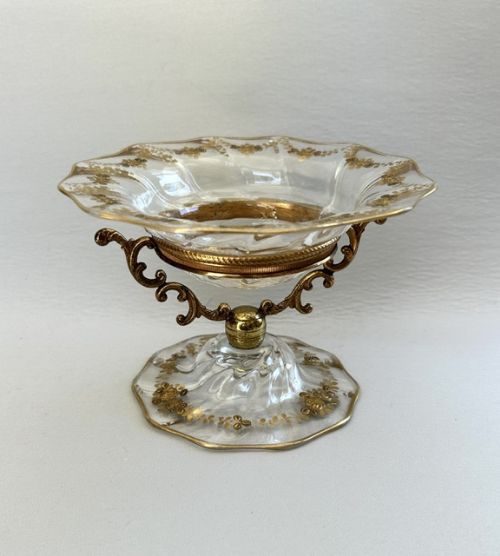
A bronze mounted stand brings together rich timber, cold stone, and cast metal to elevate sculpture, plants, and lamps in a room.
Bronze Mounted Stand
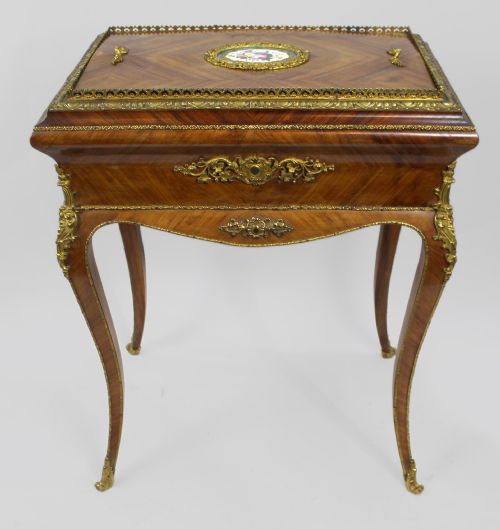
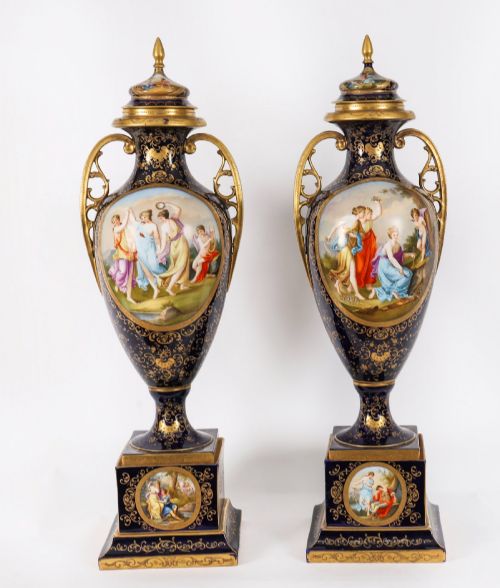
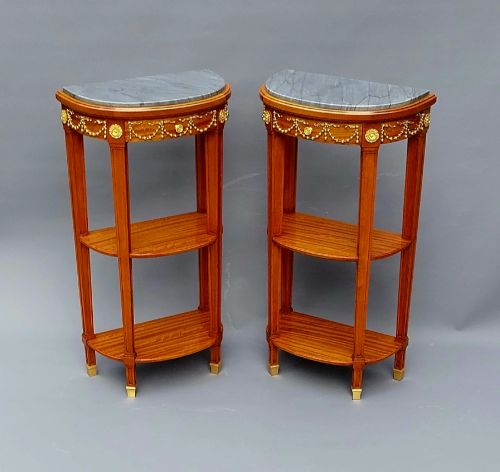
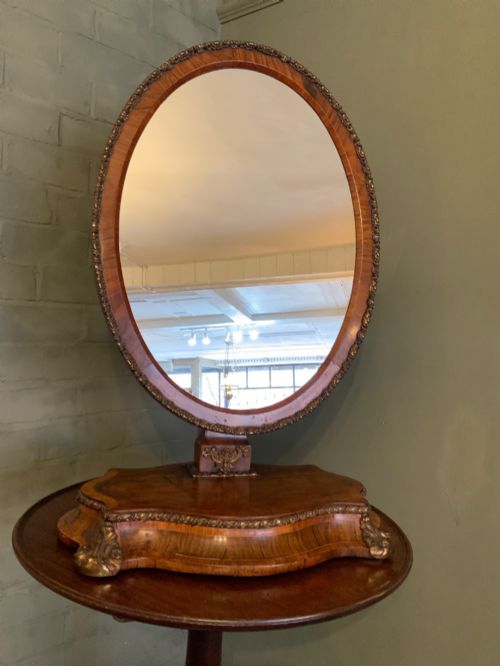
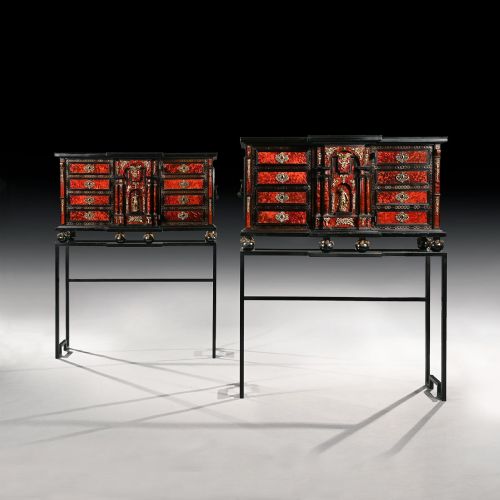
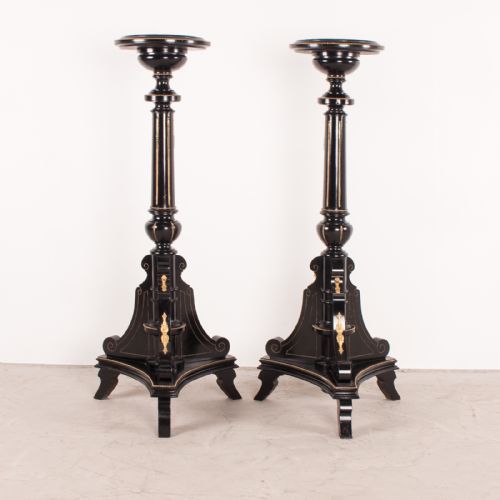
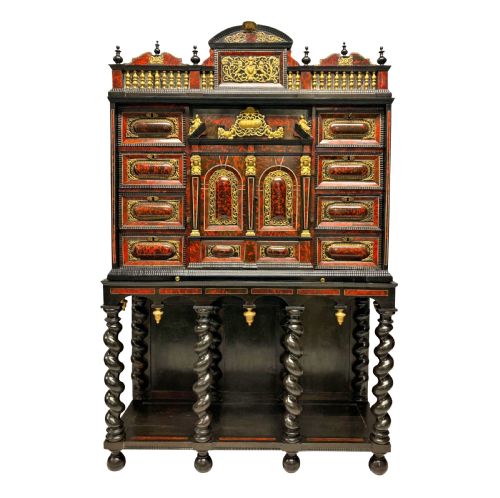
A bronze mounted stand takes many forms across the selection, including side tables, pedestals, jardinières, and cabinets raised on legs or plinths. These pieces originate primarily from the nineteenth century, drawing heavily on French revival styles such as Louis XV, Louis XVI, and Empire.
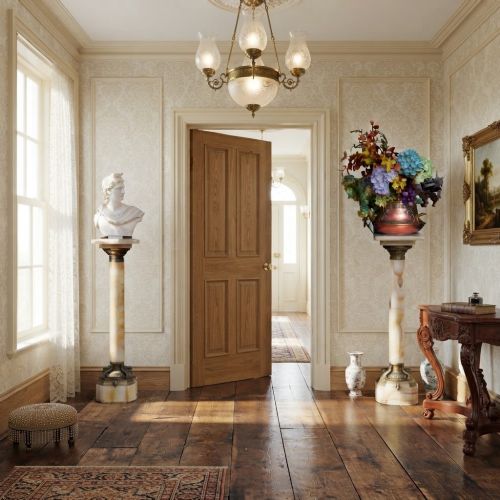
The most frequent version met on this page is the jardiniere or planter, often fashioned from kingwood or walnut and accented with gilt bronze mounts and porcelain plaques. Alongside these, buyers encounter marble columns and occasional tables designed to support lamps, vases, or busts.
Originating largely from French workshops and cabinet makers, these stands served both functional and decorative roles in nineteenth-century interiors. They reflect a period of eclectic taste where historical revivals dominated high-end furniture production.
Materials and Construction
Makers constructed the carcases of these stands using dense timbers like mahogany, walnut, and kingwood, frequently applying intricate marquetry or ebonising to the surfaces. Marble tops and porcelain plaques were then integrated into the timber structures to provide durable and decorative working surfaces.
Ormolu and gilt bronze mounts were cast, chased, and fire-gilt before being screwed or pinned onto the corners, aprons, and legs of the stands. These metal additions served both to reinforce structural joints and to frame the panels of wood and stone.
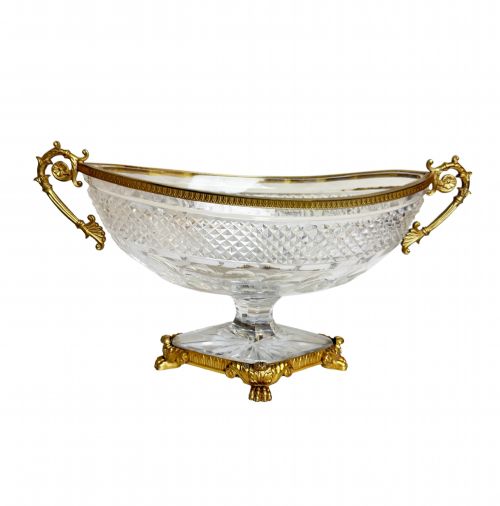
Secondary woods such as oak or pine appear on the interiors of drawers and carcase backs, while brass and gilded elements accent columns and pedestals of onyx and crystal.
Bronze Mounted Stand Retail Price Guide 2026
Typical asking prices for bronze mounted stand among the pieces listed under this phrase on Sellingantiques today, from the lower quarter to the upper quarter. They describe what is for sale here now, not the wider market.
Several stands double as wine coolers, proving that nineteenth-century hosts liked their refreshment close at hand.
The Measure of Craft
Quality rests heavily on the crispness of the bronze chasing and the depth of its fire-gilding, where sharper details and warmer tones indicate superior foundry work. Castings that appear soft, muddy, or dull suggest mass production or later replacement.
The precision of the cabinetwork dictates the integrity of the piece, visible in the tightness of the timber veneers, the alignment of marquetry, and the stability of the marble or onyx inserts. Substantial weight, solid secondary framing, and securely fitted mounts separate the finest workshop productions from simpler commercial outputs.
Gabriel Viardot
The Bronze Mounted Stand Glossary
- Ormolu
- Gilded bronze, usually produced by applying an amalgam of gold and mercury to cast bronze before heating. This technique creates a durable, warm metallic finish common on nineteenth-century French furniture.
- Jardinière
- A decorative stand or container designed to hold plants or flowers. In this selection, they frequently incorporate waterproof metal liners and porcelain plaques.
- Marquetry
- The art of applying pieces of veneer to a structure to form decorative patterns or pictures. Makers used contrasting woods like walnut, kingwood, and satinwood to achieve pictorial depth.
- Gueridon
- A small circular table supported by one or more columns or pedestals. They often feature marble tops and gilt bronze mounts.
- Etagere
- A piece of furniture consisting of a set of open shelves for displaying small objects. These often include slender supports and decorative mounts.
Bronze Mounted Stand: Frequently Asked Questions
What are bronze mounted stands?
These are decorative items of furniture incorporating cast bronze or ormolu mounts fixed to wooden, marble, or porcelain structures.
They encompass tables, pedestals, and plant stands designed to display ornaments in nineteenth-century interiors.
How were these stands used?
Owners placed them in reception rooms and parlours to hold heavy porcelain vases, sculptural busts, lamps, or living plants.
Some served as smoking tables or tea tables, while tall pedestals lifted art objects to eye level.
How do I care for marble tops?
Wipe marble surfaces with a soft, damp cloth and avoid acidic cleaners that can etch the polish.
Use coasters under glasses and protect the stone from heavy impacts that might cause chipping.
How can I identify the period?
Examine the construction methods, timber choices, and stylistic revival cues such as Louis XV or Empire motifs.
Nineteenth-century pieces often combine machine-cut elements with hand-chased bronze mounts characteristic of the period.