


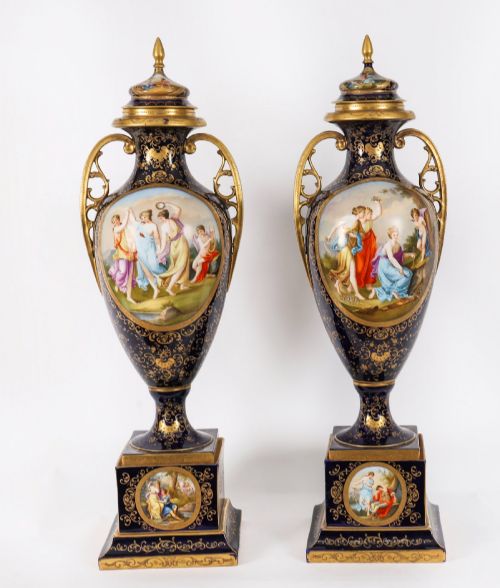

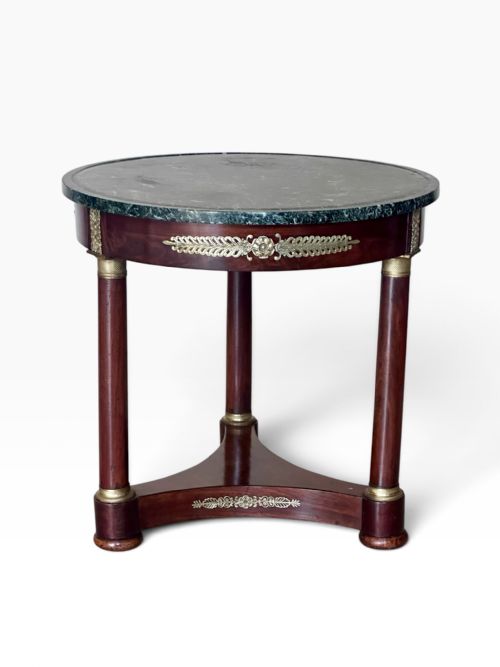
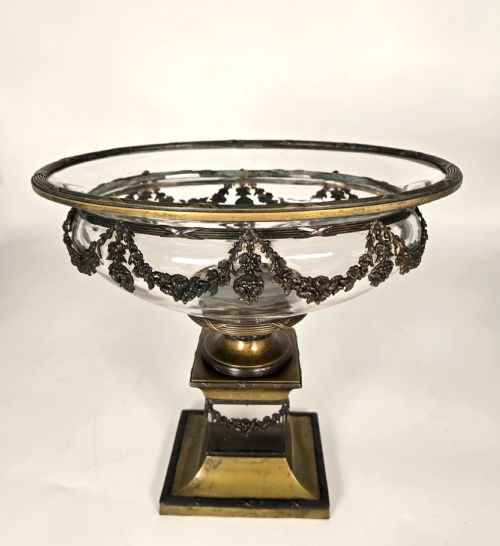
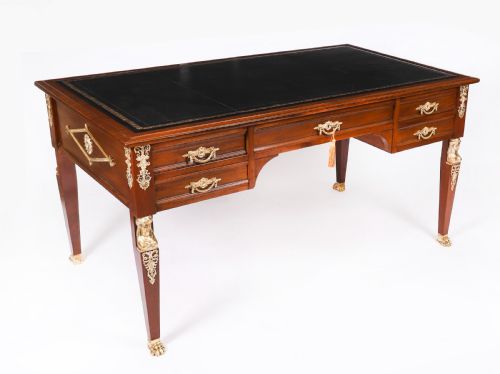
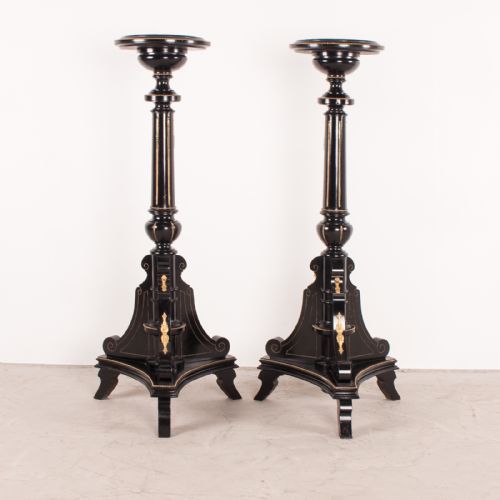

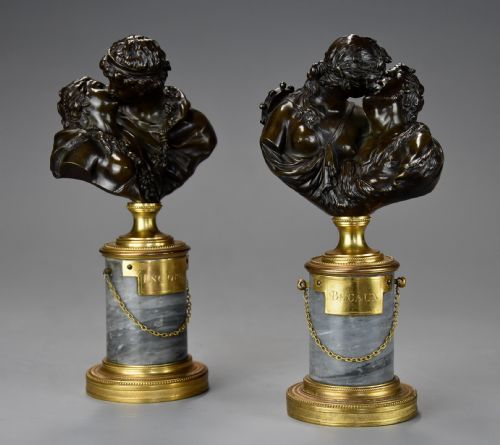
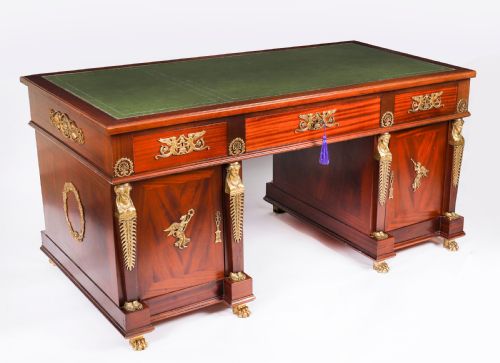
Bronze Mount Pedestal
A bronze mount pedestal brings architectural presence and refined French styling to a room, supporting urns, busts or lamps with classical flair.
Bronze Mount Pedestal
A bronze mount pedestal is an elevated column or stand designed to display decorative objects, utilising substantial stone shafts and decorative metal fixtures. When searching for a bronze mount pedestal, collectors typically encounter 19th-century French designs fashioned from contrasting natural materials.
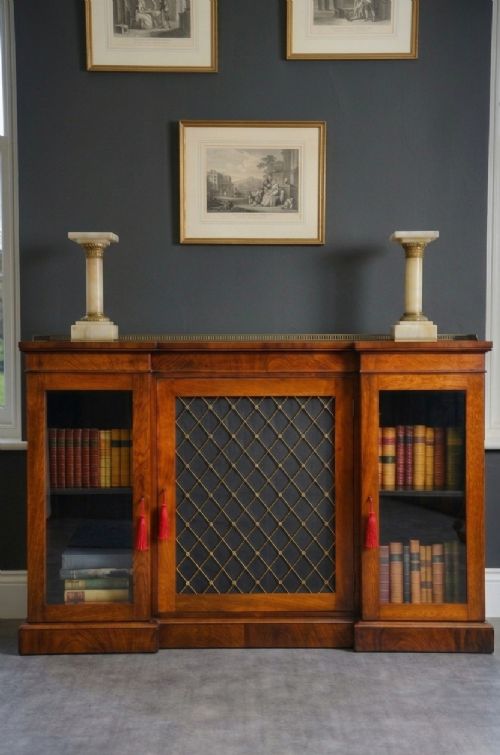
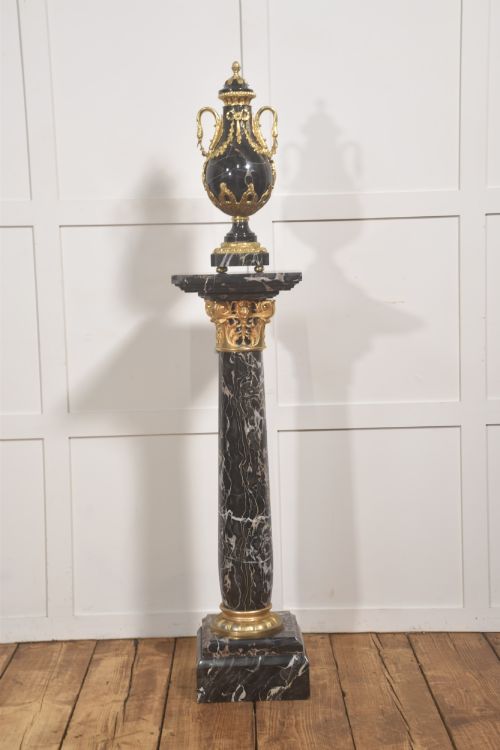
The selections span various forms including tall onyx columns, marble shafts, and rotating stands influenced by Louis XVI style and French Empire aesthetics. These pieces serve as focal points in period interiors, raising sculptural works or vases to eye level.
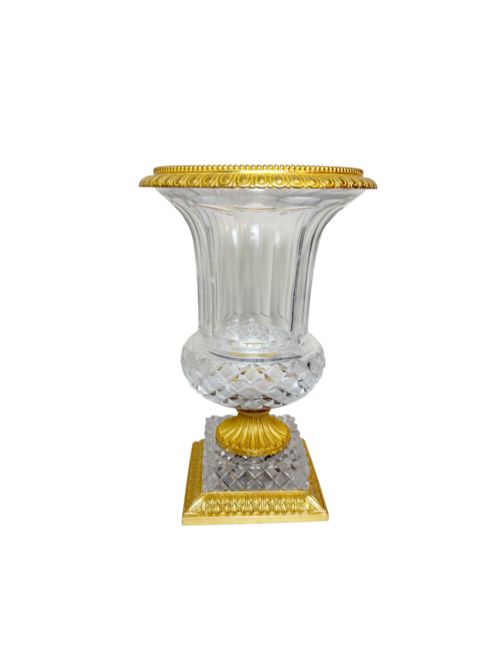
Examples often incorporate decorative collars, bases, and capitals cast in gilt bronze or ormolu. Such details reflect historic neoclassical tastes popular during the Victorian era and the broader nineteenth century.
How they were made
Makers constructed these supports using dense natural minerals like marble, onyx, and sometimes mahogany, turning or cutting the stone to form smooth cylindrical or fluted columns. These solid bodies provide the necessary weight and balance for supporting heavy porcelain or bronze items placed on top.
Metal components were produced through metal casting, frequently finished with fire gilding or ormolu to create a bright golden contrast against dark stone or polished wood. These cast bronze mounts were then secured around the capitals and bases with pins or screws, accentuating the architectural lines of the pedestal.
Bronze Mount Pedestal Retail Price Guide 2026
Typical asking prices for bronze mount pedestal among the pieces listed under this phrase on Sellingantiques today, from the lower quarter to the upper quarter. They describe what is for sale here now, not the wider market.
What varies in quality
The refinement of the cast bronze mounts dictates much of the visual success, where sharply chased details and deep relief separate superior work from softer, simpler castings. Artisans who spent extra time hand-chasing the bronze after casting achieved crisper acanthus leaves and more distinct geometric borders.
The selection of the stone shaft also alters the overall merit, with evenly veined marble or unblemished translucent onyx representing higher material standards. Sound structural joinery between the stone column and its metal mounts ensures the piece remains stable under heavy display objects.
Mercier Frères·Zwiener Jansen Sucesseur·François Linke
The Bronze Mount Pedestal Glossary
- Ormolu
- Gilt bronze applied to furniture and decorative objects. The technique involves treating brass or bronze with a gold amalgam and heating it to leave a rich golden layer.
- Onyx
- A banded variety of chalcedony quartz used frequently for columns and pedestals. Its translucent layers provide a distinctive natural pattern.
- Gueridon
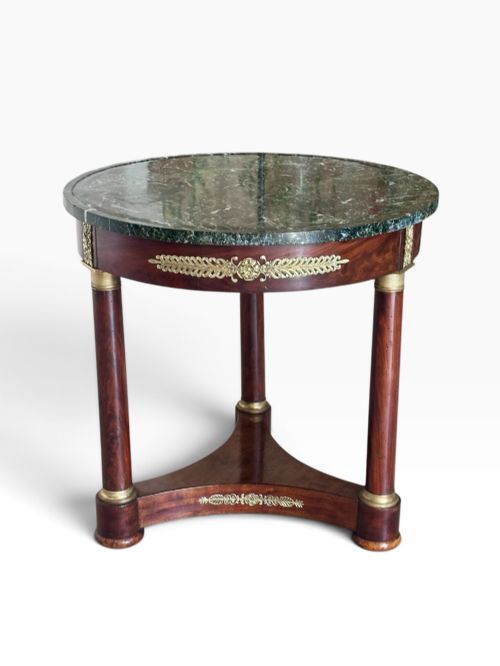
- A small round table originating in France during the seventeenth century. Many examples incorporate central pillars and decorative mounts.
- Louis XVI Style
- A neoclassical design movement characterised by straight lines, symmetry, and classical motifs. It draws heavily on ancient Greek and Roman architecture.
- Cassolette
- A decorative vessel shaped like an urn, often fitted with a reversible lid. They frequently appear on pedestals or stands in 19th-century interiors.
Bronze Mount Pedestal: Frequently Asked Questions
What were pedestals used for originally?
Historically, pedestals functioned as display stands to elevate sculptures, large vases, and classical busts above floor level. This placement allowed viewers to examine three-dimensional artwork closely.
In grand houses and salons, they occupied corners or centre spaces to showcase prized possessions and demonstrate the owner's cultural interests.
How do I style a pedestal at home?
A pedestal looks best positioned in an empty hallway corner, a drawing room alcove, or framing a fireplace. Placing a single striking object on top keeps the focus on both the stand and the item.
Heavier marble and onyx versions require stable flooring to support their considerable weight safely without tilting.
How can I tell the period of a pedestal?
Dating relies on examining the combination of materials, the style of the cast bronze mounts, and the construction methods underneath. Nineteenth-century pieces frequently display Neoclassical or Louis XVI revival motifs.
Turned stone columns paired with fire-gilded ormolu mounts typically point toward French manufacturing traditions of the Victorian era.
What is the difference between marble and onyx columns?
Marble columns feature opaque crystalline stone with varied mineral veining, offering a solid and uniform appearance. They were widely used for heavy architectural supports.
Onyx columns possess a semi-translucent quality with layered banding that allows light to pass slightly beneath the surface, creating a warmer glow.