






Bronze Maiden Sculpture
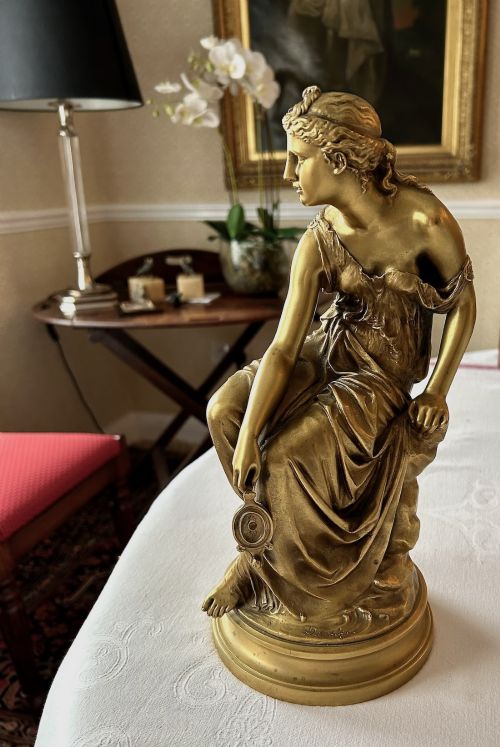
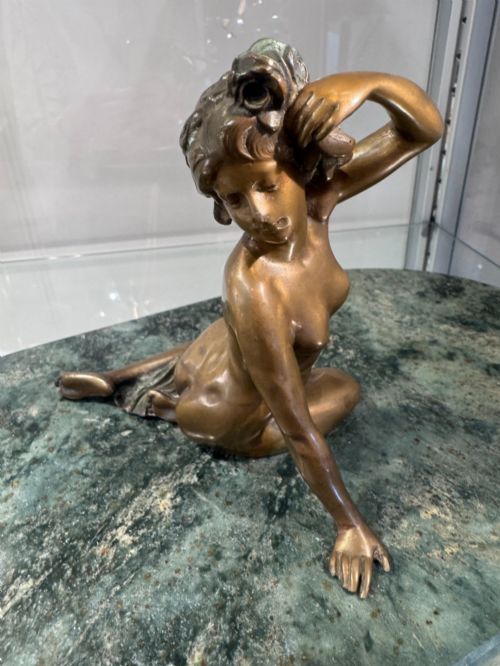
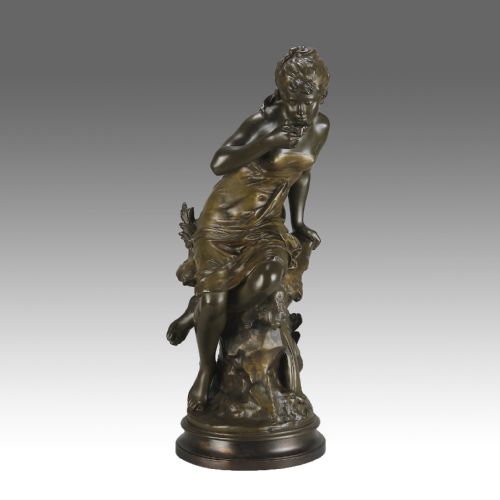
A bronze maiden sculpture brings classical grace and expressive figural artistry into a room, capturing mythological figures, dancers, and allegorical subjects.
Bronze Maiden Sculpture
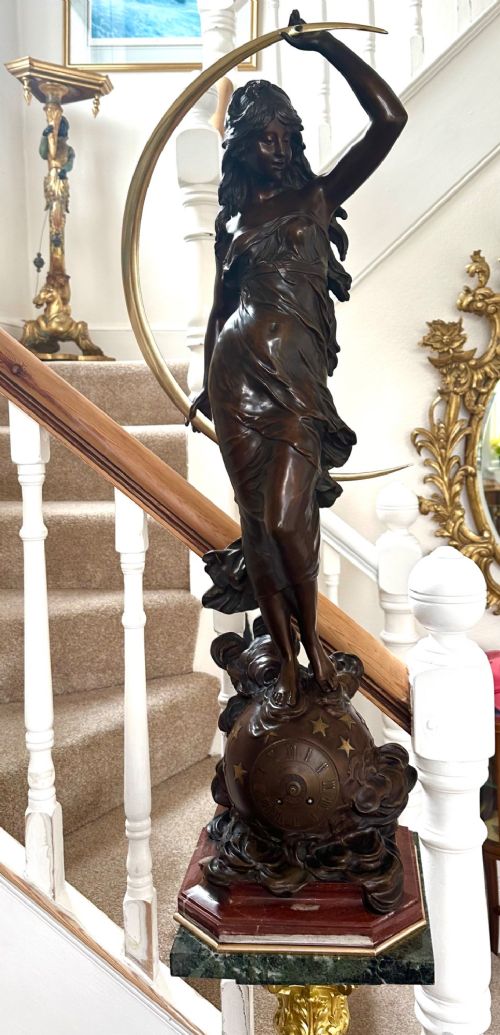
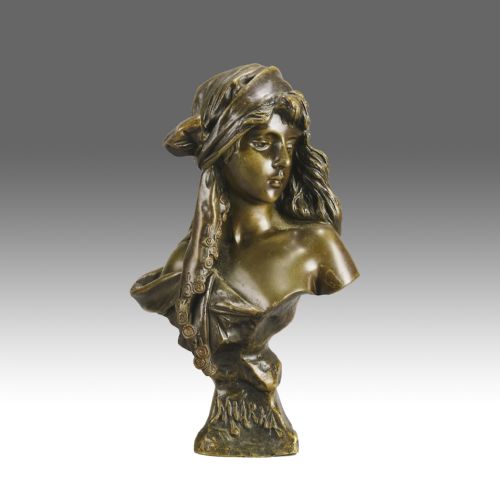
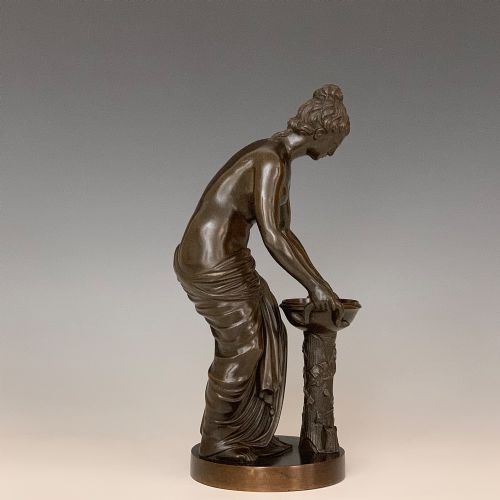
A bronze maiden sculpture takes the form of classical robed ladies, dancers, mythological subjects like Selene and Danaides, and allegorical figures representing the seasons or youth. These works span the nineteenth and early twentieth centuries, emerging through periods defined by Neoclassical, Art Nouveau, and Art Deco aesthetics.
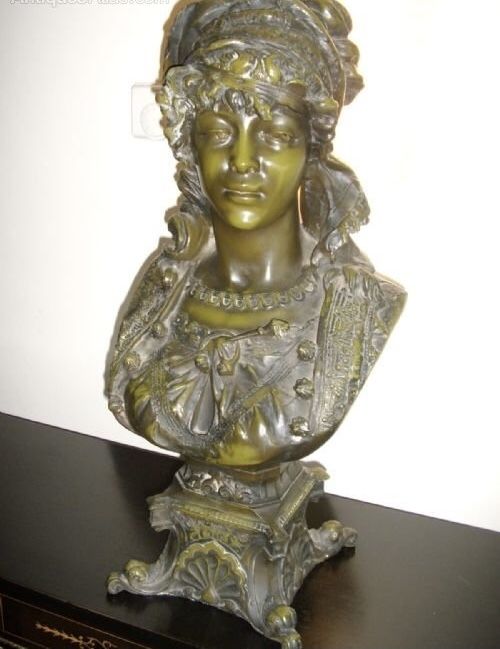
The most common examples you will encounter on this page are French and Austrian figural bronzes, table lamps, and portrait busts produced between 1880 and 1930. Many stand mounted on marble plinths, ranging from intimate cabinet pieces to substantial statues depicting figures such as Mignon or dancers by the likes of Bruno Zach and Claire Jeanne Roberte Colinet.
Makers and foundries stamped signatures into the metal or incorporated names directly into the casts, linking specific models to renowned sculptors and commercial producers. Alongside solid cast metal, the selections encompass patinated and gilt surfaces, as well as alternative mediums like bronzed terracotta and spelter.
Materials and technique
Foundries cast these figures primarily in bronze, utilising both hot casting methods and cold-painting techniques to achieve varied tonal surfaces. Gilt bronze and patinated finishes define the metalwork, bringing out the intricate drapery of classical garments and the fine details of hair and facial expressions.
Many sculptures incorporate contrasting elements, pairing the cast metal with carved marble bases or integrating materials such as terracotta and bronzed plaster. Figures by makers like Ferdinand Preiss also combine metal with carved elements in chryselephantine works, while others utilise paint over metal or plaster substrates.
Bronze Maiden Sculpture Retail Price Guide 2026
Typical asking prices for bronze maiden sculpture among the pieces listed under this phrase on Sellingantiques today, from the lower quarter to the upper quarter. They describe what is for sale here now, not the wider market.
A classical maiden caught mid-stride with a snake provides permanent drama for any mantelpiece.
What varies in quality
The choice and execution of the base material also influence the standard of the piece, with substantial veined marble mounts and integrated foundry markings indicating higher tiers of manufacture. Signed works by recognised sculptors carry distinct artistic authority over anonymous or later commercial editions.
Etienne-Henri Dumaige·Bruno Zach·Moreau Family·August Moreau·Mathurin Moreau·Emmanuel Villanis·Henry Wissen Senior·C J R Colinet·Zoldan Kovats·S Kinsburger·Clodion·Claudius Marioton·Hans Müller·Charles Korschann·Ferdinand Preiss·Georges Van Der Straeten·Goldscheider·Guillot·Maurice Bouval·H Moreau·Houdebine·C Neuhaus·Jean Jacques Pradier·Victor Paillard·Devaulx
The Bronze Maiden Sculpture Glossary
- Patinated bronze
- A metal sculpture treated with chemical solutions to produce a darkened or coloured surface finish. This technique protects the metal and highlights sculptural details.
- Chryselephantine
- A term describing statues made from a combination of bronze and ivory or bone. This method was widely utilised during the Art Deco period for figural sculptures.
- Spelter
- An alloy of zinc and lead used as a cheaper alternative to bronze. It was frequently painted or bronzed to simulate solid cast metal.
- Grand Tour
- Souvenirs and classical replicas acquired by travellers during nineteenth-century journeys through Europe. These pieces often replicated ancient statues in reduced scale.
- Terracotta
- Fired clay used for sculptural reliefs and portrait busts. The material allows for hand-modeled surface textures before firing.
Bronze Maiden Sculpture: Frequently Asked Questions
How do I identify Art Nouveau bronzes?
Art Nouveau bronzes display flowing, organic lines inspired by natural forms, often featuring stylized hair and draped garments. Subjects frequently include dancers, allegories of seasons, and female figures with soft, sinuous postures.
Signatures etched into the base and foundry marks from the late nineteenth or early twentieth century further help date these pieces accurately.
What is the difference between bronze and spelter?
Bronze is a durable copper alloy that accepts fine detail in casting and holds deep patination over time. Spelter is a softer zinc alloy that feels lighter and was often painted to imitate genuine bronze.
Examining the underside or areas of wear usually reveals the underlying metal colour and density.
Where should I place a bronze maiden sculpture?
These sculptures suit stable, level surfaces away from direct moisture and extreme temperature fluctuations to protect patinated or gilt finishes. Placing them on side tables, desks, or mantelpieces allows proper viewing of their three-dimensional form.
If the piece incorporates a marble base, ensure the supporting furniture can bear the combined weight of the metal and stone.
How do I care for a antique bronze figure?
Dust the sculpture regularly with a soft, dry lint-free cloth to prevent particulate buildup on the surface. Avoid using chemical cleaners, polishes, or water, as these can strip the original patina or damage delicate painted details.
Applying a microcrystalline wax is occasionally practiced by conservators, but standard maintenance requires only gentle cleaning.