





Bronze Lotus Sculpture
A bronze lotus sculpture brings sacred stillness into a room, capturing meditative forms from Himalayan shrines and temple altars.
Bronze Lotus Sculpture
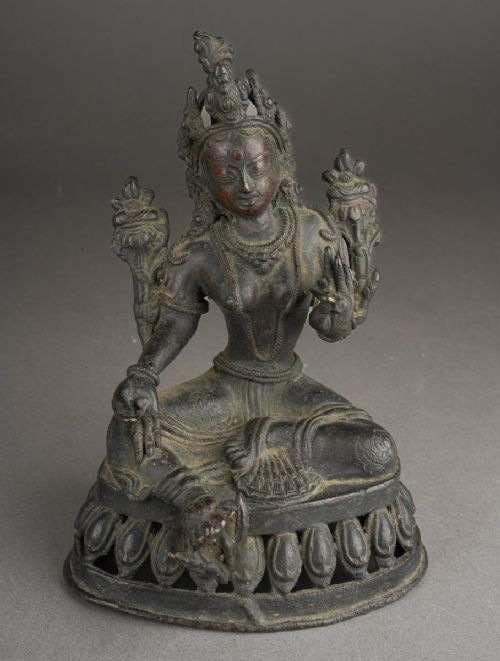
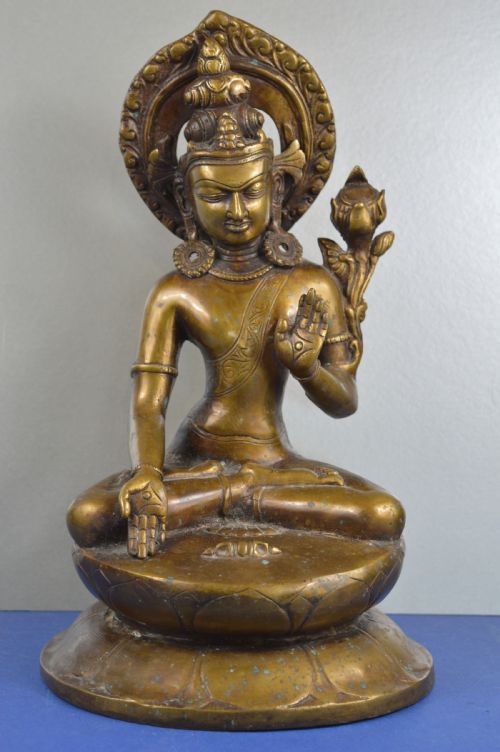
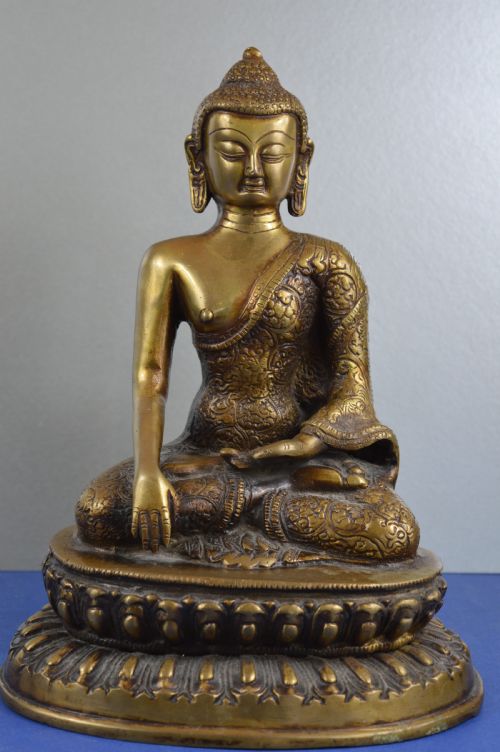
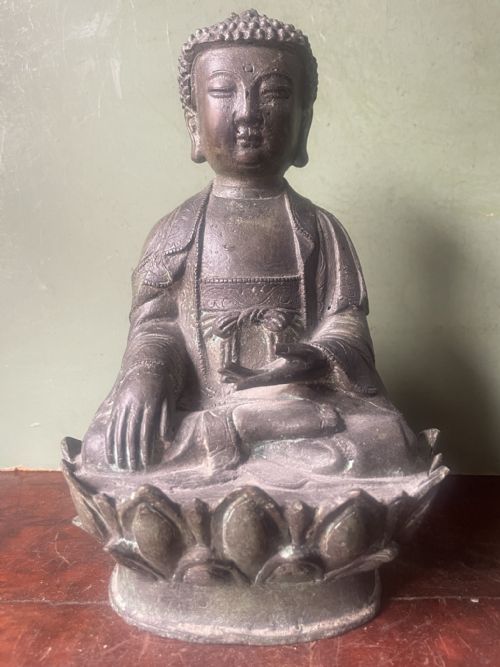
When you search for a bronze lotus sculpture, you encounter sacred figures, protective deities, and contemplative Buddhas seated upon tiered petal thrones or framed by floral iconography. These works originate from diverse traditions spanning Tibetan, Sino-Tibetan, Thai Rattanakosin, and South Indian workshops, reflecting centuries of devout casting.
The objects available on this page range from monumental temple pieces and eleven-headed bodhisattvas to diminutive votive figures and portable shrine statues. Many pieces incorporate gilt surfaces, traces of pigment, or mineral inlays that heighten the ceremonial character of the casting.
Makers across the sixteenth, eighteenth, and early twentieth centuries utilised lost-wax casting methods to render intricate drapery, serene facial expressions, and complex lotus pedestals. Each piece serves as a physical anchor for meditation or ritual devotion, rooted in Buddhist and Hindu iconography.
Materials and casting methods
The lost-wax casting technique allowed founders to capture extraordinary detail in deities, attendants, and floral bases, ensuring that every fold of garment and contour of the lotus flower remained crisp. Surface patination naturally evolved over centuries, ranging from dark oxidized copper tones to bright polished highlights on exposed metal.
Bronze Lotus Sculpture Retail Price Guide 2026
Typical asking prices for bronze lotus sculpture among the pieces listed under this phrase on Sellingantiques today, from the lower quarter to the upper quarter. They describe what is for sale here now, not the wider market.
Listings feature works spanning from the sixteenth century through the early twentieth century, utilising bronze, gilt bronze, and wood.
Assessing quality and presence
Proportion and stance dictate the visual gravity of a figure, with masterworks displaying a serene weight and anatomical balance that lesser commercial castings miss. The integrity of the lotus base, whether single or double tiered, often signals the overall ambition of the original workshop.
The Bronze Lotus Sculpture Glossary
- Mudras
- Symbolic hand gestures used in Buddhist and Hindu iconography to convey specific teachings, protection, or states of meditation. Each distinct placement of the fingers alters the spiritual meaning of the sculpture.
- Gilt-bronze
- A metal object cast in bronze and coated with a thin layer of gold or gold amalgam to create a radiant surface. This finish was traditionally reserved for important altar figures.
- Bodhisattva
- An enlightened being who defers nirvana to assist others along the spiritual path. These figures are typically depicted with elaborate jewellery and refined garments.
- Lost-wax casting
- A historic method where a wax model is encased in clay, melted out, and replaced with molten metal. This technique permitted the creation of complex, undercut forms.
- Votive figure
- An object dedicated to a deity as an act of devotion, prayer, or thanksgiving, usually placed within a domestic shrine or temple.
Bronze Lotus Sculpture: Frequently Asked Questions
How do I care for a bronze sculpture?
Keep the metal dry and dust it gently with a soft brush, avoiding chemical cleaners or polishes that strip historic patination.
Stable indoor humidity prevents any corrosion on exposed copper alloys and protects remaining traces of pigment or gilding.
Where were these figures originally placed?
Devotees placed these sacred figures on household altars, inside portable travel shrines, or within larger Buddhist monastic temples for daily worship.
Garden urns and larger temple vases served architectural or ceremonial functions in Asian courtyards.
What is the significance of the lotus?
The lotus flower symbolizes purity, spiritual awakening, and detachment from worldly desires, rising untainted from muddy waters.
Depicting a deity seated upon a lotus throne emphasises their transcendent nature and enlightened state.