




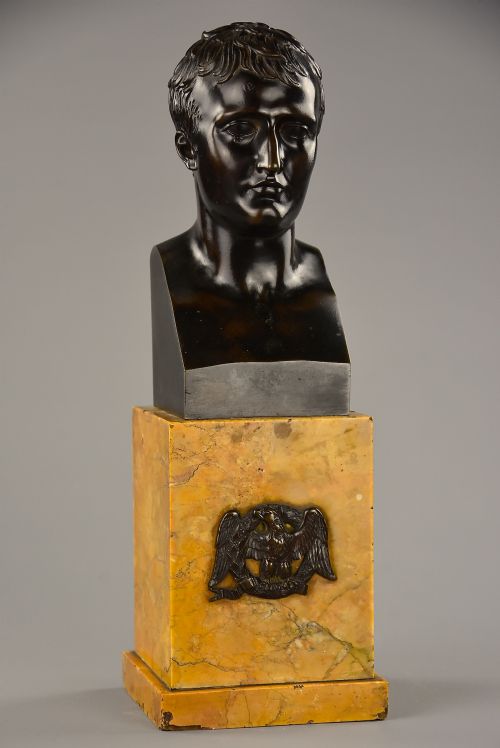


Bronze Head Statue
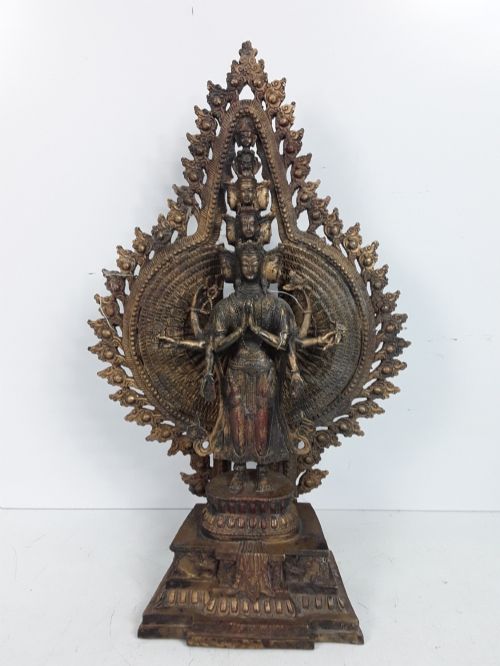
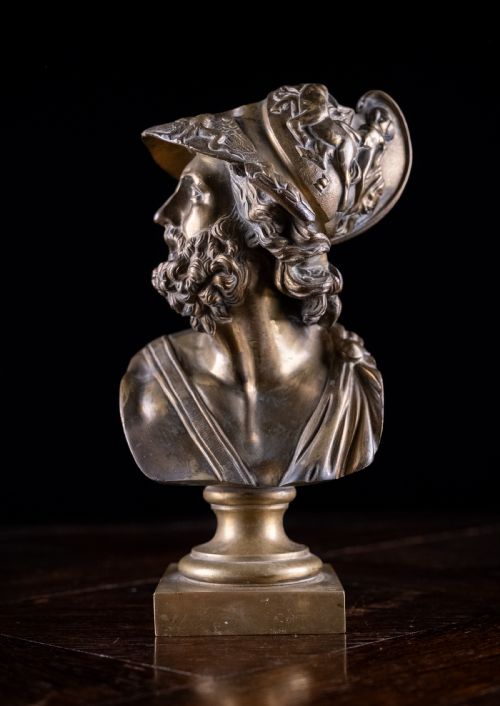
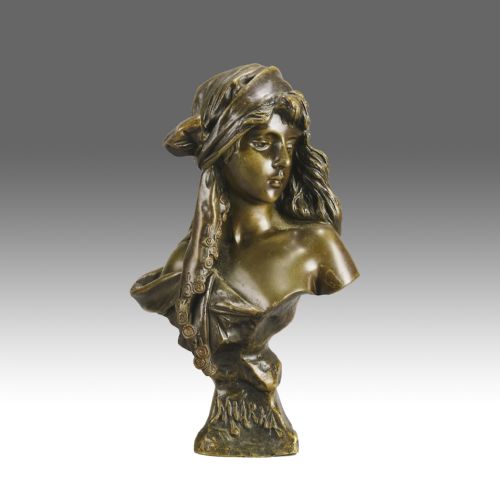
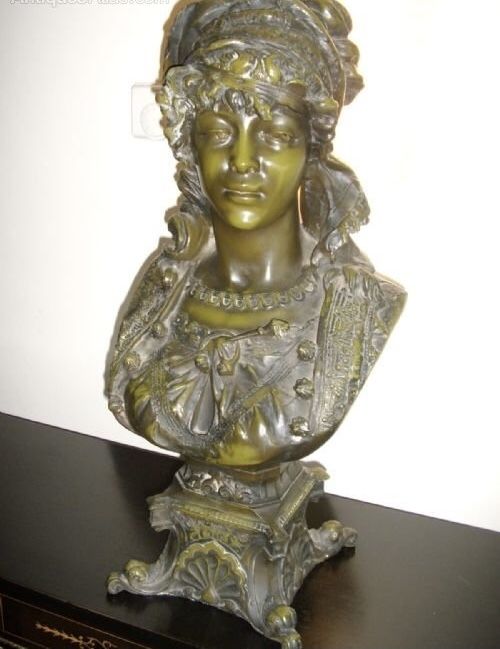
When you search for a bronze head statue, you are looking at sculpted portraits, fountain spouts and religious figures cast in metal or modelled in plaster.
Bronze Head Statue
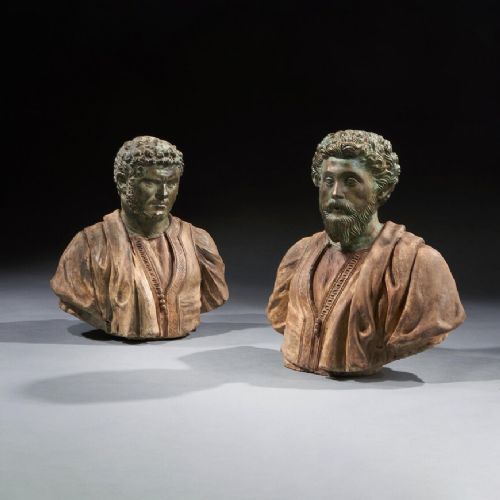
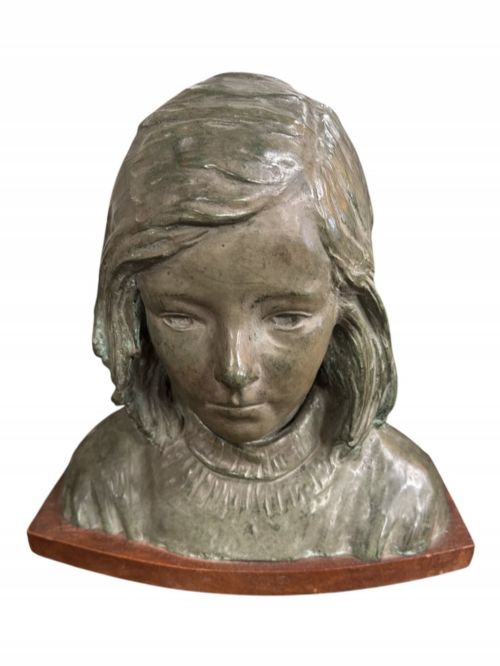
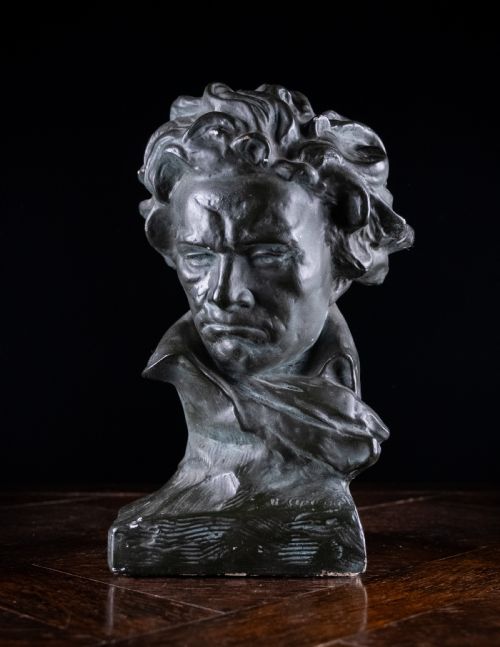
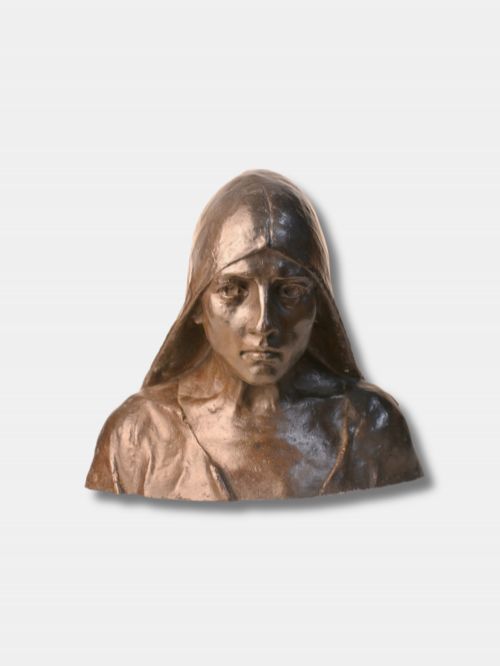
A bronze head statue covers portrait busts of classical emperors, literary figures and young maidens alongside religious deities and animal fountain spouts. You will encounter nineteenth-century Grand Tour souvenirs and Art Nouveau studies most often on this page.
The objects range from cabinet-sized portrait busts to large statues of historical figures, deities and animals. Materials extend beyond bronze to include patinated metals, terracotta, plaster and marble bases.
Origin points span Victorian Britain, France, Italy and further afield to West Africa, India and Tibet. These diverse pieces share a sculptural focus on the human or animal head, rendered with varying degrees of classical influence.
How they were made
Metal sculptures are cast in bronze, gilt bronze or ormolu, frequently utilising patination to alter the surface colour of the metal. Cast iron and bronzed metal provide alternative metallic mediums.
Plaster and terracotta offer modelled rather than cast surfaces, sometimes paired with paint or wood. Many busts are mounted onto dedicated marble bases to elevate the composition.
Hypnos, the ancient Greek god of sleep, appears here as a verdigris bronze study.
What varies in quality
The quality of the material support, such as the selection of veined marble for the base and the depth of the patination, shapes the visual presence of the piece.
Emmanuel Villanis·Henry Wissen Senior·Emile Jespers·A. Mercie·Giuseppe Moretti·Sir Thomas BROCK R A·Cellini·Mathurin Moreau·J Camus·Adolphe Jean Lavergne·Ernest-Eugène Hiolle·Leonhard Posch
The Bronze Head Statue Glossary
- Grand Tour
- A traditional trip through Europe undertaken by upper-class young men in the eighteenth and nineteenth centuries to collect art and antiquities. Souvenirs from these travels included reduced bronze copies of classical statues.
- Patination
- The process by which chemical treatments, age or environmental exposure alter the surface colour of metal. Artisans apply patinas to bronze to create rich brown, green or dark finishes.
- Ormolu
- Finely ground high-carat gold applied to a bronze object, typically using a mercury amalgam technique. This decorative coating gives a bright golden finish seen on nineteenth-century mounts and busts.
- Terracotta
- Fired clay used for sculptural modelling before or instead of casting in metal. Terracotta pieces often retain painted or bronzed surface treatments.
- Bust
- A sculpted or cast representation of a person from the chest up. These portraits focus attention on the facial expression and hairstyle.
Bronze Head Statue: Frequently Asked Questions
What periods do these sculptures come from?
The selection spans the nineteenth century through the early twentieth century, including Victorian and Edwardian works alongside Grand Tour pieces.
You will also find specific dated works from the 1880s, 1890s, 1900s, 1910s, 1920s and 1930s representing various European and global traditions.
What subjects are depicted in these statues?
Subjects range from classical Roman emperors and Greek figures like Apollo and Hypnos to literary figures such as Dante and Milton.
You will also discover portraits of young maidens, historical figures like Napoleon and Louis XIV, religious deities from Tibetan and West African traditions, and animal fountain spouts.
Where were these portrait busts displayed?
Historically, portrait busts of classical figures and literary heroes were displayed in libraries, studies and hallways of grand homes.
Grand Tour souvenirs brought home by travellers served as scholarly ornaments reflecting classical education and refined taste.