
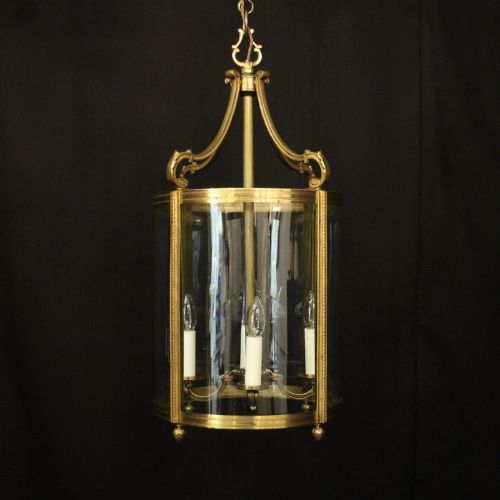
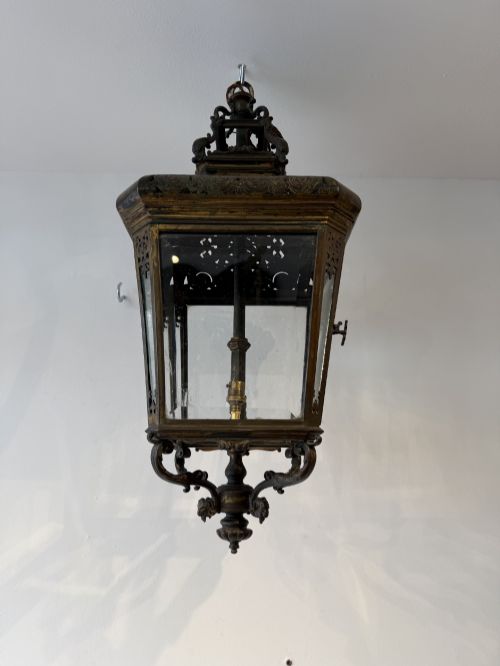
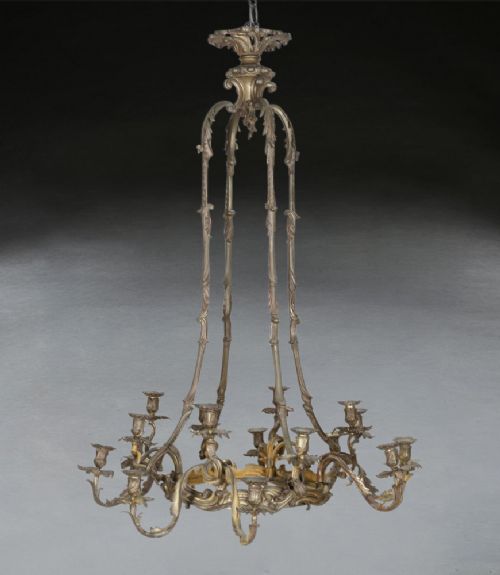


Bronze Hall Pendant
A bronze hall pendant illuminates an entryway with warmth, bringing period character and decorative metalwork straight to the threshold.

Bronze Hall Pendant
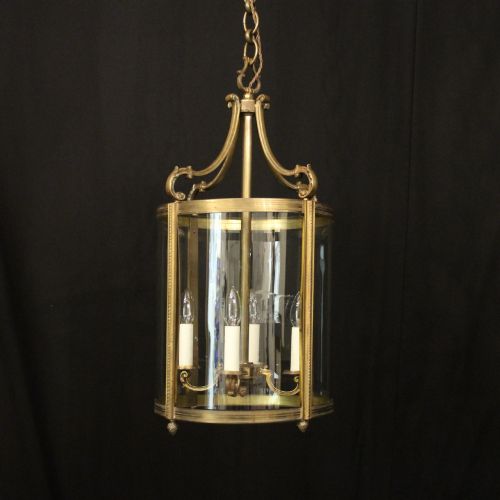
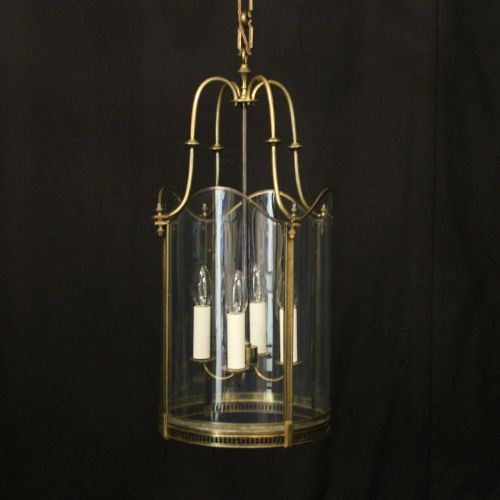
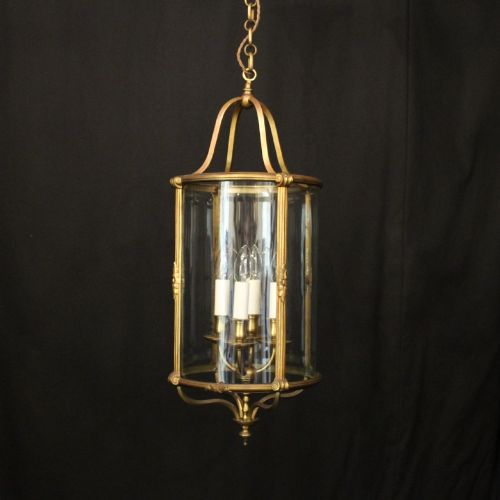
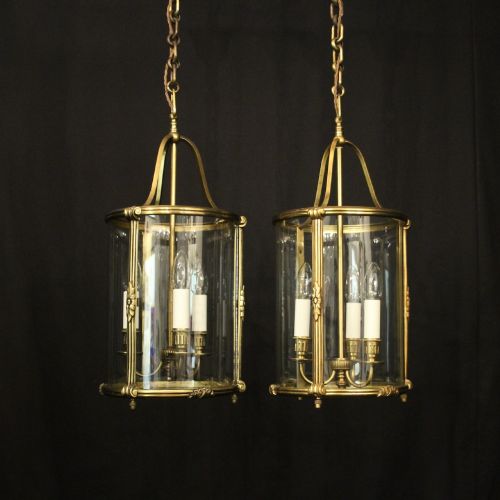
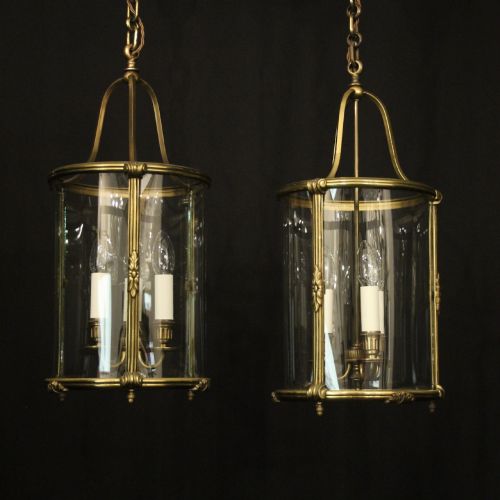
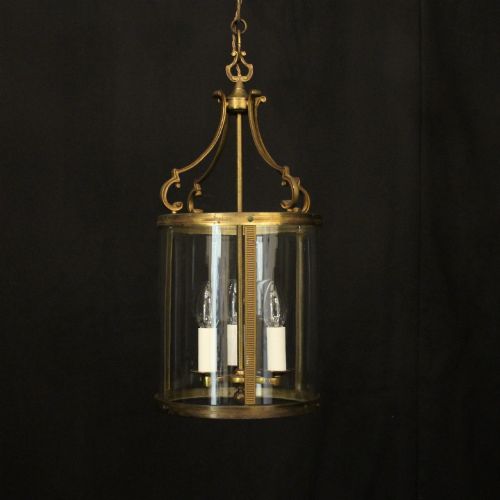
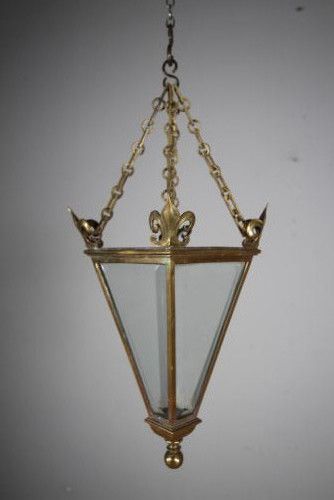
A bronze hall pendant, appearing as a hall lantern, hanging lantern, or ceiling light, serves to illuminate entrance spaces with architectural presence. Buyers seeking a bronze hall pendant encounter numerous examples originating from French chateau, neoclassical, and rococo traditions, alongside Victorian English interpretations.
The most common formats on this page are French gilded bronze lanterns dated around 1920 or rooted in the nineteenth century. These pieces typically feature glass panels held within metal frameworks, designed to hang centrally from corridors and vestibules.
Materials and construction methods
These fixtures rely on durable metals including bronze, gilt bronze, brass, and wrought iron to form the structural framework. Artisans cast or forge these metals into elaborate frames, often applying a gilt finish to enhance the decorative impact.
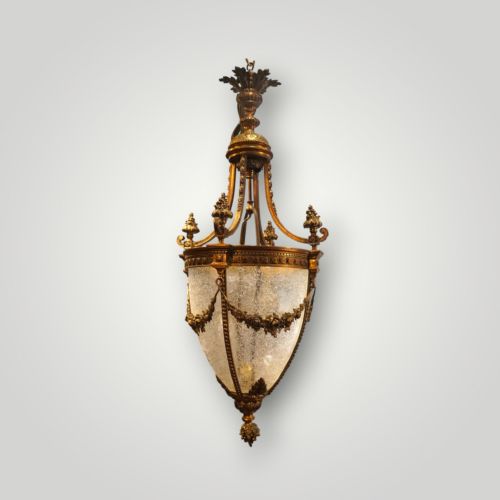
Panels of glass, including convex, bevelled, and frosted varieties, enclose the interior light source. Wrought iron elements and ormolu mounts further contribute to the construction, supporting multiple candle or bulb configurations.
Materials recorded across the inventory include gilt bronze, brass, wrought iron, and opaline glass.
Evaluating craftsmanship and execution
Quality in these lanterns rests upon the crispness of the bronze casting and the depth of the gilding. Finer examples display intricate chased details on the metalwork and well-fitted glass panels that sit securely within the frame.
Proportion and scale distinguish standard production from exceptional pieces. The weight of the metal and the complexity of styles, such as Louis XVI or Gothic revivals, dictate the overall refinement of the pendant.
Perry & Co
The Bronze Hall Pendant Glossary
- Convex glass
- Curved glass panels that project outwards to catch and refract light from multiple angles. This feature appears frequently on French lanterns.
- Gilt bronze
- Bronze coated with a thin layer of gold leaf or gold paint to give a lustrous surface. It is also known as ormolu in specific decorative contexts.
- Hall lantern
- An enclosed hanging light fixture designed specifically for narrow spaces like corridors and entrance halls. They frequently utilise glass and metal construction.
- Ormolu
- Finely chased gilt bronze used for decorative mounts and decorative hardware on period furnishings and lighting. The term derives from the French for ground gold.
Bronze Hall Pendant: Frequently Asked Questions
What periods do these pendants span?
The pieces span from the late nineteenth century through to the 1930s. Victorian examples sit alongside early twentieth-century French designs.
Stylistic influences reach back further into neoclassical and rococo revivals, reflecting historical architectural tastes.
How do I identify French styles?
French pieces often display neoclassical motifs, Louis XVI symmetry, or rococo curves within the cast bronze framework. Gilded finishes and convex glass panels are particularly characteristic of French production.
English variants tend to show simpler geometric forms or Arts and Crafts influences.
What glass types are used?
Lanterns feature clear, frosted, bevelled, or opaline glass panels fitted securely into the metal cage. Convex glass is common for diffusing light across a wider area.
Bevelled edges add a reflective quality when the internal lights are illuminated.