



Bronze Fruit Dish
These bronze fruit dish designs range from modest nineteenth-century comports to elaborate French centrepieces, bringing lasting decorative utility to a table.
Bronze Fruit Dish
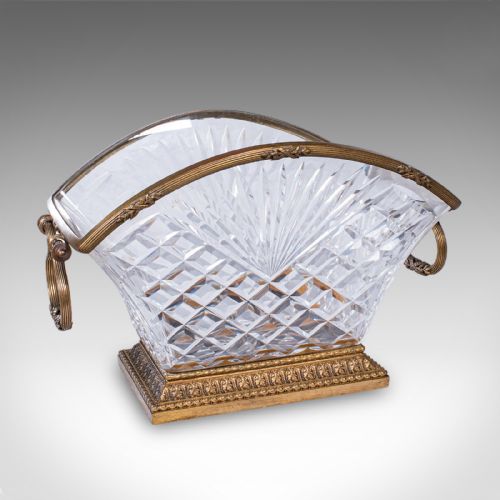
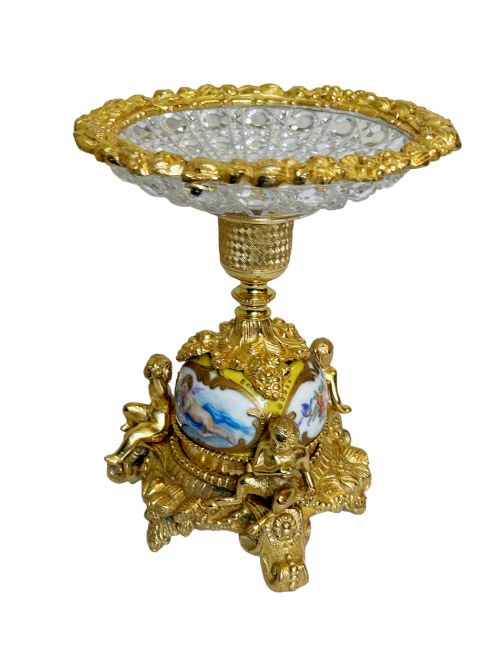
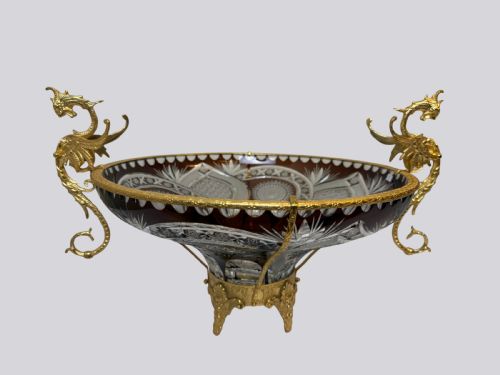
A bronze fruit dish typically appears as a tazza, a footed bowl, or a centrepiece designed for display on a dining table or sideboard.
The selections available here span the nineteenth century into the later twentieth century, reflecting periods such as the Victorian era and French Empire styles.
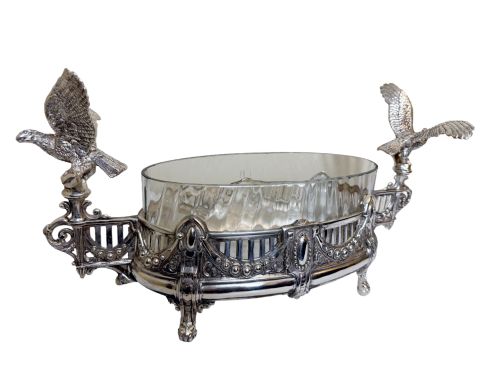
Common regional variations include French and Chinese origins, employing materials like porcelain, cut glass, and enamel alongside the primary metalwork.
Materials and construction methods
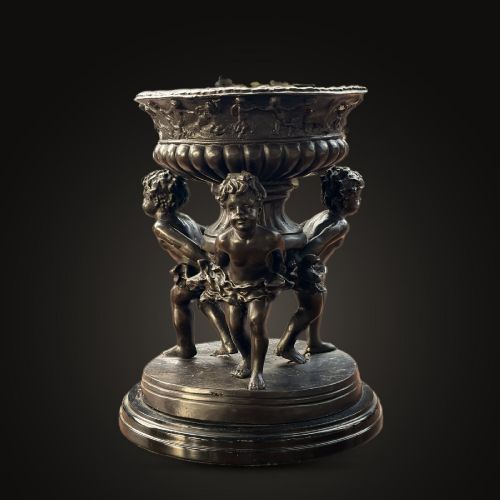
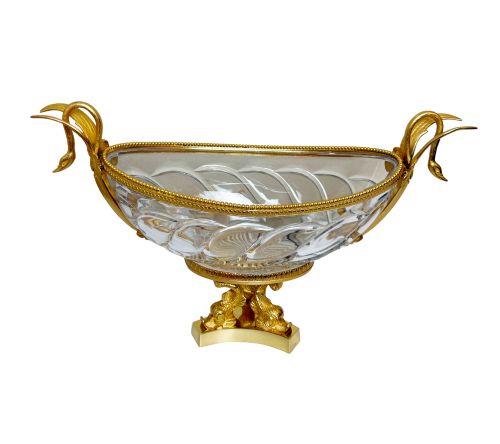
Metal components are cast in bronze, ormolu, gilt bronze, and silvered bronze, frequently incorporating decorative figural elements like cherubs.
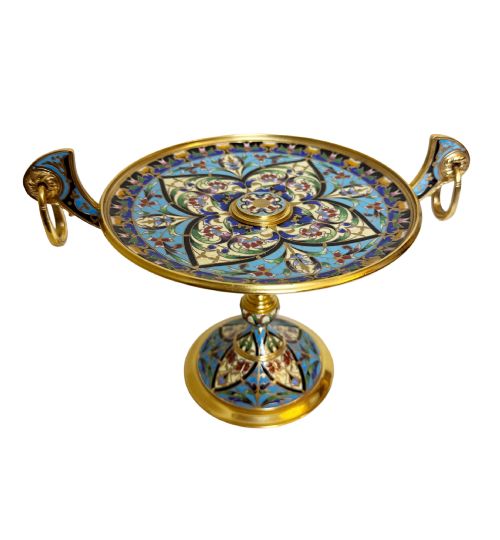
Vessel sections utilise cut glass, crystal, porcelain, Limoges enamel, champleve, and mother-of-pearl dishes fitted into the metal mounts.
Bronze Fruit Dish Retail Price Guide 2026
Typical asking prices for bronze fruit dish among the pieces listed under this phrase on Sellingantiques today, from the lower quarter to the upper quarter. They describe what is for sale here now, not the wider market.
Several nineteenth-century designs enlist industrious bronze cherubs to physically hoist the serving bowls aloft.
Distinguishing quality factors
The refinement of the casting and the crispness of the chasing across figural mounts determine the artistic merit of a piece.
The integration of secondary materials, such as heavy cut crystal or hand-painted enamel plaques, defines the sophistication of the construction.
The Bronze Fruit Dish Glossary
- Tazza
- A shallow bowl on a foot or pedestal, frequently utilised for serving fruit or sweets.
- Ormolu
- Gilt bronze, where a gold-coloured alloy is applied to a bronze base for decorative effect.
- Champleve
- An enamelling technique where troughs are dug into metal and filled with vitreous enamel before firing.
- Comport
- A decorative stand or dish used on a dining table for fruit or confections.
Bronze Fruit Dish: Frequently Asked Questions
What is a bronze fruit dish?
A bronze fruit dish is a decorative tabletop vessel, often shaped as a tazza or footed bowl, designed to hold fruit or act as a centrepiece.
These objects combine metal casting with inserts of glass, porcelain, or enamel, reflecting historical periods from the nineteenth century onward.
How were they used historically?
These pieces served as formal table decorations or serving vessels for fruit during dining occasions in wealthy households.
Placed on sideboards or dining tables, they displayed the host's taste and wealth through elaborate materials and craftsmanship.
How do I clean bronze and glass?
Bronze and ormolu mounts require gentle dusting with a soft brush to preserve the surface finish without abrasive cleaners.
Removable glass or porcelain inserts can be washed separately in warm soapy water and dried thoroughly before replacement.
How do I date a bronze dish?
Dating relies on stylistic indicators such as Victorian, Empire, or Belle Epoque design motifs, alongside the manufacturing techniques used for the metal and inserts.
Examining the casting methods, wear patterns, and material combinations helps narrow down the period of production.