

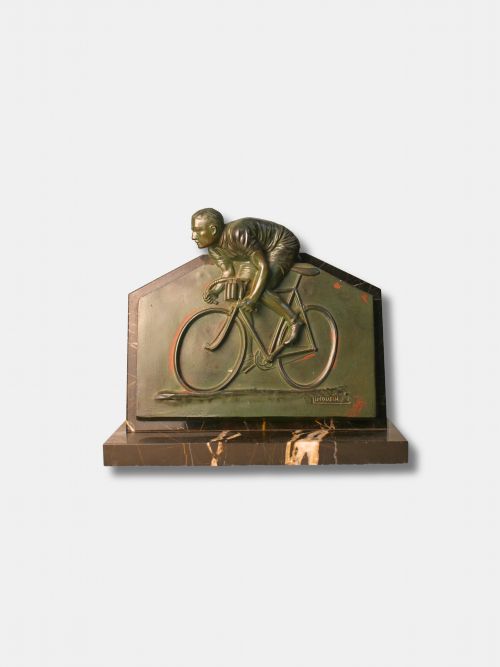
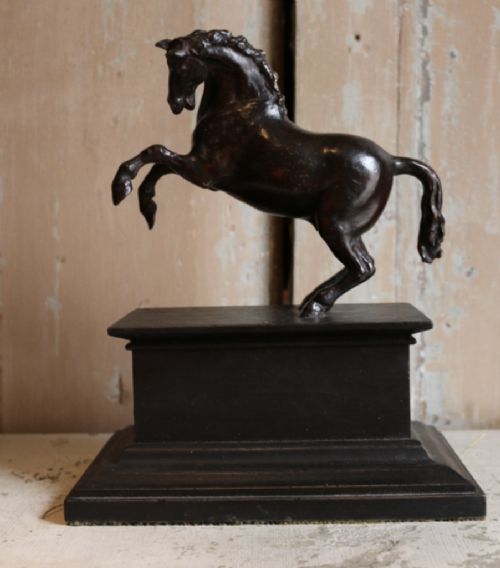

Bronze Figurine on Plinth
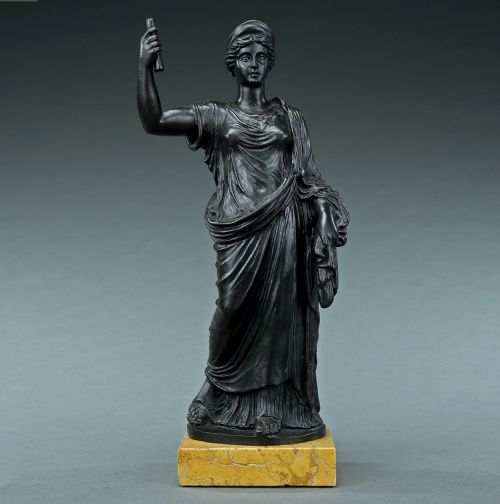
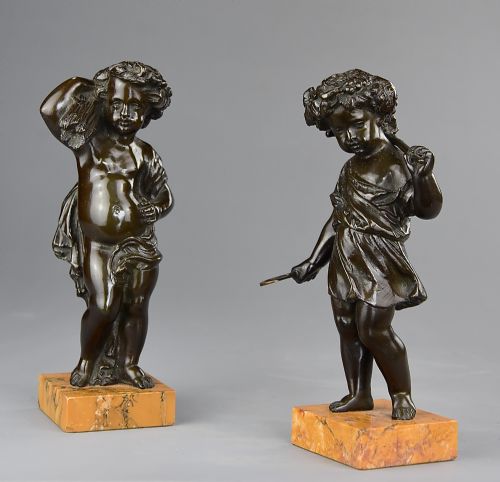
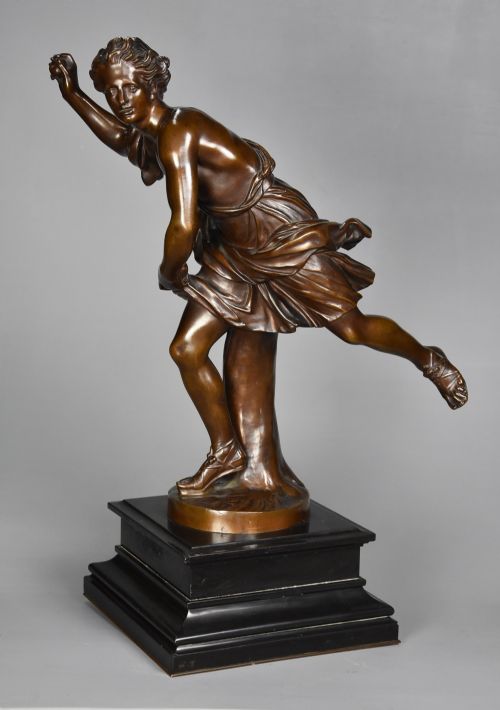
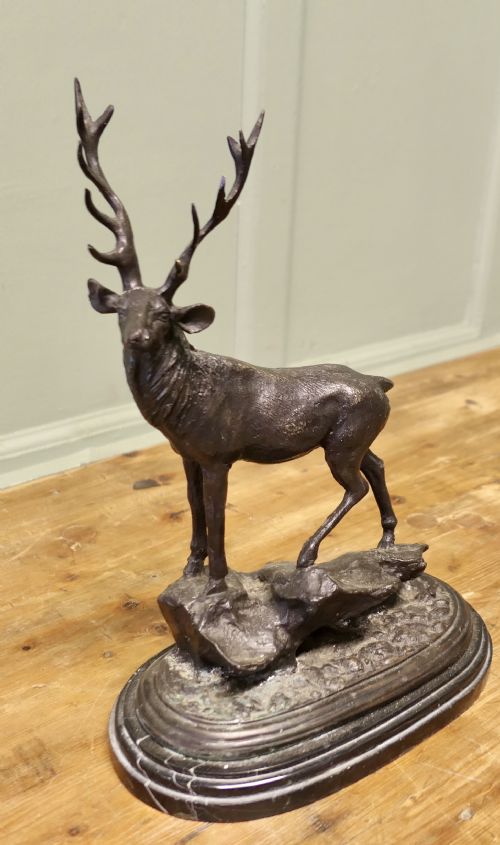
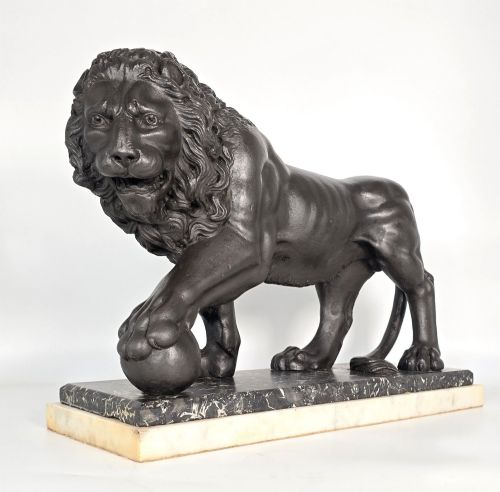
A bronze figurine on plinth brings classical mythology, animals and human figures into interior spaces with solid weight.
Bronze Figurine on Plinth
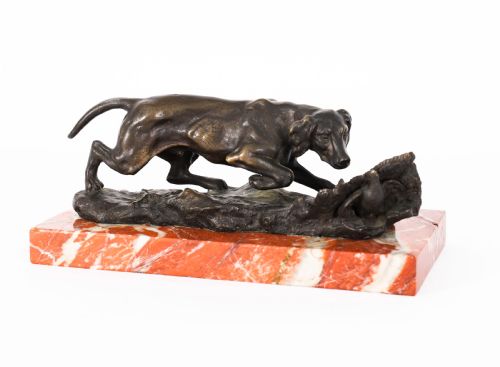
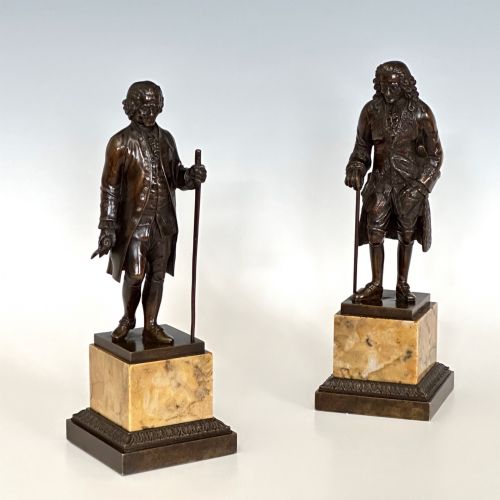
A bronze figurine on plinth comprises cast metal figures permanently mounted to stone or wood bases. These works span subjects from mythological deities and classical figures to animals and human dancers.
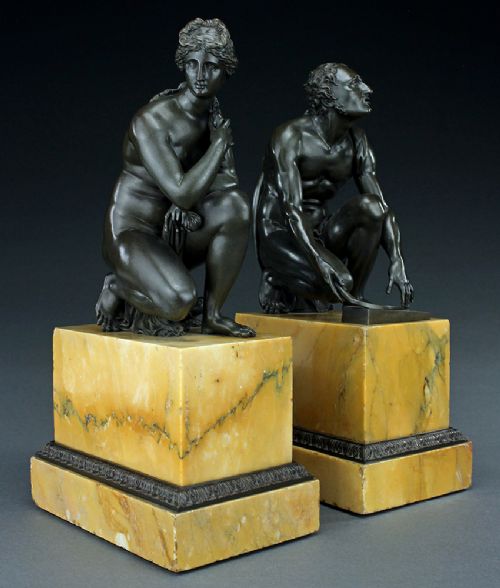
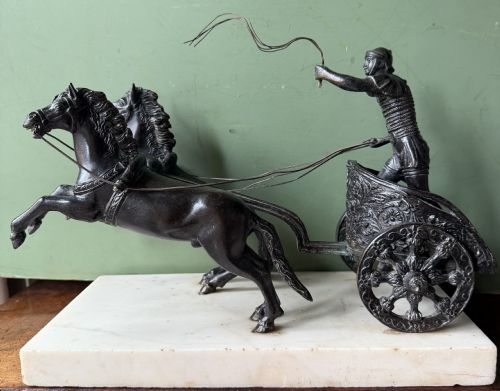
Nineteenth century Grand Tour souvenirs and Art Deco figures dominate this selection, frequently depicting classical subjects or dynamic animal studies. Sculptures range from small tabletop studies to substantial architectural figures.
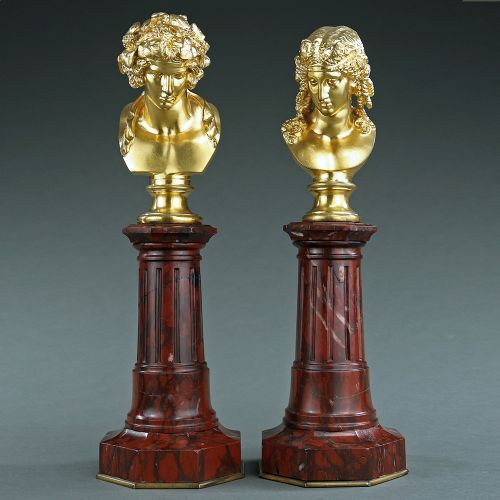
The combination of cast metal and a supportive plinth provides both stability and visual separation from the surface below. Many pieces utilise contrasting materials, pairing dark patinated metal with pale marble or onyx.
How they were made
Makers cast these figures in bronze or spelter, often applying patination, cold-painted enamel or gilt finishes to the metal surface. Foundries utilised traditional casting methods to capture fine details in hair, drapery and animal musculature.
Plinths and bases consist of carved marble, onyx, alabaster, stone or wood, shaped to support the weight of the metal sculpture above. Metal pins or adhesives secure the figurine to its foundation.
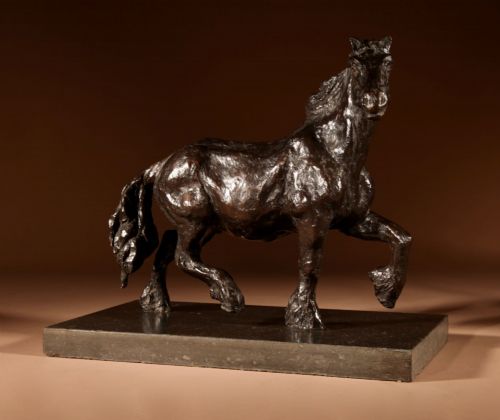
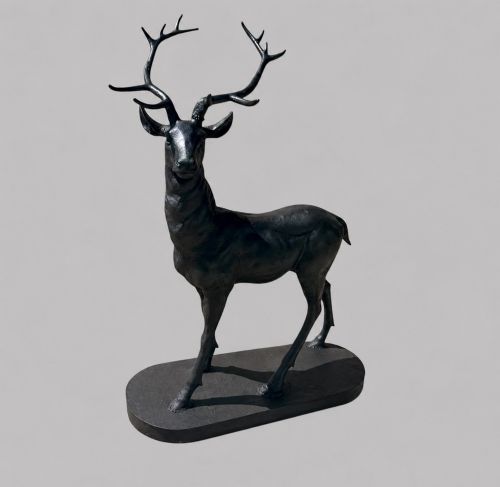
Several animals captured in metal include racing greyhounds, trotting cobs and a remarkably determined mallard duck.
What varies in quality
The crispness of the metal casting dictates the definition in facial expressions, hands and surface textures. Superior examples retain sharp lines and subtle anatomical nuances without smoothing from excessive polishing.
The selection and finish of the plinth material contribute significantly to the overall presence of the object. High grade marble and onyx feature natural graining and precise geometric or polished cuts that complement the metal work.
Carl Kauba·Barbedienne·Josef Lorenzl·Philip Blacker
The Bronze Figurine on Plinth Glossary
- Bronze
- A copper and tin alloy used for durable metal casting. It develops an attractive surface patina over centuries.
- Plinth
- A heavy base supporting a statue or figurine. Materials include marble, onyx, wood and stone.
- Spelter
- A zinc-based alloy utilised as an alternative to bronze. It often receives bronze-coloured or painted finishes.
- Patina
- The surface coloration and sheen acquired by metal through age or chemical treatment. This finish protects the underlying material.
- Grand Tour
- A traditional travel itinerary undertaken by nineteenth century Europeans to view classical antiquities. Souvenirs included small bronzes of classical statues.
Bronze Figurine on Plinth: Frequently Asked Questions
What periods do these figures come from?
These sculptures originate from the seventeenth century through to the twentieth century. Examples span seventeenth century classical casts, nineteenth century Grand Tour pieces and twentieth century Art Deco designs.
Specific eras represented include the Victorian period, the Art Nouveau movement and the interwar years. Each period brings distinct styling to both the metal figure and the supporting base.
How do bronze and spelter differ?
Bronze is a copper alloy prized for its strength and ability to hold fine casting details. Spelter is a softer zinc alloy often employed as an accessible alternative.
Spelter pieces typically feature applied patination or cold-painted finishes to simulate heavier bronze. Closer inspection reveals the relative weight and density of the metal.
What is a Grand Tour bronze?
Grand Tour bronzes are miniature souvenir sculptures purchased by travellers visiting European cultural centres during the nineteenth century. These pieces replicated famous classical antiquities and mythological figures.
Mounted on marble or stone plinths, these items allowed collectors to display classical art in domestic interiors. They reflect the educational and artistic pursuits of the period.
How should these sculptures be displayed?
These figures require stable, level surfaces capable of supporting the combined weight of metal and stone. Placement should avoid direct sunlight and fluctuating humidity to protect painted and patinated finishes.
Keeping the sculptures away from high-traffic areas prevents accidental knocks to protruding details or the stone base. Dusting with a soft, dry cloth preserves the surface finish.