


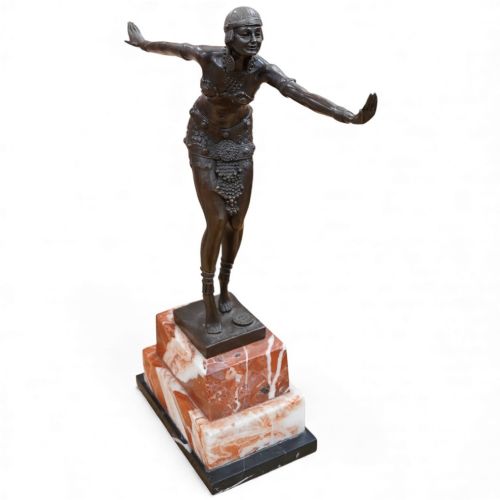
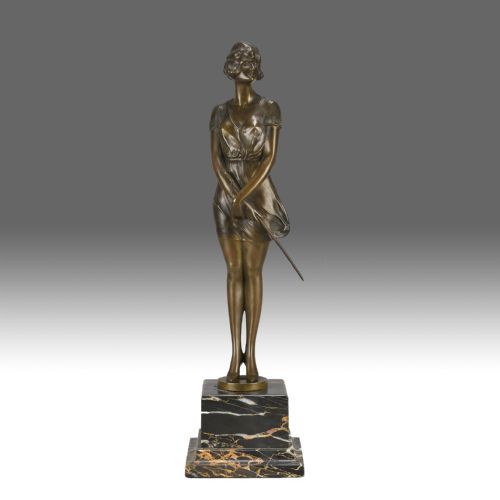
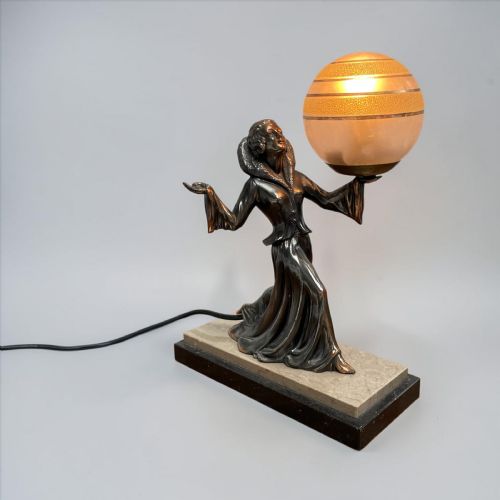
Bronze Figurine Desk
These pieces for a bronze figurine desk bring useful desktop weight and finely cast character to a workspace.
Bronze Figurine Desk
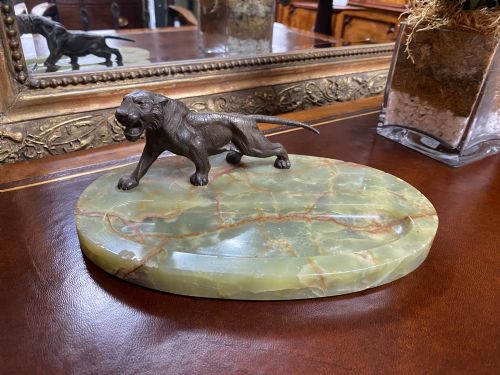
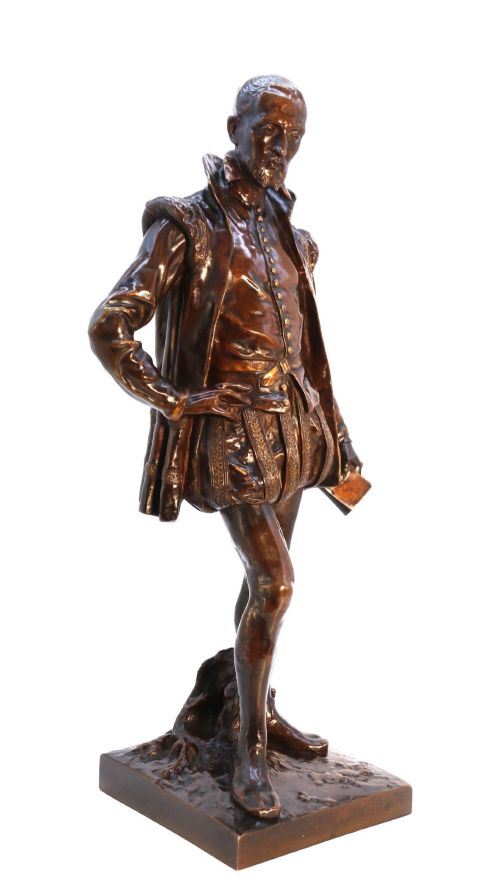
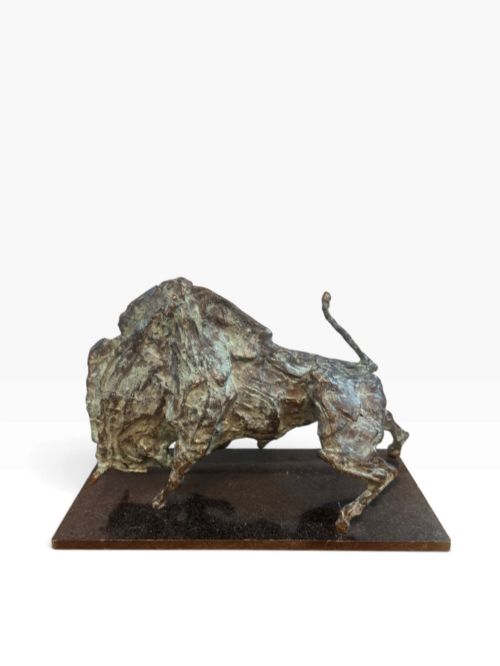
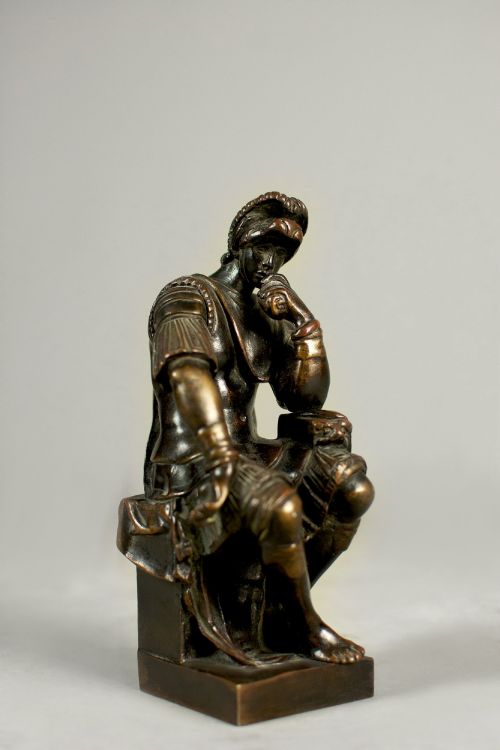
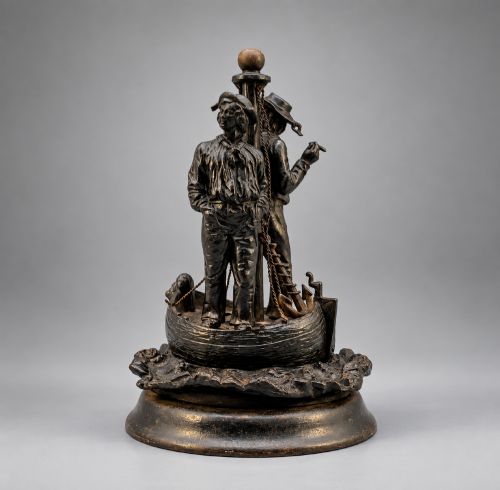
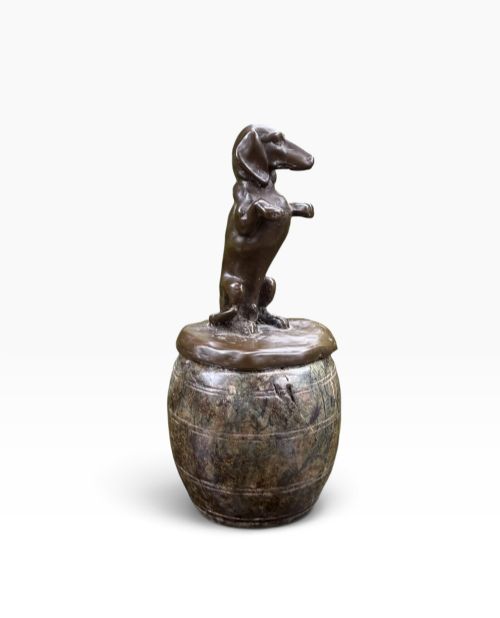
A bronze figurine desk selection centres on small sculptural metalwork designed to sit upon writing furniture, combining utility with decorative presence. These objects include inkwells, desk tidies, animal studies, and small human figures derived from periods ranging from the seventeenth century to the twentieth century.
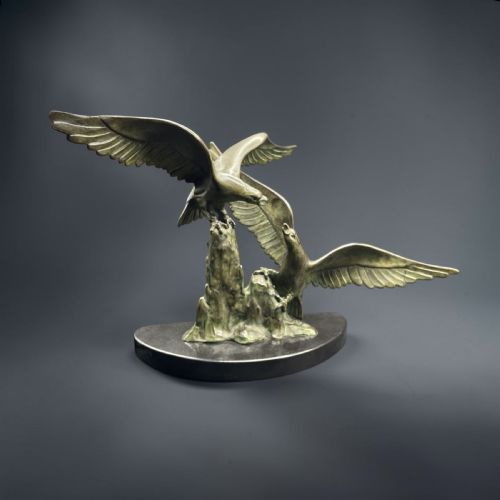
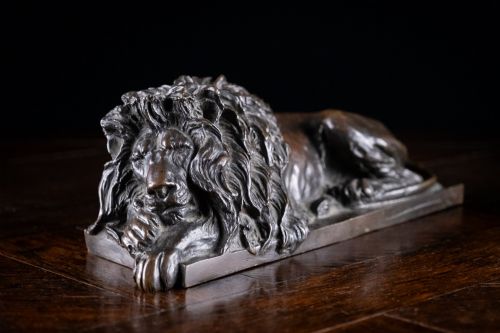
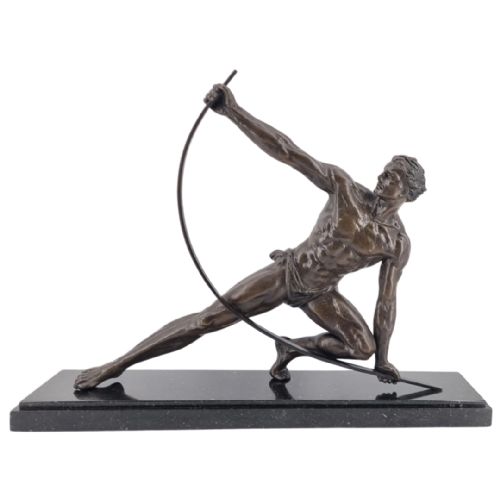
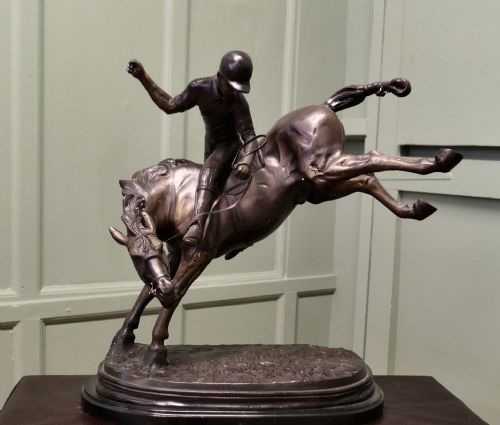
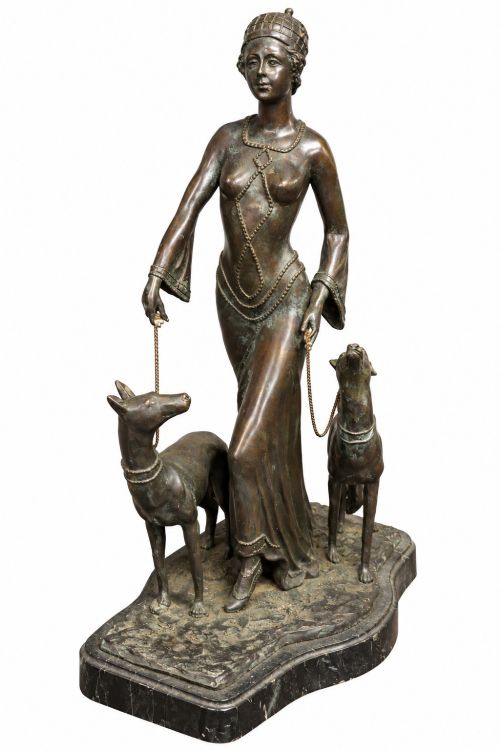
The most common examples on this page date from the nineteenth and early twentieth centuries, spanning the Victorian era through to Art Deco and Animalier movements. Animals such as dogs, horses, and birds frequently appear alongside classical figures and desk accessories.
Makers and foundries from France, Austria, and England dominate the selection, often mounting their metal figures upon bases of marble, onyx, or ormolu.
Distinctions in Quality
Superior quality rests in the crispness of the chasing and the subtlety of the surface patina, where tool marks are expertly refined and details remain sharp. Weaker examples show soft definition, shallow chiselling, and loss of surface nuance.
The choice and integration of the base material also differentiate tiers of quality, with dense, well-fitted marble or onyx plinths elevating the overall balance of the piece compared to hasty assemblies.
Bronze Figurine Desk Retail Price Guide 2026
Typical asking prices for bronze figurine desk among the pieces listed under this phrase on Sellingantiques today, from the lower quarter to the upper quarter. They describe what is for sale here now, not the wider market.
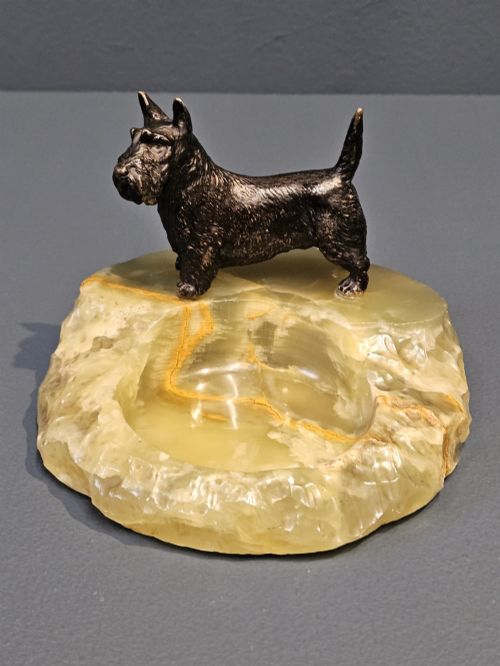
A bronze pigeon, a crouching Venus, and a Scottie dog share the same desk.
Georges Gori·Jean de Roncourt·D.H. Chiparus·Bruno Zach·Pierre-Augustin Caron de Beaumarchais·Émile Louis Picault·Christophe Fratin·Antoine Louis Barye·Alfred Barye·Franz Bergman·Emile Guillemin
The Bronze Figurine Desk Glossary
- Animalier
- A nineteenth-century movement focused on the realistic depiction of animals, particularly predators, horses, and domestic pets. Sculptors in this tradition studied anatomy closely.
- Cold painted
- A method where pigment is applied to cold bronze without subsequent firing, often seen in Austrian decorative figures. The paint remains delicate over time.
- Patinated bronze
- Bronze treated with chemicals to alter its surface colour, ranging from deep brown to green. This treatment protects the metal and defines the sculptural shadows.
- Ormolu
- Gilt bronze created by applying a finely ground high-carat gold mercury amalgam to a bronze object. It provides a bright, durable golden finish.
- Grand Tour
- Souvenirs collected by affluent travellers in Europe during the eighteenth and nineteenth centuries, often replicating classical sculptures in miniature bronze.
Bronze Figurine Desk: Frequently Asked Questions
What is a bronze figurine desk accessory?
These items are small decorative sculptures or functional objects like inkwells and desk tidies cast in metal for use on writing desks.
They serve both a practical desktop purpose and display the artistic styles of their respective periods.
How were these metal figures cleaned originally?
Maintenance typically involved dusting with a soft brush and occasionally applying specialised wax to protect the patinated surface.
Harsh chemical cleaners were avoided to preserve the original colour and finish applied by the foundry.
Where were most of these figures made?
Production was centred primarily in European workshops, with significant contributions from French, Austrian, and English foundries.
Each region developed distinct specialities, such as Austrian cold-painted animals or French Animalier bronzes.
How do I identify an Art Deco desk piece?
Art Deco examples often feature streamlined human figures, dancers, or stylized animals paired with geometric marble bases.
They frequently date from the 1920s and 1930s and reflect the modern design movements of the interwar period.