


Bronze Figure Figurine
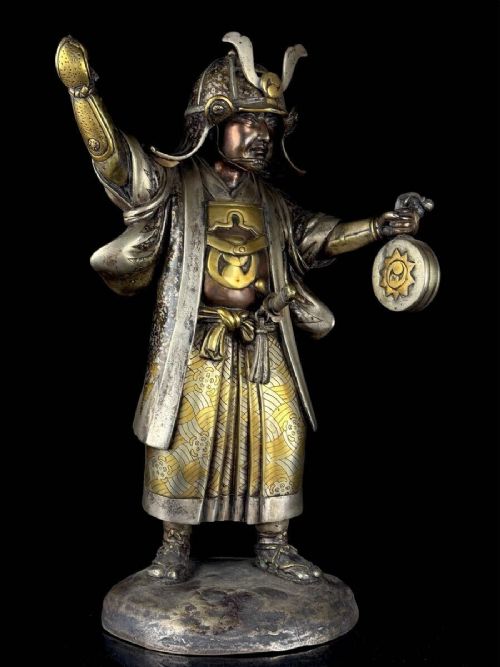
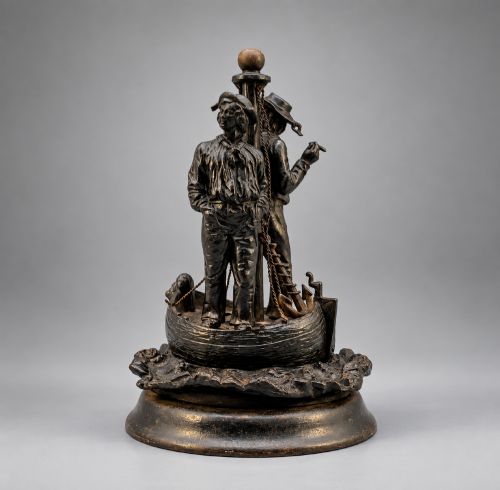
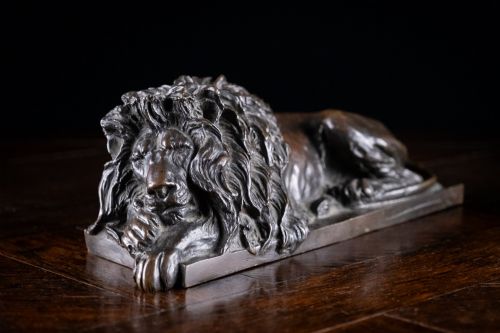
These bronze figure figurine examples bring classical subjects, animal studies and modernist dancers into the room with substantial weight and presence.
Bronze Figure Figurine
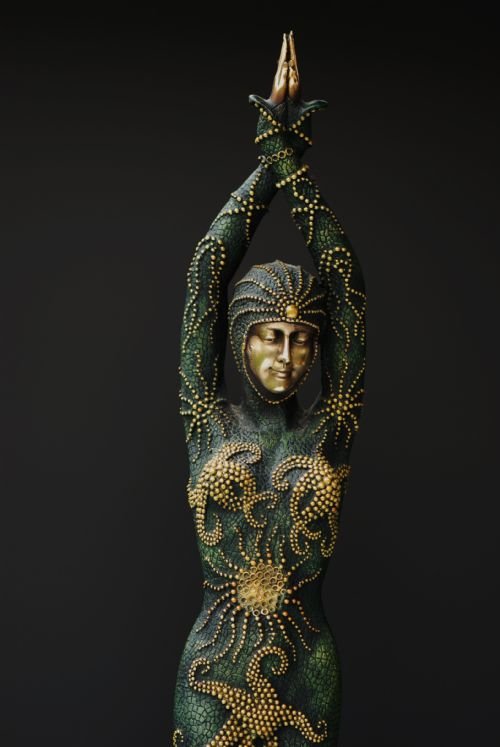
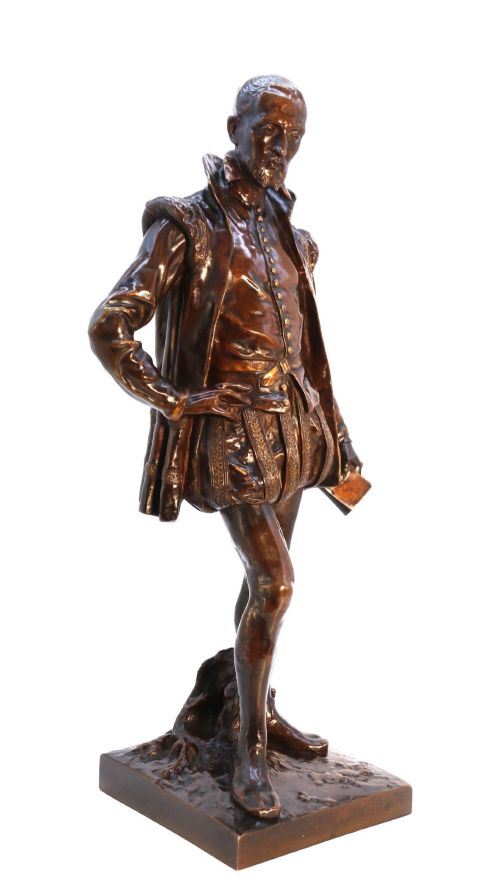
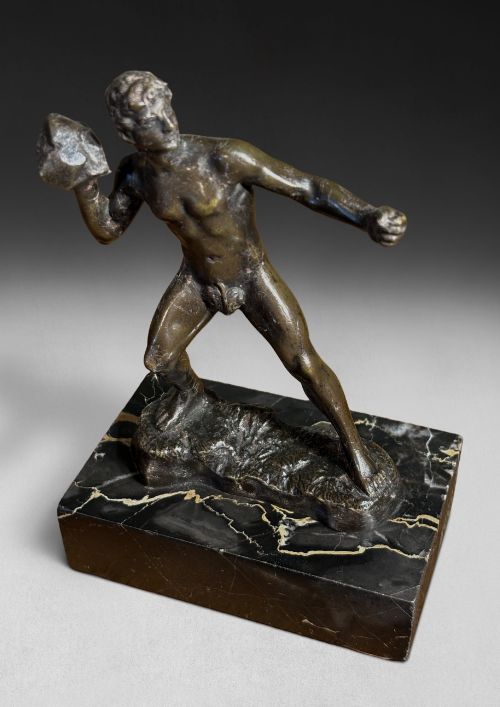
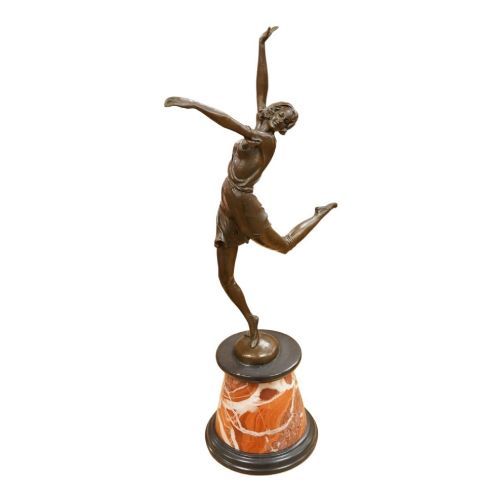
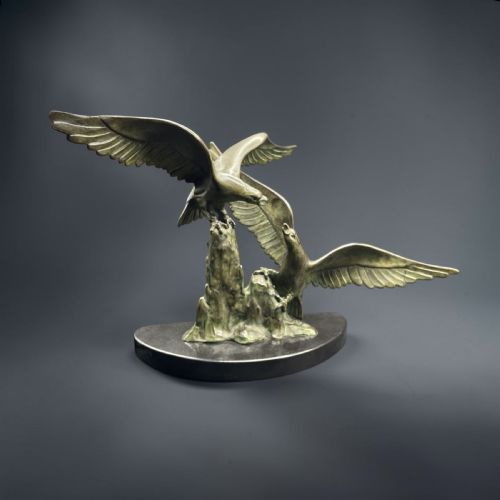
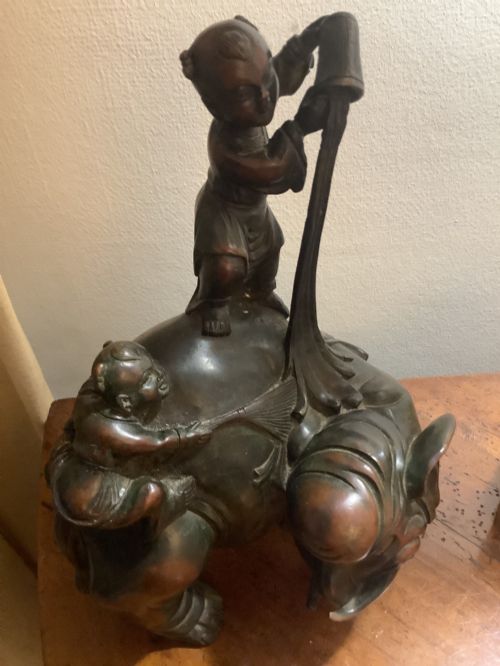
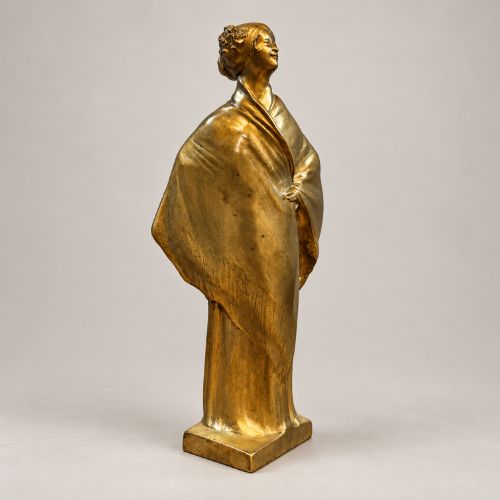
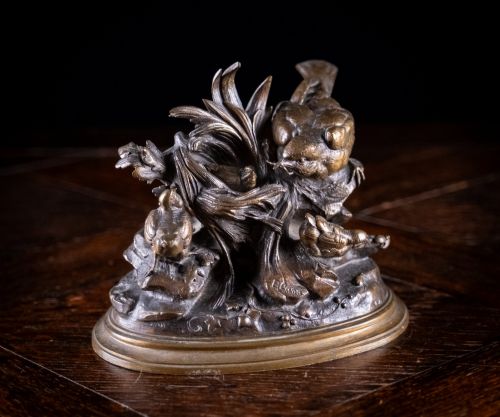
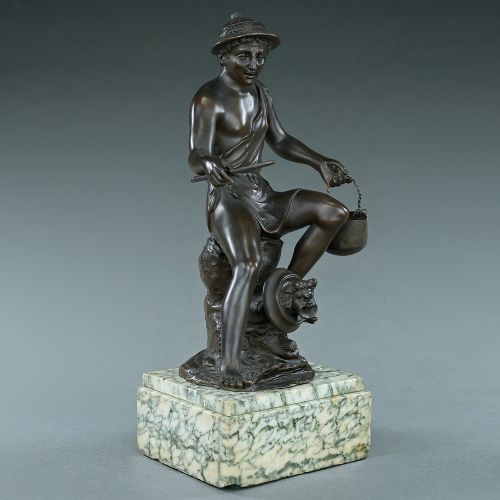
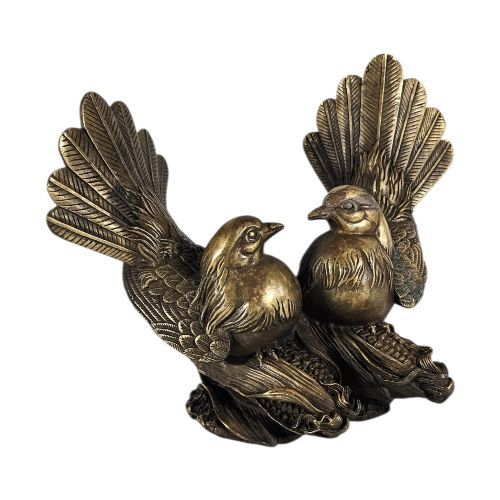
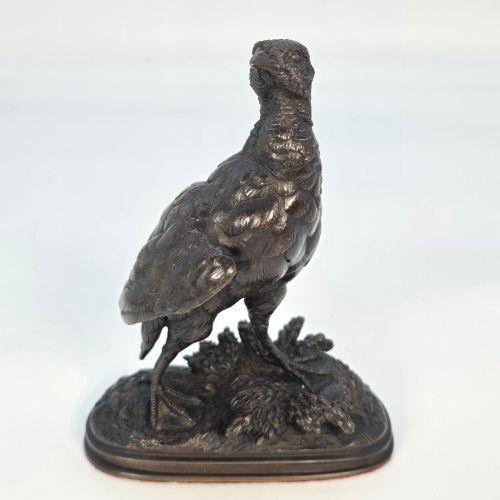
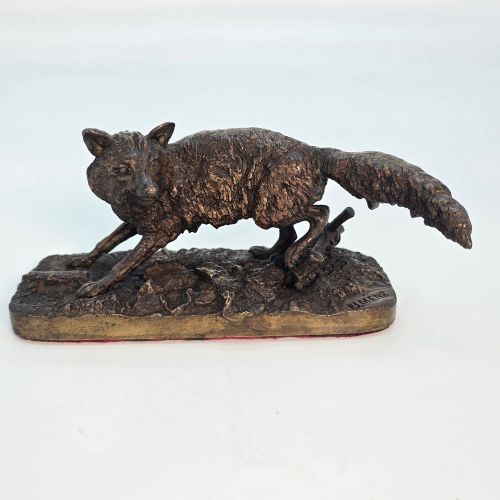
When you search for a bronze figure figurine, you encounter sculptural works spanning the nineteenth century through the Art Deco era. The selection ranges from grand tour reductions of classical deities to animalier studies of hounds and wild birds, alongside patinated dancers from the nineteen-twenties.
The nineteenth-century pieces often reflect French foundry output, classical mythology, and historical portraiture. By the early twentieth century, the aesthetic shifts towards sleek dancers, athletic figures, and stylized animals mounted on marble or onyx bases.
How they were made
Foundries utilised the lost-wax casting method or sand casting to achieve intricate detail in molten metal. Artisans then applied patination through chemical treatments to produce deep brown, green, or gilt surface tones.
Many figures incorporate mixed materials, pairing cold-painted or silvered metal with bases of carved marble, onyx, or wood. Spelter appears as a frequent alternative base metal, finished to imitate true bronze.
Bronze Figure Figurine Retail Price Guide 2026
Typical asking prices for bronze figure figurine among the pieces listed under this phrase on Sellingantiques today, from the lower quarter to the upper quarter. They describe what is for sale here now, not the wider market.
Listings feature periods from the nineteenth-century Victorian era through the nineteen-thirties, spanning Art Nouveau and Art Deco movements.
What varies in quality
The crispness of the chasing and the subtlety of the surface patina distinguish standard commercial castings from superior works. Foundries that employed skilled chisellers produced hair, drapery, and musculature with exceptional clarity after the metal cooled.
The quality of the mount matters equally, seen in the density of the supporting marble or onyx and the precision of the fit between figure and base.
Barbedienne·P. J. Mène·Georges Gori·Gustave Dussart·Jean de Roncourt·Maurice Giraud-Rivière·D.H. Chiparus·Bruno Zach·Pierre Collinet·Etienne-Henri Dumaige·Charles Louis Malric·Susse Frères·Josef Lorenzl
The Bronze Figure Figurine Glossary
- Patinated bronze
- A metal sculpture treated with chemicals to produce a controlled surface colour and aged appearance.
- Animalier
- A nineteenth-century artistic style focusing on the realistic depiction of animals, particularly dogs, horses, and predators in motion.
- Grand tour
- Souvenirs purchased by travellers in the nineteenth century, typically small-scale bronze copies of classical antiquities and Renaissance sculptures.
- Cold painted
- A technique where pigment is applied to cold metal without heat firing, common in Austrian tabletop animal figures.
- Spelter
- A zinc alloy used as a cheaper alternative to bronze, frequently painted to simulate bronze finishes.
Bronze Figure Figurine: Frequently Asked Questions
How do I clean a bronze figure?
Dust the surface gently with a soft, dry brush to prevent the accumulation of grit in the recesses of the casting. Avoid using water, household cleaners, or polishes, which can strip the original patination.
Apply a very thin coat of microcrystalline wax occasionally if the metal appears dry, buffing it off completely with a clean cloth to maintain a stable protective layer.
What is the difference between bronze and spelter?
Bronze is an alloy of copper and tin that offers high tensile strength, heavy weight, and the ability to hold sharp chisel details over centuries. Spelter is a softer zinc-based alloy that feels lighter and shows more brittle fracture lines if damaged.
Foundries often used spelter as an economical substitute for bronze in decorative figures during the late nineteenth and early twentieth centuries.
Where should I place these sculptures?
Position your sculpture on a sturdy surface away from direct sunlight, heating vents, and damp areas to protect both the metal patina and any attached stone bases. Stable indoor humidity prevents moisture from interacting with surface treatments.
Choose a location at eye level or slightly below where the profile and surface textures can be appreciated from multiple angles.
How can I identify a grand tour piece?
Grand tour bronzes typically replicate famous classical statues, architectural ruins, or mythological figures encountered by travellers in Italy during the nineteenth century. They often exhibit a rich, dark brown or greenish patination resulting from deliberate artificial ageing.
These reductions vary in scale to fit luggage and generally lack foundry stamps, reflecting their origin as souvenir art for collectors.