






Bronze Decorative Dish
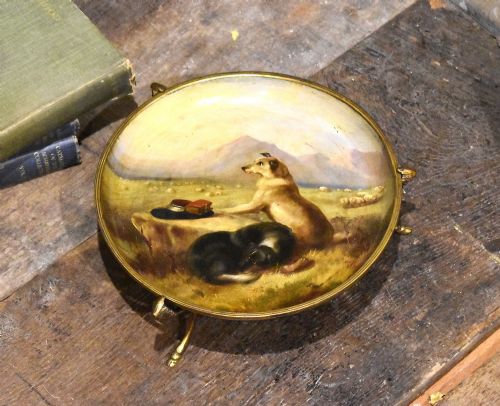
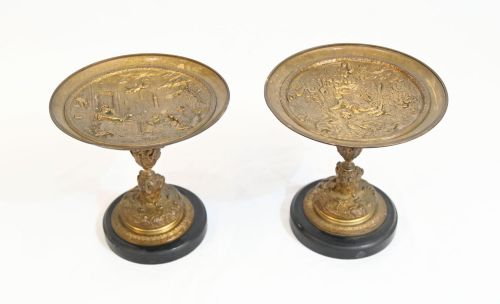
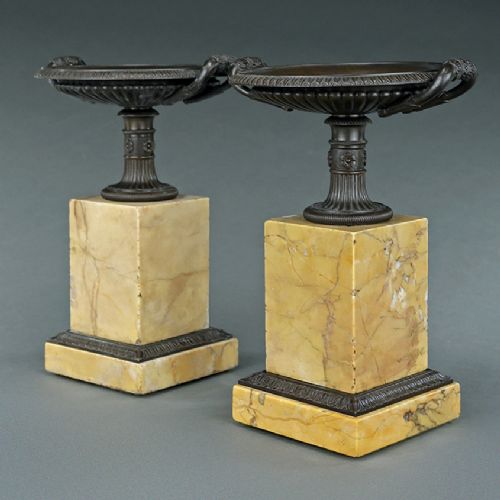
A bronze decorative dish brings historical metalwork into a room, serving as a striking centrepiece or tazza.
Bronze Decorative Dish
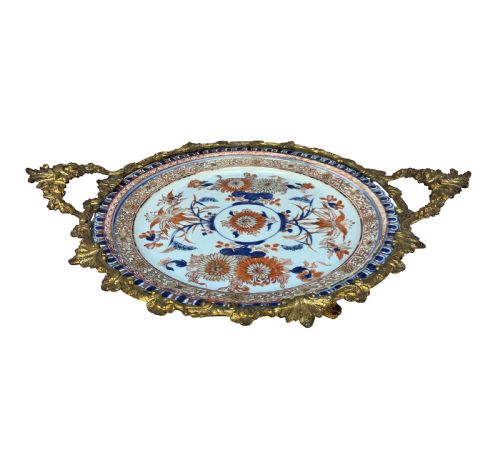
A bronze decorative dish takes many forms across this selection, appearing as tazzas, comports, chargers, and centrepieces. These items originate predominantly from the nineteenth century, encompassing French Neoclassical, Empire, and Japanese Meiji periods.
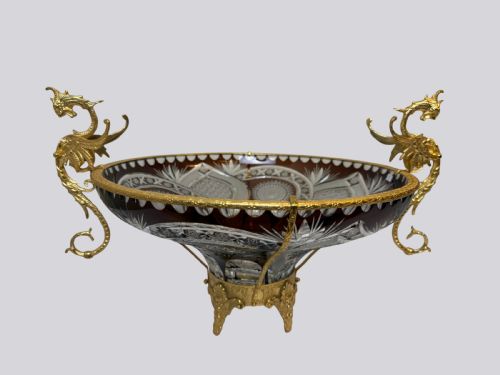
Buyers most frequently encounter bronze combined with materials such as enamel, porcelain, marble, and cut glass. Pieces range from small classical platters to large heavy centrepieces supported by winged cherubs or marble bases.
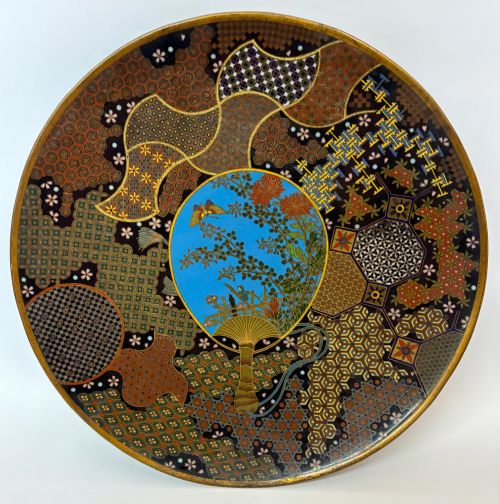
Stylistic influences vary widely, moving from formal European revival styles to Japanese cloisonné chargers decorated with dragons, koi, and chrysanthemums. Many serve as functional serving vessels or purely ornamental table centrepieces.
How they were made
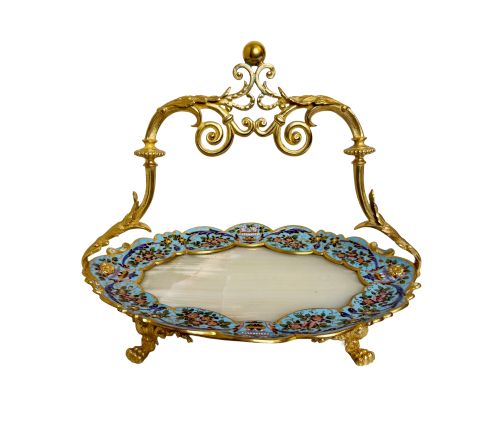
Craftsmen cast bronze, ormolu, and brass into intricate shapes, often finishing surfaces with patination or fire gilding. Many items incorporate champlevé enamel, agate cabochons, or hand-painted porcelain panels set directly into the metal frame.
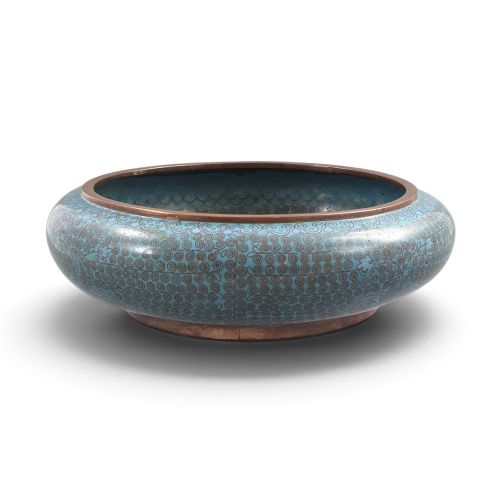
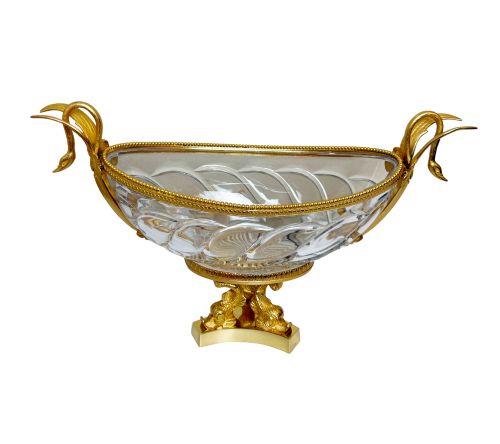
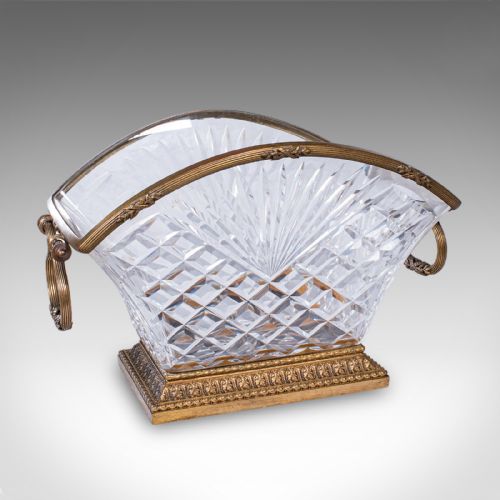
Japanese pieces utilise detailed cloisonné wirework on copper or brass bases to delineate complex scenes of birds, flowers, and auspicious symbols. European workshops mounted cast bronze or ormolu onto cut glass bowls, onyx plinths, and marble bases using threaded bolts and pins.
Bronze Decorative Dish Retail Price Guide 2026
Typical asking prices for bronze decorative dish among the pieces listed under this phrase on Sellingantiques today, from the lower quarter to the upper quarter. They describe what is for sale here now, not the wider market.
One heavy bronze centrepiece weighs four kilograms, requiring a remarkably sturdy table to support its classical decoration.
What varies in quality
The refinement of the casting and chasing separates standard production items from exceptional works. Crisp detailing in figures, such as cherubs or dragons, indicates superior skill in the foundry.
The integration of secondary materials defines the overall calibre of the piece. High-grade items combine heavy fire-gilded bronze with flawless champleve enamel, precious hardstones like Malachite and Blue John, or fine hand-painted Sevres porcelain.
Louis Pierre Malpass·Kinkozan·Ferdinand III
The Bronze Decorative Dish Glossary
- Tazza
- A shallow ornamental vase or bowl set on a stem and foot. This form is frequently executed in bronze or ormolu for display on tables.
- Ormolu
- Gilt bronze produced by applying a finely ground high-carat gold-mercury amalgam to a bronze object. The piece is then heated to drive off the mercury, leaving a rich gold coating.
- Champleve
- An enamelling technique where troughs or cells are hollowed out of the metal surface and filled with vitreous enamel paste before firing.
- Cloisonne
- An ancient technique for decorating metal object surfaces, using wires to create compartments that contain enamel paste. Japanese Meiji period examples display exceptional mastery of this method.
- Comport
- A large shallow dish or bowl raised on a high foot, used originally for serving fruit or sweets at formal dining tables.
Bronze Decorative Dish: Frequently Asked Questions
What is a tazza?
A tazza is a shallow decorative vessel raised on a central stem and foot, designed primarily for display rather than everyday dining.
In nineteenth-century interiors, these pieces occupied prominent positions on sideboards and centre tables.
How were centrepieces used?
Large bronze and glass centrepieces stood in the middle of dining tables, often holding fruit, flowers, or sweetmeats during formal meals.
They functioned as major decorative focal points that reflected the host's taste and wealth.
How do I care for bronze?
Bronze requires gentle dusting with a soft, dry cloth to prevent the accumulation of dirt in intricate cast crevices.
Avoid using abrasive metal polishes or harsh chemical cleaners, as these can strip historical patination and gilding.
What is Meiji period cloisonne?
Meiji period cloisonné refers to Japanese enamelwork produced between eighteen sixty-eight and nineteen twelve, known for remarkable technical precision.
These pieces typically feature fine wirework depicting natural subjects such as koi, dragons, and chrysanthemums.