



Bronze Dance Statue
These figures capture motion in metal, and a bronze dance statue brings the fluid energy of movement into a room.
Bronze Dance Statue
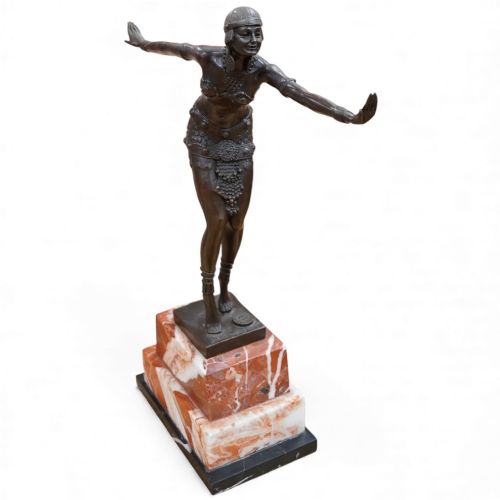
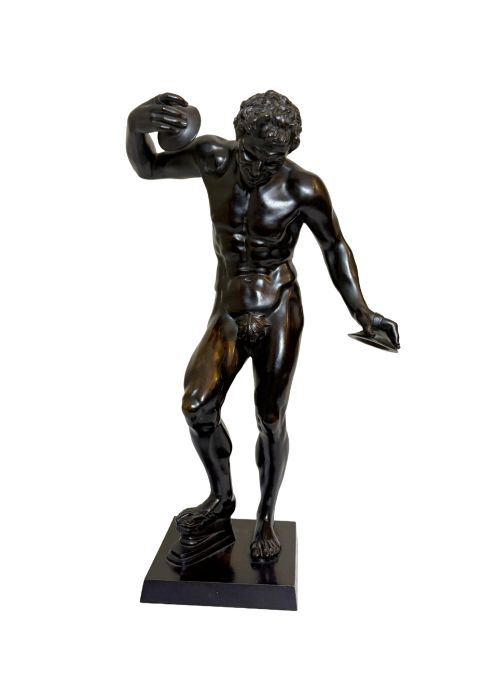
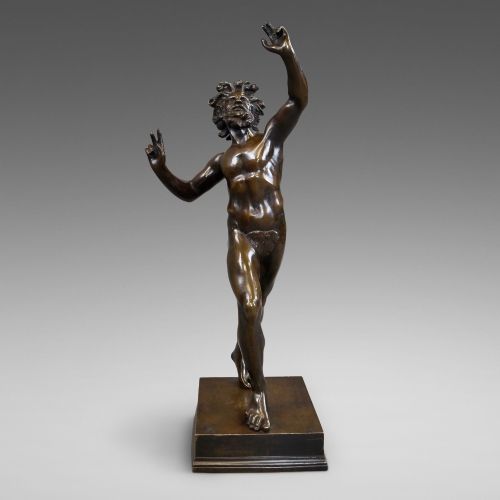
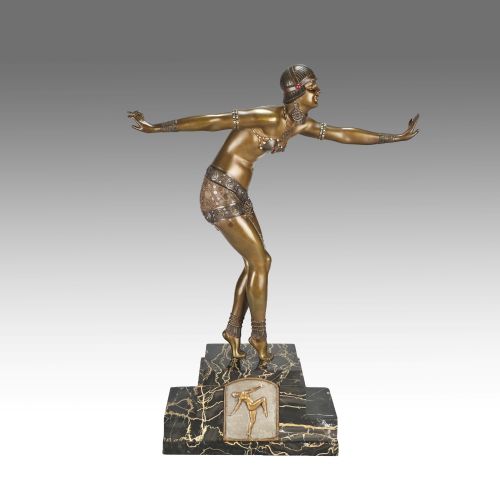
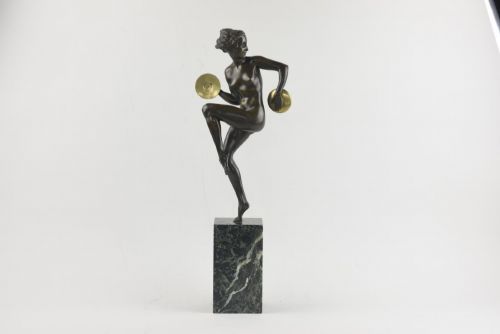
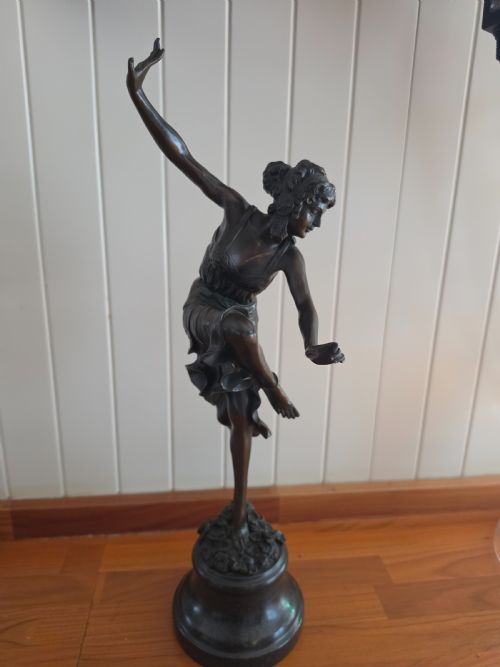
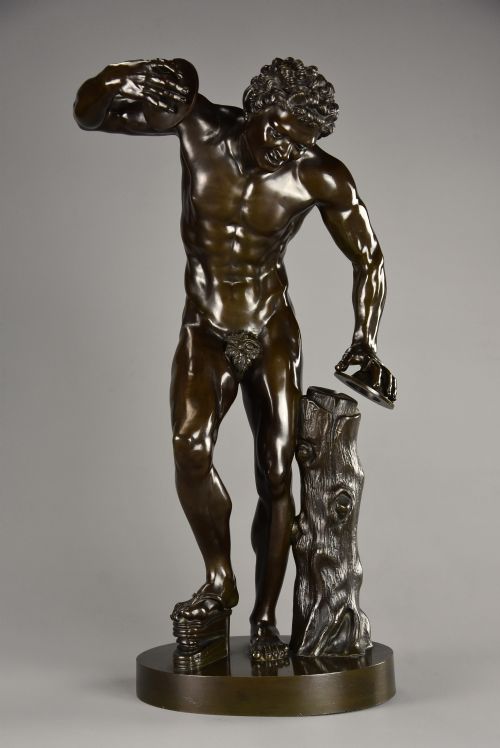
A bronze dance statue represents figures in motion, ranging from classical mythological dancers to modernist cabaret performers. Buyers searching this phrase encounter nineteenth-century Grand Tour souvenirs of ancient figures alongside twentieth-century Art Deco interpretations.
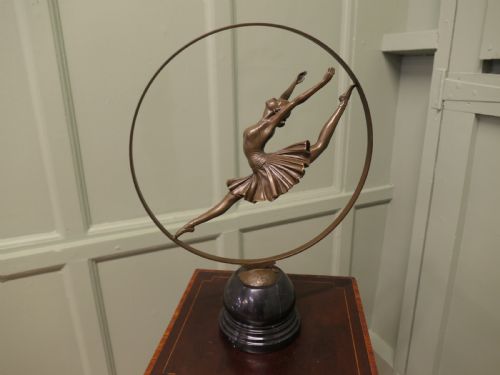
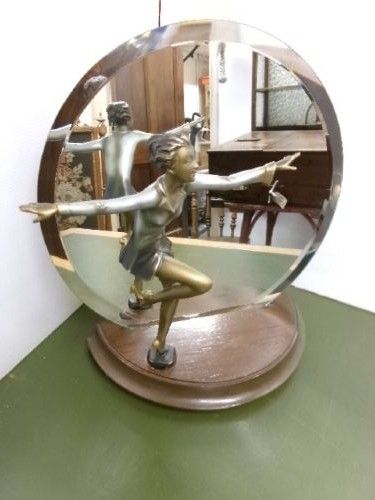
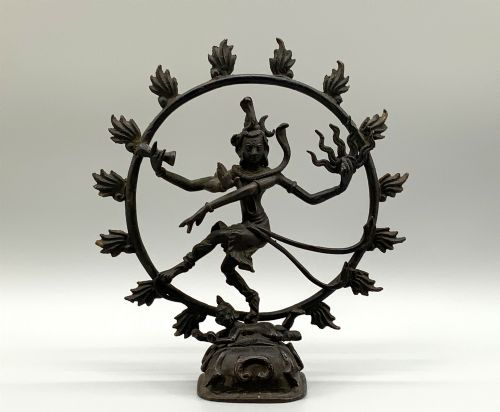
The pieces on this page span several stylistic movements, including Neoclassical interpretations of antiquity, flowing Art Nouveau designs, and geometric Art Deco creations. Subjects include dancing fauns, classical maidens, Indian deities, and modern dancers captured mid-performance.
Most examples function as cabinet sculptures or table ornaments, frequently mounted on heavy stone plinths to provide stability. These works reflect both the academic fascination with antiquity and the modern enthusiasm for theatrical performance.
Materials and Fabrication
Foundries primarily employed the lost-wax casting method to capture complex, dynamic postures and fine details in molten metal. This technique allowed makers to reproduce drapery, musculature, and facial expressions with precision.
Metals varied according to the period and aesthetic intent, utilising standard bronze, patinated bronze, silvered bronze, and gilt bronze, alongside more affordable alternatives such as spelter. Cast figures were frequently paired with bases carved from marble or onyx to anchor the composition.
Listings feature works cast in standard bronze, patinated bronze, silvered bronze, gilt bronze, and spelter, frequently mounted on marble or onyx.
Factors of Quality
The clarity of the casting distinguishes superior examples, where fine details in fingers, hair, and costume remain crisp rather than softened by worn moulds. Skilled chasing and finishing after the cast remove seams and enhance textures.
The application of patination or surface gilding contributes significantly to the visual depth of a piece, with chemical patinas showing deliberate tonal variation rather than flat pigmentation. Furthermore, the selection and density of the supporting stone base indicate the intended grade of the finished object.
Demetre Chiparus·Aurore Onu·C J R Colinet·Auguste Moreau·Clodion·Augusto Rivalta·Eugène Désiré Piron·Bruno Zach·Charlotte Monginot·Mario Korbel·Pierre le Faguays
The Bronze Dance Statue Glossary
- Patina
- A surface treatment or chemical coloration applied to bronze to alter its tone and protect the metal. This finish develops character over decades of exposure to light and air.
- Grand Tour
- A nineteenth-century tradition of European travel that generated a market for bronze souvenir sculptures copied from classical antiquities. These reductions often replicate famous statues discovered at Pompeii.
- Spelter
- A zinc alloy commonly utilised as a cost-effective substitute for bronze, particularly during the Art Deco period. It takes paint and patination well, though it is softer and lighter than copper-based alloys.
- Lost-wax casting
- A manufacturing process where a model is encased in wax, melted out, and replaced with molten metal. This method permits intricate undercuts essential for flowing drapery and dynamic limbs.
Bronze Dance Statue: Frequently Asked Questions
What periods do these sculptures cover?
The available selection spans from nineteenth-century Neoclassical and Grand Tour souvenirs to early twentieth-century Art Deco and Art Nouveau creations. These dates reflect the shifting tastes of European and American foundries.
Collectors encounter works produced across the eighteen hundreds and nineteen thirties, demonstrating diverse interpretations of human movement and mythological subjects.
How were these statues displayed?
Period interiors typically positioned these bronzes on mantelpieces, writing desks, and dedicated display pedestals where light could catch the patination. Many pieces incorporate heavy stone bases to anchor the outstretched limbs.
Placement prioritized angles that highlighted the dynamic balance and slender silhouettes characteristic of dance compositions.
What is the difference between bronze and spelter?
Bronze is a durable alloy of copper and tin that accepts chemical patination and holds fine casting details securely. Spelter is a softer zinc-based metal utilised frequently for decorative figures during the twentieth century.
Examining the underside or weight often reveals which material forms the core of the sculpture.
How do I identify a Grand Tour piece?
Grand Tour bronzes typically replicate specific classical sculptures discovered during Italian excavations, such as the Dancing Faun of Pompeii. They were produced as travel souvenirs for collectors during the nineteenth century.
These pieces often feature dark patination and mountings typical of nineteenth-century European workshops.