


Bronze Cylindrical Hall Light
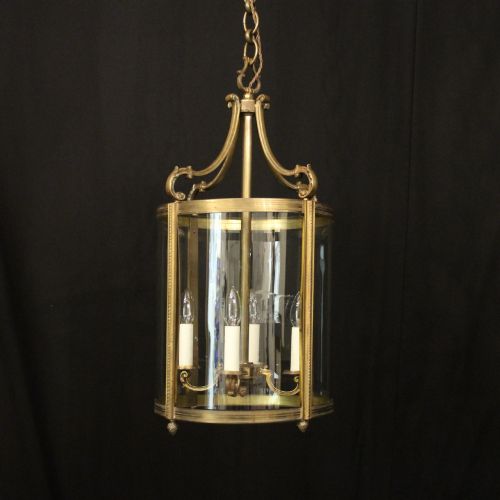
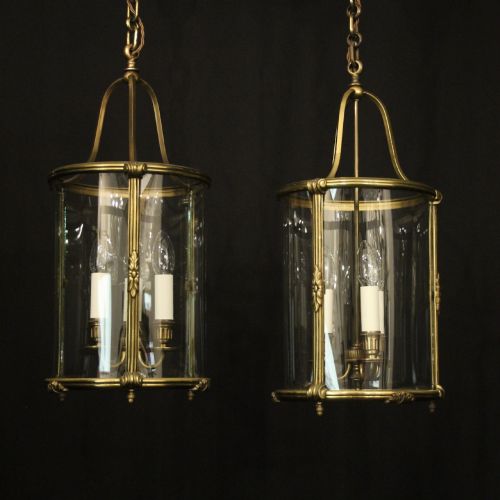
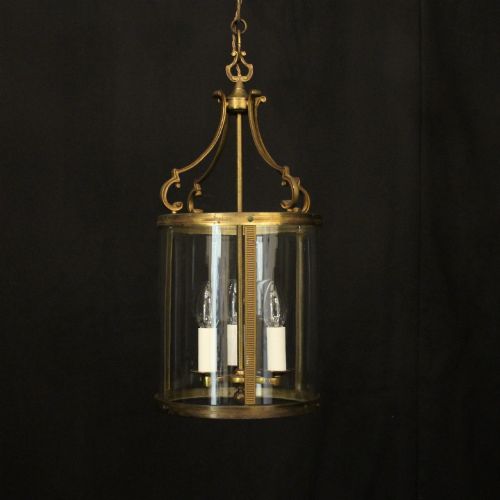
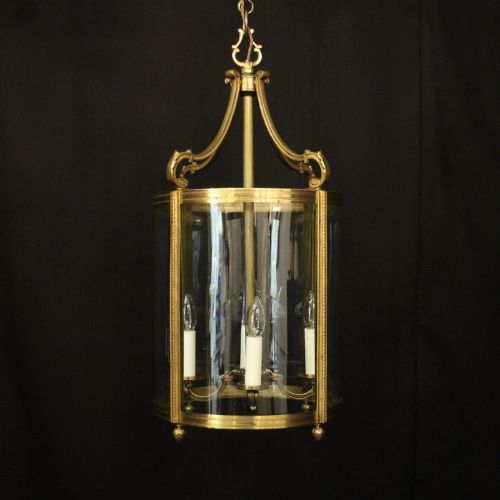
A bronze cylindrical hall light brings a commanding, warm presence to an entrance passage, offering practical illumination through glass and metal.
Bronze Cylindrical Hall Light
A bronze cylindrical hall light is a ceiling fixture designed specifically for corridors, vestibules, and entranceways where vertical space is utilised. These pieces typically take the form of hall lanterns and pendant lights that hang securely from above to distribute light evenly across a threshold.
Buyers browsing this selection will most frequently encounter French designs originating from the nineteenth century, the Edwardian era, and the decades leading into the nineteen-thirties. These examples often incorporate styles such as French Louis XVI, Louis XV, Rococo Revival, Neo-Classical, and Art Deco.
The physical presence of a bronze cylindrical hall light ranges from single-bulb formats to substantial four-light configurations. Many examples employ convex glass panes paired with elaborate metalwork to soften the output of the internal lamps.
How They Were Made
The structural framework of these lanterns relies primarily on cast or worked bronze, brass, and gilt brass. Metalworkers shaped these durable materials into rigid cylindrical cages designed to support glass panels securely.
Gilding was frequently applied to the bronze and brass surfaces to enhance reflectivity and impart a rich, golden tone. Glass elements, including convex panes, were fitted precisely into the metal frames to enclose the light source while diffusing the illumination.
Convex glass panes bend the interior light just enough to make hallway shadows dance politely as you pass.
What Varies In Quality
Quality in these lighting fixtures is distinguished by the crispness of the metal casting and the complexity of the decorative motifs. Superior examples display sharply defined ornamentation along the bronze and gilt surfaces, whereas simpler pieces rely on plain cylindrical frames without elaborate embellishment.
The choice of materials also dictates the grade of the piece, with heavy gilt bronze and substantial brass commanding a different presence than standard brass alternatives. Furthermore, the integration of specialised glass, such as convex panels, points to a higher tier of design and manufacturing effort.
The Bronze Cylindrical Hall Light Glossary
- Gilt Bronze
- Bronze metal that has been coated with a thin layer of gold or gold-coloured leaf to produce a lustrous finish. This technique protects the underlying metal while adding visual warmth.
- Convex Glass
- Curved glass panes fitted into the lantern frame to distort and soften the light outward. This curvature adds depth and dimension to the cylindrical silhouette.
- Hall Lantern
- A ceiling-hung lighting fixture specifically scaled for narrow passageways and entrance halls. These fixtures direct illumination downwards while casting a decorative glow through side panels.
- Neo-Classical
- A style drawing inspiration from the classical art and culture of ancient Greece and Rome. It emphasises symmetry, restraint, and orderly geometric forms in metalwork.
- Art Deco
- A design movement characterised by sleek geometric shapes, streamlined forms, and modern industrial aesthetics. Pieces from this era favor clean vertical lines over ornate historical revivalism.
Bronze Cylindrical Hall Light: Frequently Asked Questions
Where should a hall light hang?
These lanterns are traditionally suspended in entrance halls, vestibules, and long corridors where vertical clearance allows. They provide ambient illumination for transitional spaces.
Ensure the fixture hangs high enough to clear head height while remaining central to the architecture of the ceiling.
How do I identify a French lantern?
French lanterns typically display distinct decorative vocabularies associated with periods like Louis XVI or Neo-Classicism. Look for refined casting and specific proportioning.
Many examples also incorporate convex glass panels and heavy gilt bronze frames characteristic of continental workshops.
What is the difference between bronze and brass?
Bronze is an alloy primarily composed of copper combined with tin, yielding a heavy, durable metal that takes patination well. Brass is an alloy of copper and zinc, which tends to produce a brighter golden hue.
Both materials were used extensively for structural frames, sometimes receiving an additional gilt coating.
Can these lights be wired for modern use?
Most antique ceiling fixtures are adapted to accept contemporary electrical wiring and standard bulb fittings. Professional rewiring ensures the piece meets current safety standards.
Consult a qualified electrician to integrate vintage lanterns safely into modern domestic circuits.