

Bronze Ceiling Light
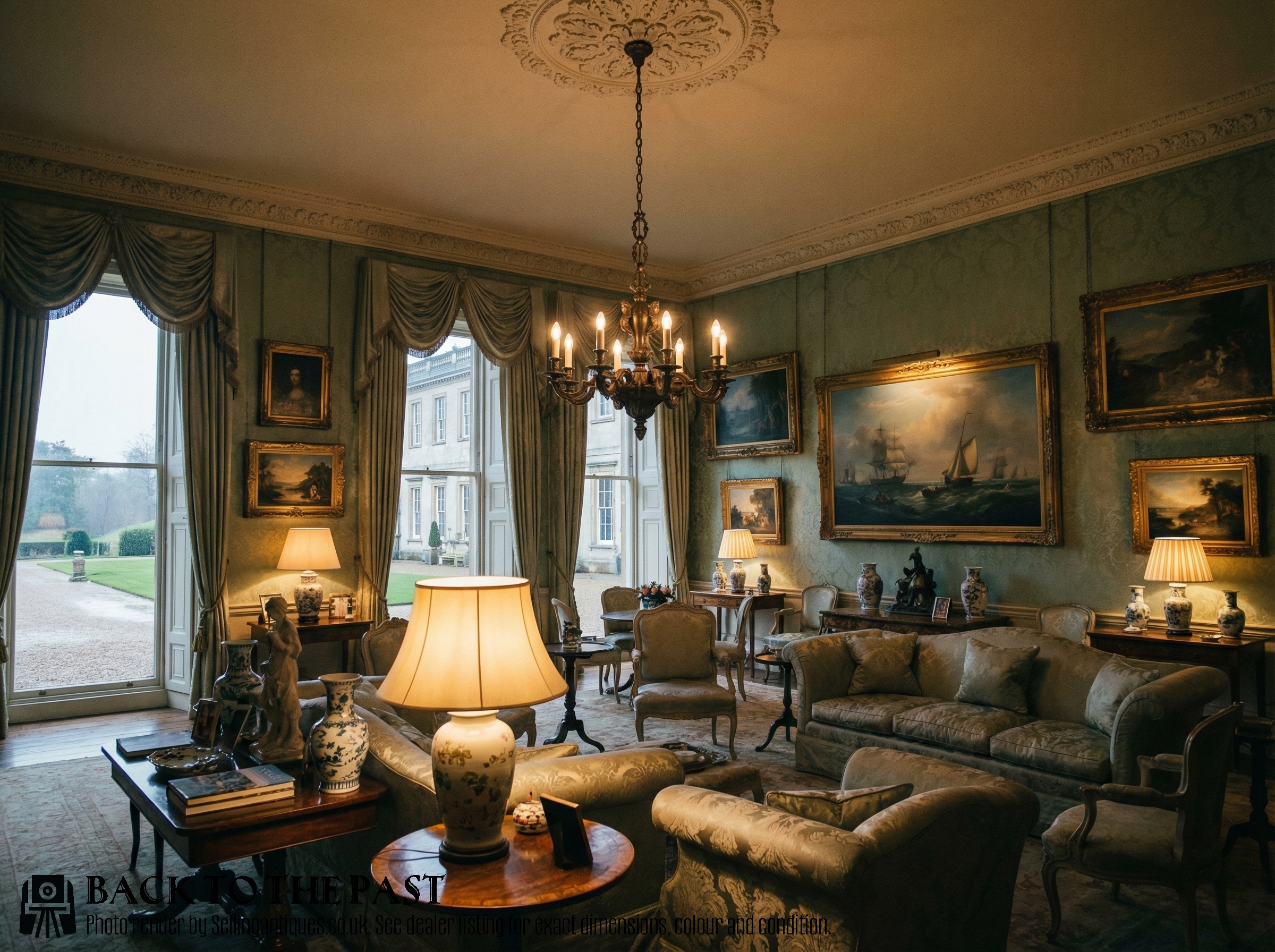
A bronze ceiling light brings structural presence and warm illumination to a room, turning overhead wiring into a commanding decorative focus.
Bronze Ceiling Light
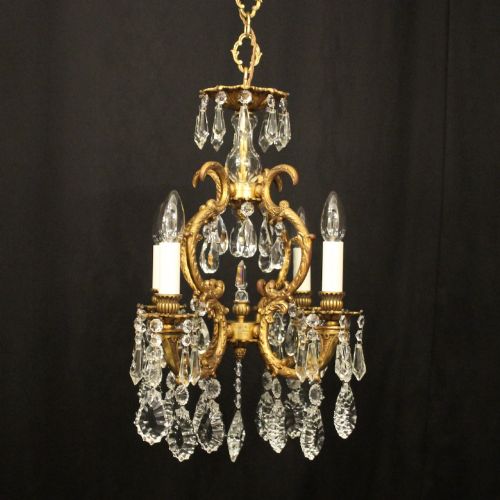
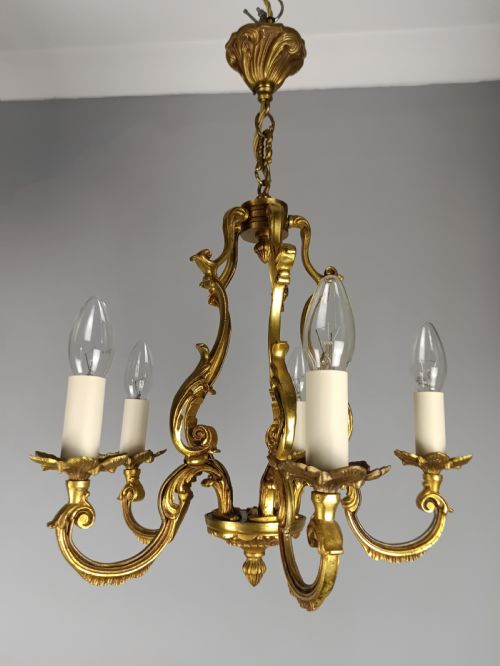
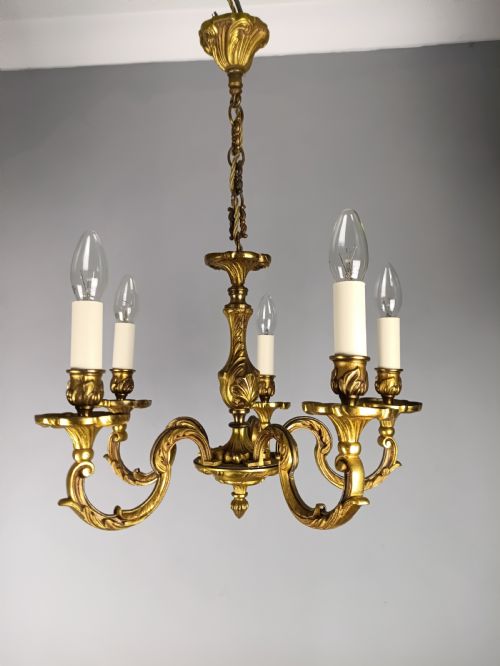
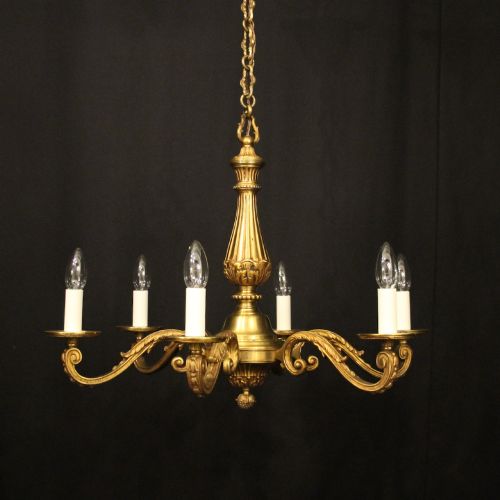
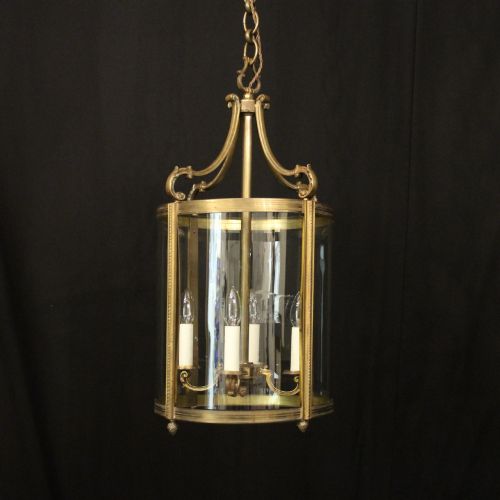
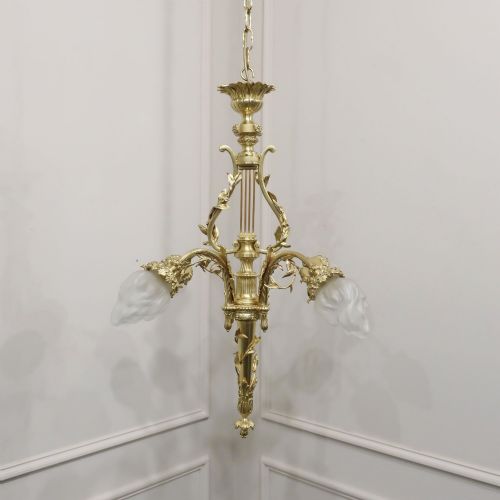
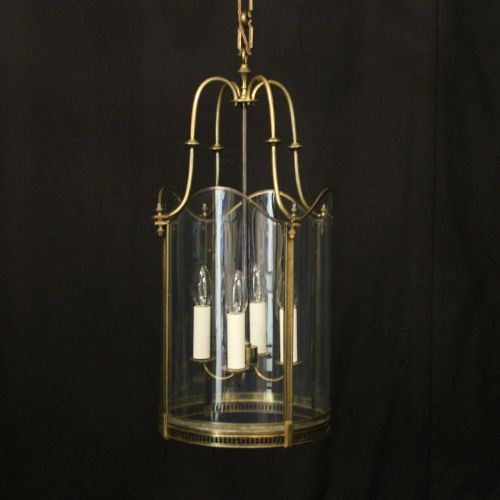
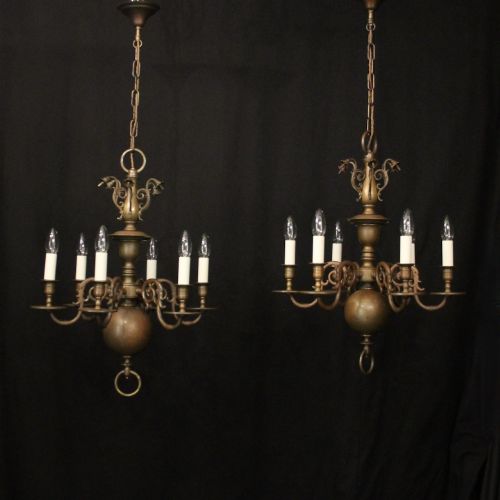
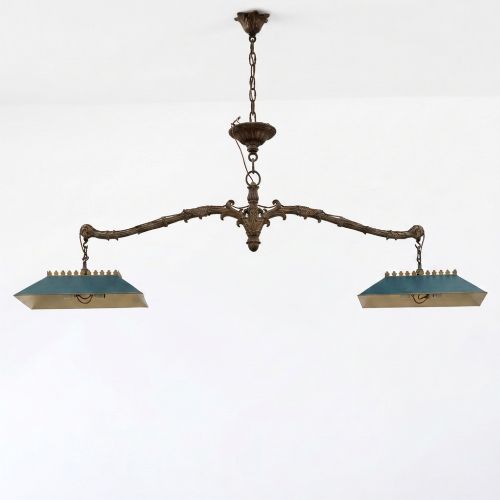
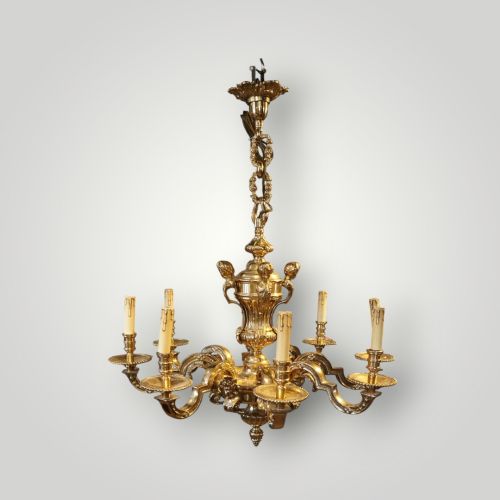
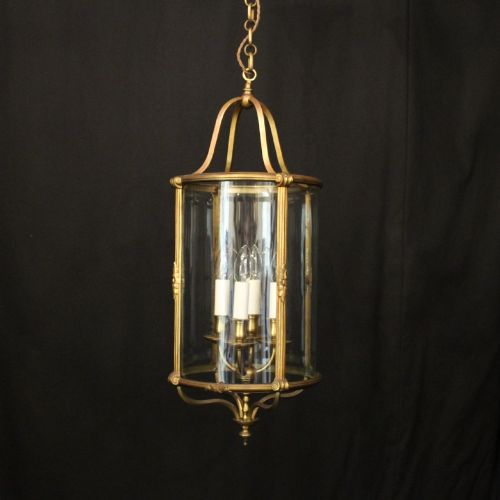
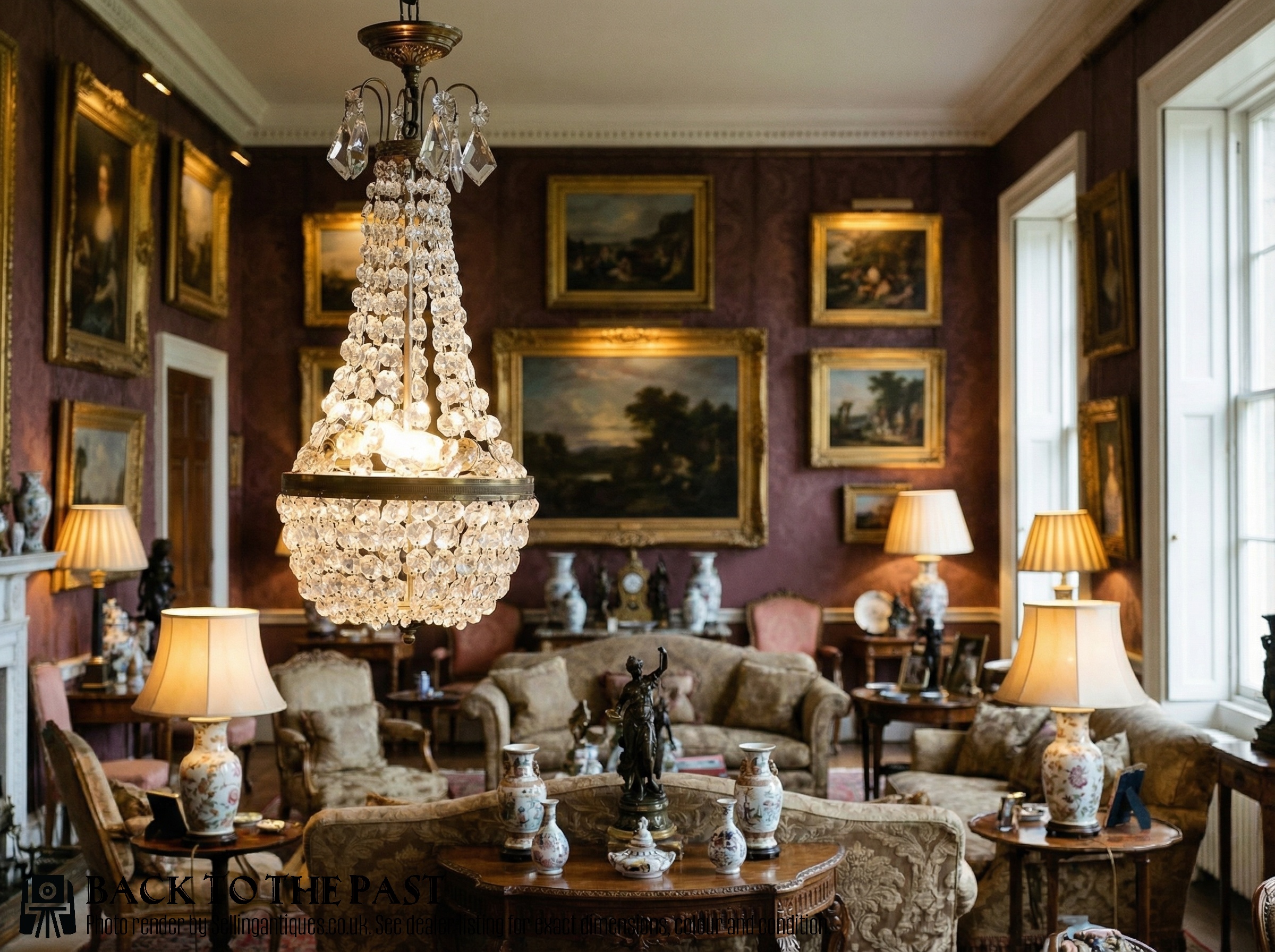
A bronze ceiling light encompasses elaborate multi-branch chandeliers, structured hall lanterns, and decorative hanging fixtures designed to anchor large spaces. French designs predominate across the periods, bringing distinct regional interpretations from the nineteenth and early twentieth centuries.
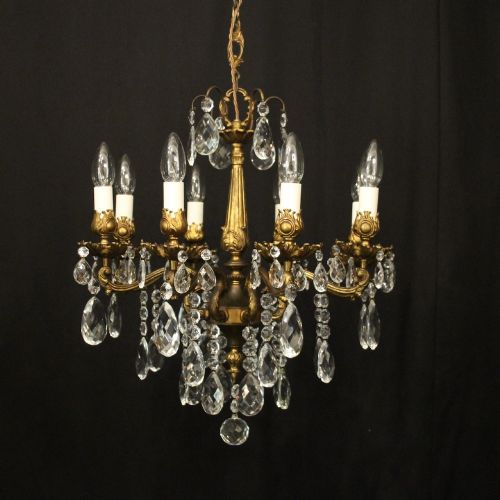
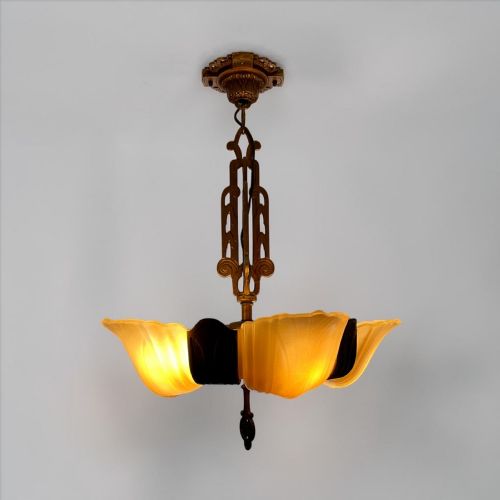
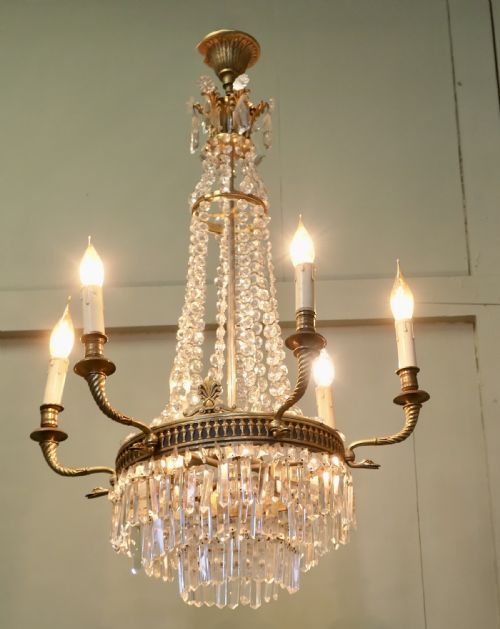
Makers and designers drew upon classical vocabulary, shaping heavy metal into birdcage frames, tent and waterfall formations, and neoclassical lyre motifs. Pieces frequently incorporate subsidiary materials like cut glass crystals, frosted glass shades, and alabaster bowls to diffuse the light.
The selection ranges from intimate four-light boudoir fixtures to monumental ballroom chandeliers holding over twenty lights. Hall lanterns and convex glass pendants offer alternative formats suited to transitional spaces and lower ceilings.

Materials and construction
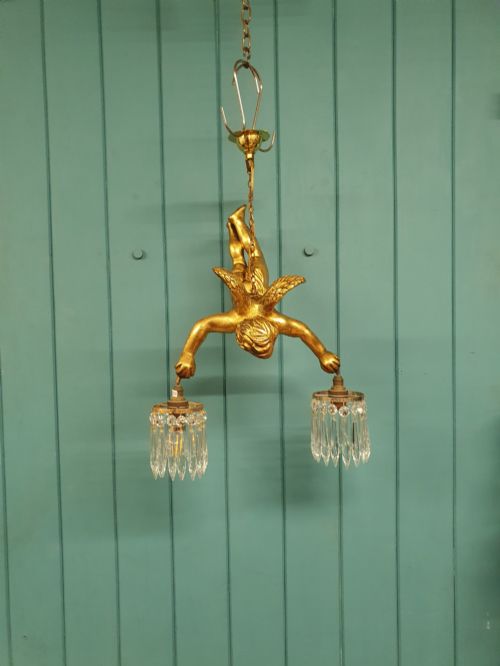
Foundries cast molten bronze, brass, and spelter into structural arms, intricate mountings, and decorative figures like putti and cherubs. Artisans applied mercurial gilding, silver leaf, or dark patination to the metal surfaces to achieve specific tonal depths.
Cut glass crystals, icicle drops, and moulded slip shades were integrated into the metal frames to catch and refract illumination. Hand-cut prismatic elements hung from wire pins, while glass bowls were secured within cast bronze galleries.
Bronze Ceiling Light Retail Price Guide 2026
Typical asking prices for bronze ceiling light among the pieces listed under this phrase on Sellingantiques today, from the lower quarter to the upper quarter. They describe what is for sale here now, not the wider market.
Bronzed cherubs dangle precariously from ceiling galleries, seemingly holding up the room's illumination with permanent juvenile enthusiasm.
Judging the quality
The integrity of the glass components determines the overall coherence of the fixture, where hand-cut crystal drops and heavy moulded shades outrank pressed glass substitutes. Substantial gauge metal and robust internal wiring channels separate enduring architectural pieces from lighter commercial alternatives.
The Bronze Ceiling Light Glossary
- Ormolu
- A technique of applying finely ground high-carat gold to a bronze base using a mercury amalgam. This process creates a rich, lasting metallic surface found on high-end French fixtures.
- Spelter
- An alloy of zinc and lead cast into decorative shapes as a less expensive alternative to bronze. It appears frequently in figural ceiling lights depicting cherubs and putti.
- Plafonnier
- A ceiling-mounted light fixture that sits flush or very close to the ceiling surface rather than hanging on a suspension chain. These often feature large moulded glass bowls held by metal galleries.
- Holophane
- A brand of scientific glass prisms engineered to direct light efficiently while reducing glare. These prismatic shades are characteristic of early twentieth-century industrial and domestic lighting.
- Tent and waterfall
- A chandelier configuration where upper strings of crystal beads form an inverted cone tent shape above a widening cascade of drops. This arrangement maximises light refraction across large reception rooms.
Bronze Ceiling Light: Frequently Asked Questions
How do I choose the right size?
Consider both the floor area and the ceiling height of the room where the fixture will hang. Large multi-tier chandeliers require substantial clearance, whereas flush plafonniers or compact lanterns suit lower domestic spaces.
Measuring the drop ensures the light clears doorways and walking paths without dominating the human scale of the interior.
Are these lights suitable for modern wiring?
Most antique fixtures require professional rewiring to comply with contemporary safety standards and electrical codes. Many surviving pieces have already been updated for modern circuits.
Consulting a qualified electrician ensures the heavy bronze framework is safely anchored to ceiling joists capable of supporting the dead weight.
How do I date a bronze light?
Stylistic clues such as neoclassical symmetry, Art Deco geometric lines, or Empire proportions provide the primary chronological indicators. Manufacturing techniques, screw thread types, and the composition of the glass elements further narrow down the era.
Comparing the casting sharpness against documented examples from the nineteenth and early twentieth centuries clarifies the period of manufacture.
What is the difference between bronze and brass?
Bronze is an alloy primarily composed of copper and tin, yielding a heavy, durable material that takes dark patination and gilding exceptionally well. Brass substitutes zinc for tin, producing a brighter, yellower metallic tone.
Many period listings describe fixtures using both terms interchangeably or denote gilt brass alongside solid gilt bronze variants.