
British Sterling Silver Tableware
British sterling silver tableware encompasses functional items for dining and service, forged in precious metal to elevate any formal meal or gathering.
British Sterling Silver Tableware
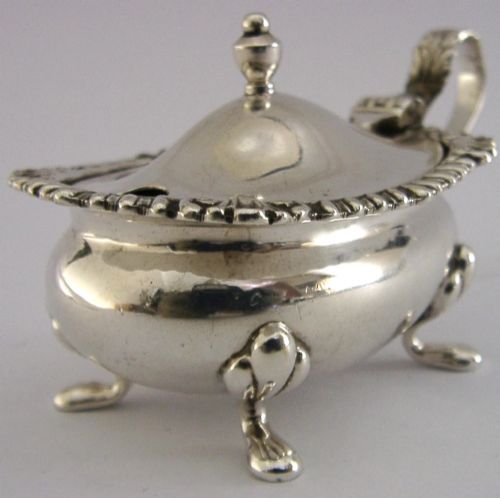
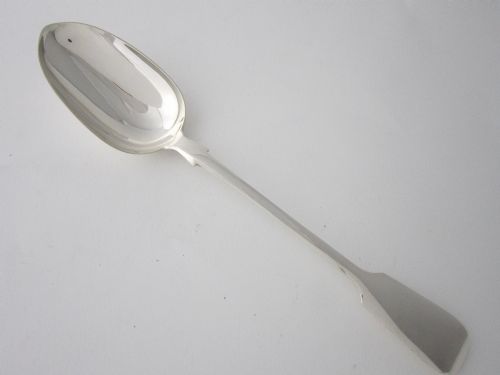
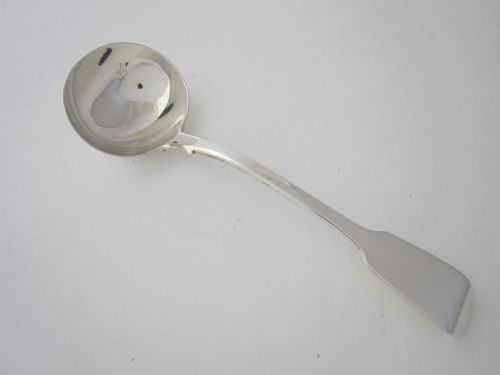
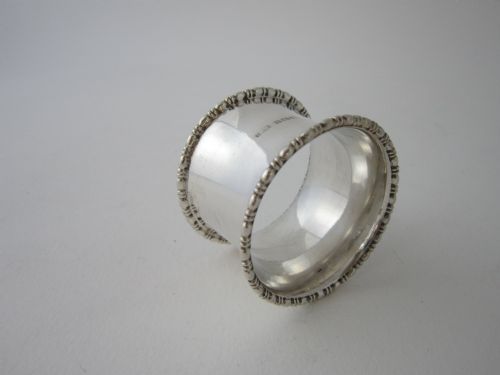
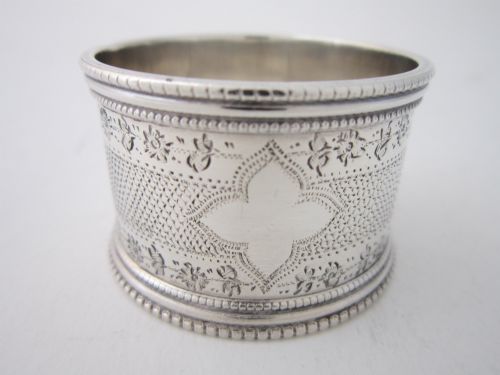
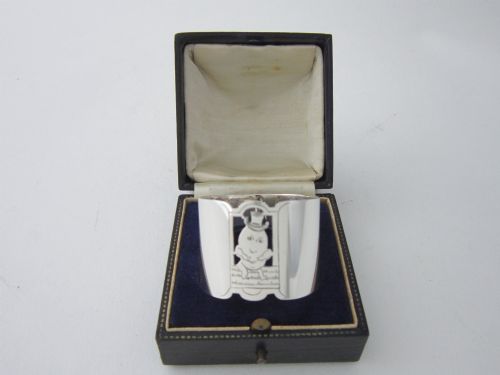
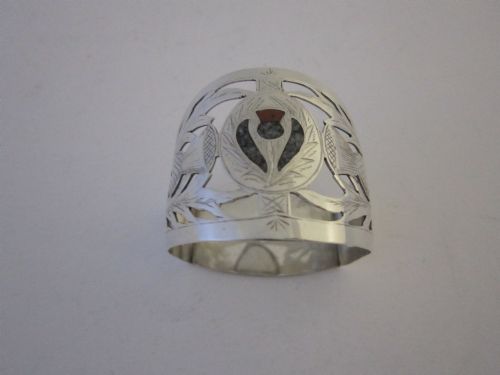
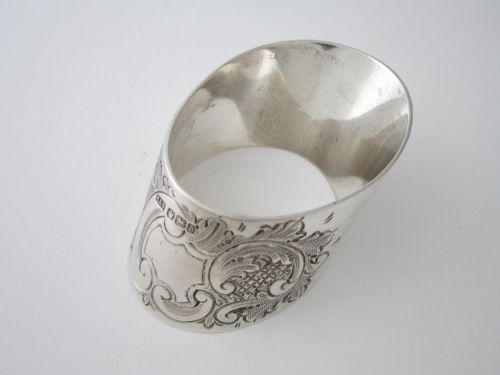
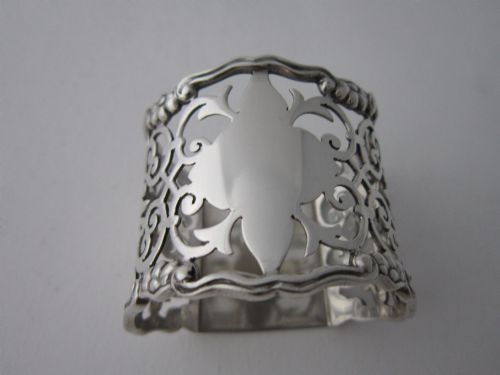
British sterling silver tableware comprises dining accessories and serving pieces designed for functional use at the table. These objects range from nineteenth-century basting spoons and mustard pots to twentieth-century napkin rings and toast racks.
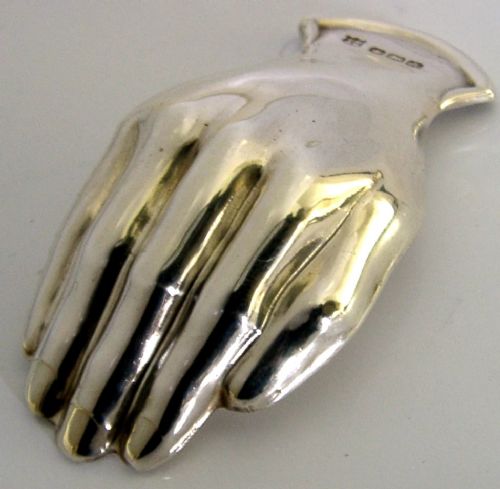
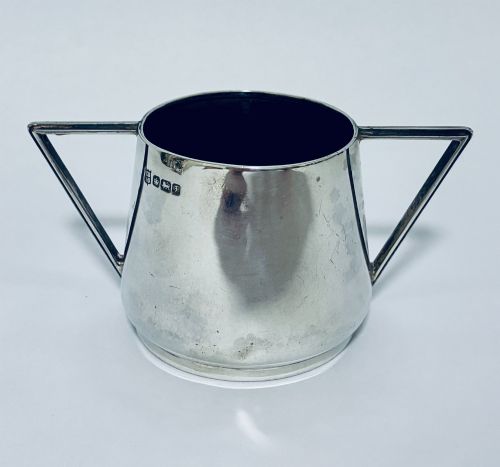
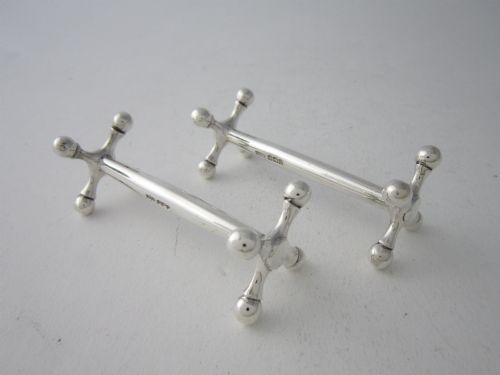
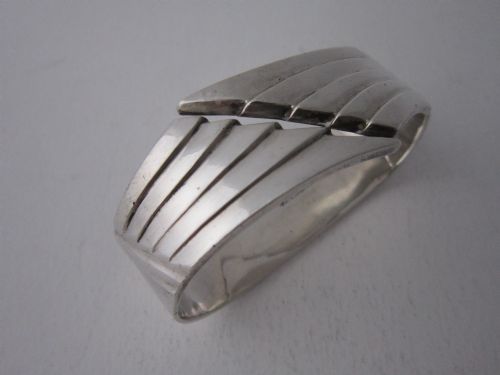
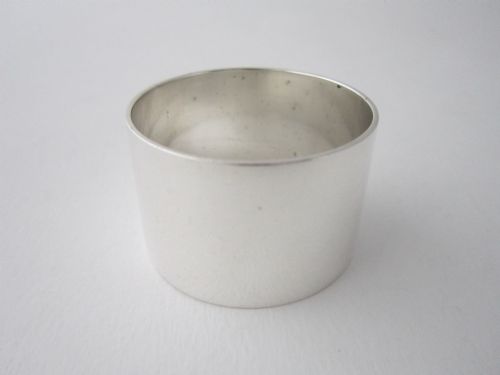
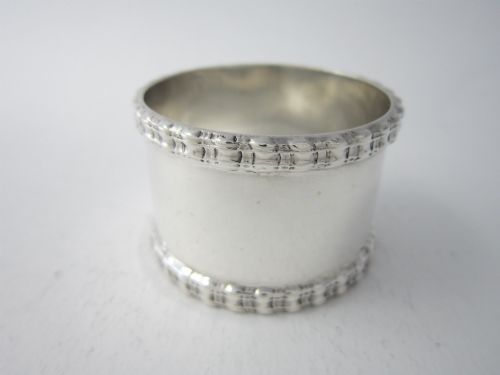
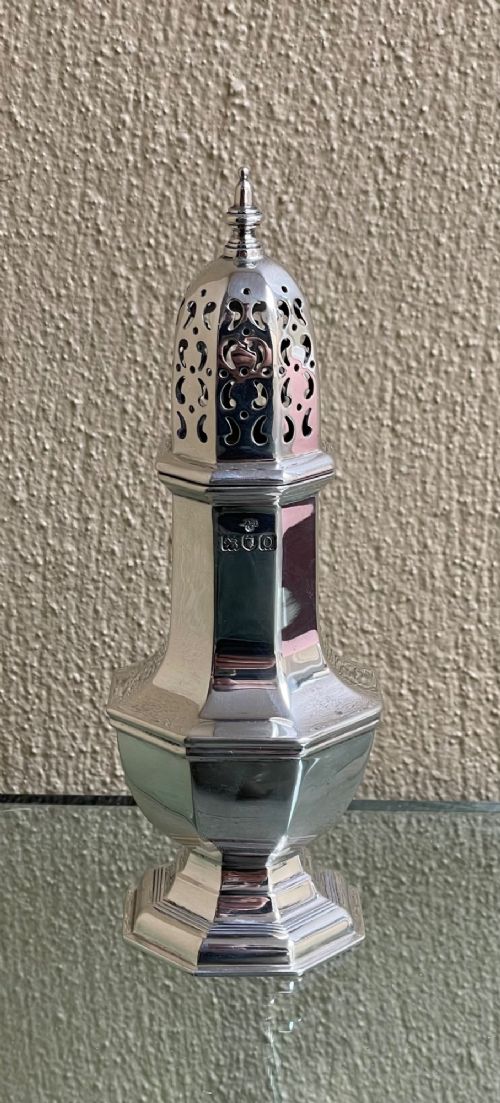
Napkin rings and serving spoons appear most frequently on this page, alongside condiment sets, sugar shakers, and dessert dishes. Pieces span multiple eras, including Victorian, Edwardian, and George V periods.
Makers utilise sterling silver alongside contrasting materials such as blue glass liners, silk, leatherette, agate, and velvet. Forms vary from simple fiddle patterns to geometric Art Deco designs and novelty shapes.
The markers of distinction
Substantial weight in the hand separates robust service pieces from lighter domestic items, reflecting the quantity of silver employed in manufacture. Heavier gauge metal resists bending and maintains structural integrity through decades of handling.
Clarity of hallmarks and precision in decorative engraving indicate the skill of the original workshop. Finer examples display crisp detail in patterned borders and secure integration of auxiliary materials like glass or stone.
The inventory encompasses periods from the late seventeenth century through the mid-twentieth century, featuring sterling silver, glass, and agate.
John Mackfarlan·Robert Pringle and Sons·Viners·R. E. Stone
The British Sterling Silver Tableware Glossary
- Sterling silver
- An alloy consisting of pure silver and other metals, traditionally proportioned to ensure durability while retaining precious metal purity.
- Hallmark
- A series of official marks stamped onto precious metal items to guarantee purity, origin city, and the year of manufacture.
- Fiddle pattern
- A traditional nineteenth-century flatware handle design featuring a distinctive broadened shoulder resembling a violin shape.
- Toast rack
- A small tabletop frame fitted with vertical divisions designed to hold slices of toast upright and prevent sogginess.
- Caddy spoon
- A short-handled scoop specifically sized for measuring loose tea leaves from a storage caddy into a pot.
- Porringer
- A small, shallow bowl furnished with one or two horizontal flat handles, used historically for porridges and broths.
British Sterling Silver Tableware: Frequently Asked Questions
How do I clean silver tableware?
Wash pieces gently in warm soapy water using a soft cloth, avoiding harsh abrasives that scratch the surface. Dry thoroughly with a lint-free towel to prevent water spots.
Use a dedicated silver polish sparingly only when tarnish accumulates, following the grain of the metal. Store items in dry environments away from rubber and direct sunlight.
Are these pieces safe for daily use?
Sterling silver serves as a durable metal intended for regular dining and food service. Items like spoons, napkin rings, and sugar casters function reliably for everyday meals.
Hand washing preserves the finish and prevents damage to delicate components like glass liners or attached agate panels. Acidic foods should not remain in contact with silver for extended periods.
How do I date British silver?
Look for the town mark, the lion passant indicating sterling standard, and the distinct date letter stamp. Each assay office utilised specific alphabets corresponding to particular years.
Style indicators such as Art Deco geometric lines or Victorian fiddle patterns further narrow the manufacturing era. Maker's marks provide additional historical context for the production period.
Why do some items have glass liners?
Glass liners protect sterling silver from corrosive food acids found in mustards, jams, and relishes. Salt and vinegar can pit silver if left in direct contact over time.
These removable inserts allow for easy cleaning of acidic residues without risking damage to the exterior metal. Coloured glass also adds a decorative contrast to the polished silver frame.