
Antique Sterling Serviette Ring
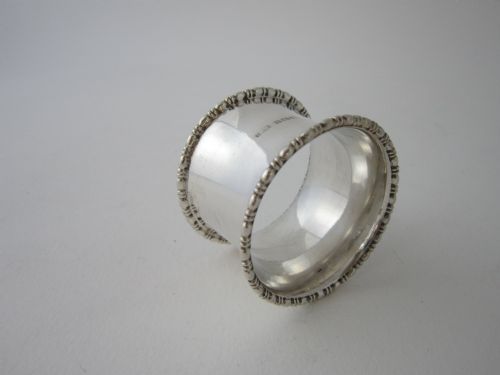
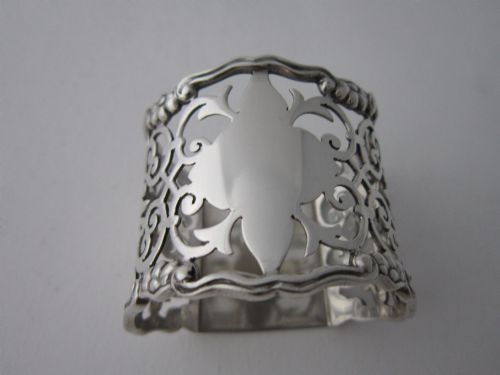
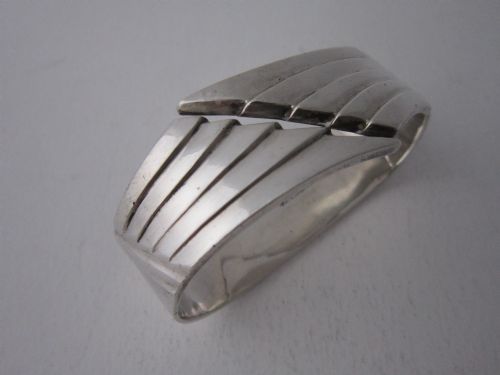
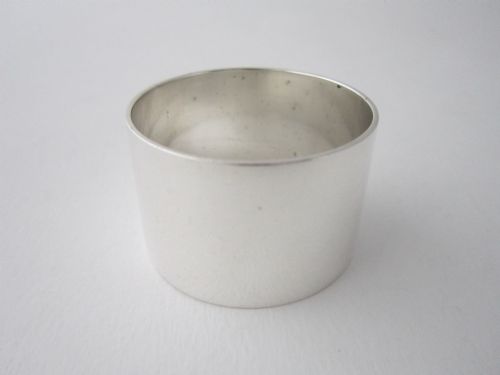
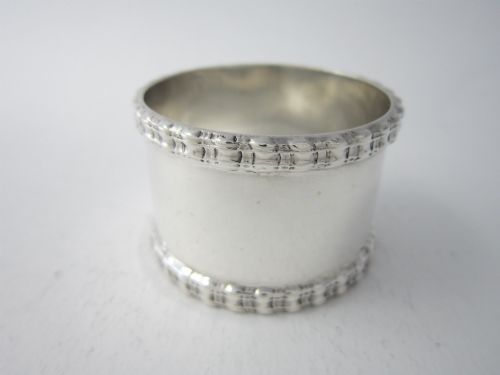
These antique sterling serviette rings are table silver pieces used to mark individual napkins at formal meals.
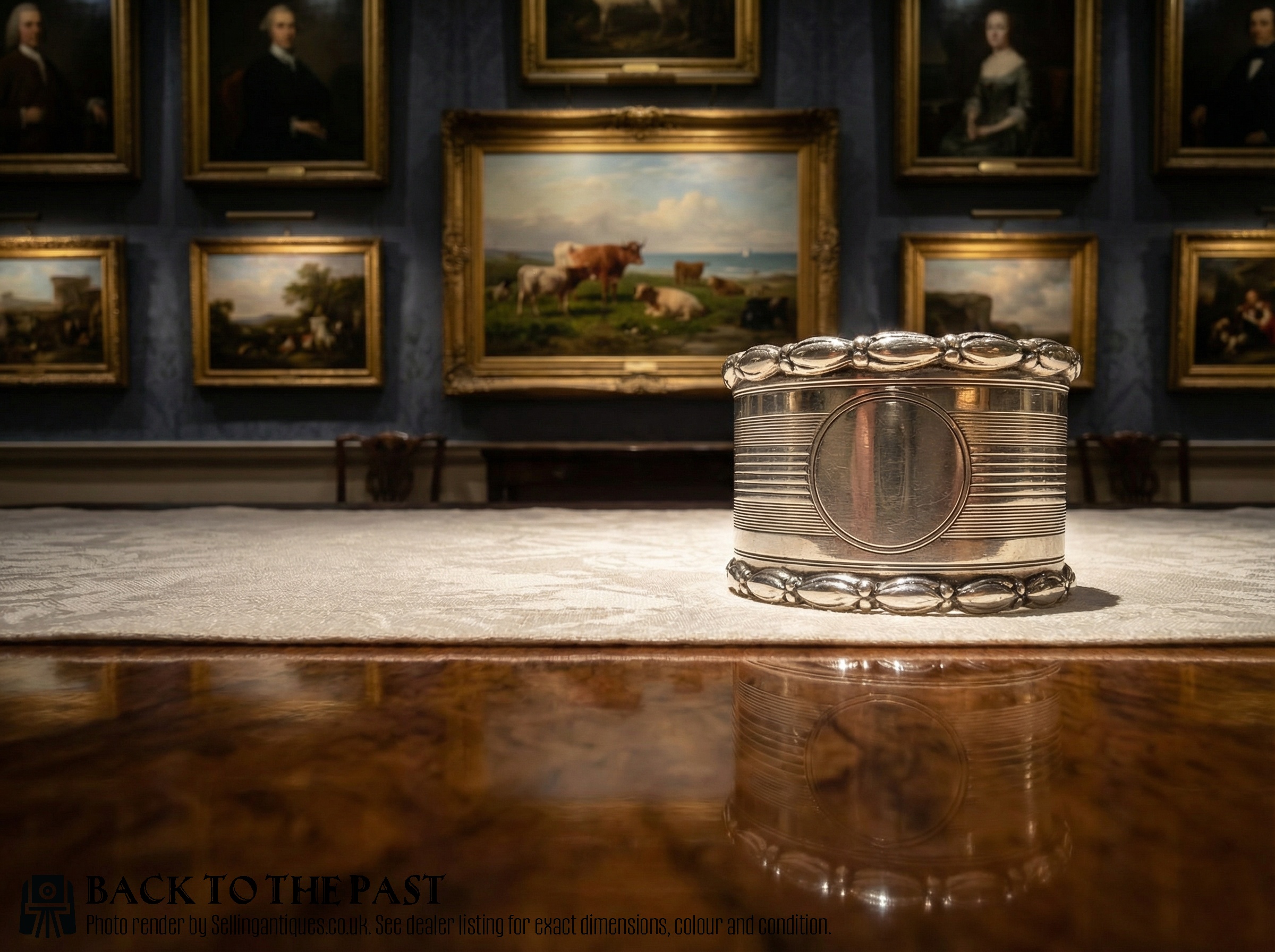
Antique Sterling Serviette Ring
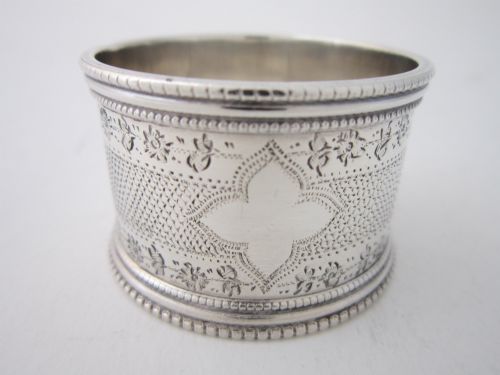
An antique sterling serviette ring is a small cylindrical band designed to hold a rolled table napkin between uses at dining tables. When you search for this phrase, you find items spanning from the late Victorian period through the Edwardian era and George V years into the mid-twentieth century.
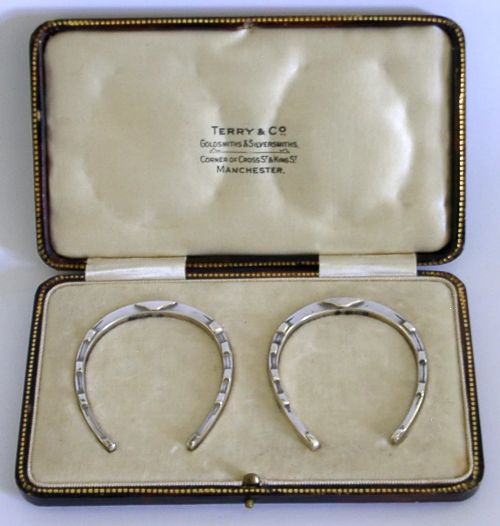
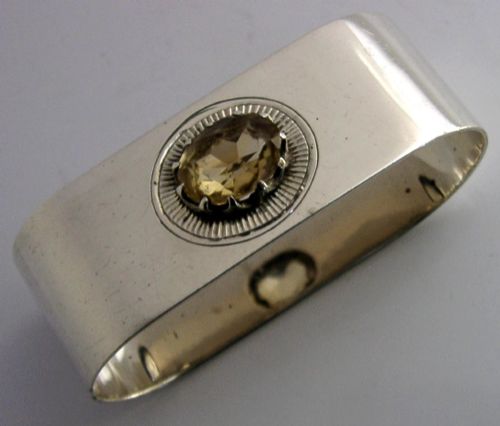
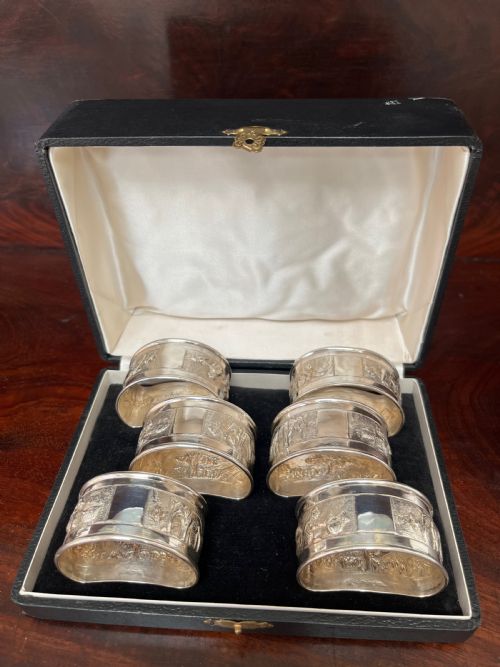
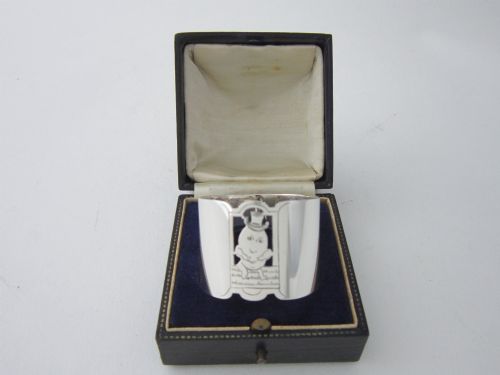
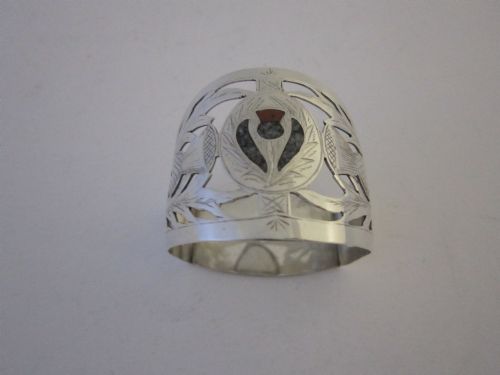
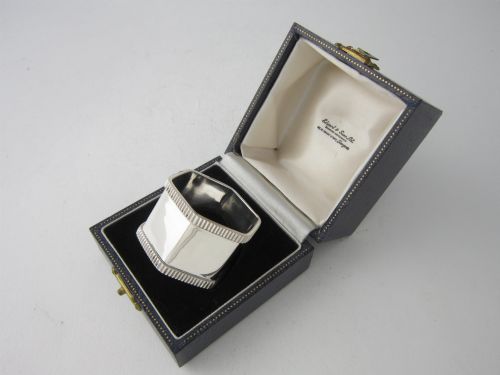
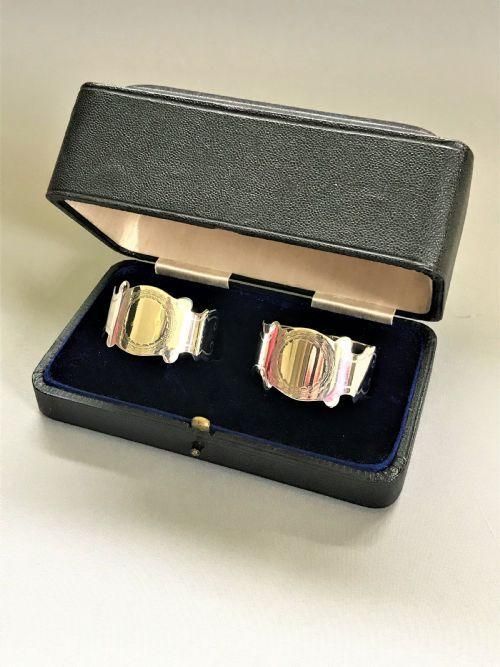
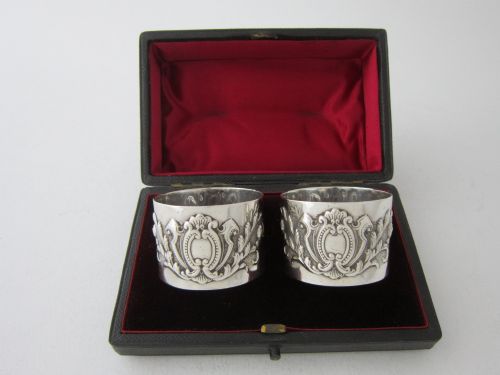
The pieces on this page appear individually, in pairs, or within fitted presentation boxes lined with silk, velvet, or leatherette. Many examples incorporate decorative elements such as applied citrine stones, agate, or colourful enamel details.
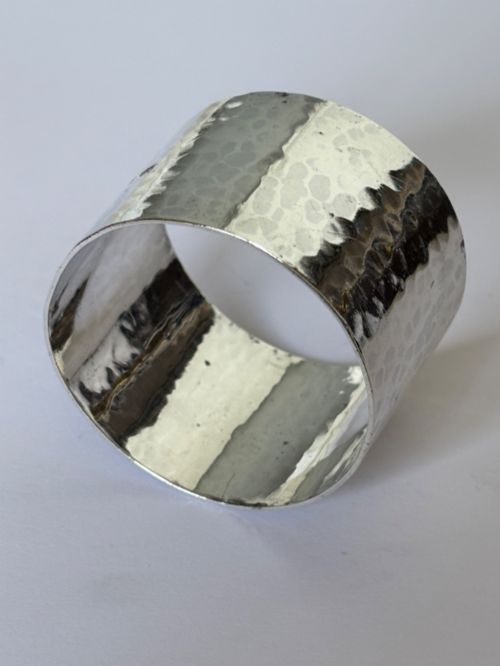
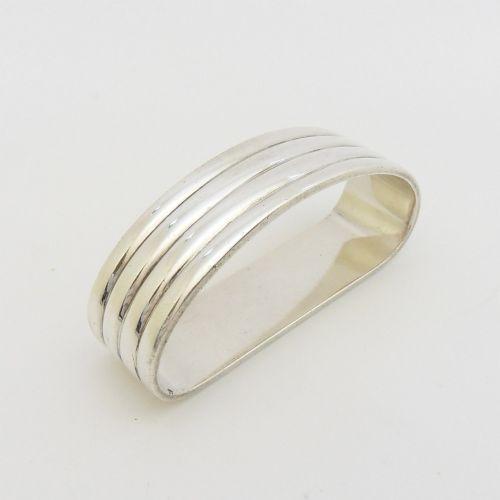
Makers shaped these silver rings in various forms, including plain polished bands, hammered textures, and novelty designs like horse shoes or buckled belts. They reflect the shifting aesthetic movements of their times, ranging from Arts and Crafts simplicity to Art Deco geometric styles.
What varies in quality
The thickness and weight of the sterling silver plate determine the structural substance of each serviette ring. Thicker metal resists denting during daily use and polishing over generations.
The precision of the maker's handwork defines finer examples, visible in crisp chased details, even hammering, and secure stone or enamel settings. Complete original presentation cases add notable distinction to matched sets of rings.
Listings feature sterling silver serviette rings spanning the Victorian, Edwardian, George V, and Mid-Century Modern periods.
Albert Edward Jones·R. E. Stone·C. T. Burrows and Sons·Liberty and Co·Mappin and Webb·Guild of Handicraft·David Andersen·Henry Wilkinson
The Antique Sterling Serviette Ring Glossary
- Sterling silver
- A silver alloy containing 92.5 percent pure silver and 7.5 percent other metals, usually copper, to increase durability. This standard metal forms the foundation of nearly all pieces on this page.
- Guilloche enamel
- A decorative technique where intricate geometric patterns are machined into metal beneath a translucent enamel coating. This adds deep colour and texture to the surface.
- Hallmark
- A series of official marks stamped onto precious metal items indicating the maker, assay office, and year of manufacture. These small stamps provide the primary evidence for dating English silver.
- Arts and Crafts
- A design movement valuing handcraftsmanship and traditional materials over industrial manufacturing. Objects from this style display visible hammer marks and simple, honest construction.
- Silver gilt
- Sterling silver that has been coated with a thin layer of gold on its surface. This treatment creates a rich two-tone appearance.
Antique Sterling Serviette Ring: Frequently Asked Questions
How are serviette rings used?
These rings hold personal cloth napkins between meals in family dining settings. Each household member receives a designated ring to identify their specific linen.
They sit beside dinner plates on the table, maintaining order and cleanliness for multi-use napkins.
Can I clean tarnished silver rings?
Silver naturally oxidises when exposed to air, developing a dark tarnish over time. Gentle cleaning with a specialised silver cloth restores the original shine without damaging the metal.
Avoid harsh abrasive pastes that wear away engraved details and hallmarks.
How do I date an English silver ring?
English silver pieces carry a stamped assay office mark alongside a specific letter code representing the year of manufacture. Reference charts match these alphabetical stamps to exact historical years.
Stylistic cues like Art Deco geometry or Victorian chased floral motifs also indicate the period.
Why buy cased sets?
Cased sets preserve multiple matching serviette rings together in their original fitted presentation boxes. These velvet and silk lined containers protected the silver from scratching when not in use.
Finding a complete set in its original housing pleases collectors seeking untouched historical groupings.