




Edwardian Engraved Silver Ring
These edwardian engraved silver ring examples and related pieces offer collectors fine chased decoration and period craftsmanship.
Edwardian Engraved Silver Ring
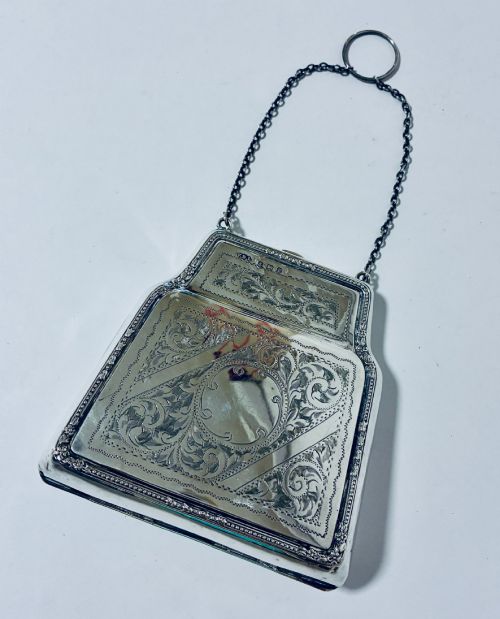
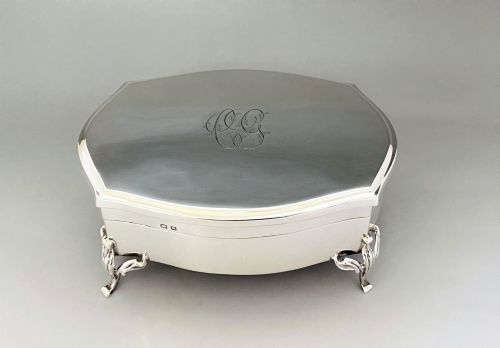
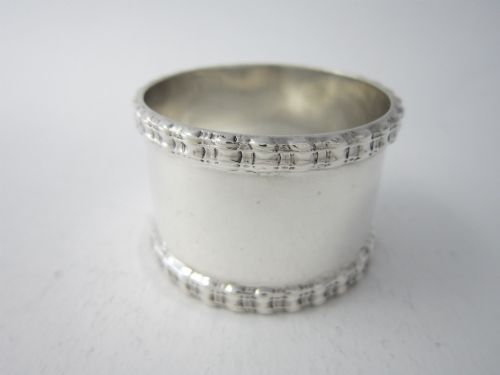
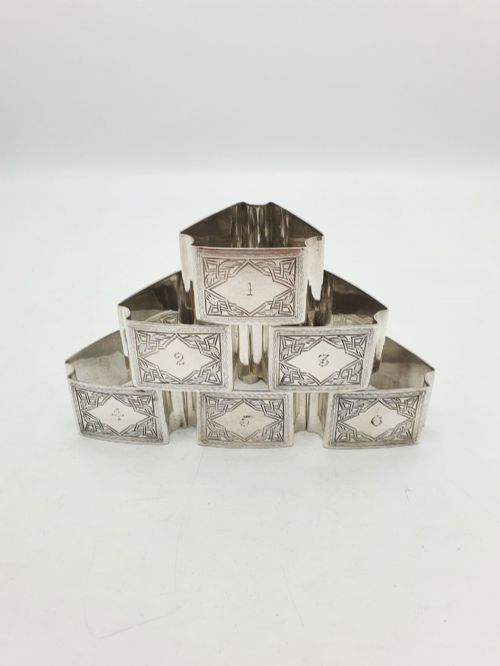
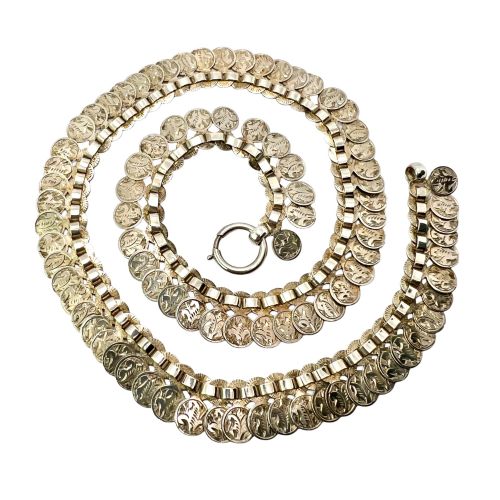
When you search for an edwardian engraved silver ring, you find a variety of small silver items, jewellery, and napkin rings produced around the turn of the twentieth century. The evidence on this page includes napkin rings, dress rings, coin necklaces, and jewellery boxes from the Victorian, Edwardian, and George V periods.
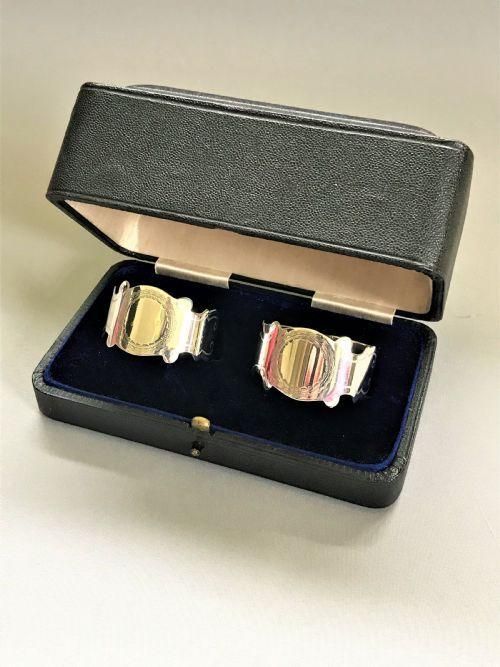
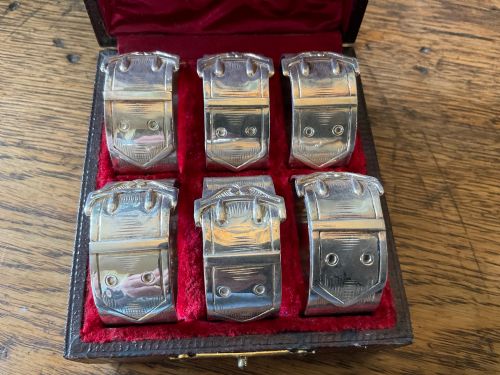
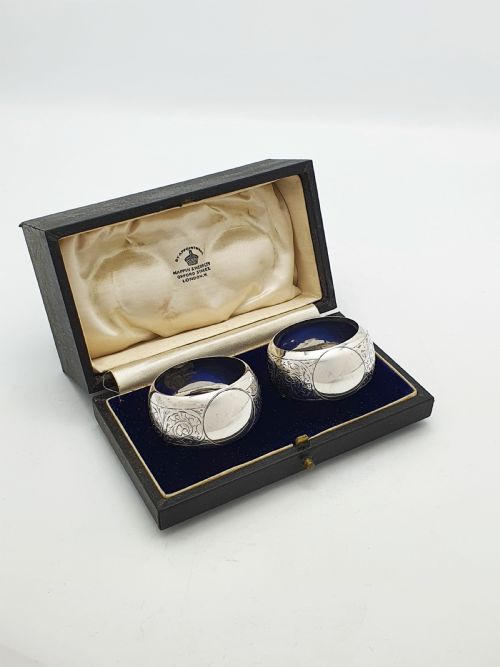
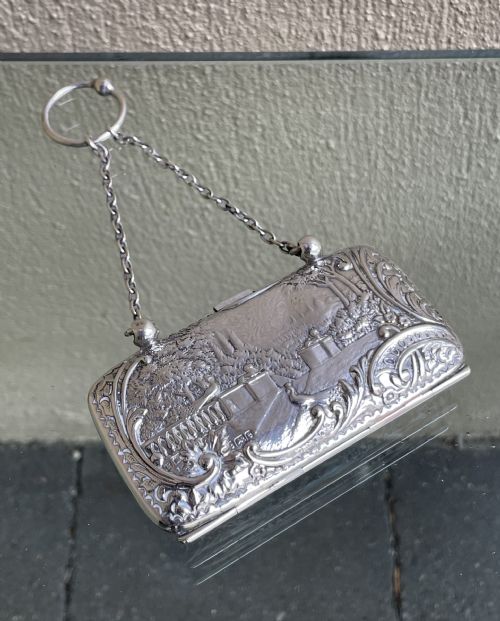
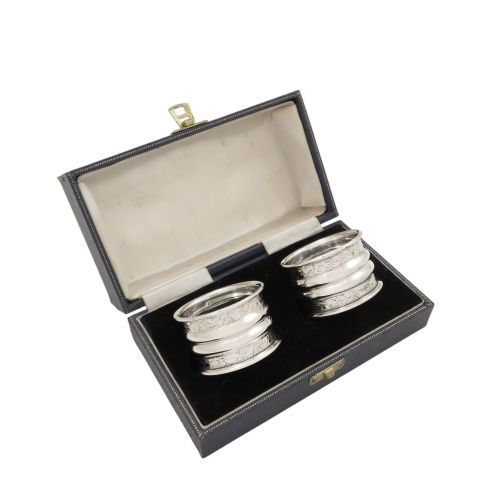
Napkin rings form a significant portion of these listings, often appearing as matched pairs or boxed sets of six. Other items span personal accessories such as purses and necklaces alongside larger storage pieces like caskets and jewel boxes.
The objects originate primarily from the nineteenth and early twentieth centuries, capturing the distinct decorative styles of the era including Art Nouveau influences and traditional foliate engraving.
How they were made
The pieces utilise sterling silver, silver plate, and occasionally glass, combined with supportive materials such as wood, leather, velvet, and silk found in presentation cases. Makers employed techniques like piercing, chasing, and hand engraving to ornament surfaces with scrolls, floral patterns, and textures that resemble fabric.
Construction methods vary from solid cast or formed solid silver to plated base metals. Fitted presentation cases often incorporate textile linings of silk or velvet to house the silverware securely.
Edwardian Engraved Silver Ring Retail Price Guide 2026
Typical asking prices for edwardian engraved silver ring among the pieces listed under this phrase on Sellingantiques today, from the lower quarter to the upper quarter. They describe what is for sale here now, not the wider market.
What varies in quality
Quality rests upon the crispness of the hand engraving and the depth of the metalwork rather than the mere presence of decoration. Pieces featuring complex scrollwork, pierced detailing, or specialised textures display a higher level of artisan skill.
The presence of original fitted cases and complete matching sets elevates the desirability of the item. Hallmarks providing clear maker marks, assay offices, and date letters offer definitive proof of origin and period authenticity.
Mappin & Webb·The Rolason Brothers·William Henry Sparrow·Robert Pringle
The Edwardian Engraved Silver Ring Glossary
- Sterling silver
- A silver alloy containing 92.5 percent pure silver and 7.5 percent other metals, usually copper. This standard composition provides durability for functional items like napkin rings and jewellery.
- Hallmark
- An official stamp applied to precious metals indicating the standard of purity, the assay office, and the year of manufacture. These marks guide collectors in dating individual pieces accurately.
- Pierced work
- A technique where metal is cut through to create openwork patterns and designs. This method lightens the object while adding decorative complexity.
- Chasing
- A method of hammering metal from the front to push details inward and create raised surface relief. It often complements engraving on period silverware.
Edwardian Engraved Silver Ring: Frequently Asked Questions
How do I clean antique silver?
Use a soft cloth and a specialised silver cleaner designed to remove tarnish without scratching the engraved details.
Avoid harsh abrasive compounds that can wear away thin silver plating or soften crisp hand-engraved lines.
Are cased napkin rings rarer?
Sets preserved in their original fitted cases often indicate better overall care and completeness through the decades.
Boxes lined with silk or velvet protect the silver from surface wear when stored away.
What does Edwardian mean?
The Edwardian period spans the reign of King Edward VII from 1901 to 1910, known for lighter and more delicate decorative arts than the preceding Victorian era.
Pieces from this time often feature flowing floral motifs and graceful scrollwork.
How do silver plate and sterling differ?
Sterling silver consists of solid alloy throughout, whereas silver plate applies a thin layer of silver over a base metal core.
Hallmarks help distinguish solid silver items from plated wares.