
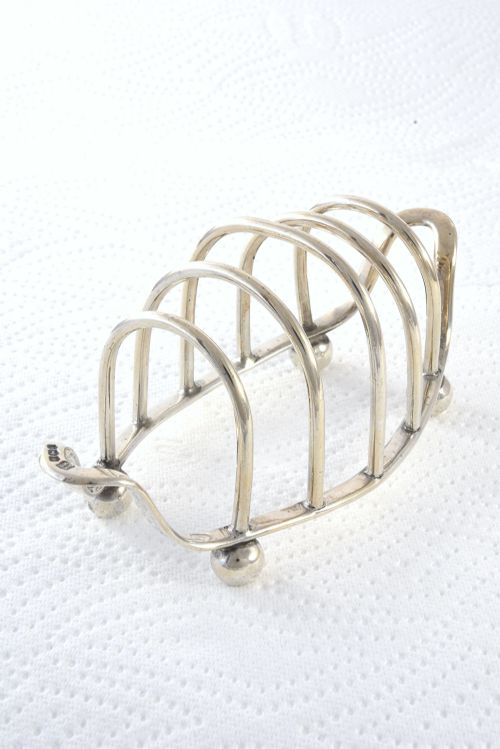


British Sterling Silver Caddy
British sterling silver caddy pieces are small, functional vessels and spoons for storing or serving loose leaf tea, prized for their refined metalwork and historical utility.
British Sterling Silver Caddy
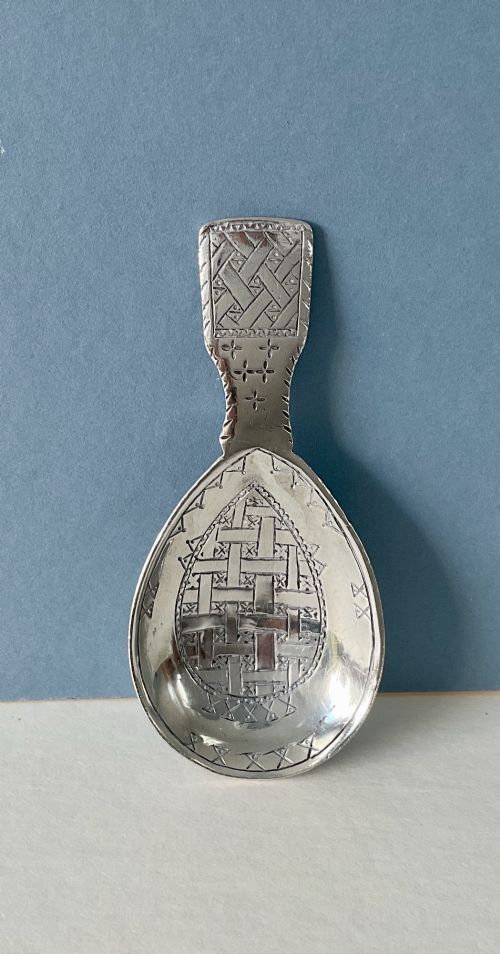
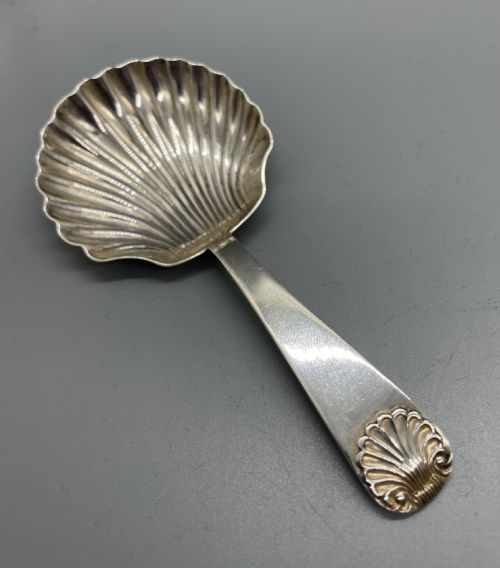
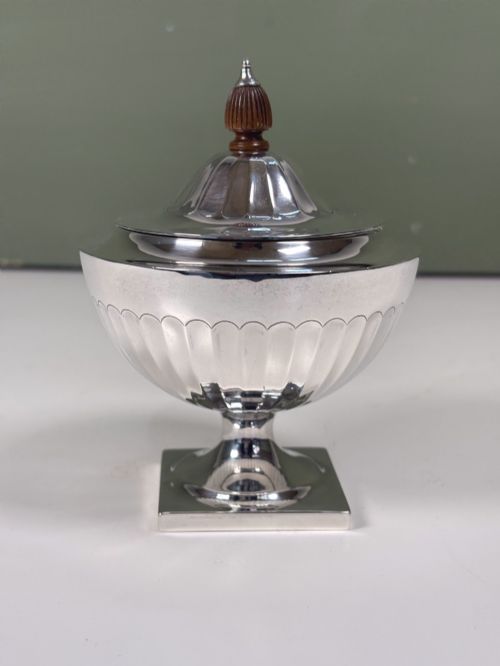
When you search for british sterling silver caddy pieces, you encounter a selection spanning Victorian, Edwardian, Georgian, and twentieth-century periods. These items primarily comprise caddy spoons alongside tea caddies and occasionally associated tableware such as toast racks.
The most common forms on this page are individual caddy spoons originating from distinct eras like the Victorian and Edwardian decades. Makers shaped these implements from sterling silver to accompany domestic tea service routines.
Styles range from classical Georgian revival designs to clean-lined Art Deco expressions and Arts and Crafts examples. Each piece reflects the aesthetic preferences and silver smithing standards of its specific production year.
Materials and construction
Items are formed predominantly from sterling silver, utilising traditional metalworking techniques such as stamping, casting, and hand-engraving. Goldsmiths and silversmiths shaped bowls and handles separately before joining them.
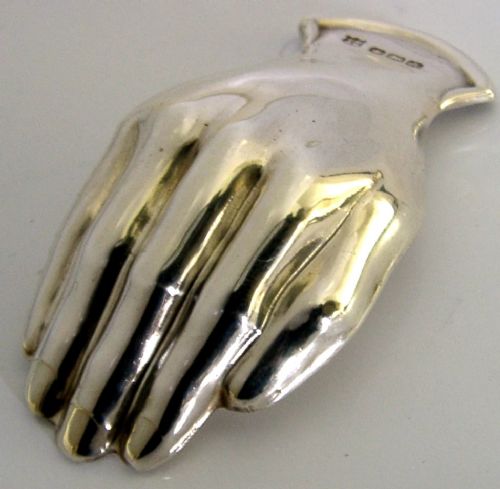
Certain objects incorporate secondary materials like wood alongside the primary silver components. Assay office marks stamped directly onto the metal record the city of testing and the standard of purity.
Some spoons feature novelty hand shapes designed to scoop tea leaves with human fingers.
Judging quality in silver work
Distinction across the range rests on the crispness of applied ornamentation, the balance of the handle, and the clarity of the hallmarks. Superior examples display deeply struck punch marks and purposeful, uncompromised gauge in the silver.
Artisanal execution separates standard utilitarian items from pieces carrying identifiable workshop provenance. Well-preserved surface finishes and balanced proportions indicate greater care during original production.
Liberty·Mappin And Webb·George Unite
The British Sterling Silver Caddy Glossary
- Sterling silver
- An alloy containing ninety-two point five percent silver by mass, with the remainder composed of copper or other metals. This standard ensures durability for functional tableware.
- Hallmark
- A series of official marks stamped on precious metals by an assay office. It guarantees the silver standard and identifies the year and maker.
- Assay office
- An official body that tests the purity of precious metal items. Towns like Sheffield and London operated historical testing facilities.
- Toast rack
- A small tabletop framework designed to hold slices of toast upright. These silver items share period characteristics with tea wares.
British Sterling Silver Caddy: Frequently Asked Questions
What is a british sterling silver caddy used for?
These items were designed to hold, measure, or serve loose tea leaves from traditional storage caddies into teapots. They functioned as essential accessories during formal and domestic tea preparation.
Over time, collectors have repurposed these small spoons and vessels as decorative display pieces or specialised serving implements for sugar and condiments.
How do I identify the date of my silver?
Examine the object closely for a series of small stamped impressions known as hallmarks. These symbols typically include a standard mark, a town mark, and a date letter.
Reference tables compiled from historical assay records allow you to match the specific letter stamp to its exact year of testing.
How should I care for sterling silver?
Maintain your silver by washing it gently in warm water with mild soap and drying it immediately with a soft cloth. Avoid abrasive cleaners that can wear away engraved details or damage the metal surface.
Store pieces in tarnish-resistant cloths or a dry environment to minimise exposure to atmospheric sulfur which causes discoloration.