



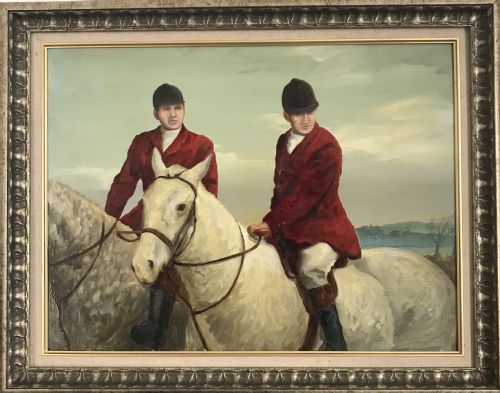
British Sporting Art Oil
British sporting art oil paintings capture horses, hounds and field sports across nineteenth and twentieth century canvases.
British Sporting Art Oil
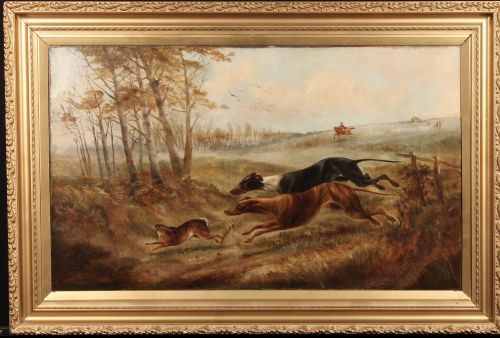
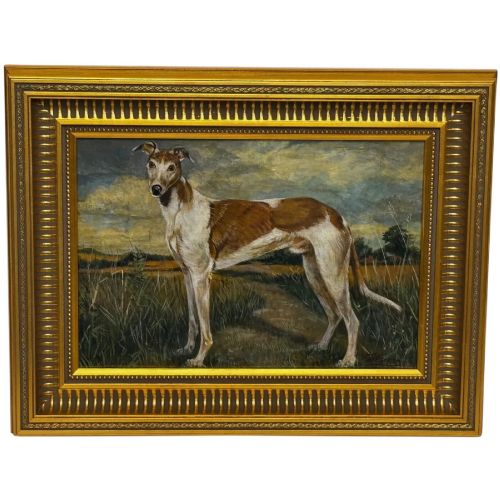
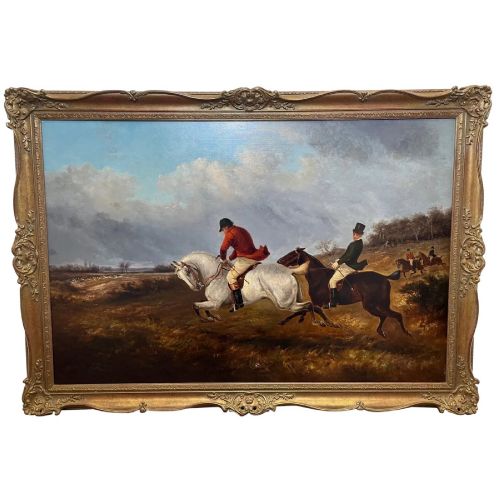
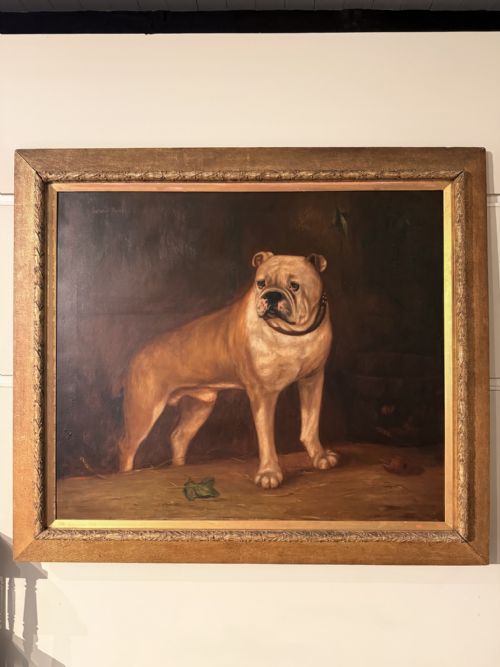
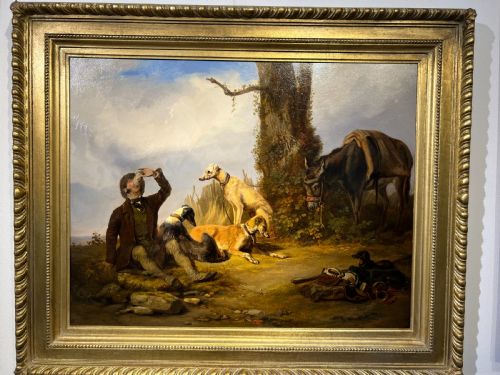
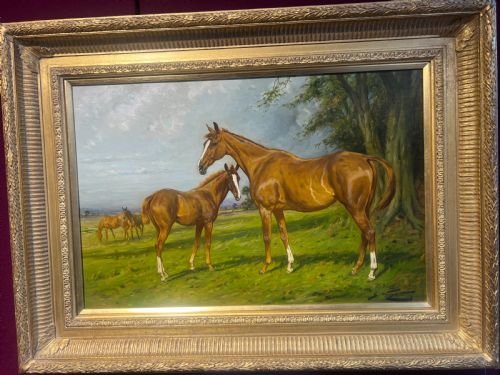
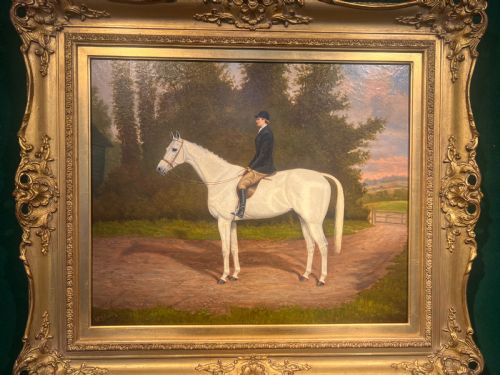
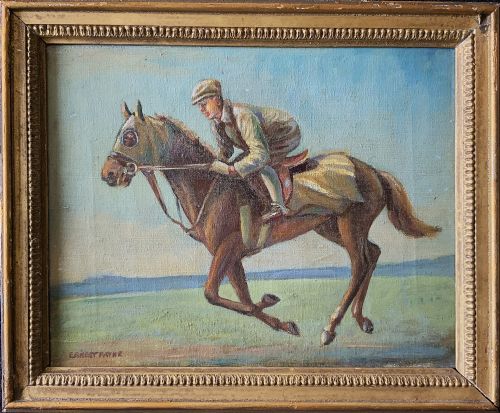
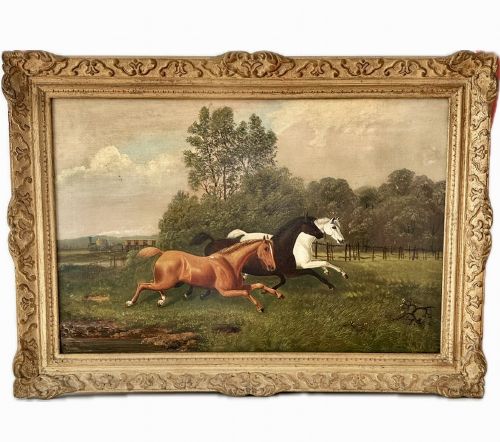
When you search for British sporting art oil, you encounter canvas works depicting horses, dogs, hunting scenes and country pursuits. The nineteenth century forms the bedrock of these offerings, featuring detailed portraits of hunters, racehorses and working terriers.
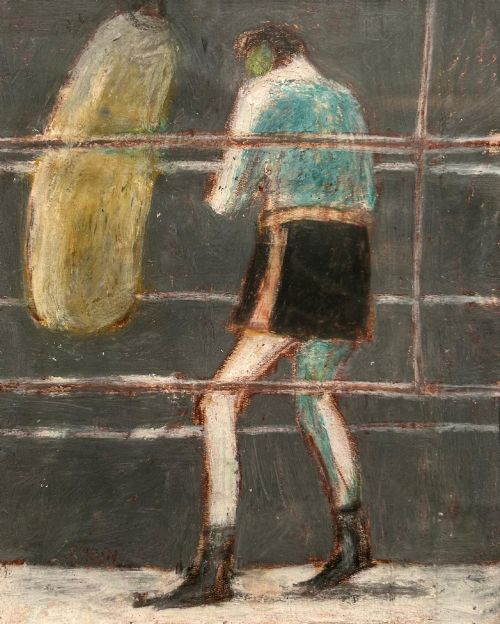
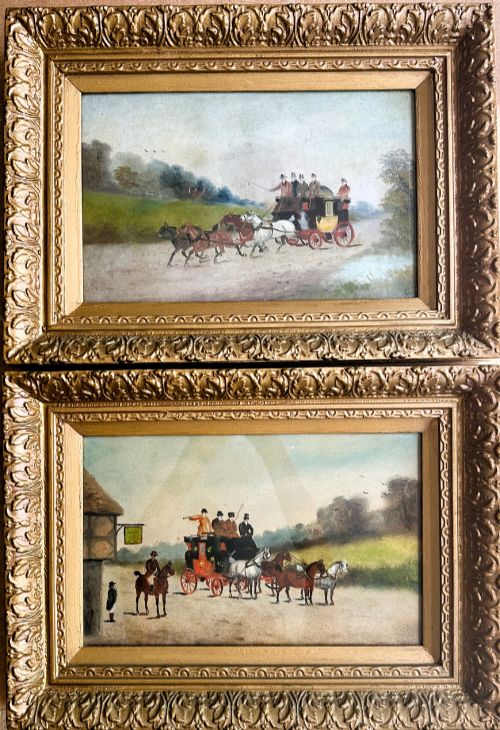
Victorian examples dominate the selection, ranging from intimate animal studies to large canvases depicting hunts and coaching scenes. Later twentieth century pieces extend into the nineteen-sixties, recording racing pigeons, snooker rooms and rural working dogs.
The subjects reflect a deep agricultural and sporting heritage, recorded by artists who understood conformation, movement and countryside traditions. You meet both named masters of the genre and competent British school painters working in oil on canvas.
Materials and construction
These works rely on oil paint applied to woven canvas stretched over wooden frames, often supported by period giltwood mouldings. Artists built up compositions using layered pigment to capture the gloss of a horse coat or the texture of a dog fur.
Gold leaf frames frequently accompany the paintings, providing a reflective border that complements the deep earth tones typical of nineteenth and early twentieth century palettes.
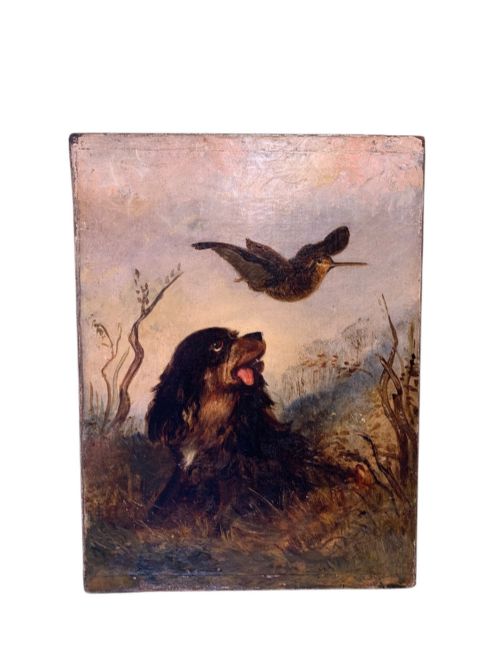
Dogs occasionally steal the show from horses, appearing as proud companions in muddy lanes, farmyards and stable yards.
Assessing quality
Quality rests primarily on the anatomical accuracy of the animals and the confidence of the brushwork. Superior works render muscle structure, tension and light correctly without stiffness.
Compositional balance and the handling of landscape backgrounds further separate master painters from routine studio productions. Original period framing also contributes significantly to the integrity of the piece.
Henry Barraud·George Armfield·Sir Edwin Henry Landseer·George Wright·John Emms·John Ferneley Senior·Philip Henry Rideout·Michael Lyne
The British Sporting Art Oil Glossary
- Giltwood
- Wood carved and coated with a thin layer of gold leaf. This material forms the ornate frames standard on nineteenth century sporting works.
- Canvas
- Woven fabric stretched taut across a wooden stretcher to provide a firm painting surface. Oil paint adheres securely to its primed texture.
- Equestrian
- Pertaining to horses and horseback riding. This category covers horse portraits, hunting scenes and racing depictions.
- Provenance
- The documented history of ownership of an artwork. Clear origin records add context to signed and attributed pieces.
British Sporting Art Oil: Frequently Asked Questions
What subjects appear most often?
Horses and dogs form the core subjects, appearing either in formal portraits or active hunting scenes. Hounds, racehorses, hunters and terriers dominate the compositions.
Scenes expand to include coaching parties, farmyards, shooting expeditions and occasional rural pastimes like racing pigeons.
How do I date a canvas?
Dating relies on costume details, vehicle types in coaching scenes, stretcher construction and artist signatures. Nineteenth century works often display heavier Victorian frames and darker varnishes.
Twentieth century pieces move towards brighter palettes and more direct brushwork while maintaining traditional countryside themes.
Where should I hang these paintings?
These works suit traditional studies, libraries, hallways or dining rooms with adequate wall space. Their warm oil tones complement wood panelling and period interiors.
Keep canvases away from direct sunlight and strong heat sources to protect the oil paint and canvas tension.
Are frames original?
Many pieces retain period giltwood frames that match the age of the canvas. Moulding styles help confirm whether a frame dates to the Victorian or Edwardian era.
Replacement frames occur frequently with older works, chosen to match the historical style of the painting.