

British Sporting Art Oil Painting
When you examine a british sporting art oil painting, you encounter canvases recording horses, hounds, and countryside pursuits across the nineteenth and twentieth centuries.
British Sporting Art Oil Painting
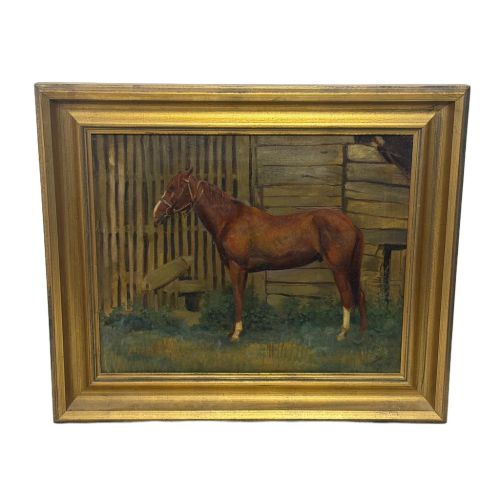
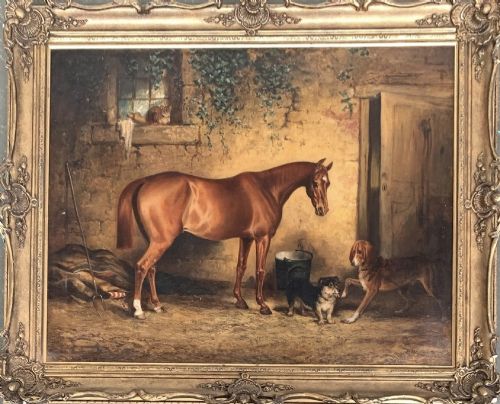
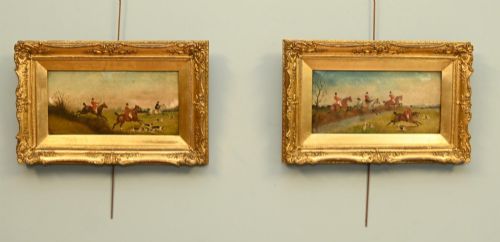
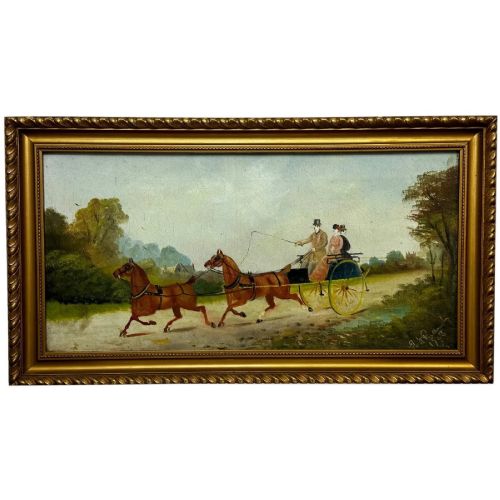
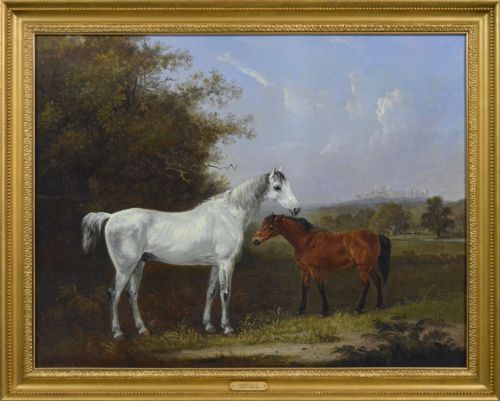
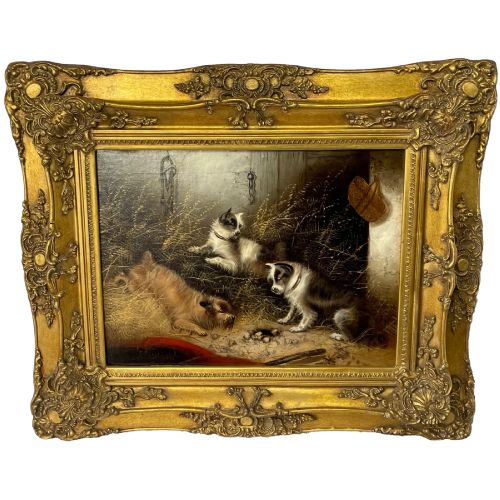
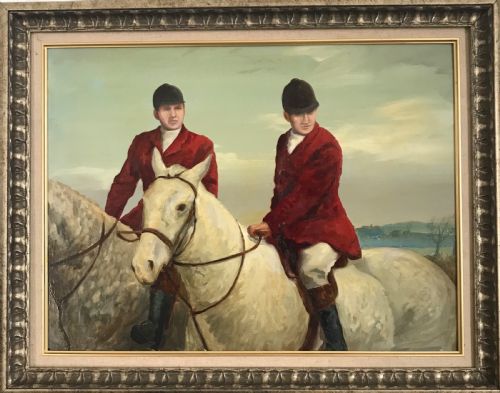
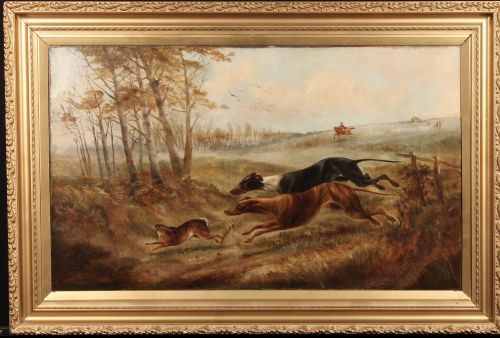
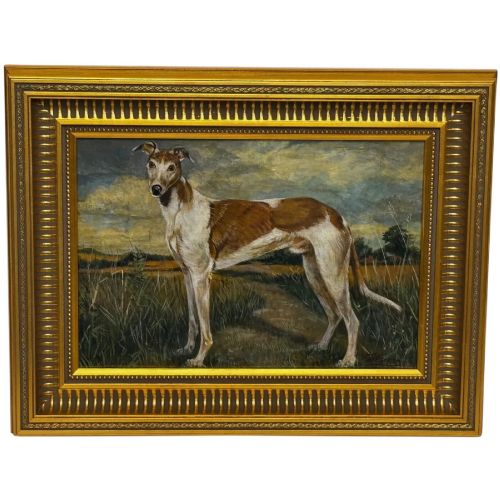
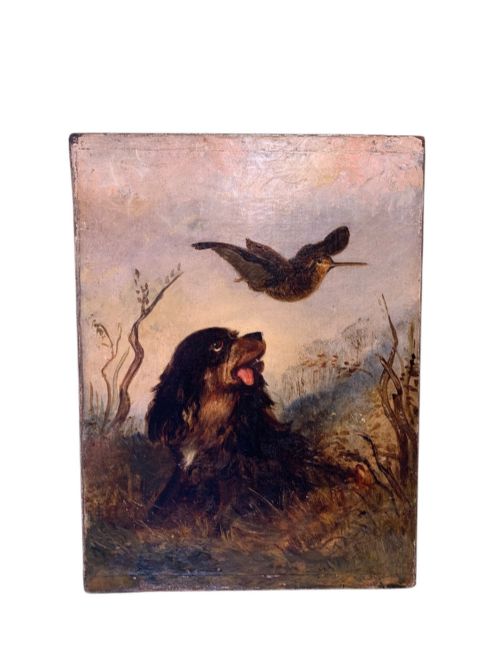
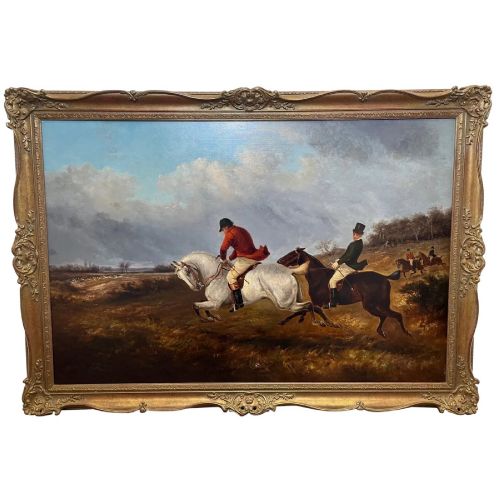
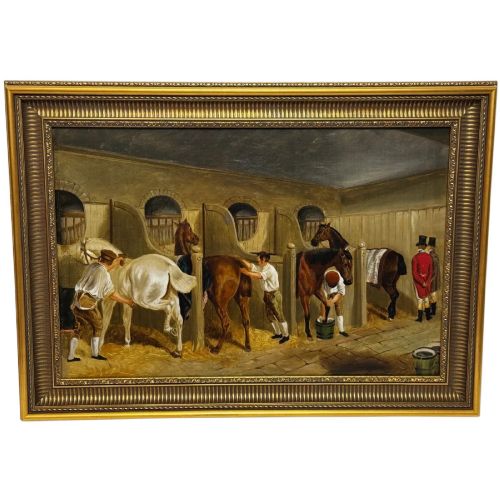
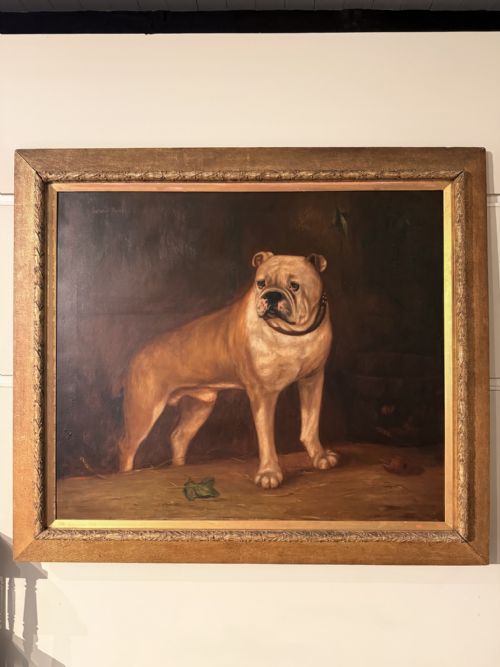
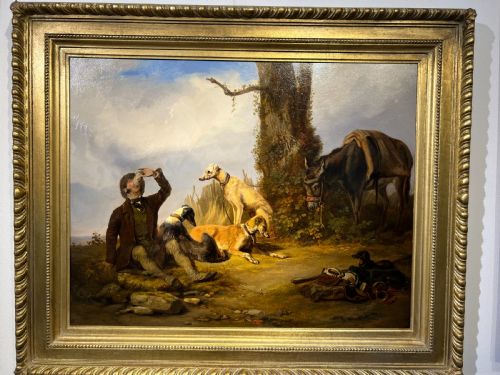
A british sporting art oil painting captures the animals, riders, and rural pursuits central to country life, predominantly originating from the nineteenth and twentieth centuries. These works range from intimate studies of working terriers and spaniels to large-scale depictions of fox hunts, coaching scenes, and individual horse portraits in stable or landscape settings.
The versions most frequently met on this page include Victorian and Edwardian canvases depicting horses, hounds, and rural field sports executed by British painters. Framed paintings span periods from the Georgian era through to mid-twentieth-century scenes, reflecting shifting tastes in country pursuits and animal portraiture.
Materials and Technique
Painters of these works utilised oil paint applied to canvas supported by wooden stretchers, capturing the muscular detail of animals and the varied textures of landscapes. Canvas surfaces received preparatory grounds before brushwork built up layers of pigment to render horses, dogs, and field settings.
Finished works found their presentation within gilded frames constructed from wood and gesso, often embellished with gold leaf. These frames provide structural support and a decorative border that complements the tonal palette of the oil painting within.
Racing pigeons and working terriers share wall space with prized hunters and champion hounds.
Assessing Quality
Quality in these works rests upon the artist's ability to render the correct anatomical proportions and distinct musculature of horses and hounds. Superior paintings demonstrate an accurate understanding of animal movement, posture, and expression rather than relying on generalised forms.
The treatment of the surrounding landscape and atmospheric perspective further separates standard examples from the finest productions. Stronger compositions integrate the subject animal into a convincing rural environment with controlled handling of light and shadow.
Henry Barraud·Philip H Rideout·Edmund Bristow·Edward Armfield·Thomas Smythe·Samuel Rabin·Sir Edwin Henry Landseer·George Wright·William Albert Clarke·Ernest Payne·John Emms·John Ferneley Senior·John Arthur Lomax·Albert Clark·Gertrude Halsband·John Sanderson Wells·William Barraud·Philip Henry Rideout·John Trivett Nettleship·Samuel Spode·Alfred Grenfell Haigh·Abraham Cooper·Michael Lyne
The British Sporting Art Oil Painting Glossary
- Gesso
- A plaster-like mixture applied to wooden frame mouldings to create a smooth surface for gilding. This preparation allows for crisp decorative detailing around the painting.
- Giltwood
- Timber carved and covered with a thin layer of gold leaf or metallic powder. Frames made in this manner enclose many period sporting canvases.
- Canvas
- Woven fabric stretched across a wooden frame to serve as the foundation for oil paintings. It provides a flexible yet durable support for layered pigments.
- Oil Paint
- Pigment mixed with drying oil, commonly linseed, allowing for smooth blending and rich colour depth. This medium enables fine detail in animal fur and landscape textures.
- Equestrian
- Pertaining to horses, horse riding, or the representation of horses in art. Such subjects form a large category within traditional sporting works.
British Sporting Art Oil Painting: Frequently Asked Questions
What subjects appear in these paintings?
These works typically depict horses, hunting dogs, coaching scenes, and rural landscapes associated with traditional country pursuits.
Individual animal portraits and large hunt gatherings dominate the visual record.
Where were these paintings displayed?
Historical sporting works hung primarily in country houses, estate reception rooms, and hunting lodges across Britain.
Owners commissioned them to celebrate prized racehorses, favourite hunting dogs, and successful days in the field.
How do I care for an oil on canvas?
Preservation requires stable room temperatures away from direct sunlight, excessive humidity, and sudden thermal changes.
Dusting should occur gently with a soft, dry brush, avoiding liquid cleaners on the canvas surface.