
19th Century Sporting Oil Painting
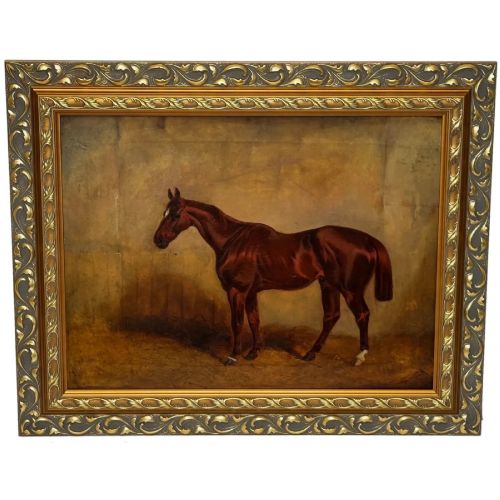
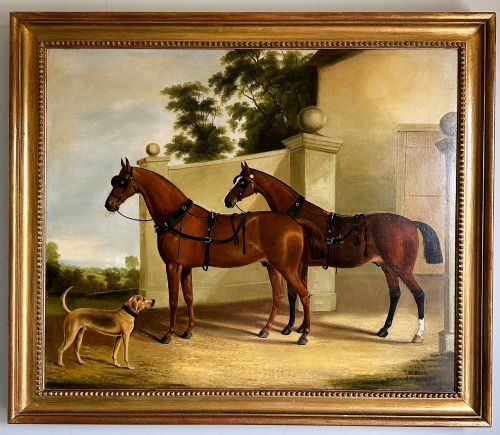
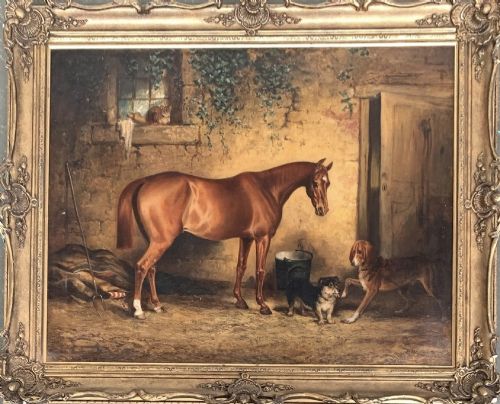
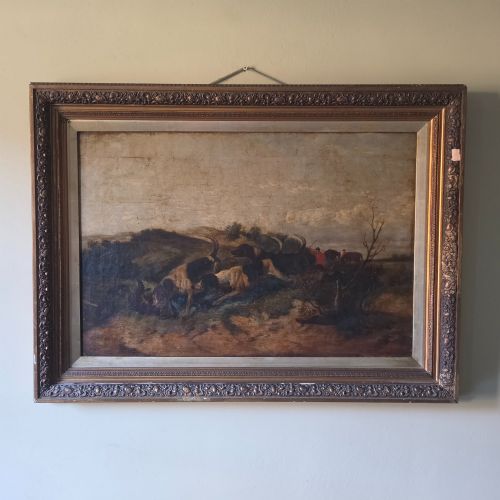
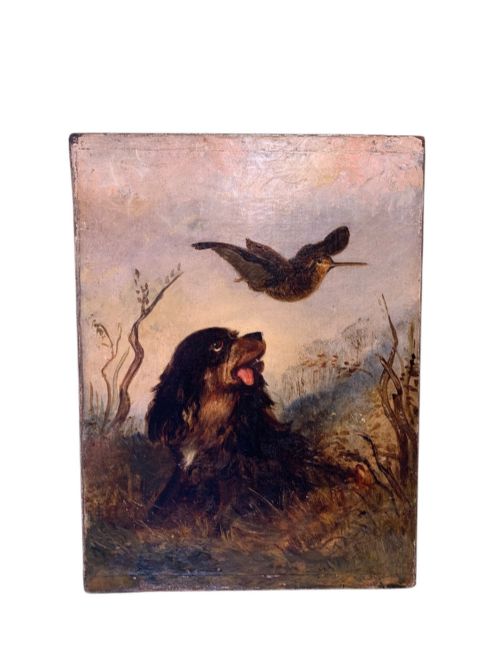
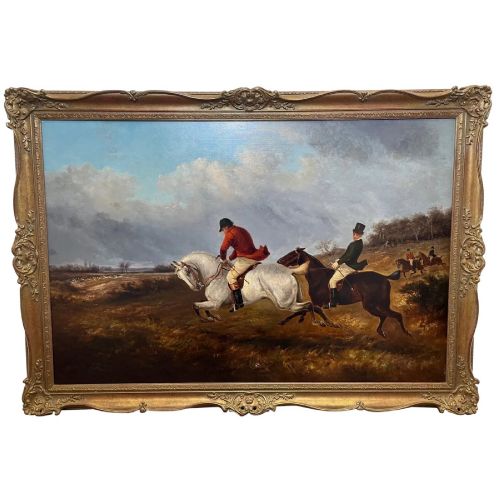
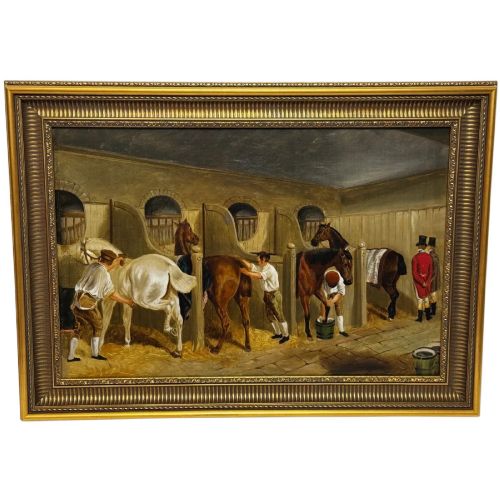
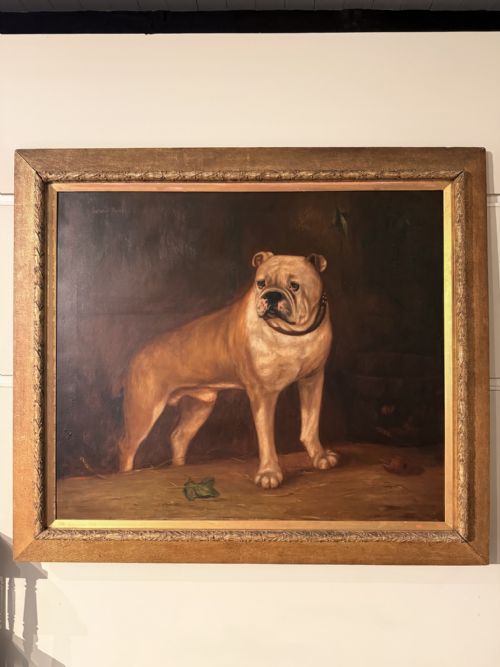
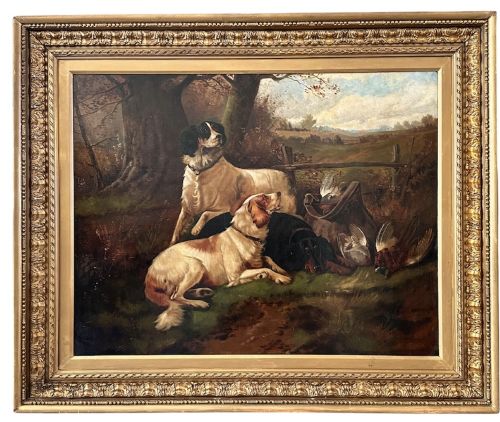
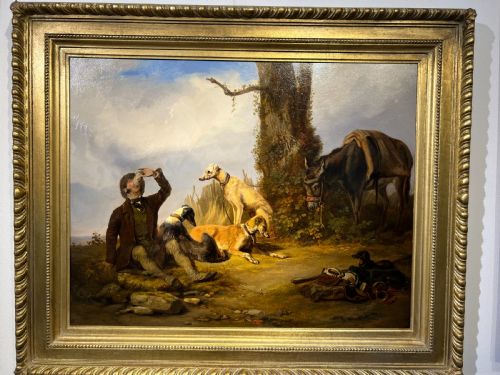
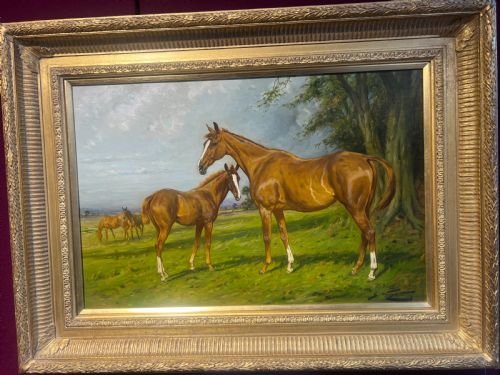
A 19th century sporting oil painting captures the energy of horses, hounds, and countryside pursuits that defined the era's rural life.
19th Century Sporting Oil Painting
A 19th century sporting oil painting typically depicts horses, gun dogs, and fox hunting scenes set across British rural landscapes. These works reflect the deep-rooted equestrian and field sports culture of the Georgian and Victorian periods.
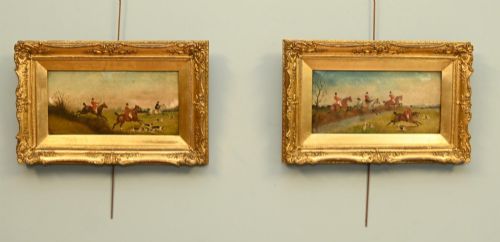
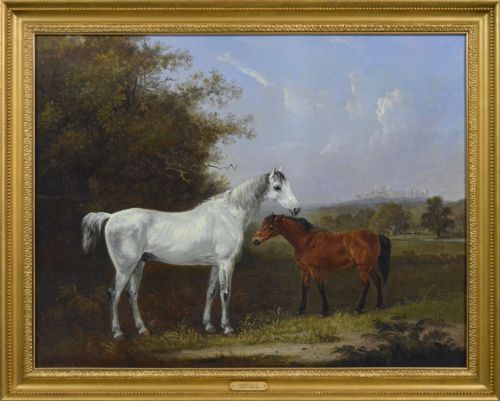
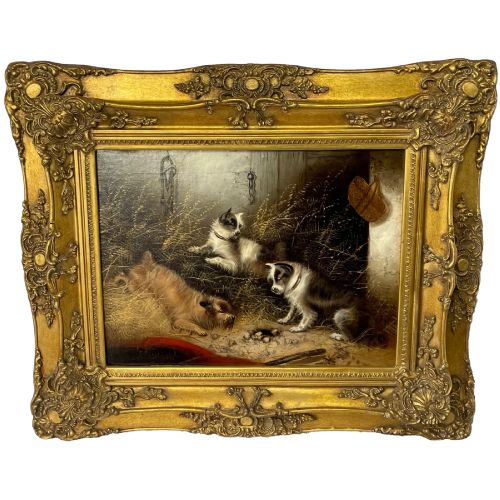
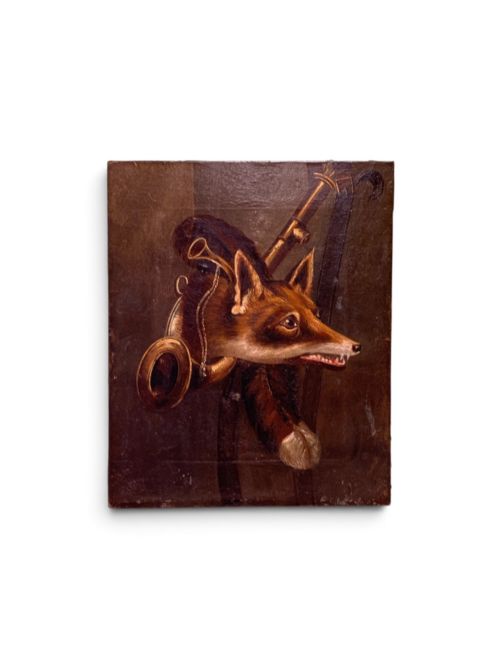
The selection on this page centres heavily on equine portraits, pack hounds, and working terriers executed in oil on canvas. Collectors encounter both named racehorses in detailed landscape settings and sweeping panoramic hunt gatherings.
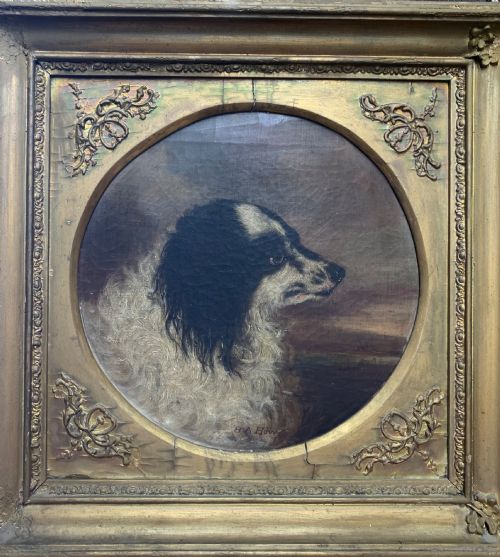
Works range from intimate portrayals of individual spaniels and collies to large-scale canvases recording specific historic hunt meets. The styles encompass both polished academic depictions and direct naive interpretations.
How They Were Made
Artists built these compositions primarily using oil paint applied to stretched canvas or occasionally wooden panels. The pigments were layered to build depth in animal coats, landscape foliage, and atmospheric skies.
Many surviving examples retain their original giltwood and gesso frames, which often incorporate elaborate mouldings finished in gold leaf. These frames were integral to the presentation and protection of the canvas.
Listings feature oil on canvas and wood supports housed within period giltwood frames.
What Varies in Quality
Quality rests significantly on the anatomical precision of the animals and the painter's grasp of movement. Superior hands capture the tension in a galloping horse or the alert posture of a pointer with acute accuracy.
The treatment of the surrounding landscape and light further distinguishes standard studio output from exceptional artistry. Stronger works integrate the animal subject naturally into a coherent, atmospheric countryside rather than placing a rigid figure against a generic backdrop.
Henry Barraud·Edmund Bristow·Edward Armfield·Thomas Smythe·John Sargent Noble·Sir Edwin Henry Landseer·George Wright·Fred Fitzpatrick·Edward Priestley·Thomas Walker Bretland·John Emms·John Ferneley Senior·John Frederick Herring Senior·Benjamin Blake·Albert Clark·William Barraud·Samuel Raven·George Armfield·George E Sharpe·Colin Graeme Roe·John Trivett Nettleship·Samuel Spode
The 19th Century Sporting Oil Painting Glossary
- Canvas
- The woven fabric support, usually linen or cotton, stretched across a wooden frame to receive the oil paint. It forms the primary base for the majority of works in this category.
- Gesso
- A plaster-like mixture applied to wooden frames as a smooth base before gilding with gold leaf. It allows for crisp, ornate decorative moulding.
- Equine portrait
- A painting dedicated specifically to recording the likeness and conformation of a particular horse, often a celebrated hunter or racehorse. These works frequently include the animal's name or pedigree.
- Sporting art
- A genre of painting focused on rural pursuits, including hunting, shooting, fishing, and horse racing. It flourished in Britain throughout the Georgian and Victorian eras.
- Provenance
- The documented history of ownership of a painting, establishing its authenticity and chain of custody. Early labels or gallery marks on the reverse often provide this vital context.
19th Century Sporting Oil Painting: Frequently Asked Questions
How do I identify a Victorian sporting painting?
Look for specific stylistic markers such as detailed depictions of horses, rich autumn palettes in hunting scenes, and traditional canvas supports.
Signatures, dates, and framing styles also help anchor the work firmly within the nineteenth century.
Were these paintings made for specific owners?
Many equine and dog portraits were commissioned directly by owners to record prized animals, successful racehorses, or valued hunting dogs.
Other works were produced for the broader art market, depicting general hunt gatherings and rural landscapes.
How should I care for an oil painting on canvas?
Keep the canvas away from direct sunlight, damp environments, and rapid temperature fluctuations to prevent cracking in the paint layers.
Dust the surface gently with a soft, dry brush and avoid using any liquid cleaners.
What is the significance of the giltwood frame?
Original frames provide historical context and often complement the aesthetic of the period in which the painting was produced.
They help support the structural integrity of the stretched canvas and enhance the overall visual weight of the artwork.