


British Rural Landscape
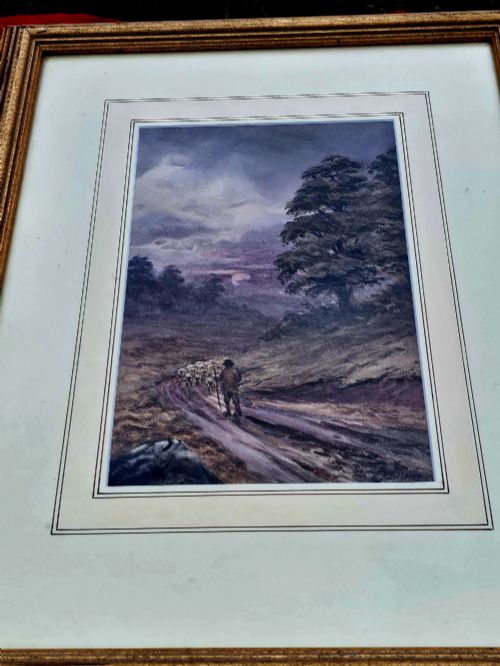
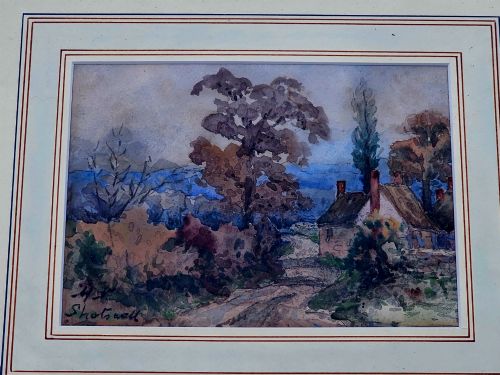
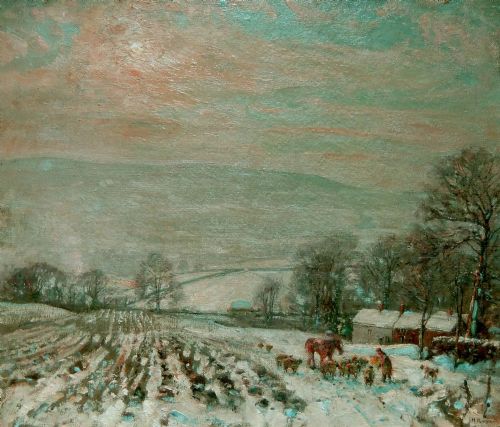
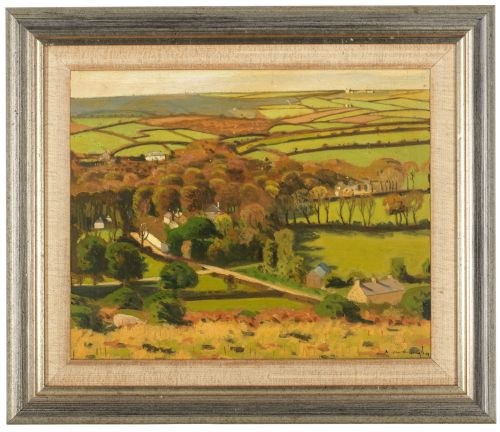
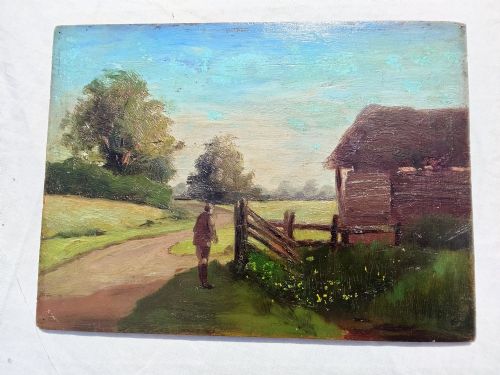
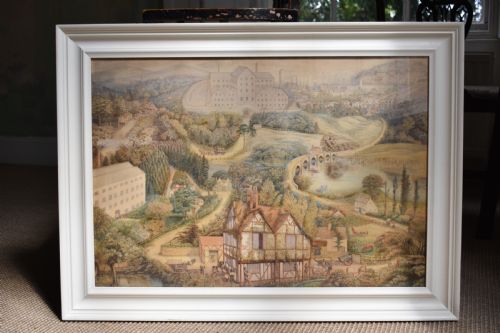
When you search for a british rural landscape, you are looking for framed oil paintings and watercolours capturing fields, rivers, and country life from the nineteenth and twentieth centuries.
British Rural Landscape
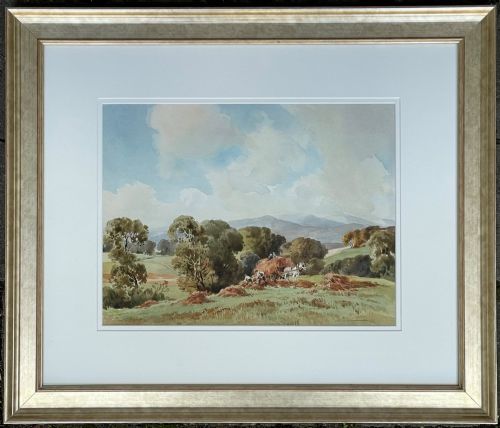
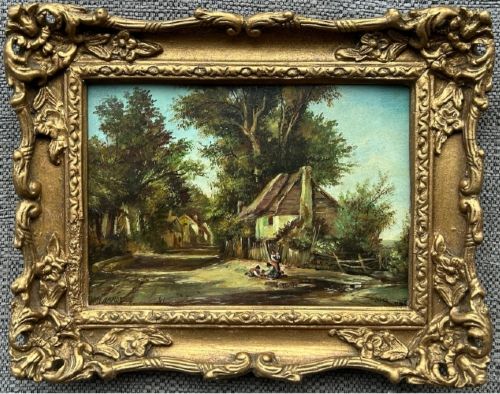
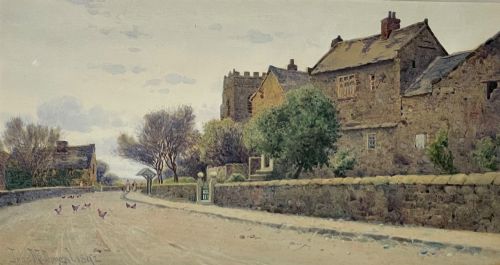
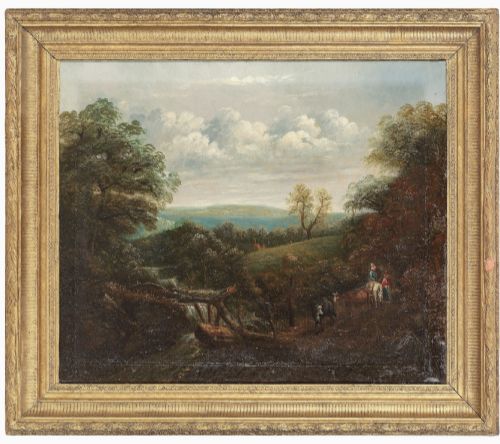
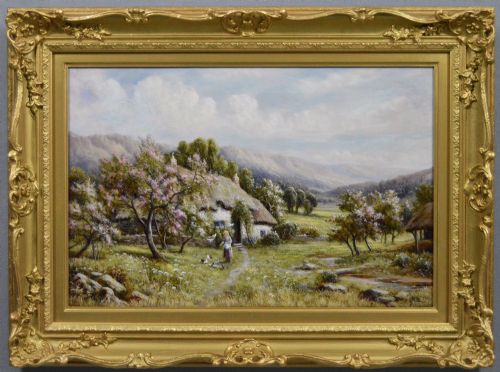
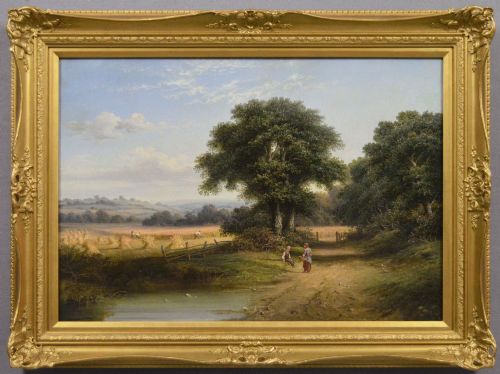
A british rural landscape captures the quiet rhythms of the countryside, depicting harvest fields, country paths, livestock, and small villages through the eyes of artists working across the nineteenth and twentieth centuries.
You will most frequently encounter watercolours and oil paintings on canvas or panel dating from the Victorian and Edwardian eras, often framed and bearing the signature of regional British artists.
These works range from traditional pastoral scenes to pieces influenced by British Impressionism, recording rural life before the heavy reach of modern development.
Materials and methods
Artists painted primarily in oils on stretched canvas, wooden boards, or panels, applying rich pigments that built texture and depth, or worked with watercolours on paper to achieve lighter, luminous atmospheric effects.
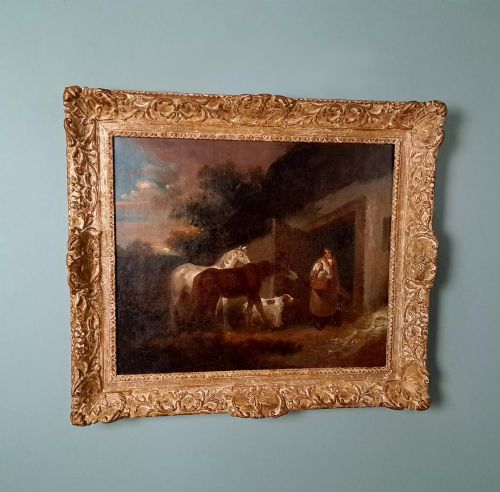
Many of these works are housed in original gilt wood frames that complement the palette of the countryside, preserving the piece much as it appeared when it left the artist's studio.
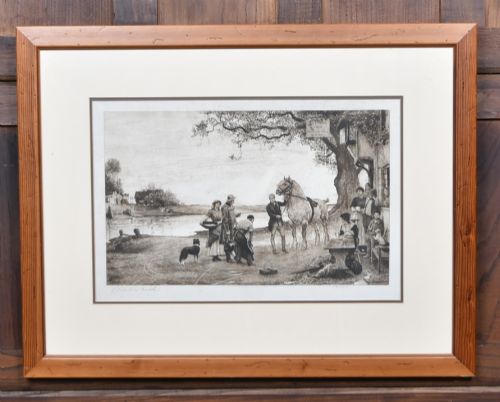
Listings feature works spanning the nineteenth and twentieth centuries, using oil, watercolour, and etching to record traditional British countryside views.
Quality and execution
Quality rests in the confidence of the brushwork and the artist's command of light, shadow, and atmospheric depth, distinguishing a lively, observant composition from a stiff or formulaic country view.
The sensitivity with which figures, animals, and cottages are integrated into the wider terrain determines the artistic success of the piece, alongside the preservation of the original paint surface and framing.
George Graham·Percy Lancaster·William Howard Hardy·William Joseph Shayer Senior·John McDougal·Herbert Royle·Robert Morson Hughes·David Bates·Robert John Hammond·Walter Heath Williams·Robert W Macbeth·John Horace Hooper·Raymond Booth·Eric Brown·Ernest Higgins Rigg·George Oyston·Frederick James Kerr·John Bond·William Greaves·Frederick Hines·Sydney Yates Johnson·Owen Bowen·Herbert Dicksee·Edgar Woollatt·Oswald Garside
The British Rural Landscape Glossary
- Oil on canvas
- Pigments bound in drying oil applied to a woven fabric support stretched across a wooden frame. This method allowed artists to work with thick impasto or thin glazes to capture changing weather over fields.
- Watercolour
- Fine pigment suspended in a water-soluble vehicle, traditionally painted on paper. It creates transparent washes of colour ideal for capturing soft skies and rural waterways.
- Panel painting
- A rigid wooden board or panel used as a painting surface instead of canvas. It provides a stable ground often favoured by nineteenth-century artists working on smaller countryside studies.
- Impressionism
- An art style focused on accurate depiction of light in its changing qualities and ordinary subject matter. In British works, this translates to looser brushstrokes recording open fields and coastal countryside.
- Etching
- A printmaking technique where lines are incised into a metal plate with acid before ink is applied and transferred to paper. This process produced detailed, monochromatic views of rural scenes.
British Rural Landscape: Frequently Asked Questions
How do I date a landscape painting?
Look to the framing, the style of dress on any figures, and any signatures or inscriptions left on the reverse of the canvas or panel. Documentation or exhibition labels can also anchor the work securely in a specific decade.
Changes in artistic movements, from Victorian pastoral realism to early twentieth-century impressionism, provide further clues for narrowing down the period of execution.
Where should I hang a rural landscape?
These works suit dining rooms, studies, or hallways where natural light enhances the subtle tones of oil and watercolour. Avoid placing them in direct sunlight or damp environments to protect the paper, canvas, and pigments.
Pairing a framed countryside view with traditional or transitional interiors allows the warmth of the wood and gilt frame to complement the room.
What is the difference between oil and watercolour?
Oil paintings feature heavier, built-up brushwork on canvas or panel, offering deep colours and a textured surface. Watercolours utilise fluid washes on paper, resulting in lighter, more delicate depictions of light and atmosphere.
Oils are typically framed behind glass only if unvarnished, whereas watercolours require glass protection to prevent moisture and dust from damaging the paper.
Are these works signed by the artists?
Many pieces bear the original artist signature or monogram, often placed neatly in a lower corner. Some works also include period inscriptions on the back naming the specific rural location depicted.
Unsigned pieces from established regional traditions are often attributed to a specific British school based on technique, palette, and subject matter.