


British Royal Art
British royal art encompasses centuries of painted portraits, prints and commemorative objects linked to monarchs and national institutions.
British Royal Art
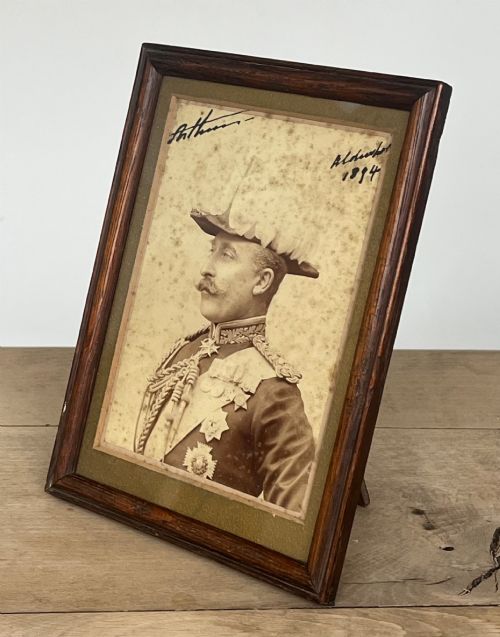
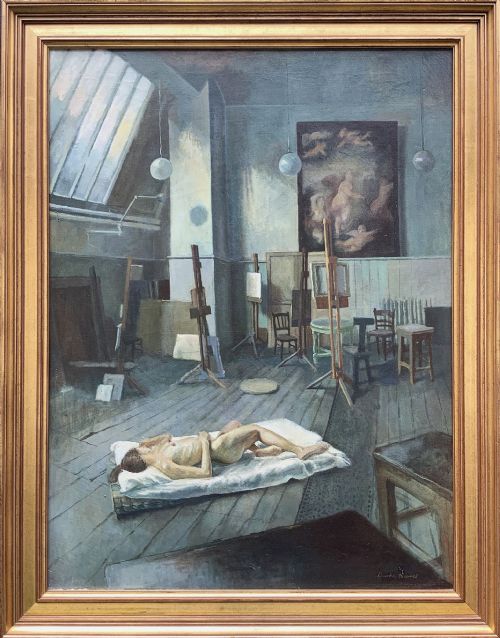
When searching for British royal art, collectors encounter a diverse selection of oil paintings, watercolours, mezzotints, and commemorative ceramics spanning several centuries.
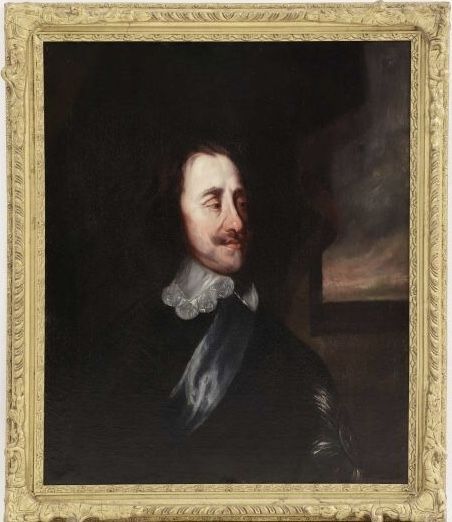
The material on this page ranges from seventeenth-century oil on panel portraits of royalty to twentieth-century commemorative pieces and Royal Academy works.
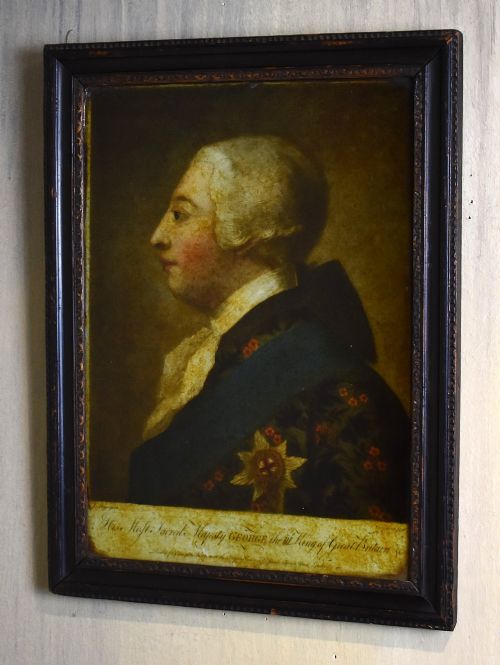
Portraits of monarchs such as King George III, Queen Charlotte, and King Charles II appear frequently alongside historical scenes and military subjects.
Materials and production
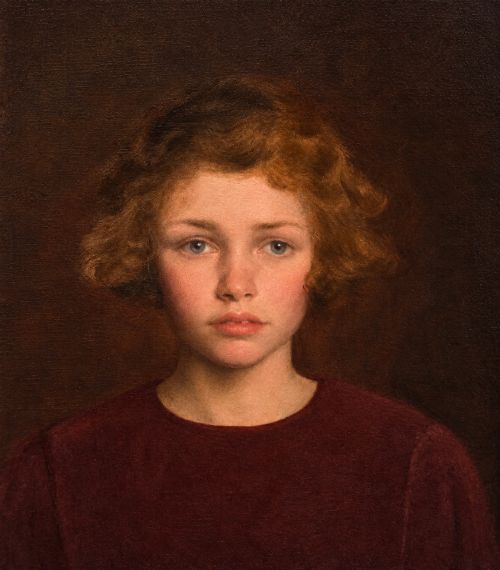
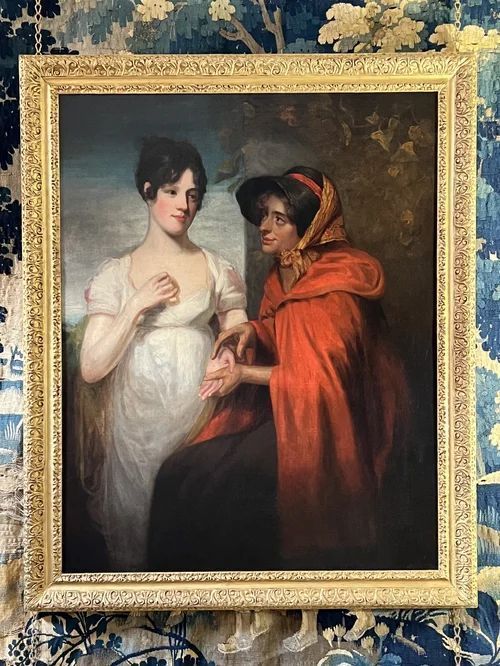
Paintings in this category rely upon traditional oil on canvas or panel, alongside delicate watercolours and pastel sketches on paper.
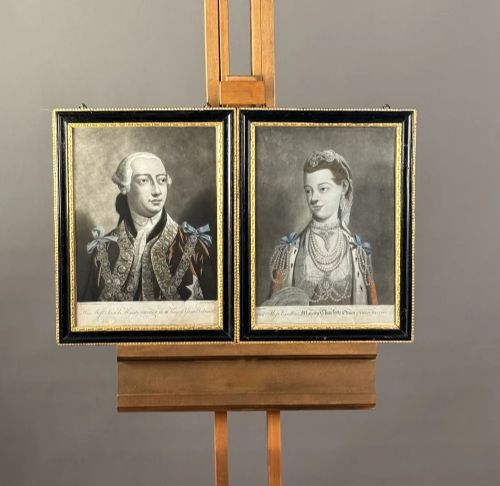
Printmakers utilised mezzotint techniques to distribute formal likenesses of figures like Prince William Henry and Queen Charlotte.
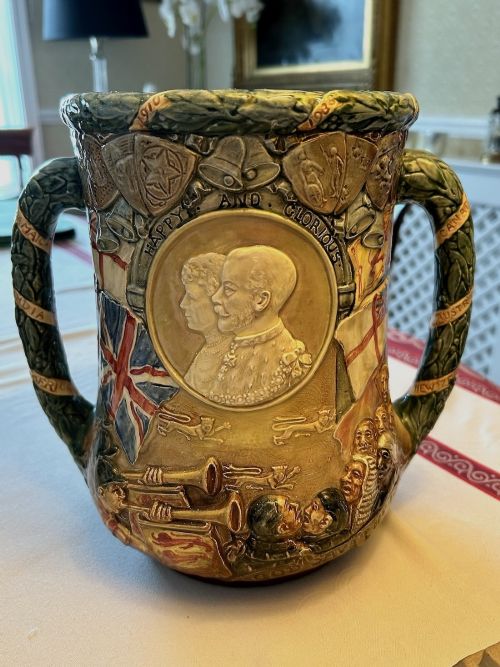
Ceramics and commemorative items involve hand-painted porcelain plaques and earthenware vessels produced by factories such as Royal Doulton.
British Royal Art Retail Price Guide 2026
Typical asking prices for british royal art among the pieces listed under this phrase on Sellingantiques today, from the lower quarter to the upper quarter. They describe what is for sale here now, not the wider market.
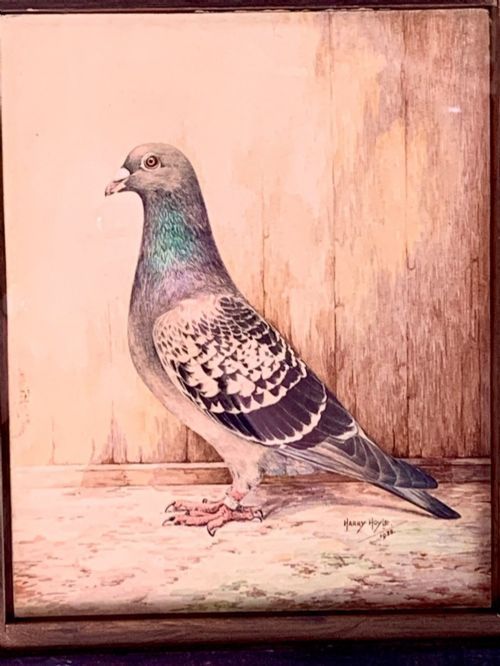
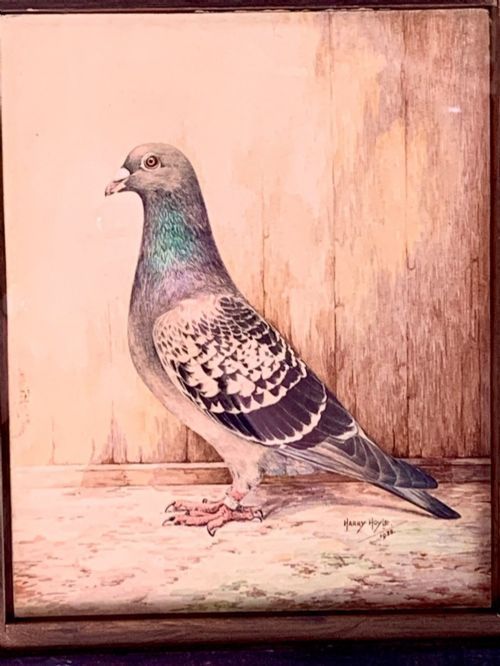
A notable pigeon watercolour records a royal messenger winning the King George V Silver Jubilee in nineteen thirty-five.
Evaluating quality and execution
Quality in these pieces rests upon the draughtsmanship of the artist, the fidelity of the likeness, and the historical significance of the subject.
Mezzotints depend upon the clarity of the impression taken from the plate, whilst painted works show distinction through brushwork control and composition.
Original framed artwork and exhibition pieces demonstrate superior handling of medium compared to standard commemorative souvenirs.
Thomas Frye·John Smith·James McArdell·Royal Doulton·Royal Worcester·Deidre Daines
The British Royal Art Glossary
- Mezzotint
- A printmaking process where the copper plate is roughened to achieve tones and rich dark areas. This technique was frequently used for eighteenth-century royal portraits.
- Oil on panel
- A painting executed on a wooden board rather than stretched canvas. This surface was common in earlier centuries before canvas became dominant.
- Gouache
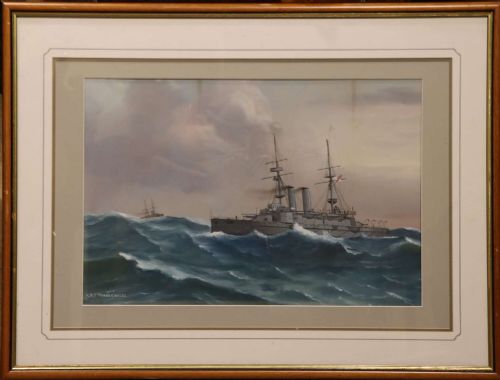
- An opaque water-based paint that provides solid areas of colour. Artists used this alongside watercolours for maritime and portrait sketches.
- Royal Academy
- An institution where established British artists exhibited their work. Pieces linked to this body often carry documented exhibition provenance.
British Royal Art: Frequently Asked Questions
What periods do these pieces cover?
The selections span from the seventeenth century through the Victorian era up to the mid-twentieth century.
Earlier items tend to be oil portraits, while later decades introduce watercolours, pastels, and commemorative ceramics.
How were portrait mezzotints produced?
Printmakers worked copper plates by hand to create tonal gradations before inking and pressing onto paper.
This allowed publishers to distribute multiple copies of royal likenesses created by notable painters.
How should I display framed watercolours?
Works on paper require protection from direct sunlight to prevent fading of watercolours, pastels, and gouache pigments.
Mounting them behind conservation glass helps maintain the stability of the paper over time.
Are commemorative ceramics marked?
Many commemorative pieces feature factory stamps, dates, or handwritten inscriptions detailing the specific jubilee or coronation.
These marks assist in verifying the period of manufacture and the originating pottery.