



British River Watercolour Artwork
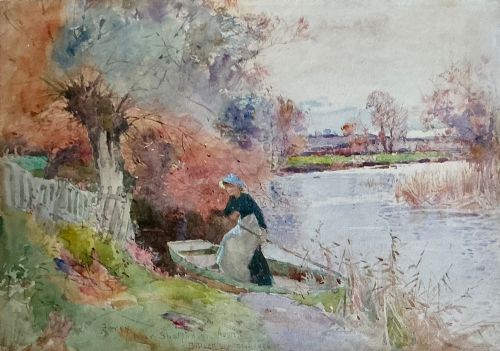
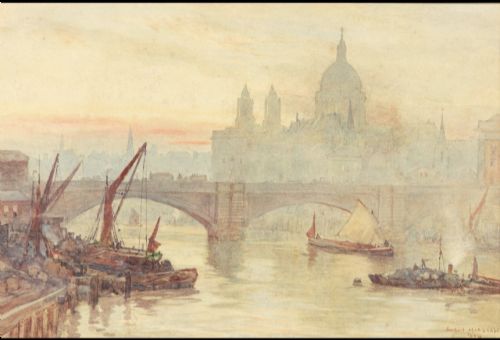
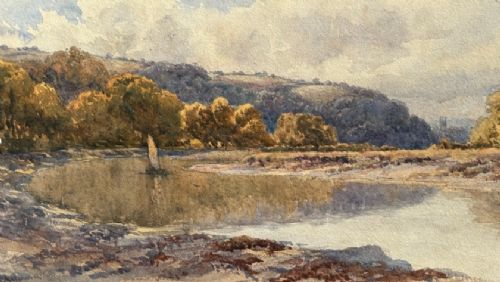
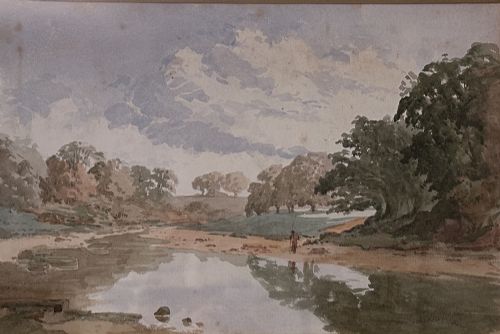
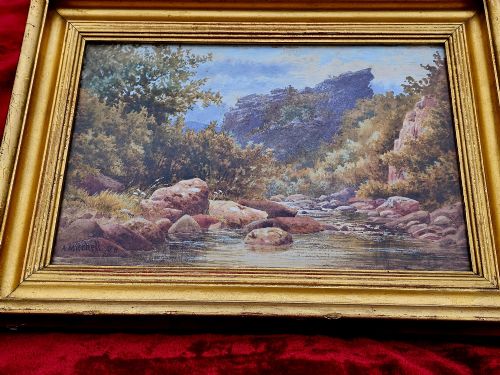
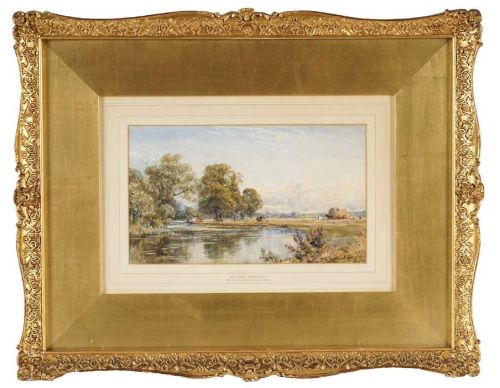
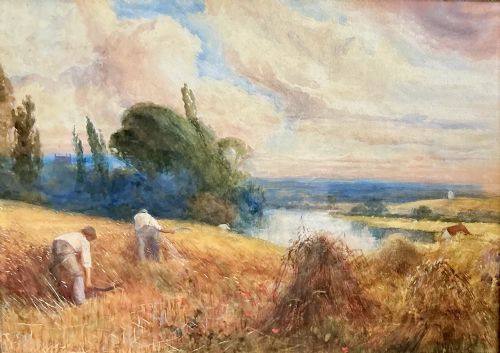
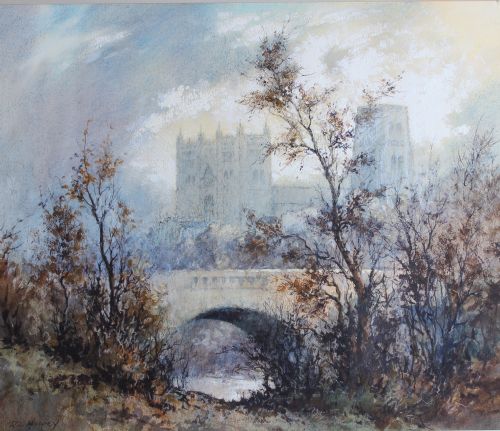
British river watercolour artwork captures the winding banks and tidal estuaries of the countryside and ports through delicate washes on paper.
British River Watercolour Artwork
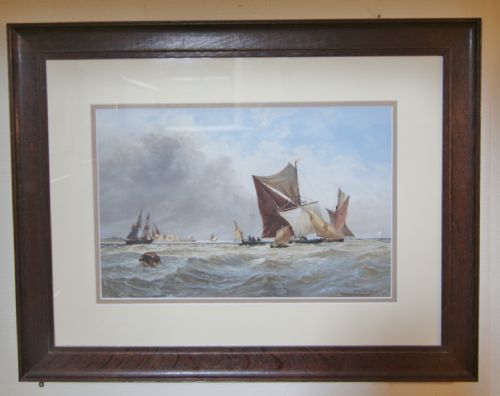
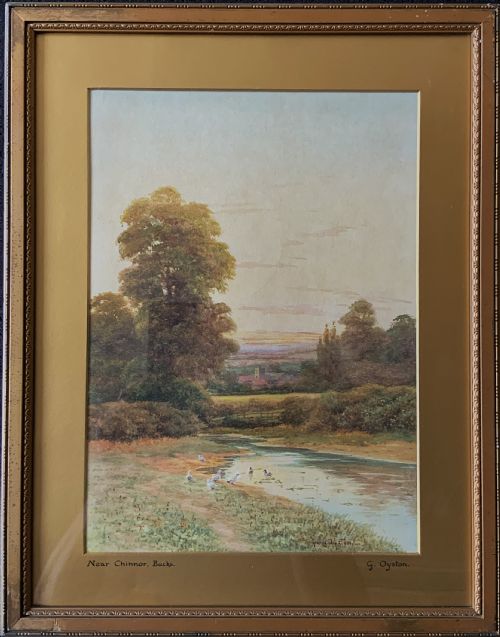
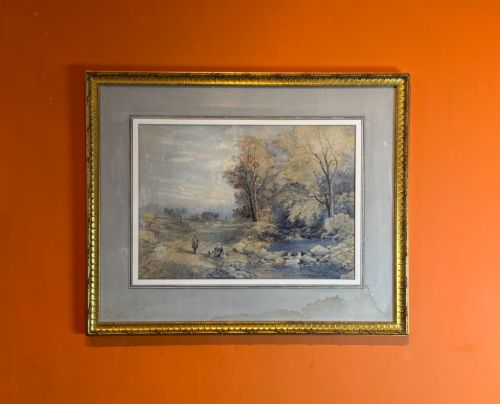
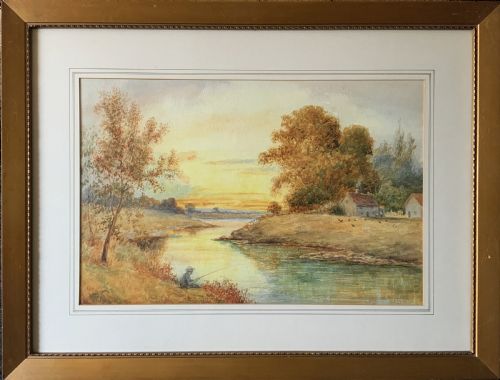
British river watercolour artwork encompasses traditional paintings depicting scenes along waterways, estuaries, and coastal ports. When exploring British river watercolour artwork, collectors encounter Victorian and Edwardian landscapes alongside early twentieth-century views.
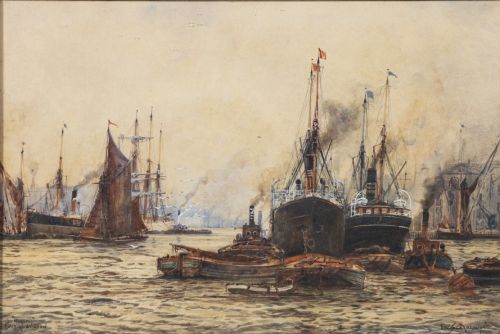
The selections feature rural riverbanks, busy harbours, and pastoral settings executed by named artists and regional schools. Most examples date from the nineteenth and early twentieth centuries, framed with glass and wood.
Makers and painters recorded in the works range from Royal Academy exhibitors to regional watercolourists documenting specific British waterways. These fine art paintings serve as historic visual records of rural and maritime life.
How they were made
These paintings rely upon watercolour pigment applied directly to paper sheets, utilising the white of the unpainted paper to create luminosity. Artists built up transparent washes to define river currents, skies, and foliage.
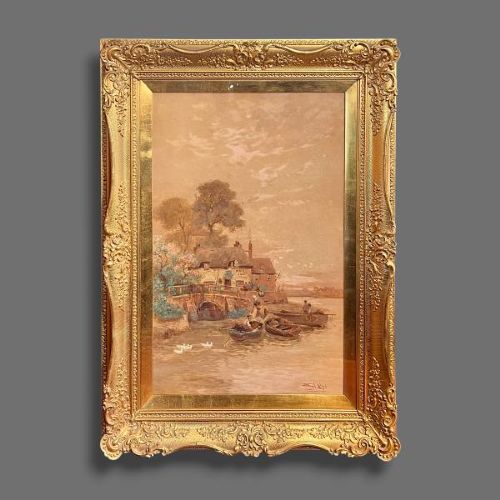
Many works incorporate fine pen or pencil underdrawing to structure bridges, buildings, and figures before colour is applied. Finished paintings are typically housed behind glass within gilt wood or timber frames.
British River Watercolour Artwork Retail Price Guide 2026
Typical asking prices for british river watercolour artwork among the pieces listed under this phrase on Sellingantiques today, from the lower quarter to the upper quarter. They describe what is for sale here now, not the wider market.
Listings span periods from the nineteenth century through the mid twentieth century, utilising paper, watercolour pigment, glass, and wood.
What varies in quality
Quality rests upon the artist's handling of light, atmospheric depth, and water transparency rather than the physical size of the paper. Superior compositions demonstrate confident brushwork and precise topographical detail that ground the scene.
The sophistication of the palette and the preservation of the pigment against fading dictate the standing of an individual piece. Stronger examples originate from established Royal Academy exhibitors or recognised regional specialists.
Alfred Young Nutt·A. Mitchell·William Joseph Boyes·Frank William Scarbrough·Robert Thorne Waite·George Oyston·Robert Leslie Howey·Frederick Hines·William Frederick Settle·Alfred George Morgan·Cornelius Pearson·Arthur Reginald Smith·Henry John Kinnaird·Stuart Lloyd·Thomas Hunn·Colin H. Greenwood·Robert Winchester Fraser·George Arthur Fripp·Walter Follen Bishop·A. G. Hayward·Leslie Rackham·Charles Harmony Harrison·William Wyld·John Hobson Nicholson·Percy Lancaster
The British River Watercolour Artwork Glossary
- Watercolour pigment
- Finely ground colour mixed with a water-soluble binder, applied in translucent washes to paper. This medium allows artists to achieve luminous effects and delicate atmospheric transitions.
- Gilt wood
- Timber framing finished with a thin layer of gold leaf or metallic gilt paint. Such frames frequently accompany nineteenth-century fine art pieces.
- Victorian Fine Art
- Creative works produced during the reign of Queen Victoria, characterised by academic skill and narrative depth. This category includes detailed topographical watercolours.
- British Impressionism
- A late nineteenth and early twentieth century painting movement focusing on light, brushwork, and everyday subjects. Practitioners captured outdoor river scenes with looser, more vibrant strokes.
- Provenance
- The documented history and ownership lineage of an artwork. Clear attribution to a known artist enhances the historical context of a painting.
British River Watercolour Artwork: Frequently Asked Questions
What subjects appear in these watercolours?
The compositions predominantly feature rivers, estuaries, bridges, and coastal ports across British landscapes. Scenes range from rural Welsh riverbanks to busy London stretches of the Thames.
Artists frequently included figures, livestock, or sailing vessels to animate the topography and establish a sense of local daily life.
How should I frame and display them?
Watercolours require protection behind glass and conservation mounting to prevent airborne pollutants and humidity from degrading the paper. Direct sunlight must be avoided to stop the pigments from fading.
Displaying pieces in stable indoor environments preserves both the paper support and the original wood or gilt frames.
How do I identify the period of a painting?
Stylistic clues, artist signatures, and framing materials often point toward a specific nineteenth or early twentieth-century decade. Subject matter such as Victorian shipping vessels or Edwardian architecture also assists with dating.
Many works include artist biographies, gallery labels, or inscriptions on the reverse that record specific dates and locations.