


British River Landscape Artwork
British river landscape artwork captures the watercourses and valleys of the nation through paintings and works on paper.
British River Landscape Artwork
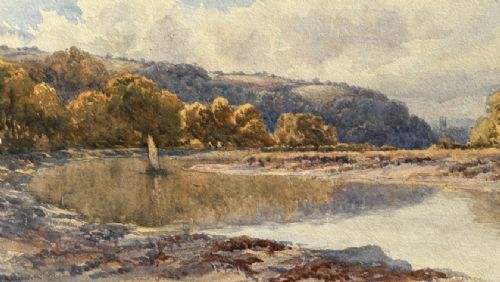
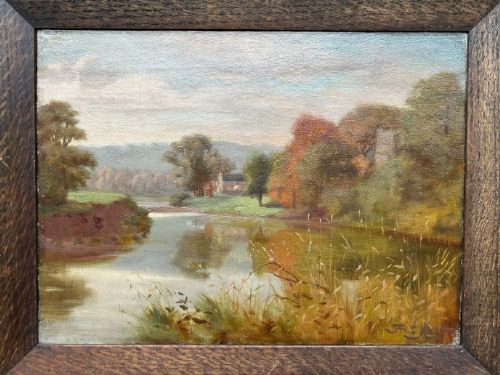
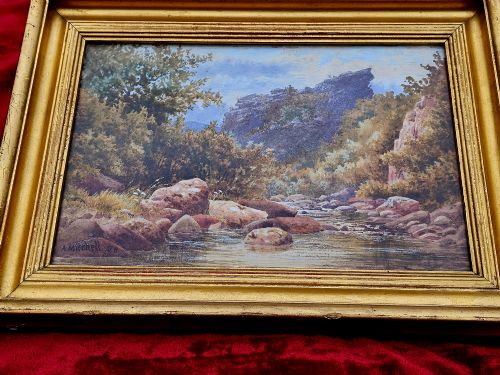
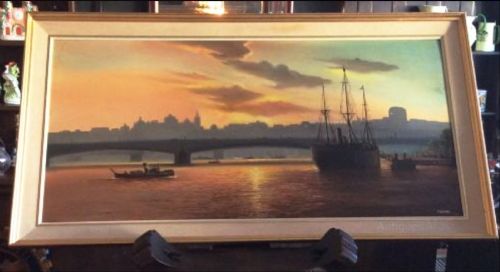
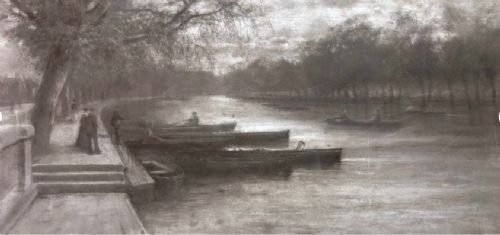
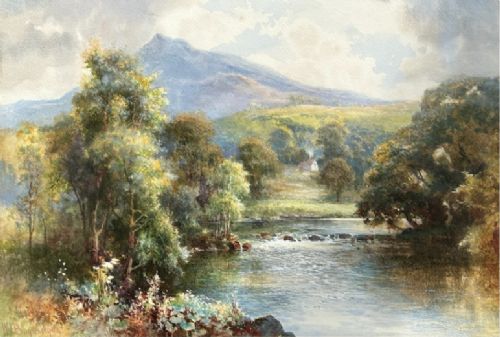
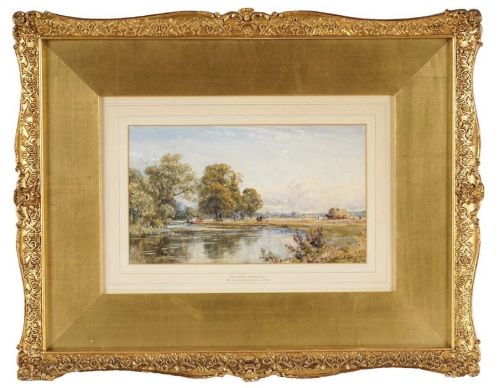
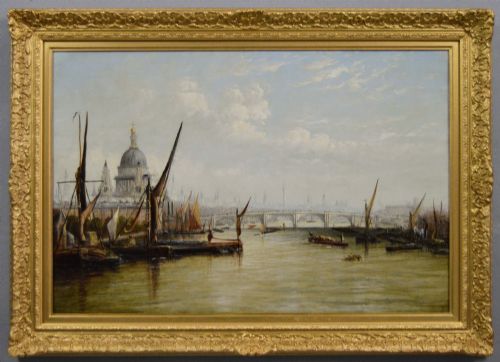
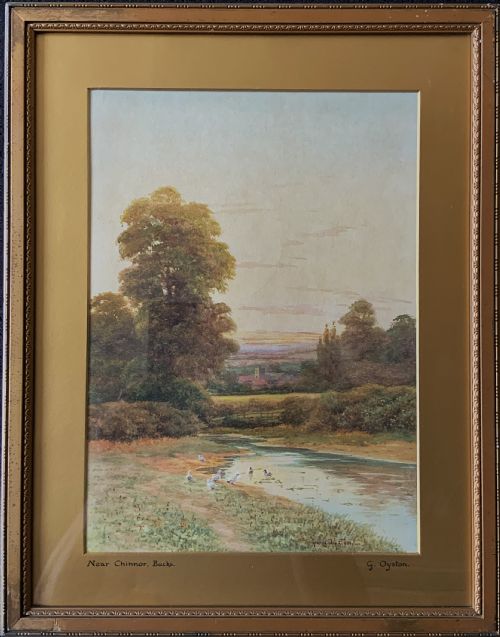
British river landscape artwork encompasses paintings, watercolours, and drawings depicting waterways from the nineteenth and twentieth centuries. These pieces record rural scenes, urban Thames views, and coastal estuaries rendered by named artists and regional schools.
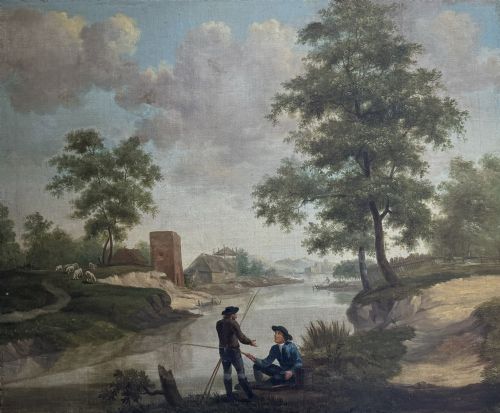
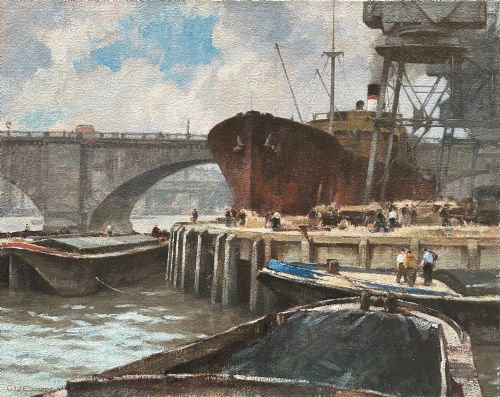
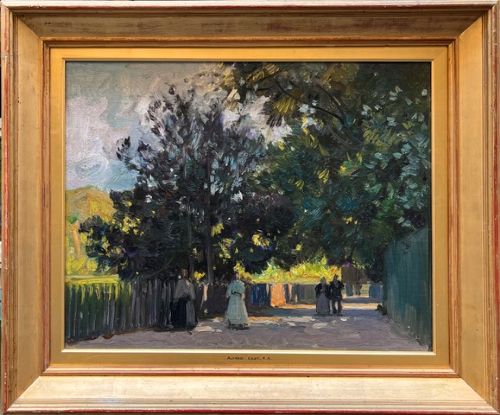
The selections available lean heavily toward Victorian and Edwardian watercolours alongside oil paintings on canvas, board, and panel. Common subjects include working barges, pastoral riverbanks, and historic bridges across England and Wales.
How they were made
Makers applied oil paint to stretched canvas, wood panel, or board, building up textures with brushwork. Watercolours were painted on paper, often utilising pencil or charcoal underdrawing to establish the composition of the riverbank.
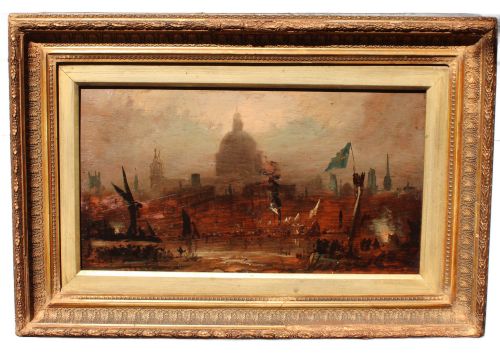
Framing frequently involved traditional giltwood or gesso frames that complemented the period of the artwork.
Regional views include the River Thames, River Tees, River Llugwy, and River Tyne, alongside scenes from Wales and Yorkshire.
What varies in quality
Quality rests in the handling of light, atmosphere, and the specific rendering of water and reflections. Stronger works demonstrate confident brushwork and a clear sense of place rather than generic composition.
Condition of the support and paper also dictates value, with well-preserved watercolours retaining their original pigment strength without excessive fading.
Kenneth Cozens·Alfred Young Nutt·Frederick Marriott·Robert W. Macbeth·Robert Thorne Waite·Francis Moltino·George Oyston·Herbert Royle·Florence Adelina Hess·Henry H Parker·John Horace Hooper·John Ferneley Senior·Hubert Wellington·William Frederick Settle·Alfred George Morgan·Charles William Wyllie·Cornelius Pearson·Sir David Murray·Thomas Baker of Leamington·Arthur Reginald Smith
The British River Landscape Artwork Glossary
- Oil on Canvas
- Pigment mixed with drying oil applied to a woven fabric support stretched over a wooden frame. This method allows for rich texture and deep colour layering.
- Watercolour
- Paint consisting of water-soluble pigments dissolved in gum arabic, applied typically to paper. It permits translucent washes that capture shifting light on water.
- Etching
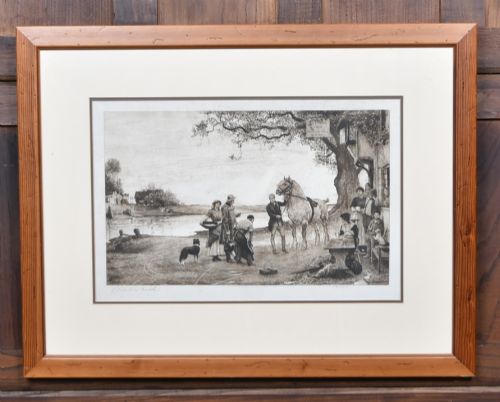
- A printmaking technique where acid cuts into unprotected parts of a metal plate to hold ink. It produces fine linear detail in landscape depictions.
- Gesso
- A plaster-like mixture applied to wood panels or frames as a base for paint or gilding. It provides a smooth, sealed surface for the finished work.
British River Landscape Artwork: Frequently Asked Questions
How do I date a river landscape painting?
Dating relies on stylistic clues, artist signatures, and framing materials. Victorian works often show romantic or naturalistic details, while Edwardian pieces lean toward softer tonalism.
Support materials also shift over time, moving from early nineteenth-century panels to later canvas and prepared boards.
What subjects appear most often?
The River Thames in London is a frequent subject, alongside rural streams in Wales and Yorkshire. Bridges, locks, and working boats frequently anchor the composition.
Artists also recorded industrial waterways and quiet pastoral backwaters with figures fishing or harvesting.
How should I hang watercolours?
Watercolours require protection from direct sunlight to prevent the pigments from fading over time. Museum glass and acid-free framing materials help preserve the paper.
Keep them away from damp walls and direct heat sources to maintain the integrity of the paper support.
What is the difference between oil and watercolour?
Oils use pigment suspended in oil on canvas or board, offering heavier texture and deeper colour saturation. Watercolours use water-soluble pigment on paper, prized for luminosity.
Both mediums captured the changing British weather and light along riverbanks during the nineteenth and twentieth centuries.