


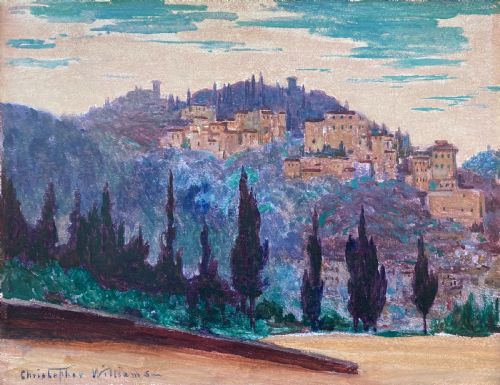


British Modernist Oil Painting
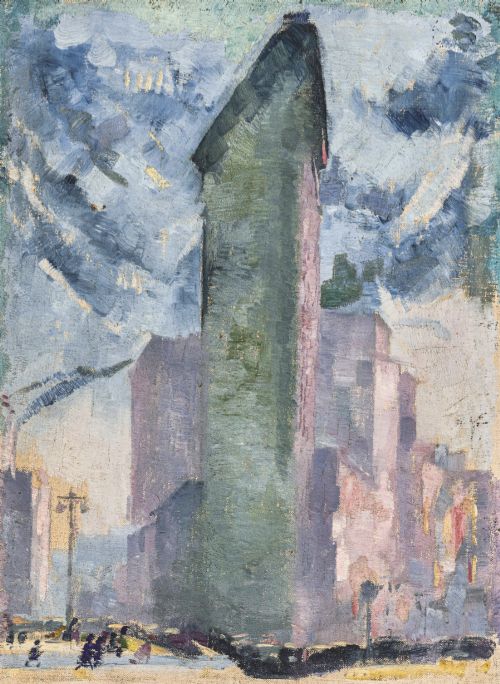
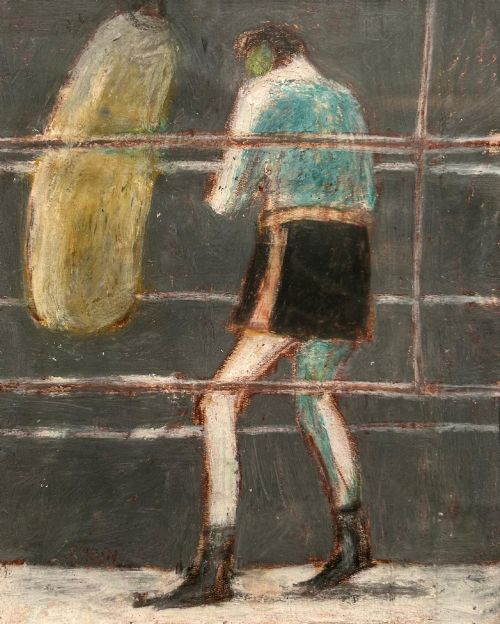
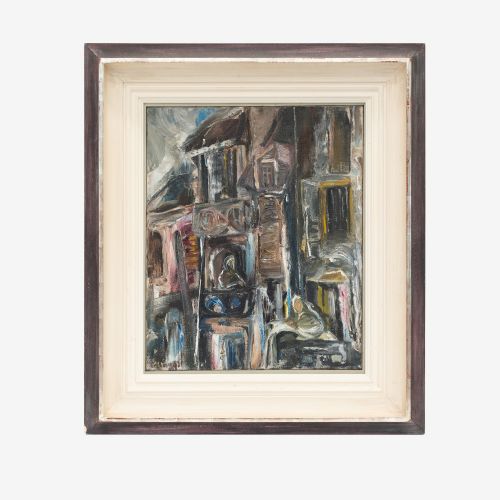
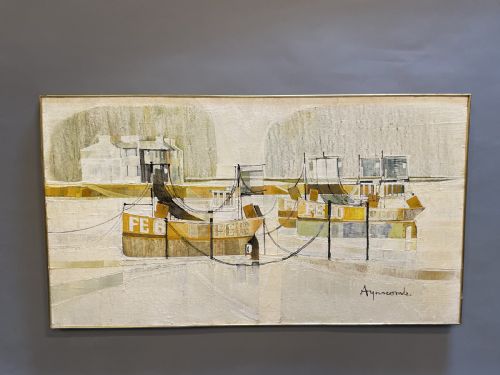
A british modernist oil painting brings a striking visual energy into a room, capturing mid-century observation with bold brushwork.
British Modernist Oil Painting
A british modernist oil painting captures the evolving artistic spirit of the twentieth century, moving through Edwardian beginnings towards mid-century abstraction and expressionism. These works encompass portraits, still lifes, and coastal or urban views created across several decades.
Most examples found here date from the nineteen-thirties through to the nineteen-sixties, reflecting the distinctive output of the St Ives school, the Bloomsbury group, and various independent British painters. The selection ranges from intimate board sketches to large canvas compositions.
Subjects span from Parisian streetscapes and Welsh hills to harbour scenes and figurative studies. Each piece demonstrates how British artists engaged with continental modernist movements while retaining a distinct domestic idiom.
How they were made
These works rely primarily on oil paint applied to either stretched canvas or prepared wooden board. Artists frequently utilised metal framing or original wooden surrounds to complement the composition.
The technique balances expressive, visible brushwork with considered colour palettes, whether depicting rural landscapes or abstract forms. Material choices reflect the working methods of British studios from the Edwardian era to the mid-century period.
Look closely for stray brush bristles embedded in the oil paint, left behind by artists working in haste.
What varies in quality
The strength of a composition rests on the surety of the brushwork and the clarity of the artist's vision, distinguishing routine studio exercises from significant paintings. Works associated with notable regional groups or documented makers often display a higher degree of compositional confidence.
Condition and originality also shape the standing of a piece, particularly the preservation of the paint surface and the presence of period framing. Contextual ties to recognised artistic circles enhance the historical interest of the work.
Alfred Wolmark·Samuel Rabin·Lilian Colbourn·Denis Mitchell·Barbara Hepworth·William McCance·Bernard Meninsky
The British Modernist Oil Painting Glossary
- St Ives School
- A group of artists based in Cornwall who developed significant abstract and modernist painting traditions from the nineteen-forties onwards. Their work often responds directly to the coastal landscape.
- Bloomsbury Group
- An influential association of English writers, intellectuals, and painters associated with domestic portraiture and decorative art styles. Their approach prioritises expressive colour and relaxed form.
- Oil on Board
- A traditional painting support where pigment is applied to a rigid wooden panel rather than woven canvas. This medium offers a firm surface favoured for plein air and smaller studio works.
- Post-Impressionism
- An art movement extending beyond impressionist techniques to emphasise geometric forms and expressive use of paint. It forms a direct foundation for later British modernist painting.
British Modernist Oil Painting: Frequently Asked Questions
How do I date a british modernist oil painting?
Dating relies on stylistic markers, artist signatures, and any recorded exhibition history associated with the canvas or board. Twentieth-century framing and materials also offer reliable clues to the decade of creation.
Mid-century works often embrace abstraction and textured application, whereas Edwardian and early pieces tend towards more traditional post-impressionist handling.
Where should I hang these paintings?
These works suit spaces with good natural light that complements the tone of the oil pigments and the texture of the canvas or board. Avoid direct sunlight to protect the surface over time.
Pairing them with simple interiors allows the bold palettes of mid-century expressionism and abstract compositions to stand out effectively.
What is the difference between canvas and board works?
Canvas supports allow for larger scale compositions with traditional stretching, whereas board provides a rigid surface often utilised for spontaneous plein air studies. Both media carry oil paint successfully but age with distinct characteristics.
Board works frequently date from periods of material rationing or quick sketching trips by coastal artists.
Are these paintings signed by the artists?
Many examples feature artist signatures, initials, or contemporary gallery labels on the front or reverse of the support. Unsigned works are attributed based on stylistic comparison, provenance, and technique.
Documentation from retailers or previous exhibitions often assists in confirming the hand behind the brushwork.