



Vintage Classical Nude Artwork
Vintage classical nude artwork brings traditional figurative studies into your rooms, offering centuries of academic draughtsmanship and mythic subjects.
Vintage Classical Nude Artwork
Vintage classical nude artwork comprises academic life studies, mythological oils, and traditional drawings produced across the nineteenth and twentieth centuries. These pieces record the human form through rigorous training methods derived from classical ideals and European academies.
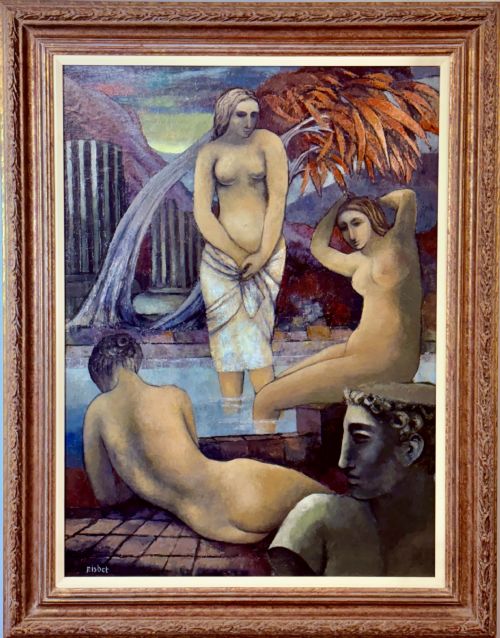
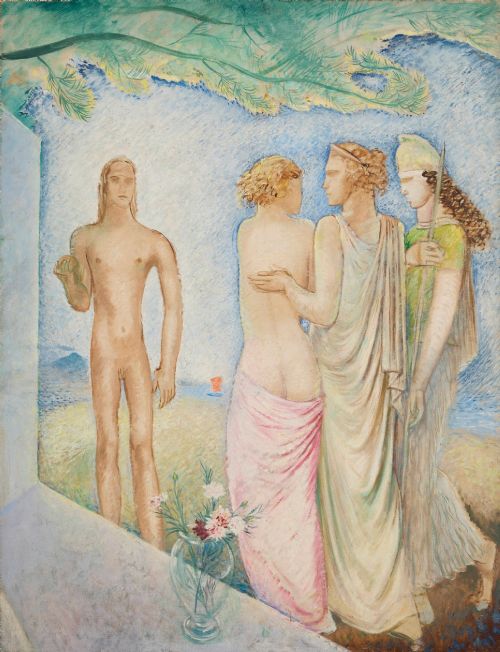
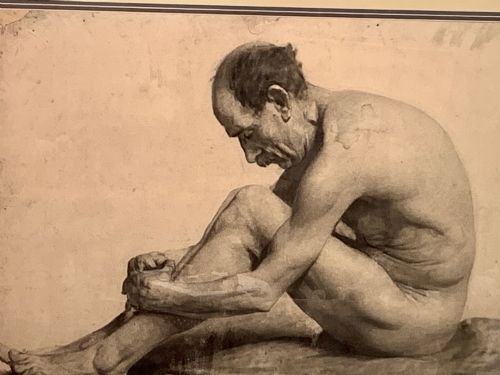
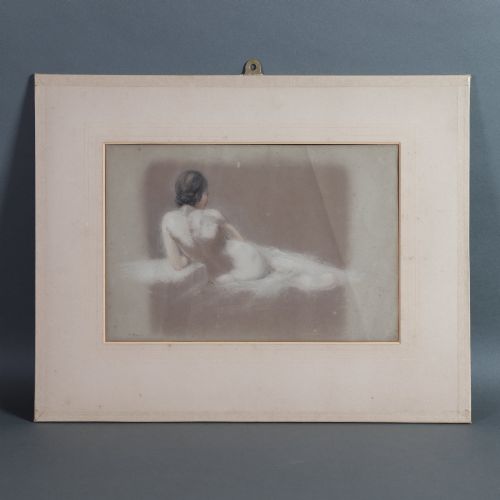
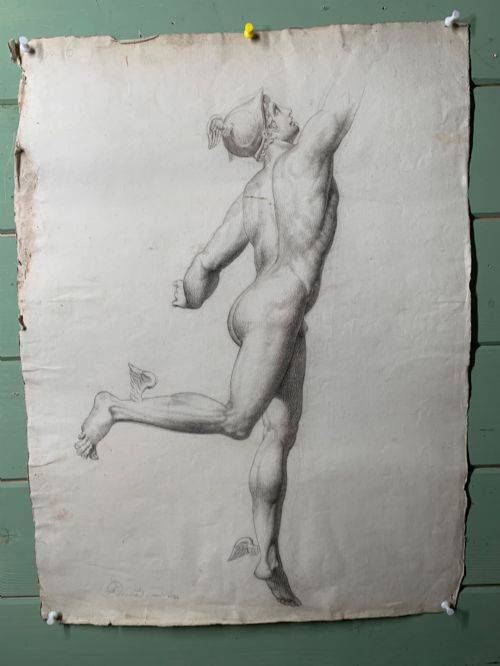
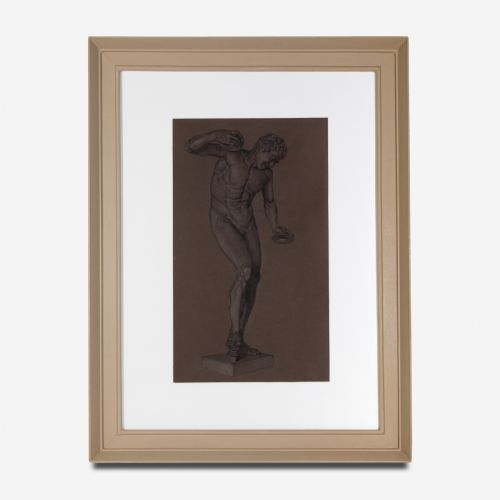
You will encounter academic male and female life studies alongside mythological scenes featuring figures like Hermes, Pan, and fauns. Media range from pencil drawings and chalk studies to oil paintings on canvas and wood, plus period prints.
Works originate from various British, French, and Italian hands, spanning Georgian origins through to 1930s British realism and Art Deco aesthetics. The selection bridges formal academic instruction and modernist interpretations.
Materials and techniques
Artists executed these drawings and paintings using traditional substrates such as prepared canvas, wood panels, and heavy paper. They applied mediums including oil paint, charcoal, chalk, pencil, and wash to build tone and volume.
Many academic pieces rely on precise tonal layering to render musculature and light, following the academic realism tradition. Print techniques such as collotype and lithography also appear among the records, reproducing original compositions with fine detail.
Vintage Classical Nude Artwork Retail Price Guide 2026
Typical asking prices for vintage classical nude artwork among the pieces listed under this phrase on Sellingantiques today, from the lower quarter to the upper quarter. They describe what is for sale here now, not the wider market.
Listings feature works spanning the 1800s, Georgian period, 1900, 1910, 1920, 1930, and 1960.
What separates the fine from the standard
Quality rests upon the draughtsmanship and anatomical precision evident in the rendering of the figure. Masterful handling of light and shadow distinguishes accomplished life studies from simpler instructional exercises.
The sophistication of the medium and the preservation of the paper, canvas, or print surface dictate the visual impact of the piece. Attribution to a named artist or a documented academy submission adds historical weight to the work.
Glyn Warren Philpot·William Etty·Margaret Maitland Howard·Henry Arthur Roberts·James Clark·Pablo Picasso
The Vintage Classical Nude Artwork Glossary
- Academic Realism
- A style of painting and drawing produced under the influence of European academies of art. It prioritises precise anatomical accuracy and classical subject matter.
- Collotype
- A photomechanical printing process that uses hardened gelatin to produce continuous tone reproductions. It yields rich monochromatic or sepia images closely resembling original photographs.
- Lithography
- A planographic printing method based on the repulsion of oil and water on a limestone or metal plate. Artists use it to draw direct, painterly multiple editions.
- Mythological
- Depicting stories, figures, or deities from classical Greek and Roman antiquity. These subjects provide a traditional framework for displaying the nude form.
- Recumbent
- Reclining or lying down in a horizontal position. This posture appears frequently in studies of figures at rest.
Vintage Classical Nude Artwork: Frequently Asked Questions
How do I date a classical nude drawing?
Dating relies on the paper quality, framing, and stylistic markers of the period alongside any visible signatures or inscriptions. Academic costume and drawing techniques often point to specific decades in the nineteenth or twentieth century.
Examining the reverse of the work can reveal gallery labels, stamps, or handwritten notes that confirm the era of creation.
What is the difference between an academic study and a finished oil painting?
Academic studies generally focus on capturing the proportions, musculature, and lighting of a live model within a training environment. They serve as preparatory exercises rather than final exhibited pieces.
Finished oil paintings incorporate narrative elements, complex backgrounds, and polished compositional finishes intended for public display.
How should I frame and display works on paper?
Works on paper require archival mounting and conservation framing to prevent direct contact with the glass. This protects the charcoal, chalk, or pencil medium from humidity and degradation.
Hang these pieces away from direct sunlight to preserve the integrity of the paper and the pigments over time.
Are mythological scenes common in these artworks?
Mythological subjects appear frequently because academies used classical narratives to justify the study of the nude form. Figures like Pan, Hermes, and classical fauns provide a literary context for anatomical drawing.
These works combine traditional storytelling with the rigorous draughtsmanship valued by European art schools.