


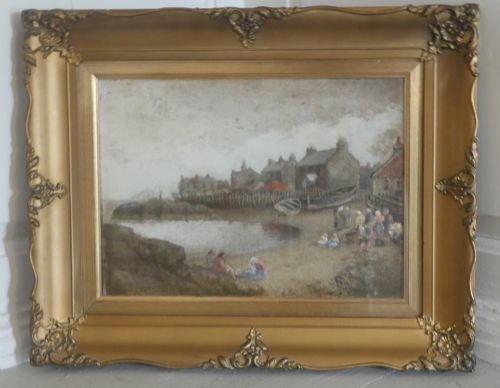

British Landscape Oil Picture
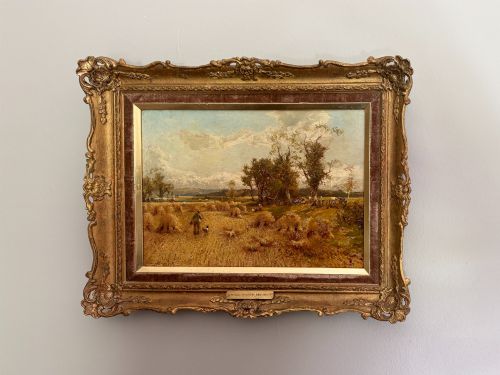
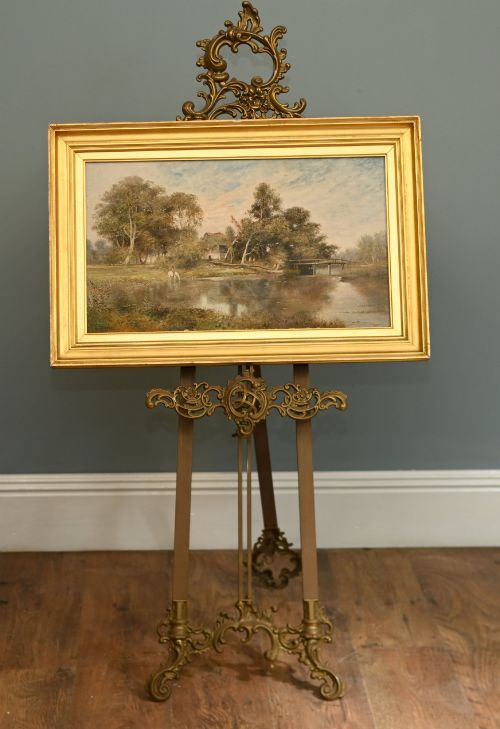
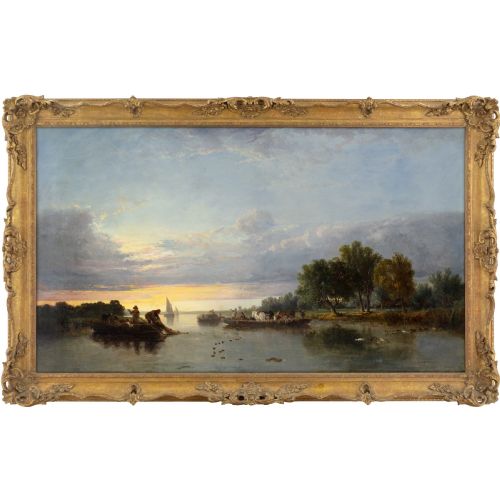
A british landscape oil picture captures open countryside, rivers, and coastal views through traditional pigments.
British Landscape Oil Picture
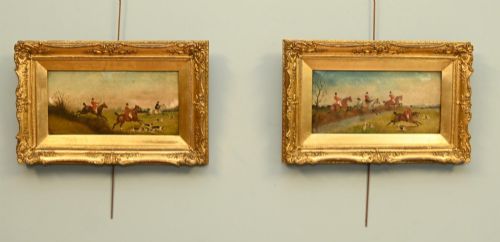
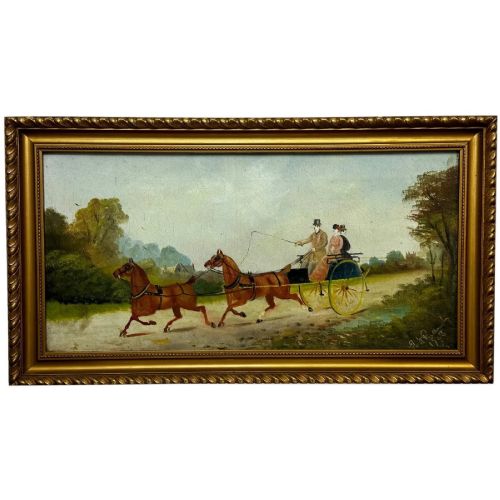
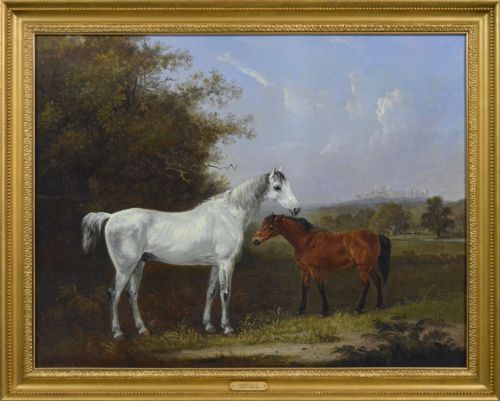
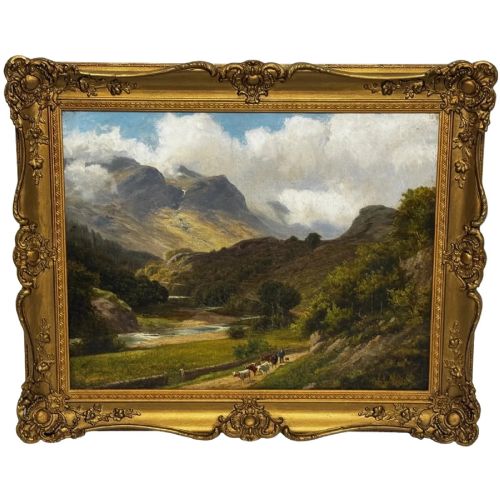
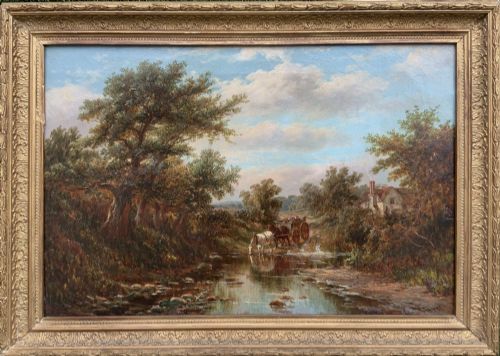
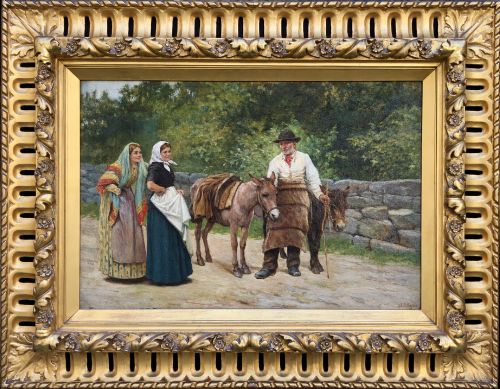
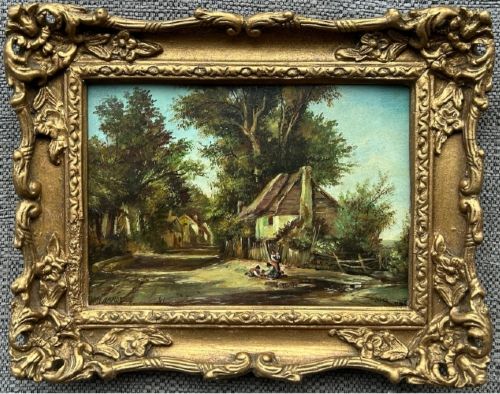
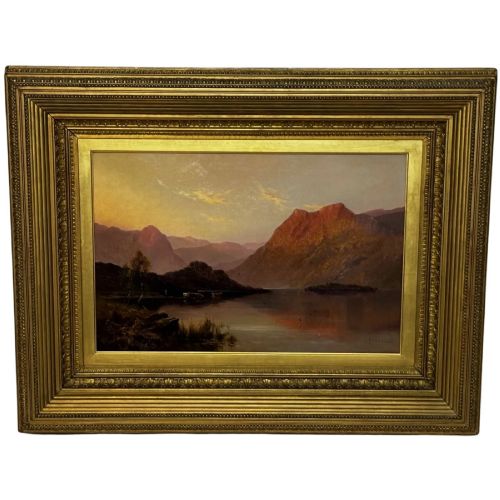
A british landscape oil picture brings rural and coastal scenery indoors, usually framed in giltwood or gesso. You will most frequently encounter nineteenth-century and early twentieth-century examples depicting rivers, valleys, and livestock.
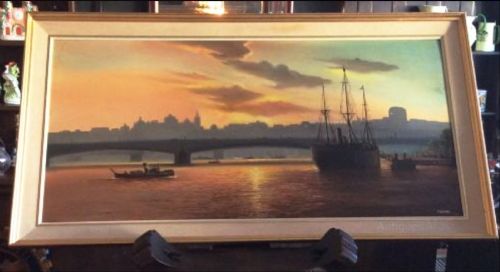
The subjects range from tranquil agricultural scenes in Yorkshire and the Lake District to maritime views along the Thames. Canvas and wood panels serve as the primary supports for these painted works.
Victorian and Edwardian artists dominated this genre, working within established traditions of British realism and pastoral painting. Later twentieth-century pieces extend the tradition into mid-century modern interpretations.
Assessing Quality and Execution
The handling of light and atmospheric depth distinguishes superior works from more formulaic compositions. Skilled brushwork brings texture and movement to water, foliage, and skies, whereas lesser examples remain flat and rigid.
The integrity of the original canvas or panel surface, alongside the preservation of the matching gilt frame, influences the overall character of the piece. Subtle tonal variation and confident draughtsmanship indicate a higher standard of execution.
Several canvases capture cows, sheep, and ponies persistently inspecting the British countryside before the artist even picked up a brush.
William Manners·Edmund Bristow·Alfred Walter Bayes·Edward Williams·David Bates·Francis Moltino·John Emms·John Ferneley Senior
The British Landscape Oil Picture Glossary
- Gesso
- A plaster-like mixture applied to canvas or wood to create a smooth, stable surface for oil painting. It provides the foundational layer that supports the subsequent application of paint.
- Giltwood
- Wood that has been decorated with a thin layer of gold leaf or metallic powder. It is commonly found on traditional picture frames from the nineteenth century.
- Oil on Canvas
- A traditional painting medium where coloured pigments are suspended in drying oils and applied to a stretched woven fabric. This combination allows for rich blending and textured brushwork.
- Panel
- A rigid wooden support used by artists instead of fabric canvas. Panels offer a firm base that resists the flexing common in older textiles.
British Landscape Oil Picture: Frequently Asked Questions
How should I clean an oil painting?
Surface dust can be removed gently with a soft, dry artist brush. Avoid using water, household cleaners, or moisture on the painted surface.
Professional conservators should handle deeper cleaning or the removal of old varnish. Attempting chemical cleaning at home risks permanent damage to the oil pigments.
Are these paintings signed by the artist?
Many works bear visible signatures or initials, often placed discreetly in a lower corner. Signatures frequently appear alongside dates that help establish the period of creation.
Unsigned pieces remain common, particularly among works attributed to specific regional schools. Attribution for these works relies on stylistic analysis, subject matter, and framing clues.
What lighting suits an oil painting best?
Natural ambient light from the side reveals texture and brushwork without causing glare. Direct, intense sunlight should be avoided to prevent fading of the oil pigments over time.
Low-heat LED picture lights provide controlled illumination for interior display. Position the light to minimise reflections off the varnished surface.
How do I identify the framing period?
Original frames often show signs of age consistent with the canvas, including minor shrinkage cracks in the gesso. The moulding profiles and gilding techniques typically match the aesthetic of the painting era.
Replaced frames display different corner construction or modern joinery methods. Identifying the frame helps confirm the historical context of the artwork.