


British Impressionist Fine Art
British impressionist fine art captures changing light and domestic scenes through loose, expressive brushwork on canvas and board.
British Impressionist Fine Art
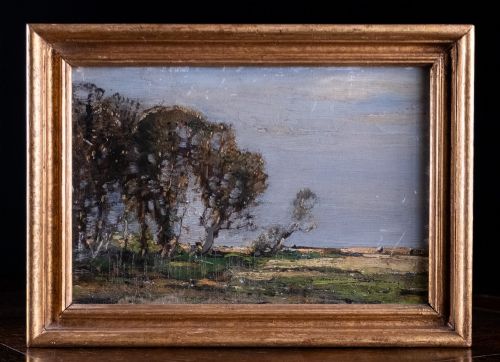
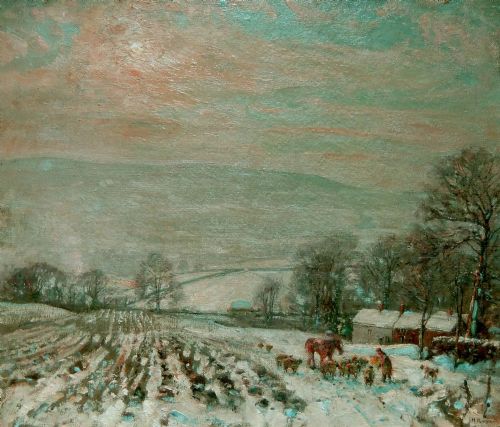
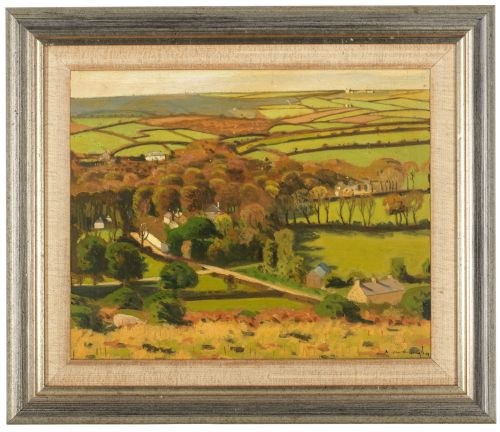
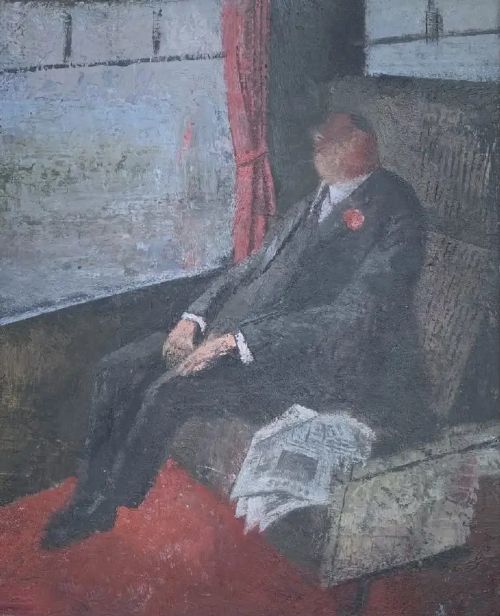
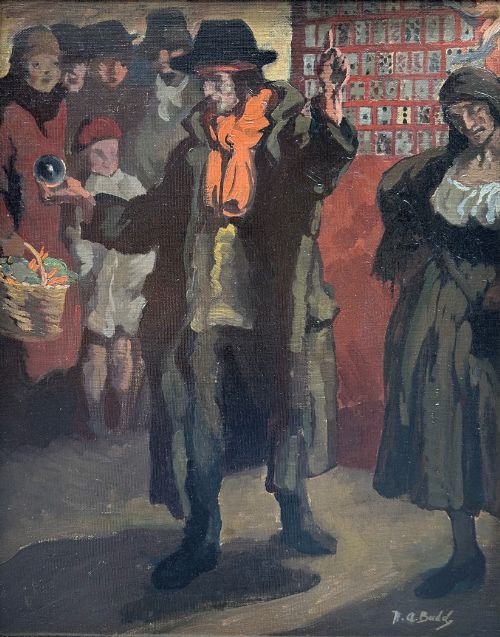
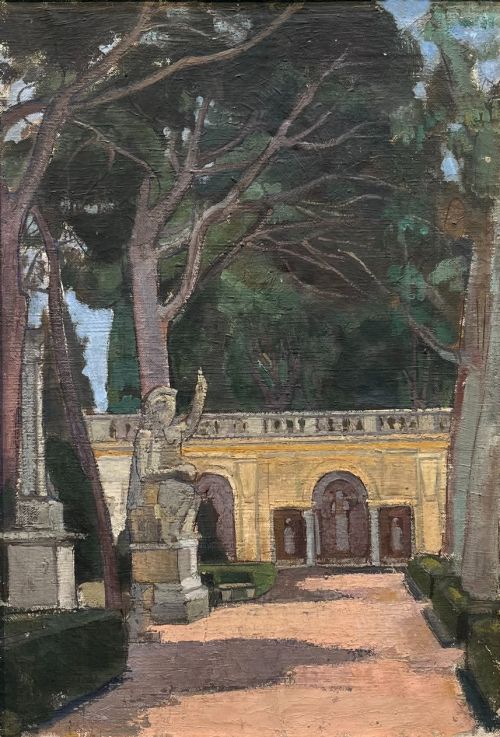
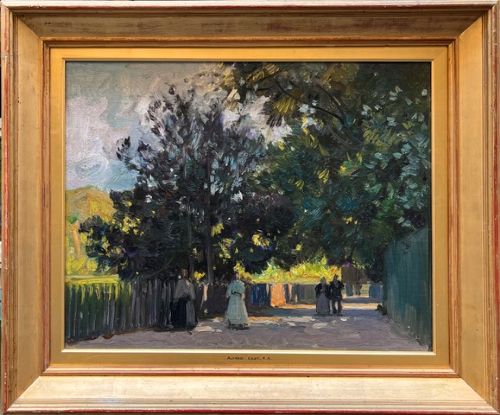
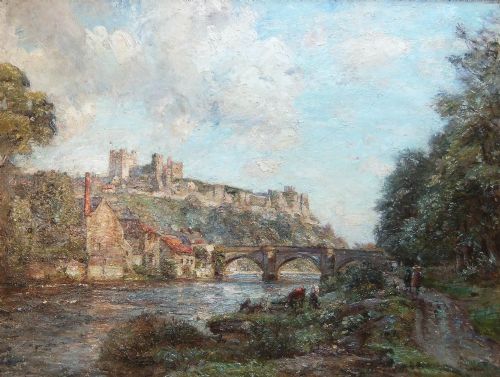
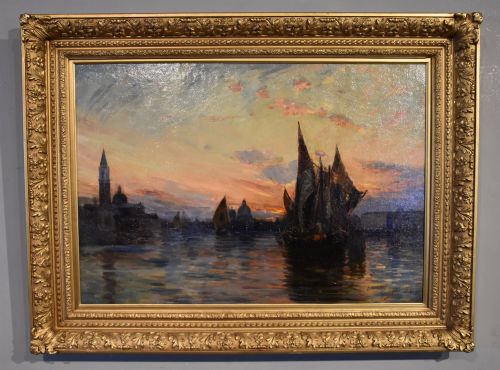
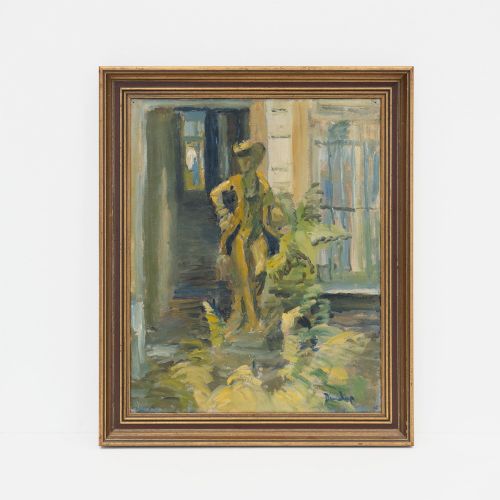
Buyers seeking british impressionist fine art encounter oil paintings and watercolours depicting country landscapes, river paths, and quiet figure studies. These works record regional views across Yorkshire, Cornwall, and overseas scenes from Rome and Venice.
The pieces span from the late nineteenth century through the mid twentieth century, encompassing Victorian output, early twentieth century modernism, and post-impressionist developments. Most examples on this page are oil paintings executed on canvas or board by named regional and national practitioners.
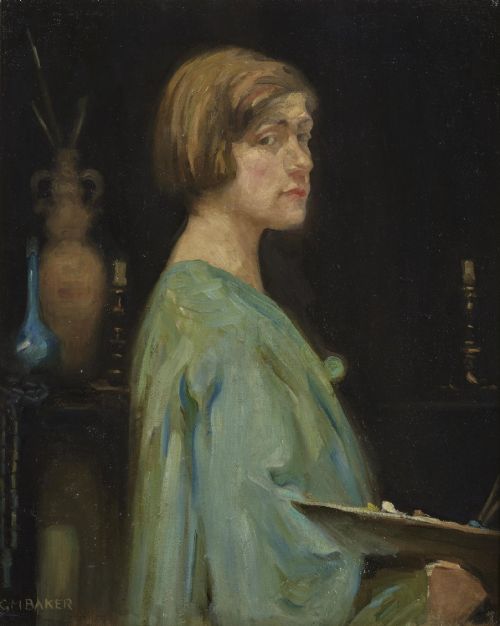
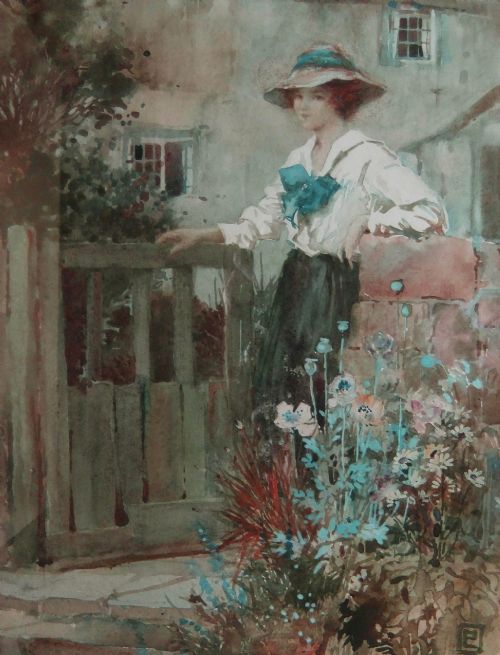
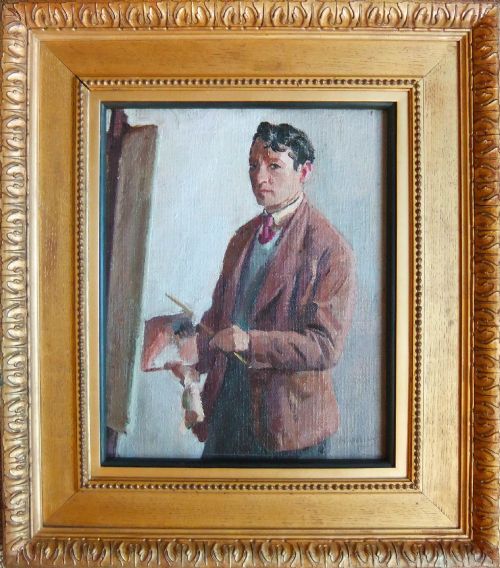
Subjects range from bustling farmsteads and hay fields to intimate self portraits and garden scenes. The selection offers a direct view into the brushwork and palettes favoured by British artists working in these decades.
Materials and construction
Artists applied oil paint and watercolour across supports of canvas, wood panels, paper, and board. Oil on canvas and oil on board dominate the selection, providing the texture and body necessary for visible, impasto brush strokes.
Framed artwork uses traditional timber mouldings to house the painted surface. Supports vary from stretched canvas to solid wood panels and paper sheets for watercolours.
Several canvases record local farm animals, including childhood ponies waiting patiently in the stableyard.
Distinctions in quality
Quality rests on the confidence of the brushwork and the clarity of light captured within the composition. Stronger examples demonstrate purposeful handling of oil paint that defines form and atmosphere without relying on rigid lines.
Condition of the painted surface and the retention of original framing influence the integrity of the piece. Works that preserve their pigment vibrancy and surface stability stand out from dull or heavily restored examples.
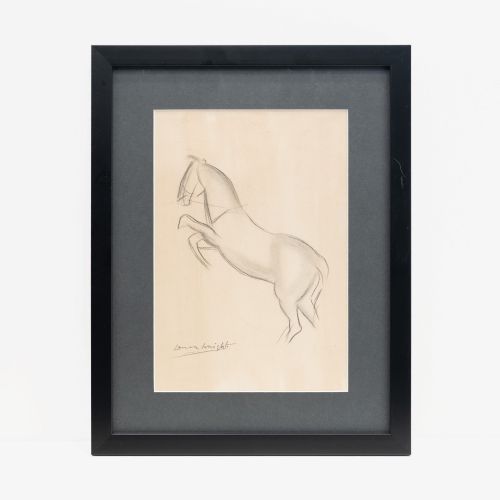
Kershaw Schofield·Herbert Royle·Robert Morson Hughes·Herbert Ashwin Budd·Dame Laura Knight·Sir Alfred East
The British Impressionist Fine Art Glossary
- Oil paint
- Pigment suspended in a drying oil medium. It allows for rich colour saturation and thick application.
- Canvas
- A heavy woven fabric stretched across a wooden frame to serve as a painting support. It provides a textured ground for oil applications.
- Board
- A rigid wooden or composite flat sheet used as a painting support. It offers a firm surface alternative to stretched fabric.
- Watercolour
- Pigment suspended in a water-soluble binder applied to paper. It produces translucent washes and delicate tonal shifts.
- Impressionism
- A style focused on capturing the visual impression of a moment, especially regarding shifting light. It relies on visible brush strokes and unblended colours.
British Impressionist Fine Art: Frequently Asked Questions
What subjects do these paintings show?
The works depict rural landscapes, river scenes, farmsteads, and domestic figures. Many capture specific locations in Yorkshire, Cornwall, and European destinations.
Artists focused on everyday environments, recording changing weather and seasonal light across the British countryside.
How do I care for an oil painting?
Keep paintings away from direct sunlight and damp conditions to protect the canvas and pigment. Maintain a stable room temperature to prevent the wood and paint layers from expanding.
Dust the surface gently with a dry, soft brush and avoid using liquid cleaners or chemical solvents.
What periods do these works cover?
The selection spans from the late nineteenth century through the Victorian era and into the mid twentieth century. Most pieces date from the early decades of the 1900s.
This timeframe bridges traditional academic painting with modern British impressionist and post-impressionist movements.
How can I tell oils from watercolours?
Oils use thick paint applied to canvas, board, or wood panels, often showing raised brush texture. Watercolours use translucent pigments on paper under glass.
Oils have a heavier, opaque surface presence while watercolours rely on the white paper ground to shine through thin washes.