


British Impressionist Artwork
British impressionist artwork captures domestic light and landscape with immediate brushwork, offering a window into early twentieth-century life.
What these pieces are
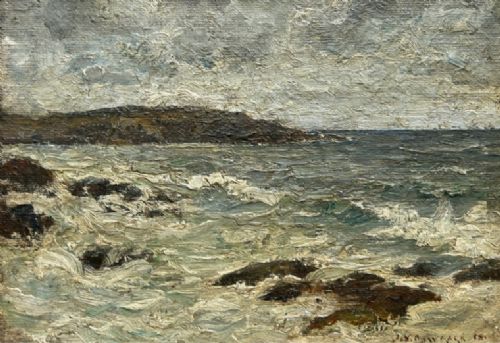
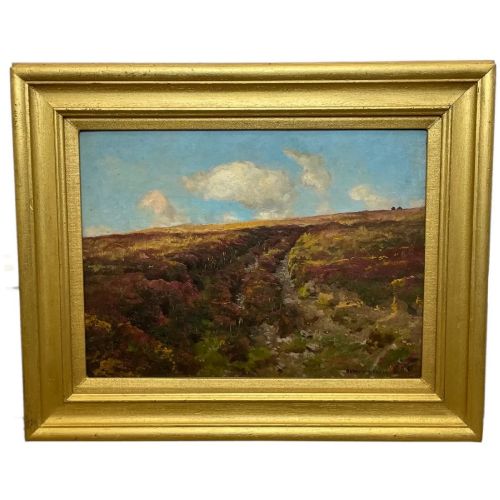
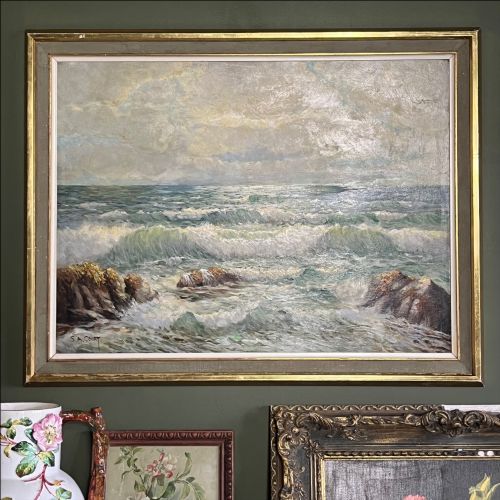
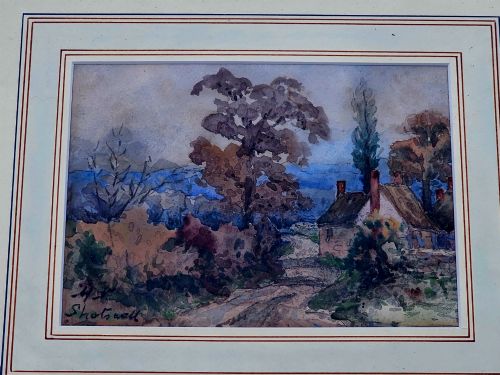
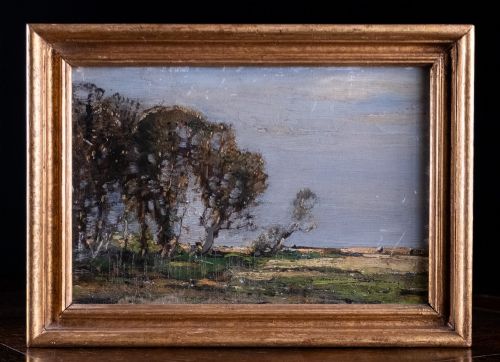
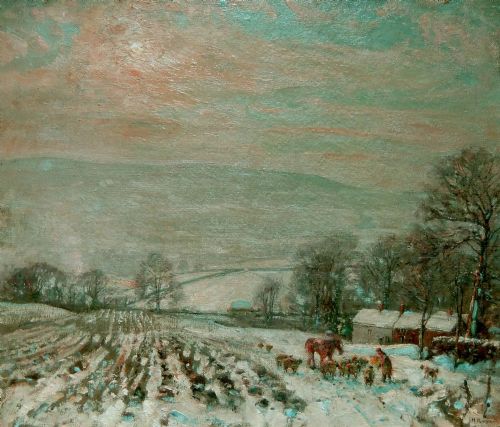
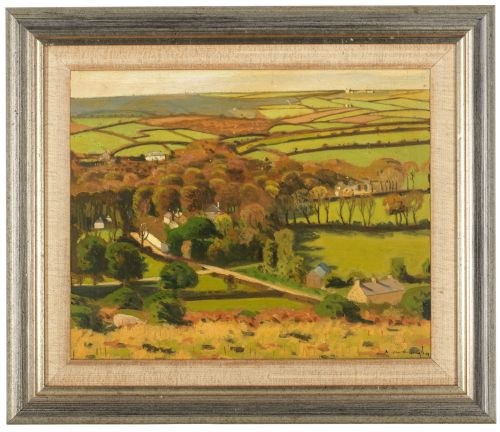
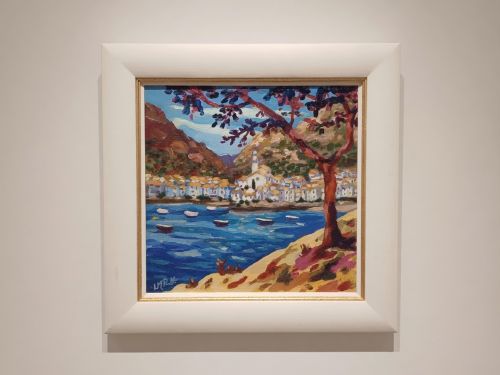
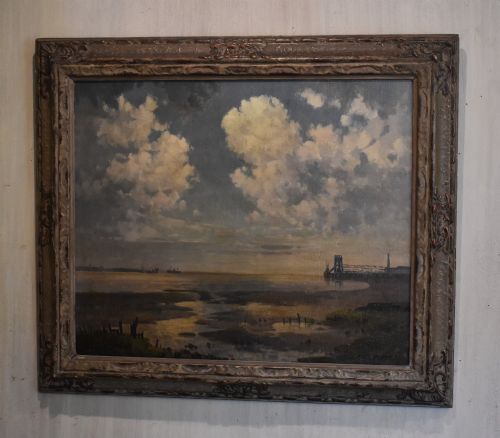
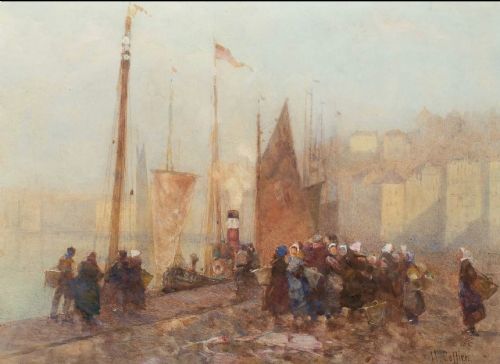
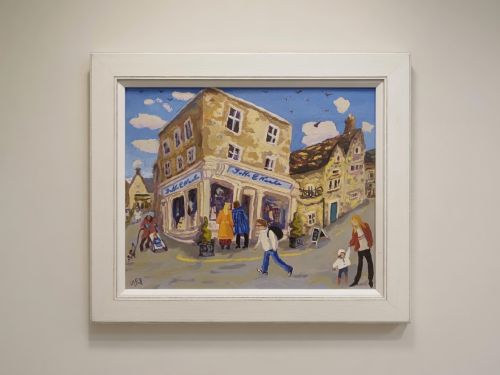
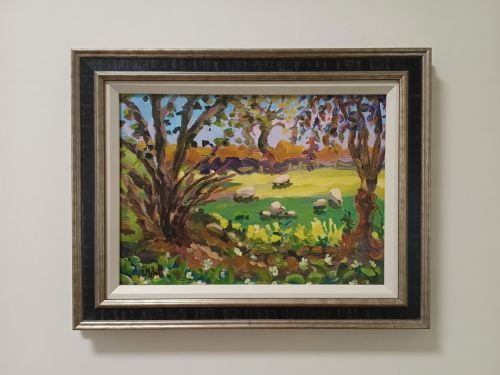
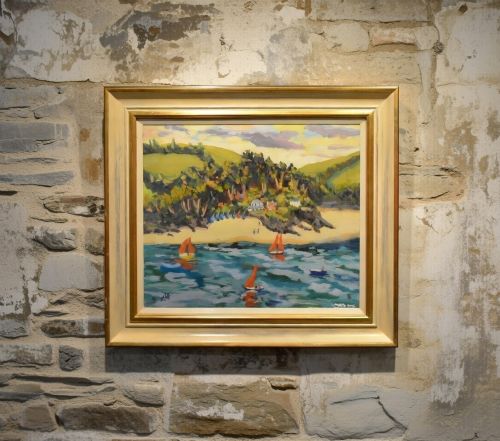
British impressionist artwork represents a distinct chapter in twentieth-century painting, focusing primarily on natural light, rural landscapes and pastoral scenes. These pictures record the countryside, gardens and woodland views through loose, expressive application of pigment.
The selection on this page centres on oil paintings and watercolours executed between the nineteen-hundreds and the nineteen-forties. Notable subjects include Yorkshire landscapes, river scenes and woodland settings.
Works in this group span several decades of British modernism, capturing the transition from Edwardian pastoral traditions into bolder twentieth-century interpretations of light and atmosphere.
How they were made
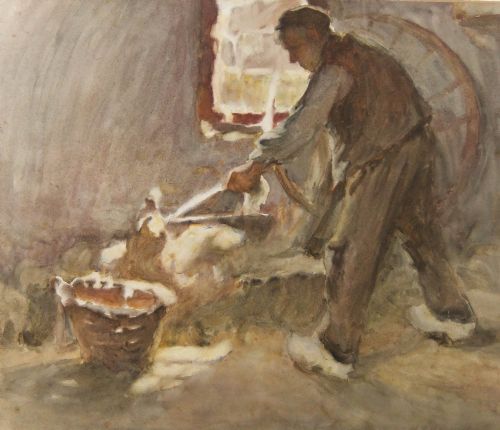
Artists in this group primarily applied oil paint to canvas or wood panels, building texture with confident brushstrokes. Some works utilise paper or watercolour mediums to capture lighter, more translucent effects.
Supports range from traditional stretched canvas to wooden boards and paper sheets, framed behind glass where works on paper demand protection. Each material dictates the preservation and texture of the final surface.
Retail Price Guide 2026
Typical UK retail prices for british impressionist artwork, calculated from the Sellingantiques database of over a million retail prices indexed since 2003. This retail price guide relies exclusively on Sellingantiques data; no external sources or auction records are used, so the figures do not describe the wider market.
Listings span the decades from nineteen-hundred to nineteen-forty, featuring canvases, wooden panels and paper supports.
What varies in quality
Quality rests upon the confidence of the brushwork and the artist's ability to render atmospheric light convincingly. Stronger examples display a purposeful command of colour and composition that brings depth to ordinary rural views.
The distinction between standard works and finer pieces lies in the vitality of the surface texture and the harmony of the palette. Superior paintings manage to capture movement and illumination with remarkable economy of line.
The British Impressionist Artwork Glossary
- Oil on canvas
- Pigment suspended in drying oil applied to a woven fabric stretched across a wooden frame. This traditional method allows for rich texture and deep colour saturation.
- Watercolour
- A paint consisting of colour pigments suspended in a water-soluble vehicle, typically applied to paper. It creates luminous, translucent effects prized for delicate compositions.
- Edwardian
- A stylistic period spanning the reign of King Edward VII up to the First World War. Art from this era often retains pastoral charm alongside emerging modernist sensibilities.
- Twentieth Century Modern British
- A broad term encompassing art produced in Britain during the 1900s that engages with modern movements while retaining traditional subjects like landscape and figure painting.
Frequently Asked Questions
What subjects appear in these paintings?
The works focus heavily on rural landscapes, woodland scenes, and Yorkshire valleys. Artists capture rivers, gardens, and pastoral encampments with immediate brushwork.
These subjects reflect a deep engagement with the British countryside during the first half of the twentieth century.
How should I frame an oil painting?
Traditional gilt or wooden frames suit these period oils best, complementing their painterly surfaces. Ensure the frame allows the canvas to breathe without pinching the edges.
Avoid modern synthetic mouldings that clash with the historic character of the artwork.
How do I care for works on paper?
Watercolours and works on paper require acid-free mounts and UV-protective glass to prevent fading. Keep them away from direct sunlight and damp environments.
Proper framing preserves the delicate pigments and paper integrity for decades.
What defines British Impressionism?
British Impressionism bridges traditional landscape painting with the looser brushwork and light-capturing techniques of French impressionism. Artists painted en plein air to record fleeting atmospheric conditions.
The resulting pictures prioritise mood and natural illumination over rigid academic finish.