

British Genre Art
British genre art records the everyday domestic and social lives of people across past centuries through painted scenes.
British Genre Art
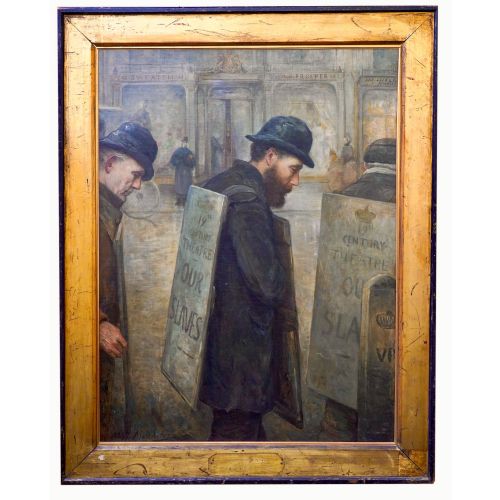
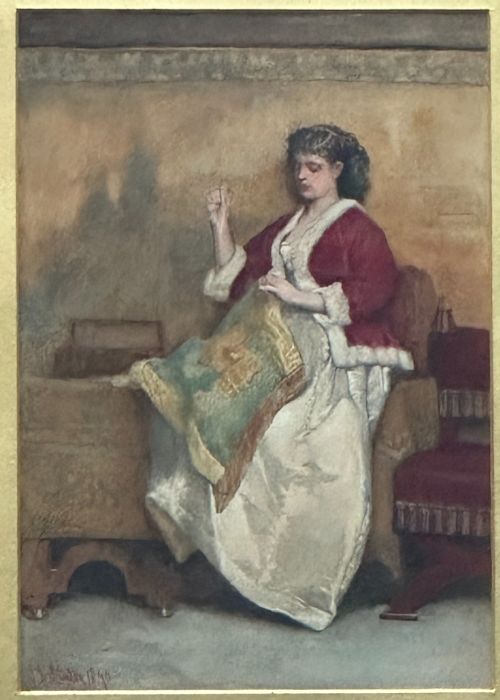
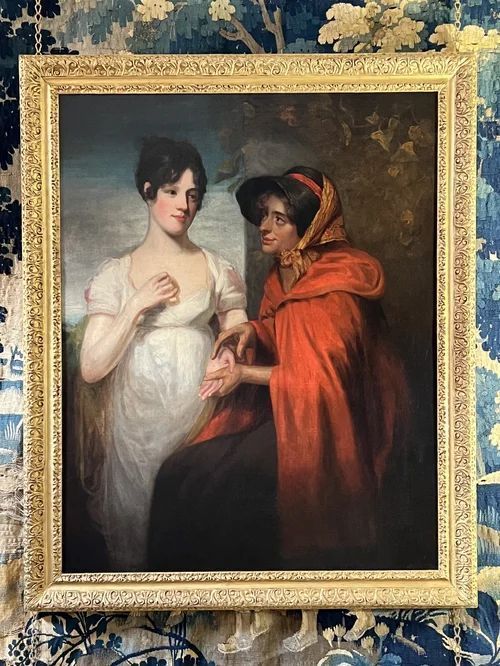
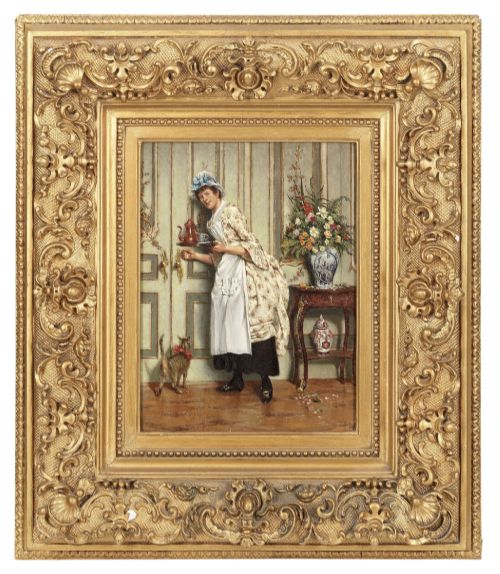
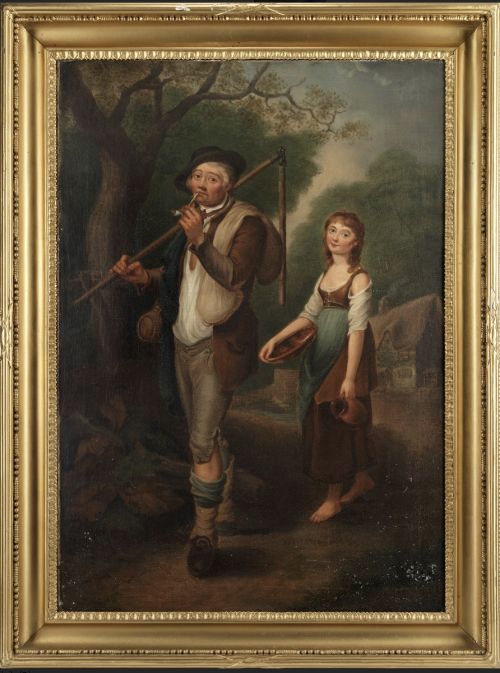
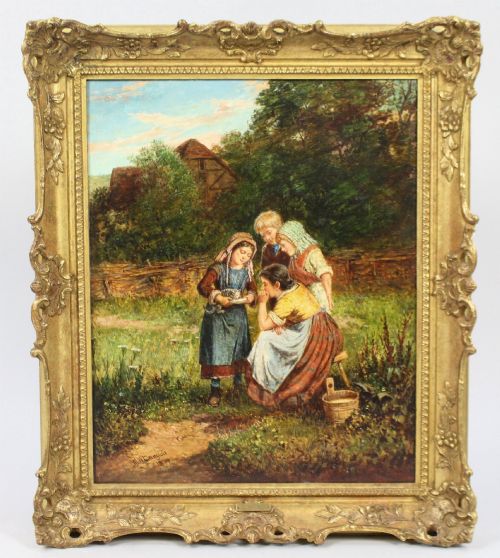
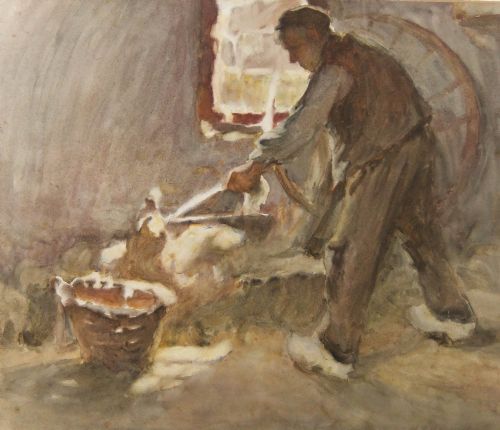
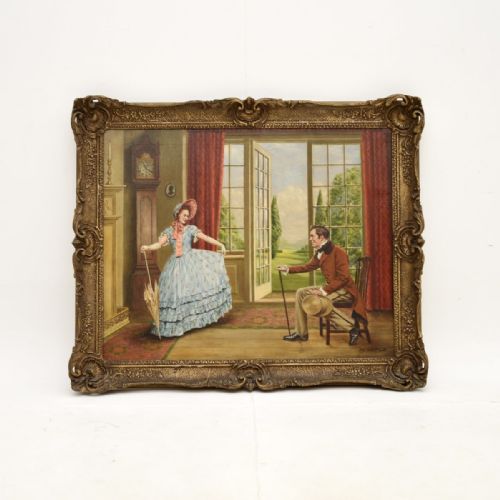
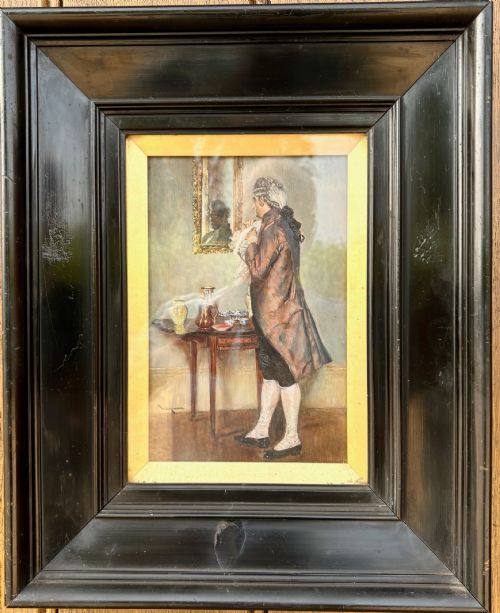
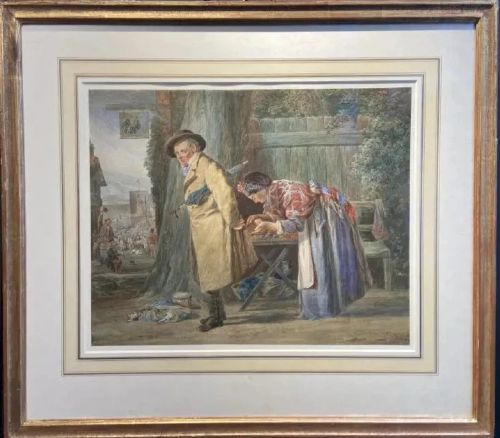
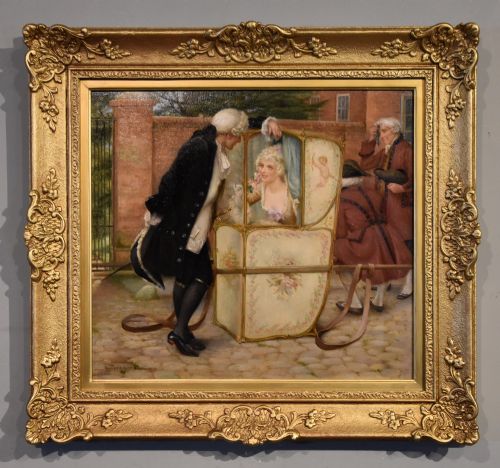
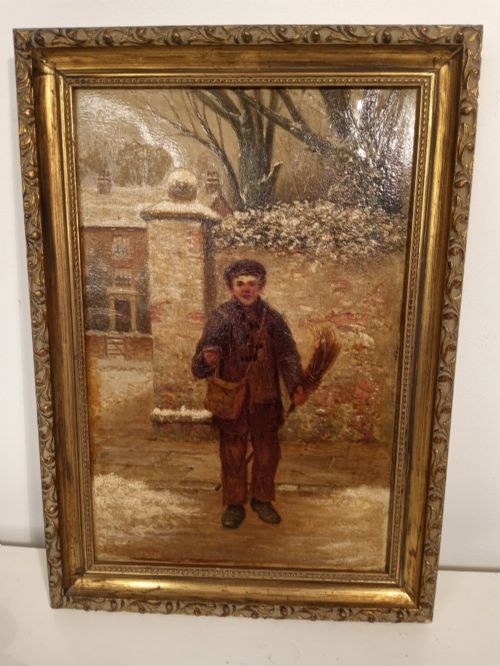
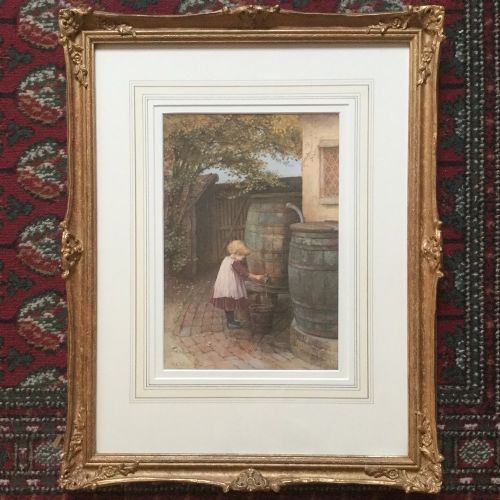
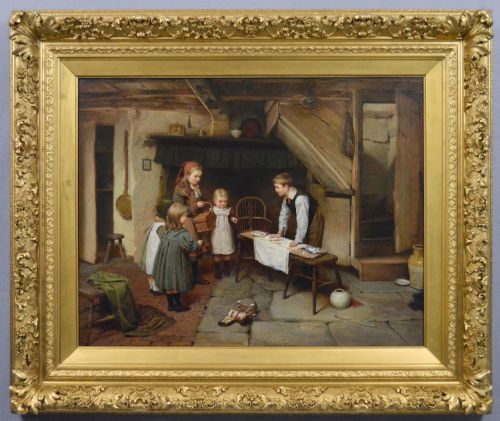
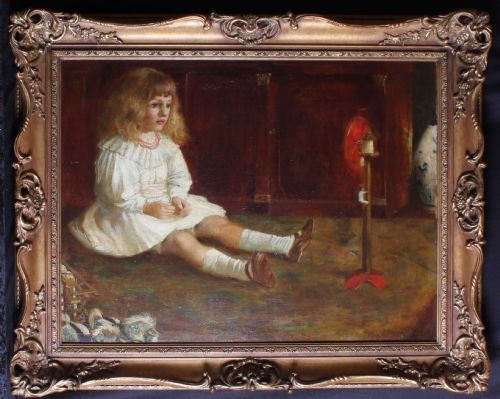
British genre art captures scenes of daily life, depicting domestic interiors, rural labour, and quiet domestic moments rather than grand historical narratives or portraits. These works range from intimate watercolours on paper to substantial oil paintings on canvas, frequently framed in giltwood and gesso.
The pieces available span from the Georgian period through the Victorian era and into the early twentieth century, with strong representation from the nineteenth century. Common subjects include children playing, tea times, blacksmiths, and cottage interiors recorded by named artists of the period.
Materials and Construction
Techniques relied on traditional academic training, producing detailed figurative work that captured light, texture, and narrative detail within interior and landscape settings.
British Genre Art Retail Price Guide 2026
Typical asking prices for british genre art among the pieces listed under this phrase on Sellingantiques today, from the lower quarter to the upper quarter. They describe what is for sale here now, not the wider market.
Several canvases capture small kittens demanding attention while their owners attempt to read or sew in peace.
Assessing Quality and Execution
Quality rests in the handling of narrative detail, facial expression, and the play of light within the domestic or rural setting. Finer works display confident brushwork and precise draughtsmanship that bring depth and character to the figures.
The preservation of the original paint surface and the craftsmanship of the period frame contribute significantly to the standing of an individual piece.
Felix Stone Moscheles·Sir James Dromgole Linton·Valentine T Garland·John Opie·Stephen Samuel Lewin·Thomas Barker of Bath·Mark William Langlois·Henry Silkstone Hopwood·Alfred Lyndon Grace·Joseph H Barnes·Delapoer Downing·Charles Edward Wilson·Harry Brooker·Byam Shaw·Alexander Rosell·John Arthur Lomax·John Watkins Chapman·Haynes King·John Sanderson Wells·Charles Burton Barber·James Kyd·James Mallard Bromley·Arthur Hopkins·Henry John Yeend King·Edwin Thomas Roberts
The British Genre Art Glossary
- Genre painting
- A branch of fine art depicting scenes from everyday life, such as domestic interiors, market stalls, and rural labour. It focuses on ordinary people rather than historical, mythological, or religious subjects.
- Oil on canvas
- A painting technique where pigments suspended in oil are applied to a stretched woven fabric support. This medium allows for rich colour blending and textured application.
- Watercolour
- A painting method where water-soluble pigments are applied to paper. It yields translucent washes and delicate detail.
- Giltwood
- Wood carved and coated with a thin layer of gold leaf or metallic powder. It forms the decorative surface of traditional picture frames.
- Gesso
- A plaster-like mixture applied to wood or canvas as a base for painting or as a smooth surface for gilding. It is frequently moulded into decorative patterns on frames.
British Genre Art: Frequently Asked Questions
What subjects appear in british genre art?
These paintings portray scenes from ordinary life, including children playing, domestic chores, cottage interiors, and rural workers. Artists focused on human activity and narrative moments within homes and villages.
Subjects reflect the social interests of the nineteenth and early twentieth centuries, capturing domestic habits, trades, and leisure pastimes of the period.
How do I care for an oil painting?
Protect the canvas from direct sunlight and steady fluctuations in room temperature and humidity. Dust the surface gently with a soft, dry brush without applying pressure.
Keep the backing board intact and avoid using liquid cleaners on either the painted canvas or the antique giltwood frame.
How are watercolours framed differently from oils?
Watercolours on paper require protection behind glass to prevent atmospheric damage and moisture absorption. They are typically mounted within card mats inside glazed frames.
Oil paintings on canvas are left unglazed to allow the textured paint surface to remain visible and breathable.
How can I tell the period of a piece?
Dating relies on the style of clothing, interior furnishings, and the construction methods of the frame and stretcher. Signatures, dates inscribed by the artist, and exhibition labels provide direct evidence.
Stylistic shifts from Georgian formality through Victorian realism to Edwardian looseness help place works within their decades of creation.