

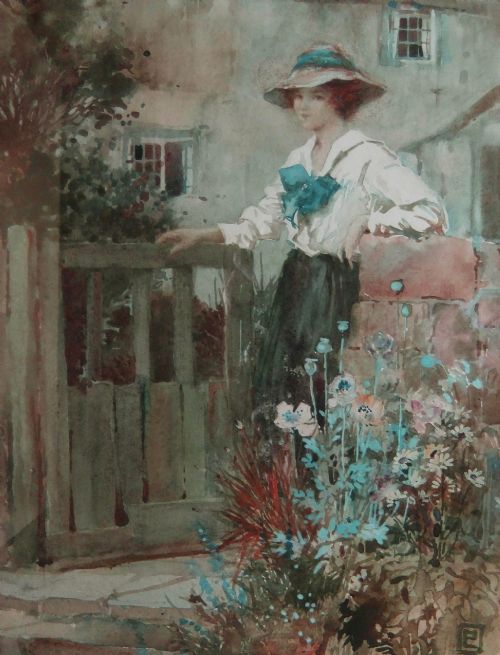


British Fine Art Watercolour
British fine art watercolour captures landscapes, figures and coastal scenes on paper using traditional pigments.
British Fine Art Watercolour
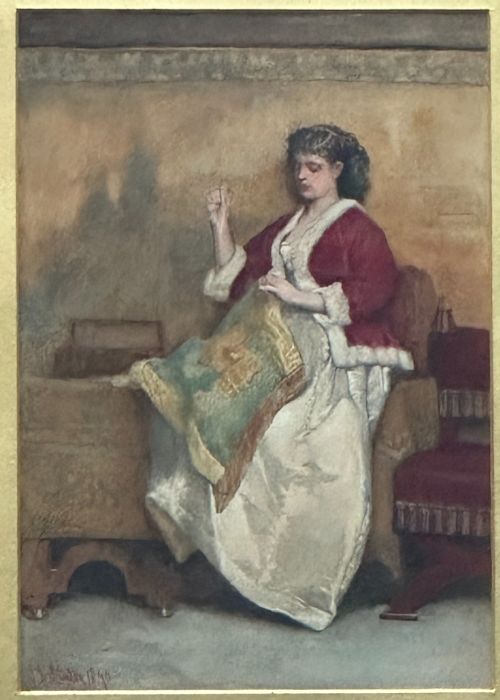
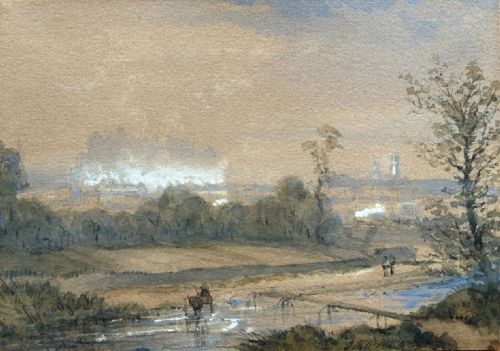
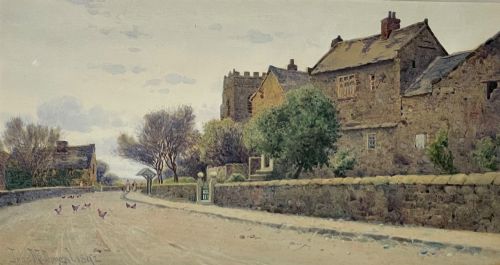
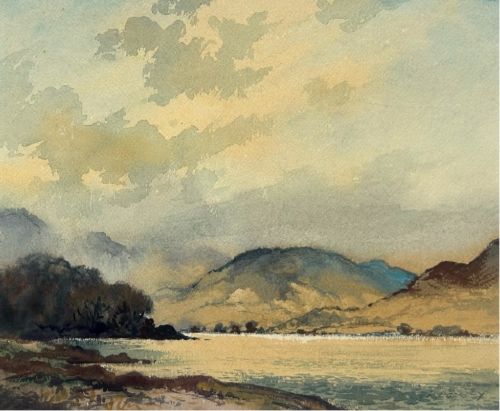
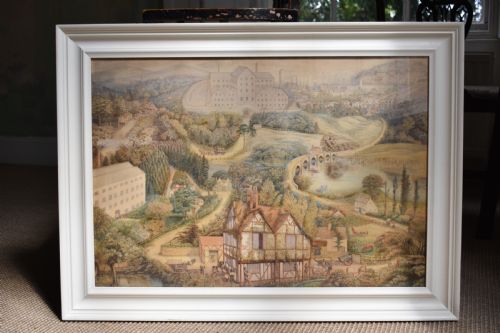
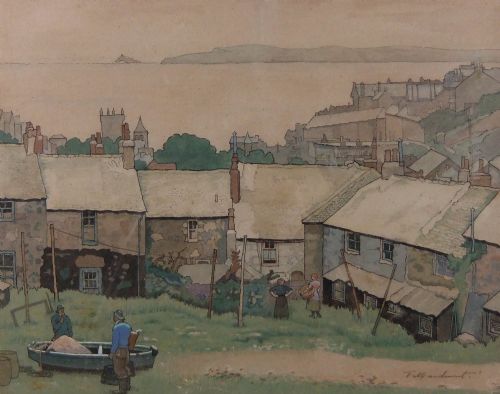
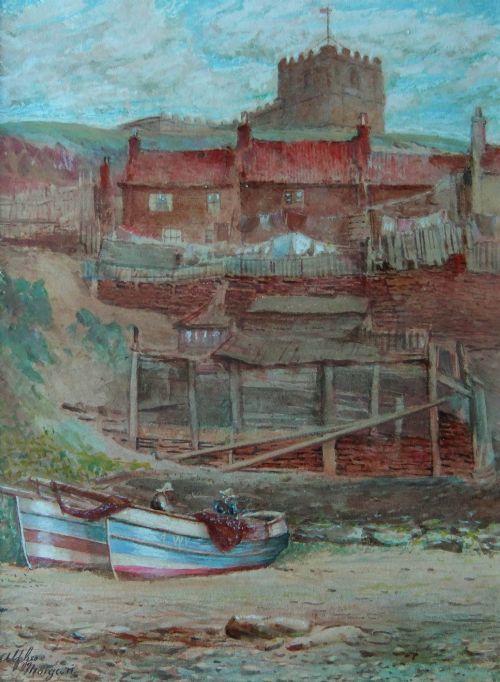
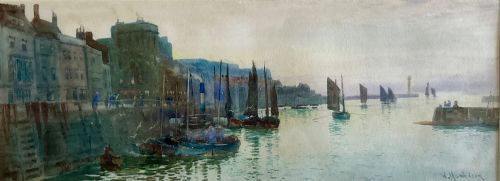
When you search for british fine art watercolour, you encounter original paintings executed on paper support from the eighteenth century through to the mid twentieth century. These works primarily record topographical views, rural landscapes, coastal harbours and figurative studies by named artists.
The selections available here lean heavily towards Victorian and Edwardian periods, alongside examples touching on British Impressionism and Modern British movements. Most pieces arrive framed, often behind glass within wood or gilt wood mouldings that protect the delicate pigment surface.
Materials and construction
These works rely on watercolour pigment and paint applied to paper sheets, frequently supplemented by pen and ink lines to define architectural or figurative details. Artists combined transparent washes with opaque bodycolour to build depth and atmospheric effects across the composition.
Mounting and framing historically involved wood, gilt wood, and glass to shield the paper and water-soluble pigments from moisture and handling. Original frames often accompany the paintings, providing context for the period of creation.
British Fine Art Watercolour Retail Price Guide 2026
Typical asking prices for british fine art watercolour among the pieces listed under this phrase on Sellingantiques today, from the lower quarter to the upper quarter. They describe what is for sale here now, not the wider market.
Mediums combine watercolour pigment and ink on paper, housed within period wood and gilt wood frames.
Quality and execution
Quality rests upon the confidence of the brushwork, the handling of light, and the preservation of the paper surface against fading and foxing. Stronger pieces display assured draughtsmanship and compositional balance rather than static transcription.
The reputation of the painter and the specificity of the subject matter elevate individual works above standard topographical sketches. Finished exhibition pieces demand greater technical control than casual field studies.
Sir James Dromgole Linton·Thomas Ellison·John McDougal·Cornelius Pearson·Thomas Rowlandson
The British Fine Art Watercolour Glossary
- Watercolour pigment
- Finely ground colour particles suspended in a water-soluble binder, applied to paper support. This medium allows for luminous washes and delicate layering.
- Bodycolour
- Watercolour paint mixed with a white pigment to make it opaque. Artists used this to add highlights and solid areas of colour.
- Foxing
- Brown spots and discolouration that develop on older paper due to chemical reactions over time. It is a common occurrence in antique works on paper.
- Gilt wood
- Wood framing treated with gold leaf or a metallic gilt finish. This traditional framing technique enhances the presentation of fine art works.
British Fine Art Watercolour: Frequently Asked Questions
How should I display a watercolour painting?
Keep watercolours away from direct sunlight to prevent the pigments from fading over time. Maintaining stable indoor humidity levels also protects the paper and framing.
Ensure the painting sits behind glass with a proper window mount so the paper does not touch the glazing directly.
What subjects appear in these watercolours?
The works predominantly feature British and European landscapes, coastal fishing ports, river scenes, and architectural landmarks. Figurative studies and rural village life also recur frequently across the Victorian and Edwardian periods.
Artists often travelled to specific regions such as Yorkshire, Wales, Venice, and the Lake District to record local scenery.
How do I identify the age of a watercolour?
Dating relies on the artist's recorded active dates, stylistic markers of the period, and framing materials. Inscriptions on the reverse or contemporary exhibition labels frequently provide firm dates.
Paper characteristics and ink types can also offer clues to the era of production when signatures are absent or indistinct.
Are these works original or reproductions?
Every piece represents a unique, hand-painted original work executed directly onto paper by the artist. They are not prints or mechanical reproductions.
Brush textures, pigment layering, and pencil underdrawing remain visible upon close inspection under magnification.